Beach palm
Bactris Major • Prickly palm • Lata palm • Jahuacte • Coyolito • Biscoyol • Hiuscoyol • Bordón • Marayaú • Marajá • Zagrinette
Beach palm in Motion
The Essence
"Bactris major is among the most widely distributed palms in the Neotropics, ranging from Trinidad and southern Mexico through Central America to northern South America, and on into lowland Bolivia and Brazil. Henderson's monograph describes it as common and widespread across that span, less common in the Amazon region, and common again in lowland Bolivia. It is a small to medium spiny palm, usually clustering, with stems 1-10 m tall and 2-6 cm thick that are armed on the internodes. Useful Tropical Plants warns that almost every part of the plant is covered by long, extremely sharp spines capable of piercing the skin on contact, and that the plants form dense, impenetrable stands of pole-like trunks. Few wild palms in the region are used as heavily. The sweet, juicy mesocarp is sucked or eaten fresh and used to flavour drinks, recorded among the Tsimane'/Mosetene, Quechua/Tacana, Yuracare and Trinitario peoples of Bolivia and the Huaorani of Amazonian Ecuador, and an alcoholic drink is made from the fruit. Yuracare and Trinitario people make bows and arrowheads from the wood, and the Chami of Colombia join two grooved sections of stem to build a blowgun. The stems, known in northern Colombia as lata, are widely used for building huts and rustic houses, and the brittle, easily split wood makes room partitions and wall coverings. In Colombia fruit decoctions are used as anthelmintics and laxatives and as an antidote to snake venom; the dense, ferociously armed clumps serve as protective barriers, and the palm is also grown as an ornamental. Taxonomically the species is notorious: a widespread and extremely variable palm, still poorly understood, with boundaries between its varieties that are not always clear. Three varieties are generally accepted - var. major, var. infesta and var. socialis - while Henderson and co-authors recognised a fourth, var. megalocarpa. Some western Amazonian specimens resemble B. concinna, and one Venezuelan specimen may be a hybrid with B. setulosa. Jacquin described the species in 1781 from material collected in the forests of Cartagena, Colombia."
Bactris is, per the account drawn from Genera Palmarum, "probably derived from baktron - stick, cane, staff, because of the slender stems of many species" - apt for a palm whose canes are used for arrows, blowguns and house partitions. The epithet major is the Latin comparative meaning larger or greater.
Nikolaus Joseph von Jacquin published the species in 1781 in Selectarum Stirpium Americanarum Historia, ed. 2: 136, t. 263, fig. 2, with the protologue locality given as "Crescit Carthagenae in sylvis" - the forests of Cartagena, Colombia. IPNI also carries an earlier first-edition entry of 1763, flagged as invalidly published because the genus name itself was not validly published until 1777.
Natural Habitat
Recorded in forest but more often in open areas near streams or standing water, often in coastal areas and also in disturbed places, below 600 m elevation. Useful Tropical Plants characterises its ground as very wet, even inundated soils, matching a distribution that consistently follows rivers, streams and seasonally flooded lowlands across its huge range.
Curated Specimens
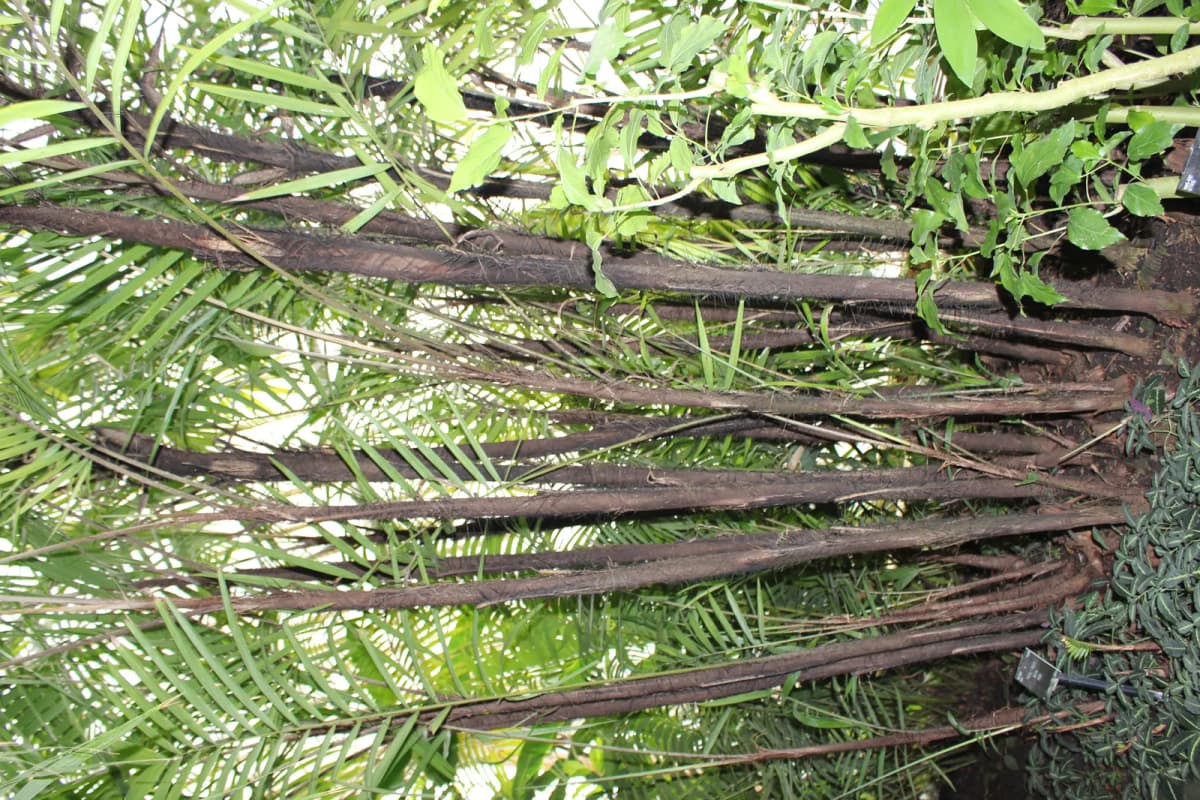
Botanical specimen of Bactris Major.
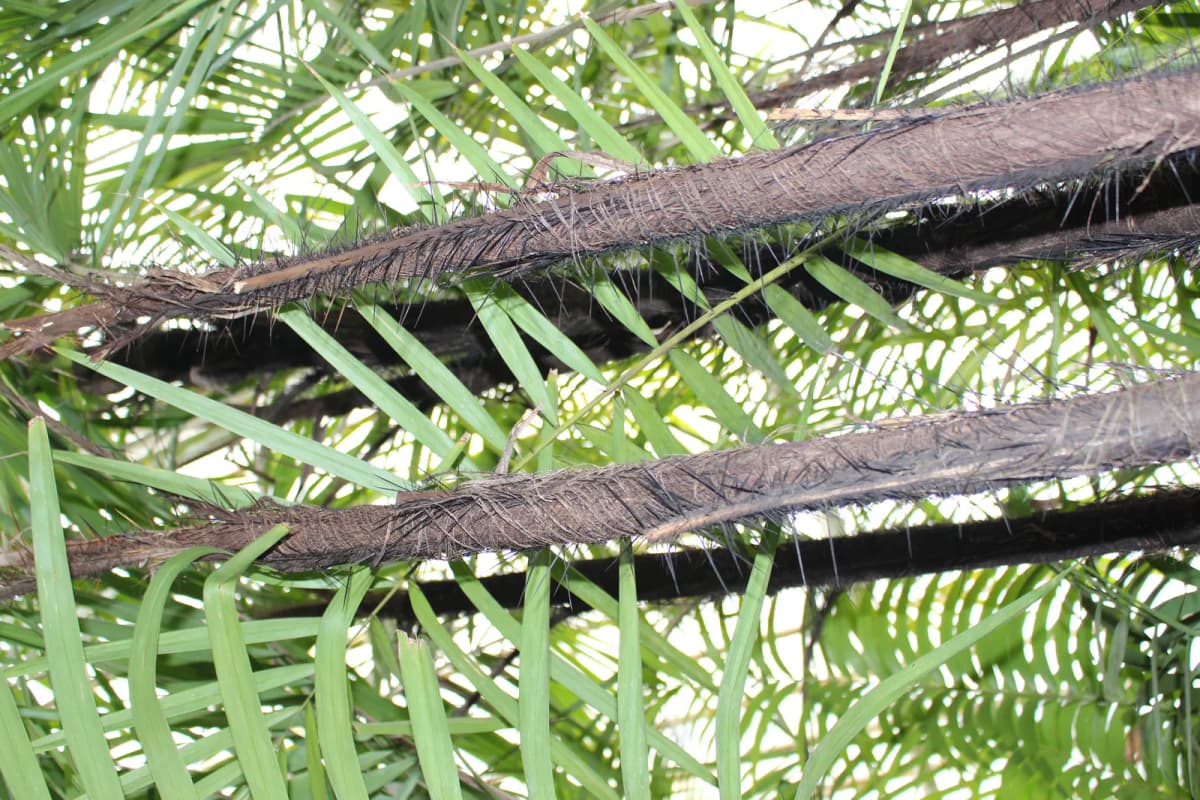
Botanical specimen of Bactris Major.
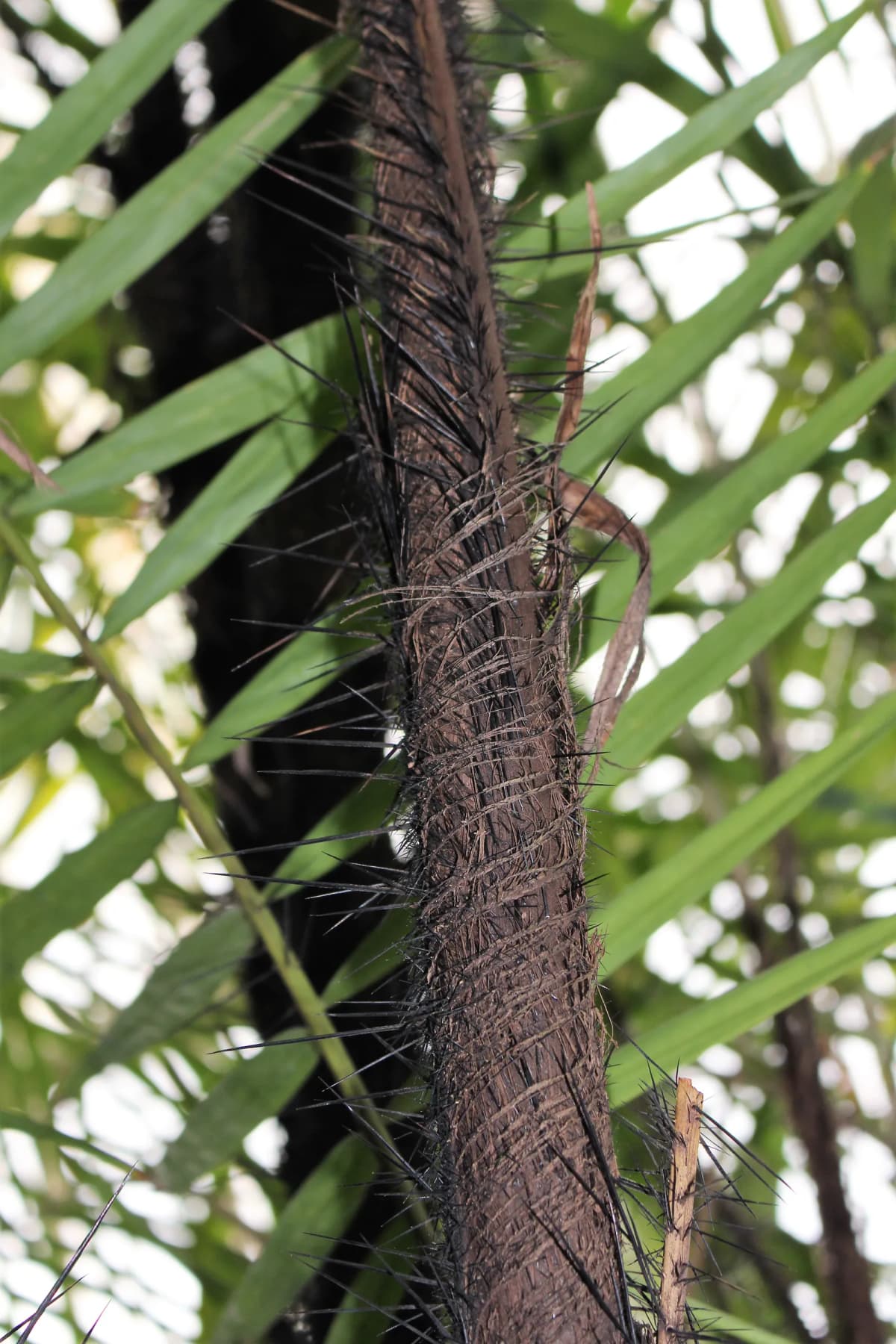
Botanical specimen of Bactris Major.
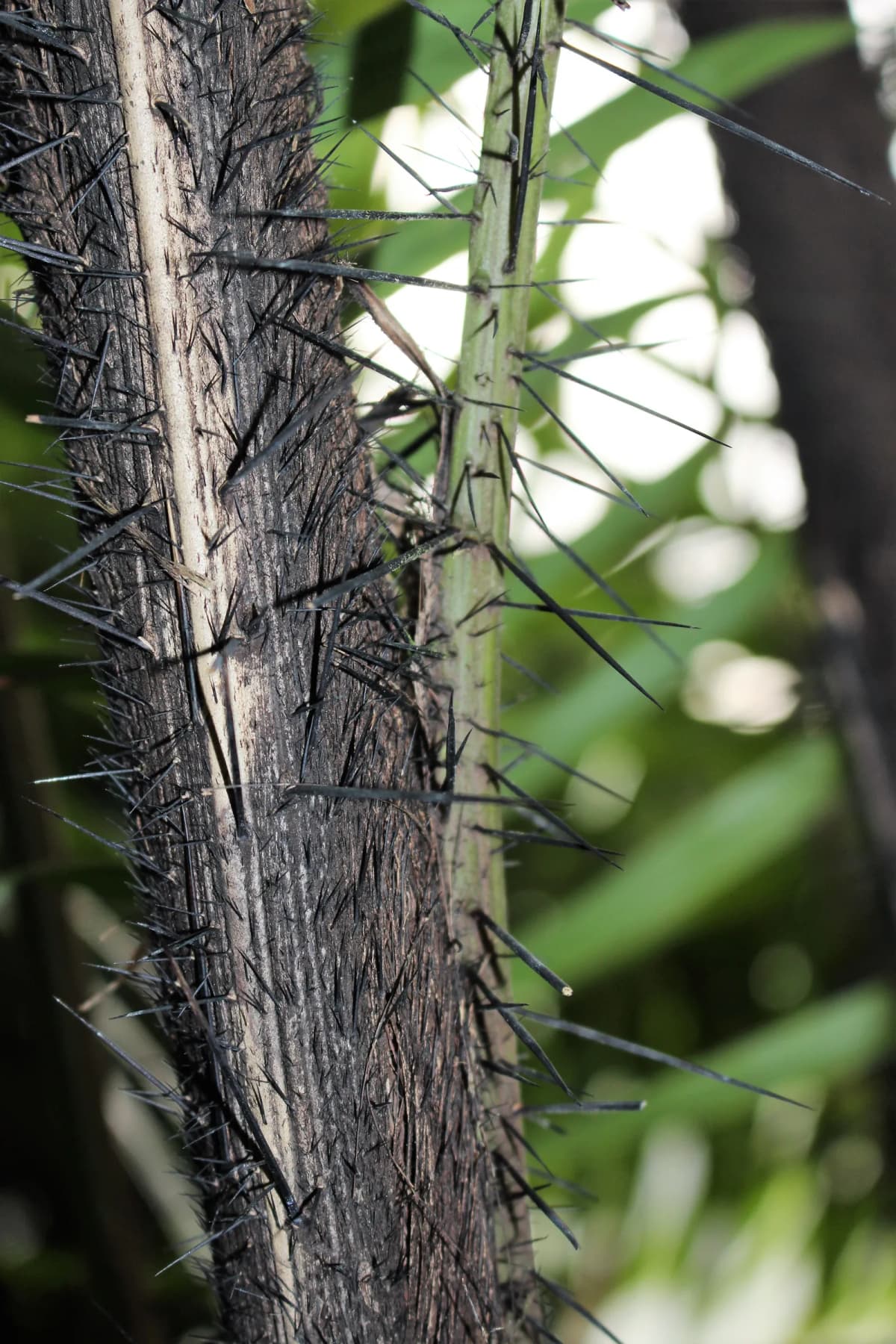
Botanical specimen of Bactris Major.
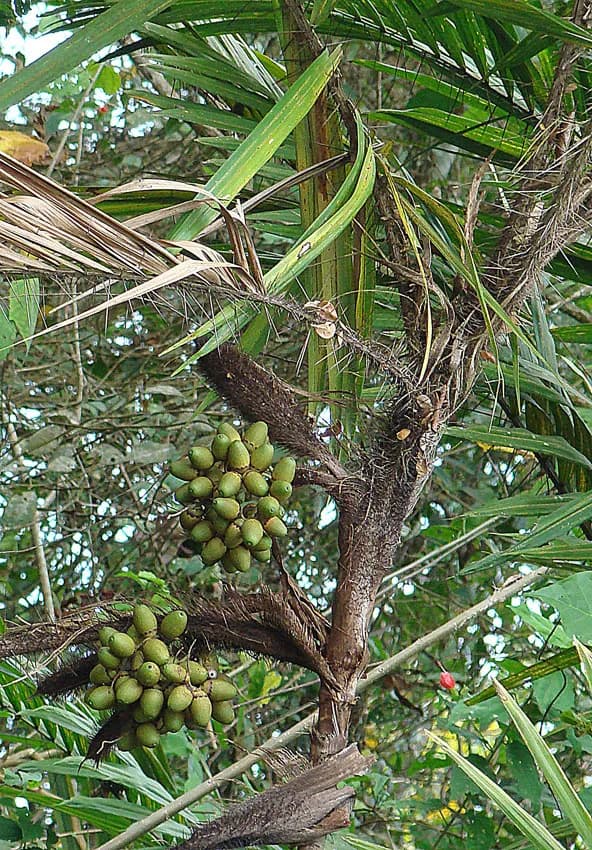
Botanical specimen of Bactris Major.
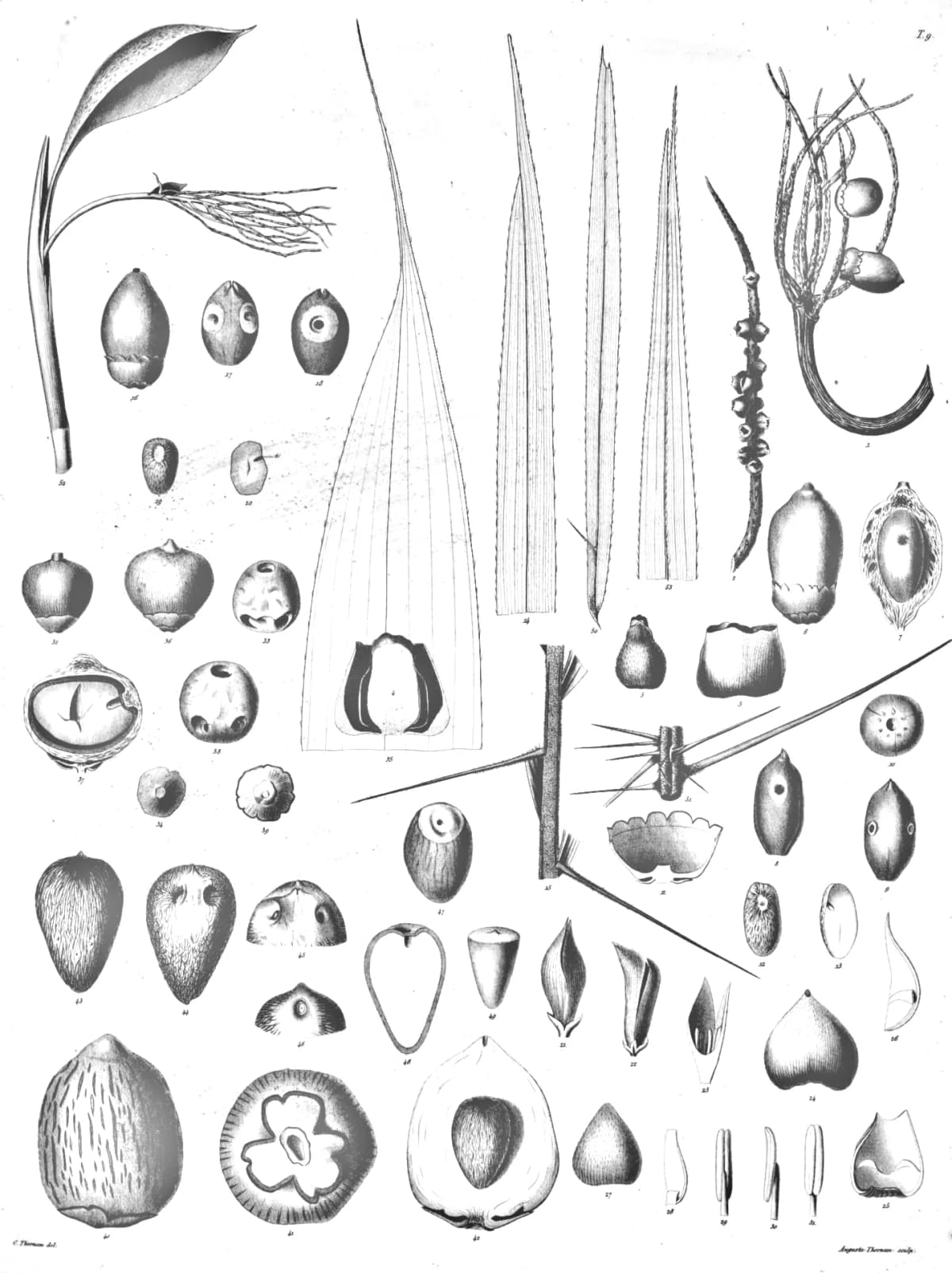
Botanical specimen of Bactris Major.
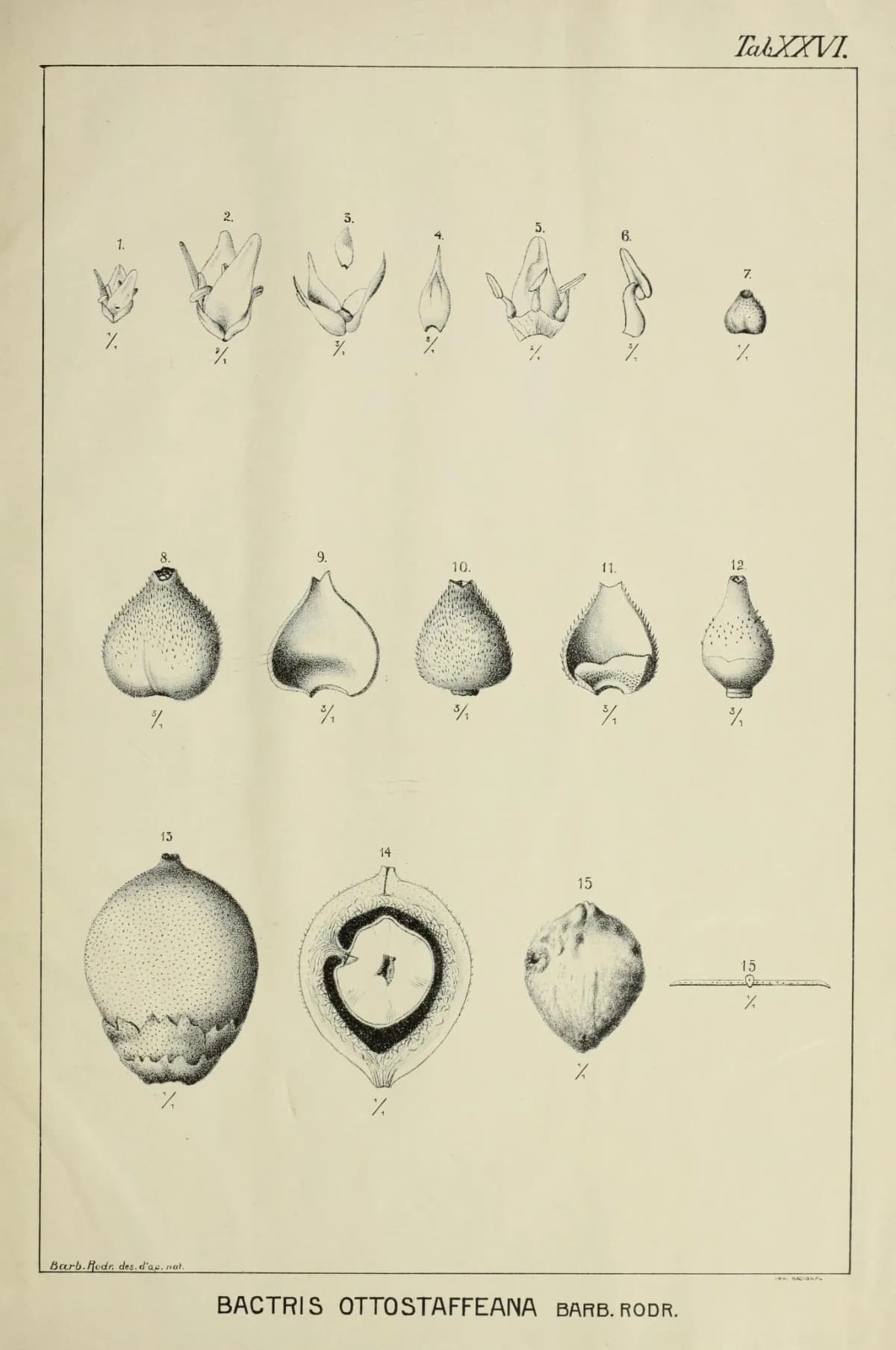
Botanical specimen of Bactris Major.