Bismarck Palm
Bismarckia Nobilis • Silver Bismarck
Bismarck Palm in Motion
The Essence
"The Bismarck Palm (Bismarckia nobilis), also spelled Bismark Palm and known in Malagasy as Satrana, is one of the most striking fan palms in cultivation. A solitary, single-trunked species, it is prized as a dramatic ornamental landscape palm for its huge, nearly rounded costapalmate fronds, which span over 3 m and are typically a silvery-blue to silver-green (a lighter olive-green variety also exists). In its native Madagascar it can top 25 m, while in cultivation it usually stays no taller than about 12 m, the stout gray-to-tan trunk ringed by old leaf scars and slightly swollen at the base. Bismarckia is a monotypic genus, first published in 1881, and is dioecious, so male and female flowers occur on separate plants. Endemic to northern and western Madagascar, it grows in open grassland and savanna. Gardeners value its toughness: it is highly drought tolerant once established and thrives in full sun, though it is tender, hardy only to about 30 F (-1 C) in USDA zone 10A."
The genus Bismarckia is named after Otto von Bismarck, the first chancellor of the German Empire, while the species epithet nobilis is Latin for "noble."
In Madagascar the palm is used locally for food, including its leaves and edible pith, as well as for timber.
Natural Habitat
Bismarckia nobilis is endemic to northern and western Madagascar and has been introduced into the Comoros. It grows in open grassland and savannas of low grass in the seasonally dry tropical biome, usually on lateritic soil, occurring from sea level up to about 800 m across the plains, plateaus and central highlands. It is widespread and common in the north and west of Madagascar.
Curated Specimens
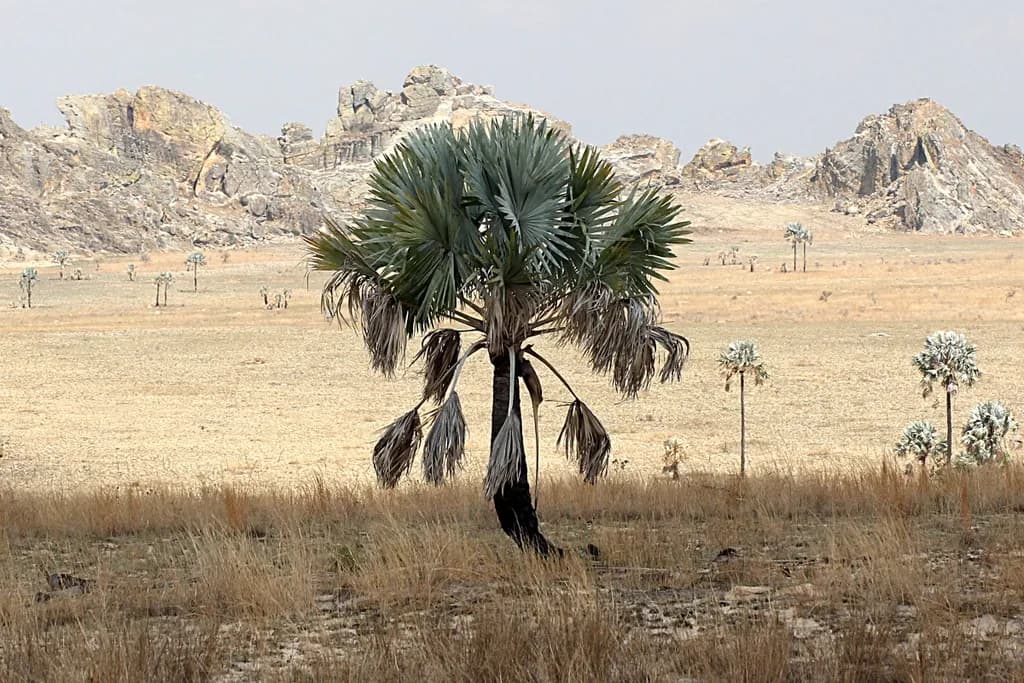
Botanical specimen of Bismarckia Nobilis.
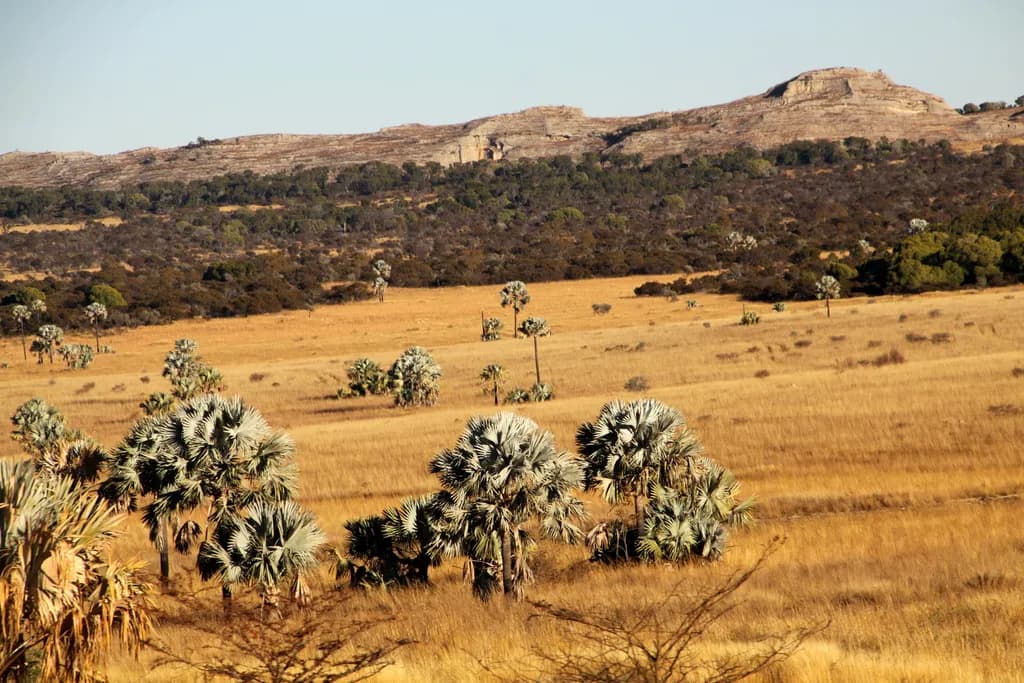
Botanical specimen of Bismarckia Nobilis.
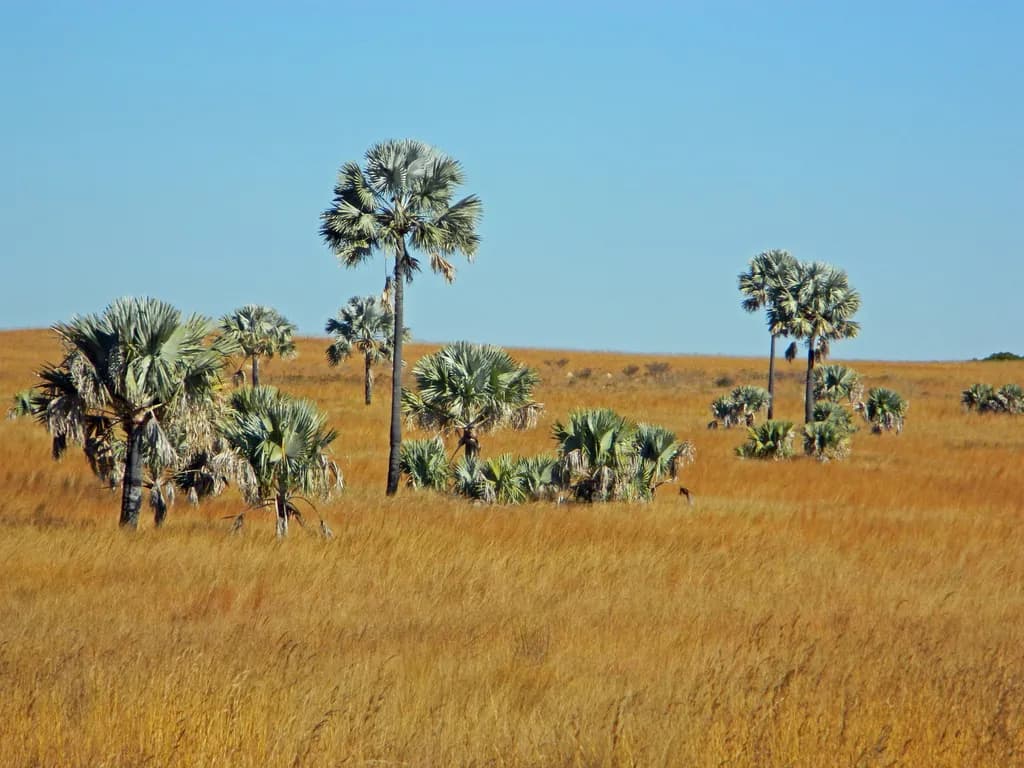
Botanical specimen of Bismarckia Nobilis.
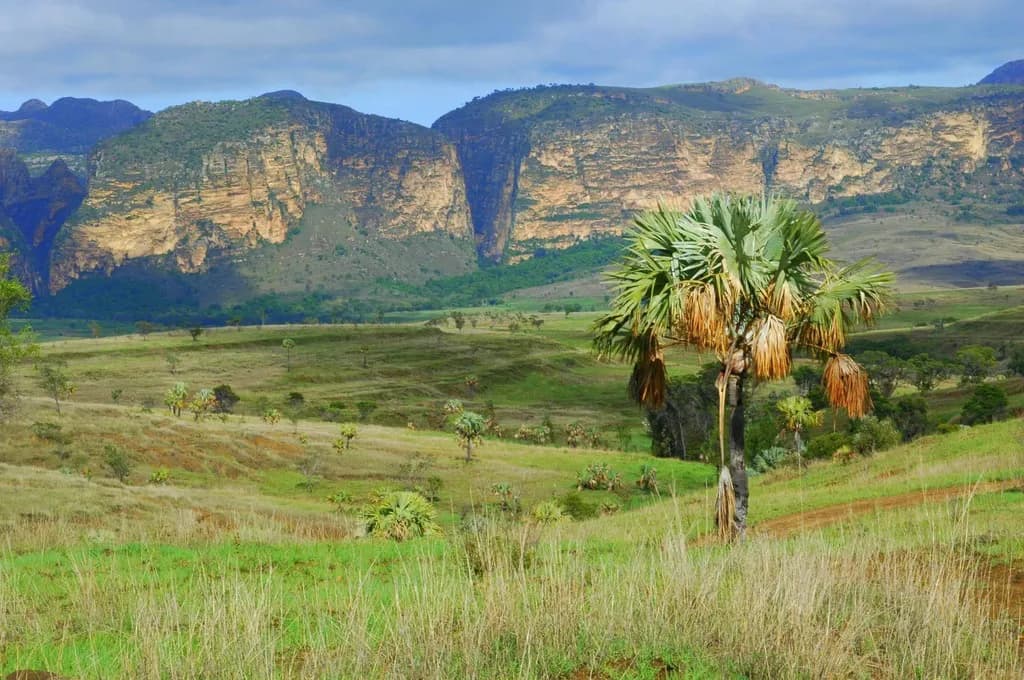
Botanical specimen of Bismarckia Nobilis.
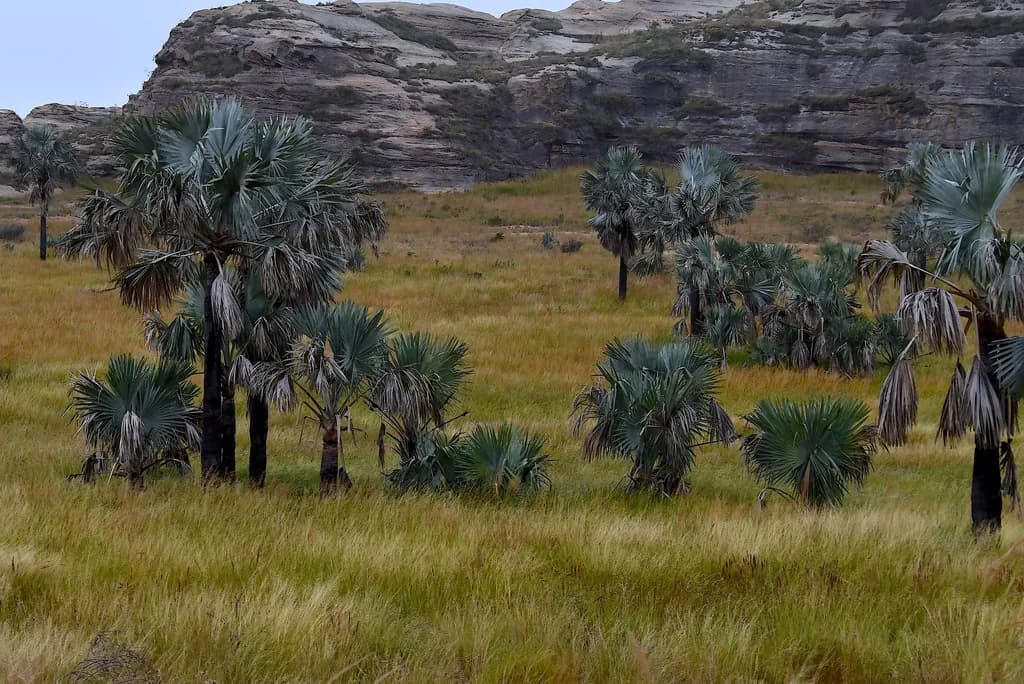
Botanical specimen of Bismarckia Nobilis.