Jelly palm
Butia Capitata • Pindo palm
Jelly palm in Motion
The Essence
"Butia capitata, the Jelly palm or Pindo palm, is a feather-leaved (pinnate) palm prized as an ornamental for its arching, grayish-green fronds that curve gracefully inward toward a short, stout trunk. It produces showy, fragrant yellowish flowers, followed by rounded yellow-to-orange fruits about the size of a large cherry. The sweet, edible pulp is its claim to fame, made into jellies, juices, marmalades, liquor and even ice-cream. True B. capitata is native to Brazil, described from montane grasslands near the Serra de Santo Antonio in Minas Gerais. A crucial caveat: almost every palm grown worldwide as Butia capitata is actually Butia odorata, a long-standing mix-up. That distinction matters for hardiness. The cultivated jelly palm (B. odorata) has a reputation as one of the hardiest feather-leaved palms, but the genuine B. capitata is a more tropical species that, by several accounts, is not notably hardy. If you are buying a robust, cold-tolerant jelly palm, you are most likely getting B. odorata rather than the true species."
According to Wikipedia, the genus name Butia is derived from a Brazilian vernacular word for members of the genus. The specific epithet capitata is botanical Latin (from capitatus) meaning 'having a head' or 'formed into a dense head'.
The name Butia capitata has long been applied to the jelly palm in cultivation, but NC State Extension states plainly that the commonly grown plant has been mistakenly called B. capitata and is in fact Butia odorata; the true B. capitata is a more tropical species that is rare in cultivation.
Natural Habitat
Native to Brazil. Plants of the World Online (Kew) gives the native range as Brazil Northeast, Brazil Southeast and Brazil West-Central (Bahia, Goias and Minas Gerais), and notes it grows primarily in the seasonally dry tropical biome. Wikipedia specifies the species is native to the states of Minas Gerais and Goias, and was described from montane grasslands near the Serra de Santo Antonio in Minas Gerais.
Curated Specimens
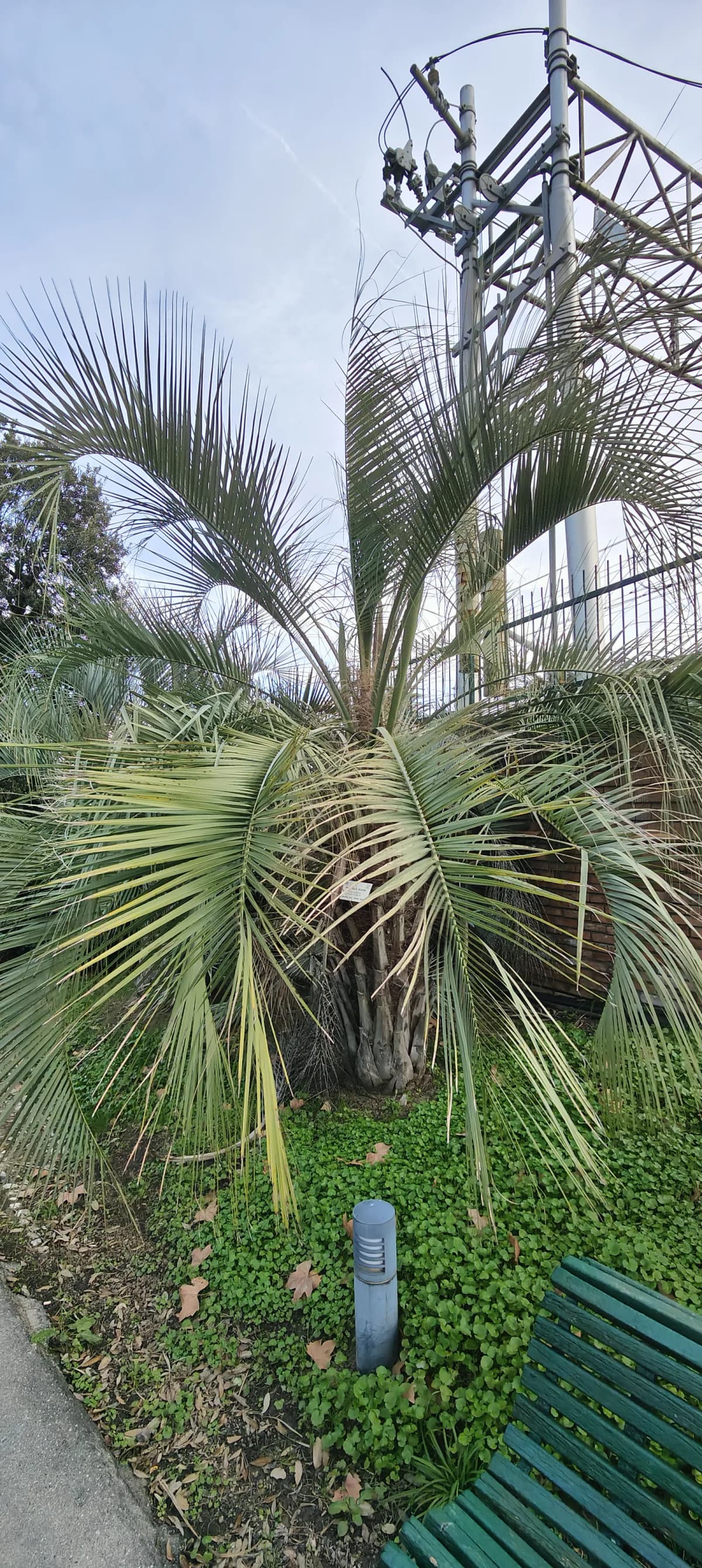
Botanical specimen of Butia Capitata.
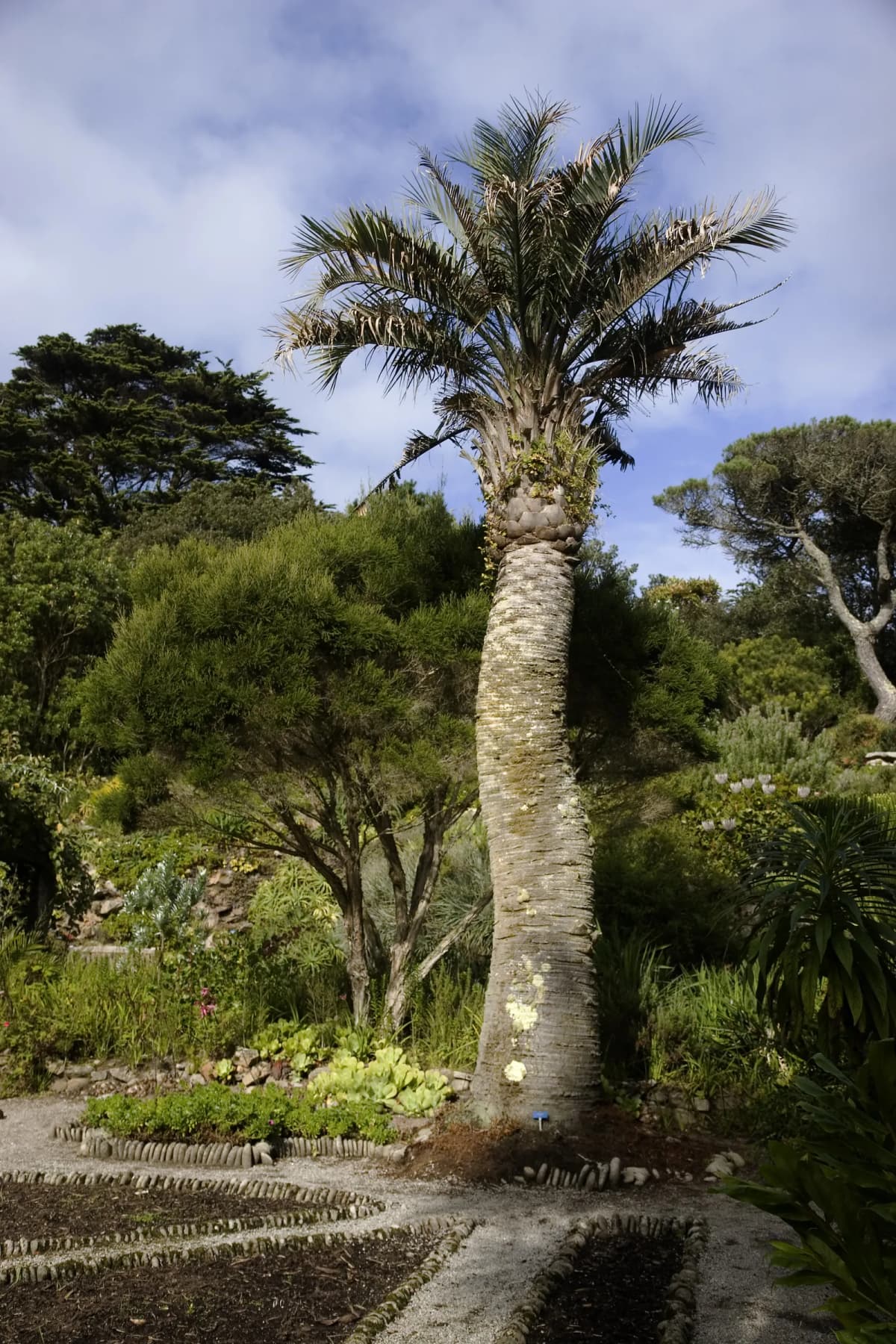
Botanical specimen of Butia Capitata.
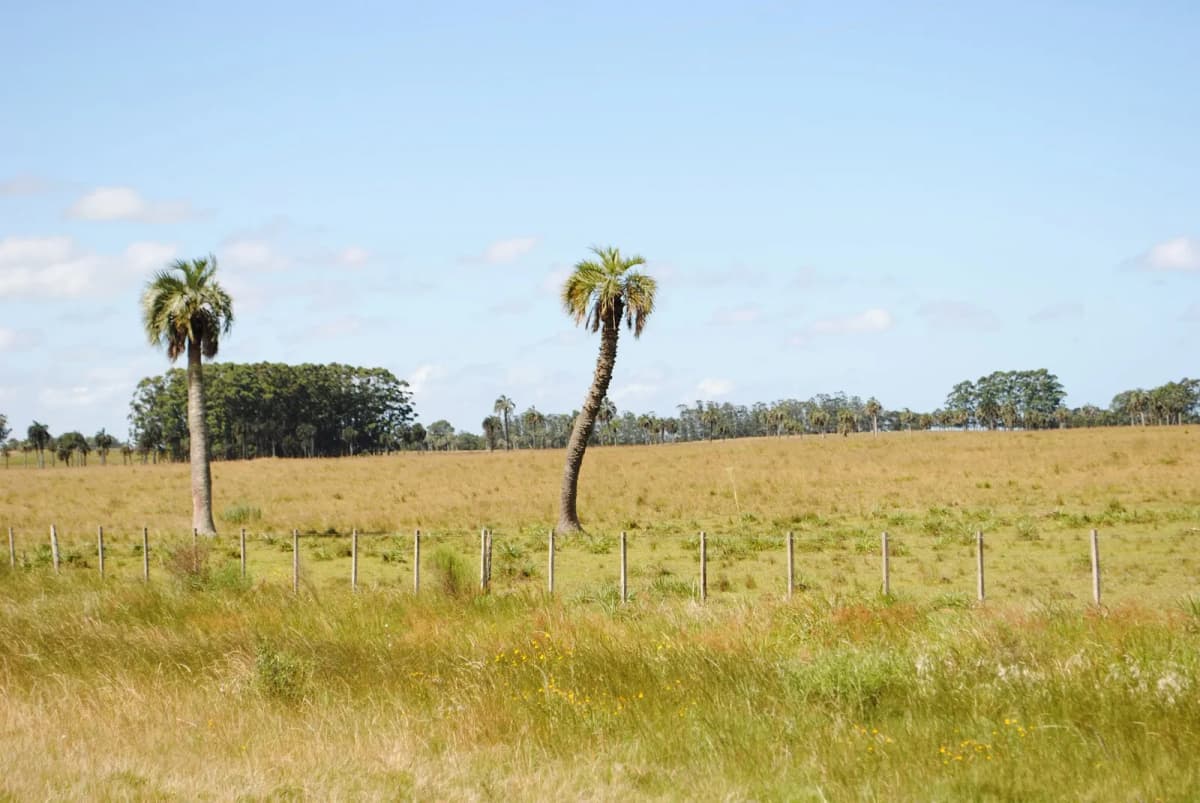
Botanical specimen of Butia Capitata.
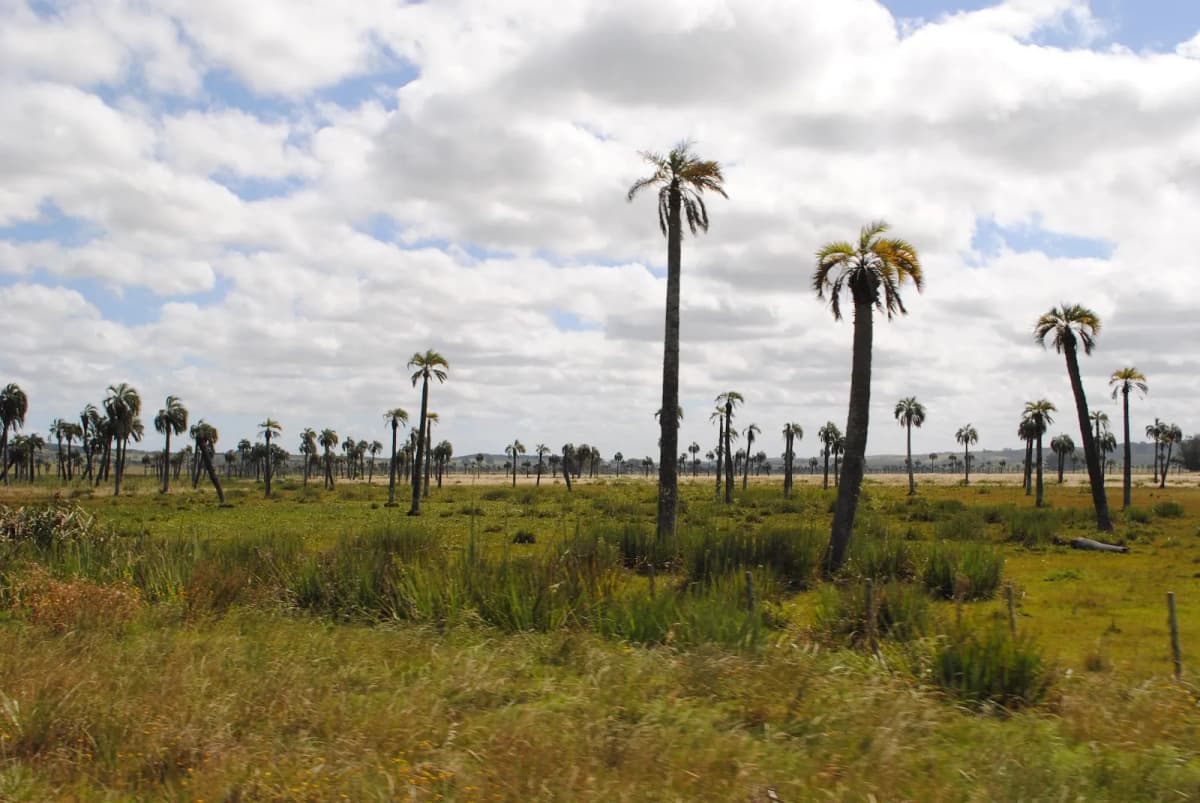
Botanical specimen of Butia Capitata.