Carpoxylon palm
Carpoxylon Macrospermum • Aneityum palm • Nohoej • Nibaglou • Ninuvusa
Carpoxylon palm in Motion
The Essence
"Carpoxylon macrospermum is a solitary, emergent rainforest palm and the only species in its genus, endemic to the southernmost islands of the Vanuatu archipelago — Tanna, Futuna and Anatom (Aneityum). Natural stands are extremely rare; most known plants grow near dwellings and smallholdings, and cultivated, semi-naturalised individuals have been recorded on Espiritu Santo, Malekula, Paama and Efate. It is a very tall palm, cited at over 25 m, with a thickened bottle-shaped trunk base, a long columnar green crownshaft and strongly arching pinnate leaves, and it carries unusually large fruit about 7 cm long containing a single big seed enclosed in a thick woody endocarp. The IUCN assessed it as Critically Endangered under criterion D in 1998, an assessment still flagged as needing updating; the Merwin Conservancy cites approximately 40 trees left in the wild, while the Monaco Nature Encyclopedia gives a count of 32 adult individuals. The recorded threats are deforestation for agriculture and possible loss of the seed dispersal agents. In Vanuatu the stem is used as building material, the leaflets for roofing in the same way as coconut, the roots in the preparation of remedies, and the immature green fruit are eaten. The cultivated village palms are regarded as informal ex situ conservation collections that likely hold significant reserves of genetic diversity."
Carpoxylon combines the Greek carpo- (fruit) and xylon (wood), referring to the thick woody endocarp that encloses a single seed, notable for the pale streaks on its seed coat. The epithet macrospermum derives from Greek words meaning large and seed, i.e. large-seeded. The species was published by H. Wendland and Drude in Linnaea 39: 177 (1875).
Known only from that 1875 publication — which included illustrations of the fruit and seed but gave the locality simply as 'New Hebrides' — the palm long remained an enigma for palm botanists: even the original specimens were lost, and its evolutionary affinities and place in the palm family were unknown. John Dowe serendipitously rediscovered the species in 1987 on Espiritu Santo, outside the natural range, and the original specimen was subsequently found misfiled in the Natural History Museum, London, as a Veitchia. No species-specific protected areas exist, but like all native Arecaceae it is protected by law in Vanuatu and the Vanuatu Environment Unit has classed it high priority; a Fondation Franklinia project (2020–2023), granted to the New York Botanical Garden, ran a pilot in-situ programme at three sites that together comprise 60% of the known wild individuals.
Natural Habitat
Recorded from lowland rainforest in the wet tropical biome — riverine and coastal forest on well-drained, moist, rich soils, often on valley slopes. Seedlings tend to grow close to the mother trees among the forest undergrowth, on ground well furnished with leaf litter and humus. Ecological knowledge is limited: it rests on observations of dubiously native palms growing in semi-natural situations in Vanuatu, and nothing is recorded about pollination or fruit dispersal. The fruits are a food source for coconut crabs (Birgus latro) and flying foxes (Pteropus anetianus), and seedlings have been noted emerging from coconut-crab burrows beneath the parent palms.
Curated Specimens
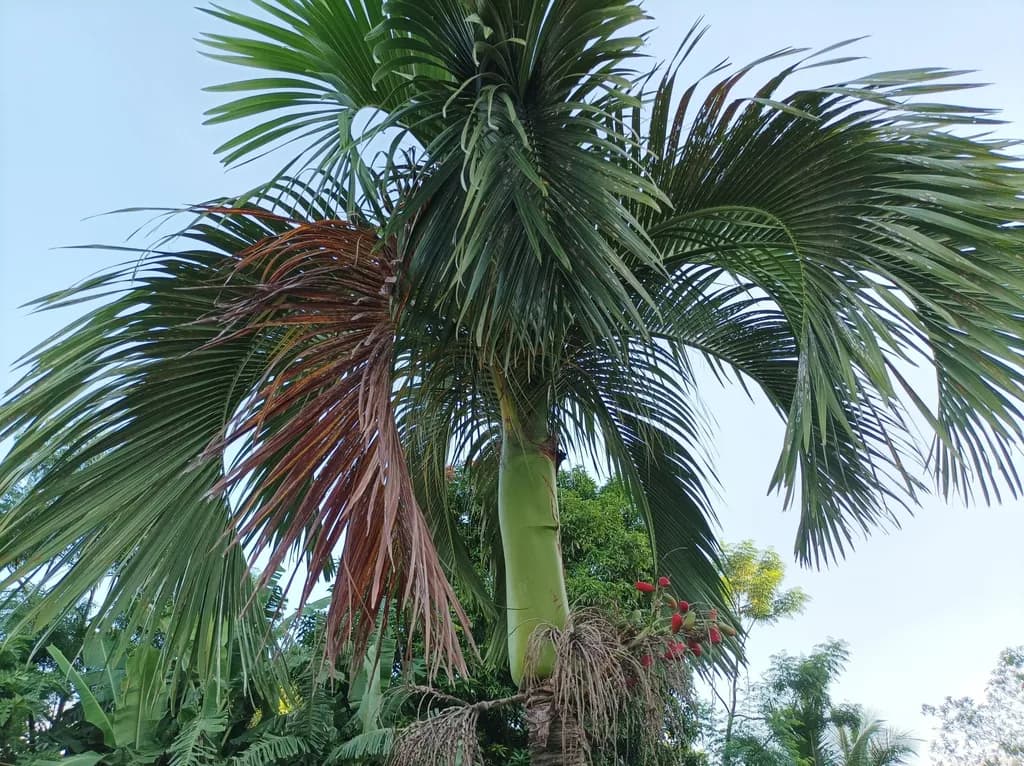
Botanical specimen of Carpoxylon Macrospermum.
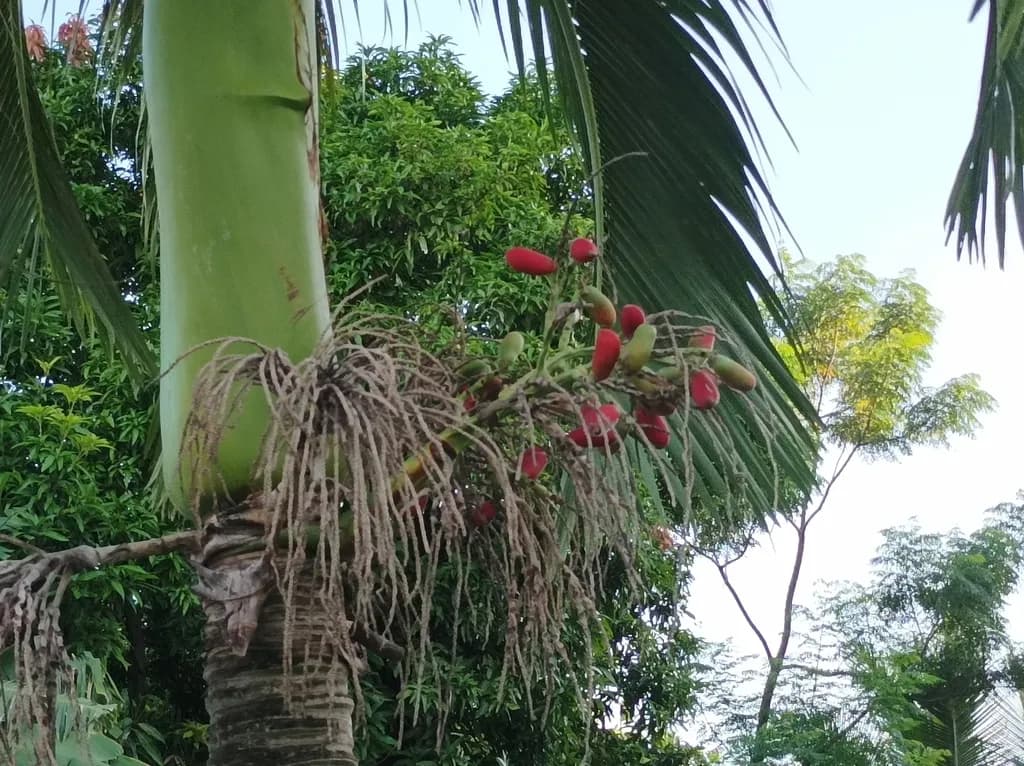
Botanical specimen of Carpoxylon Macrospermum.
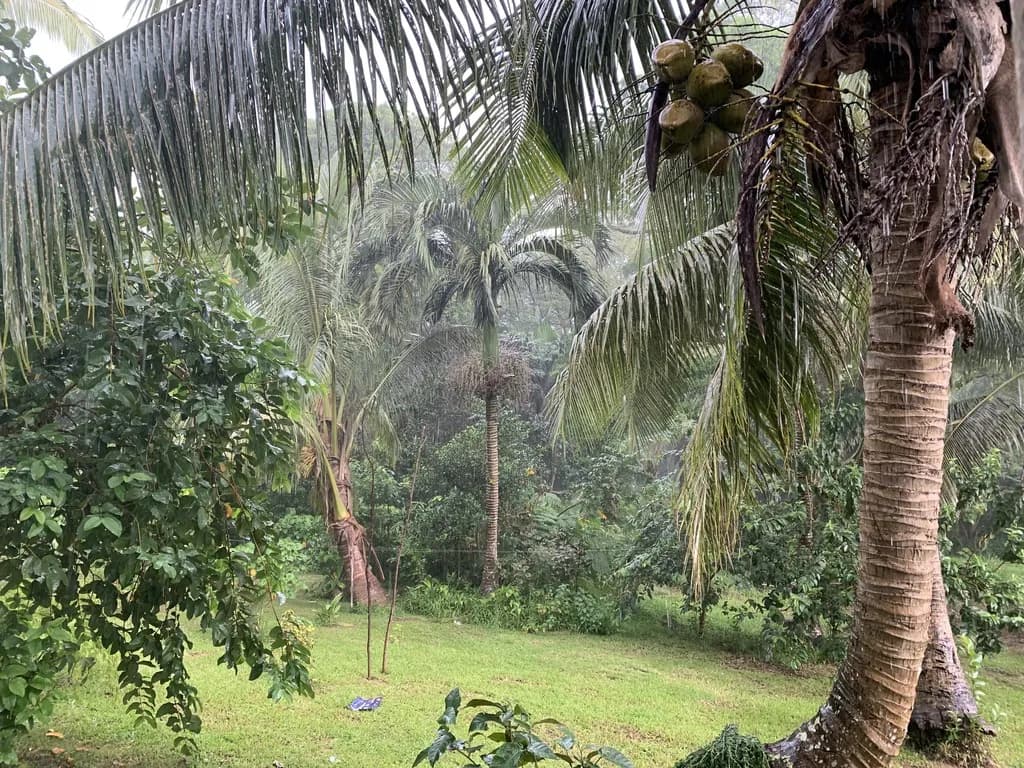
Botanical specimen of Carpoxylon Macrospermum.
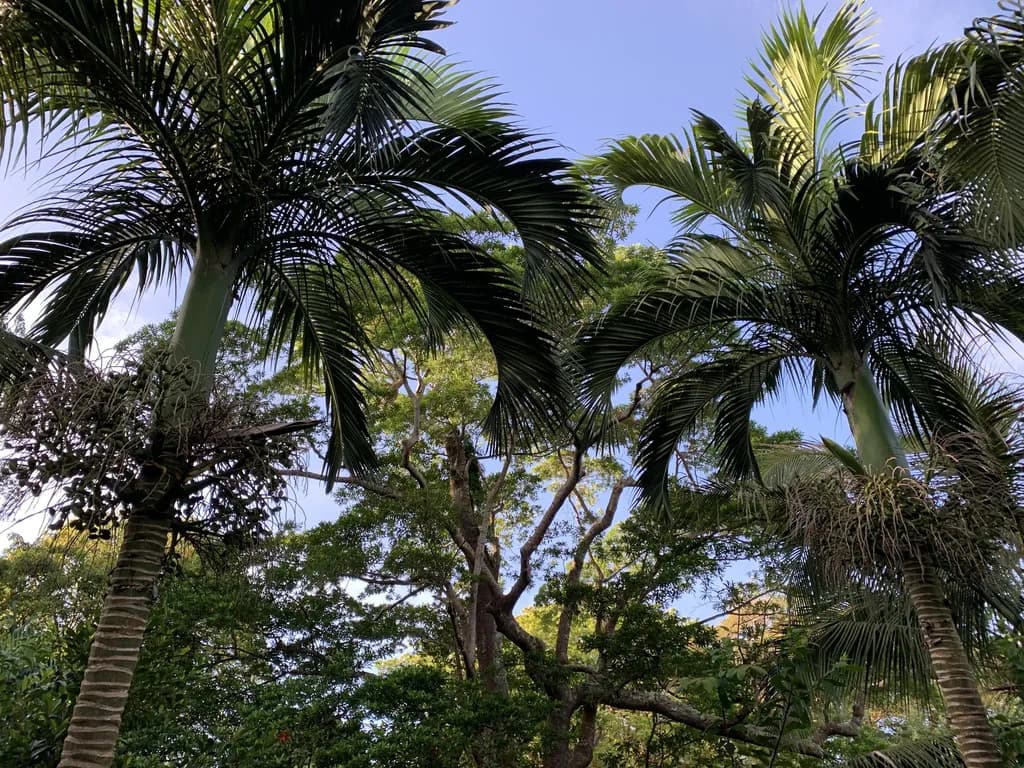
Botanical specimen of Carpoxylon Macrospermum.
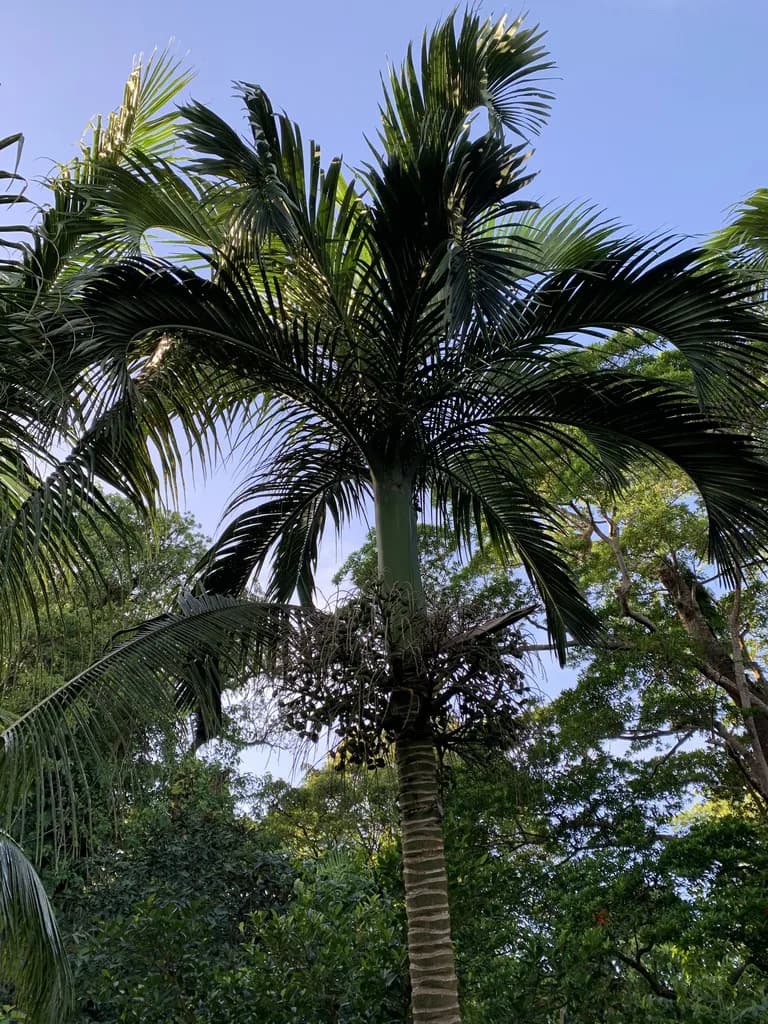
Botanical specimen of Carpoxylon Macrospermum.
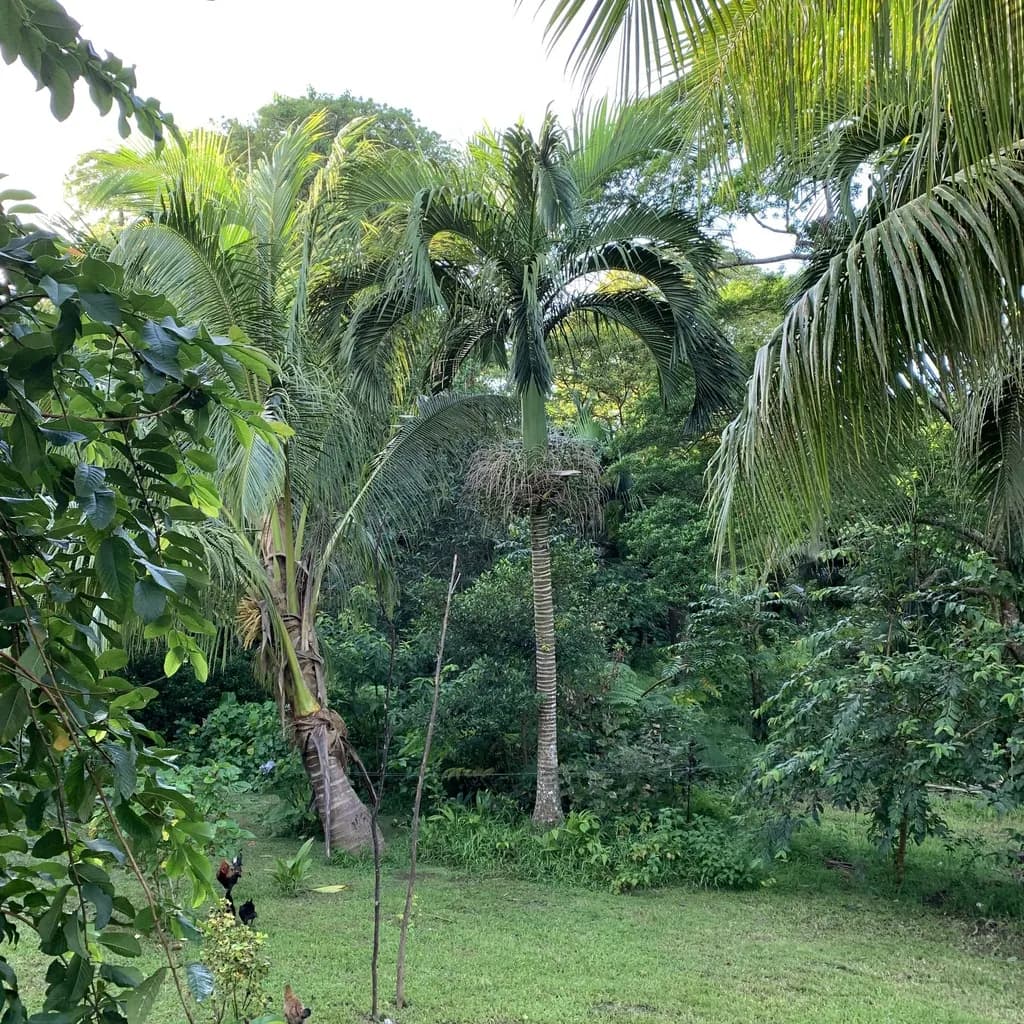
Botanical specimen of Carpoxylon Macrospermum.