Parlor Palm
Chamaedorea Elegans • Neanthe Bella Palm
Parlor Palm in Motion
The Essence
"The parlour palm (Chamaedorea elegans), also known as the Neanthe bella or good luck palm, is one of the most widely sold houseplant palms in the world. A small, slender palm native to the forests of Mexico, Belize, Guatemala and Honduras, it typically reaches 2-3 m tall (rarely 4-5 m) and forms green, ringed, bamboo-like trunks topped with arching, feather-shaped fronds. Its enduring popularity dates to the Victorian era, when it earned its 'parlour palm' name by surviving in dark, often unheated rooms. That tolerance of deep shade and low light is exactly why it still thrives indoors today, and it holds the RHS Award of Garden Merit. It can begin flowering when remarkably small, sometimes at just 30 cm tall, producing small light-yellow to orange-red flowers followed by pea-sized berries that ripen black. The species is tender and frost-sensitive (USDA Zones 10-12), so in cooler climates it is grown as a houseplant. It is also reported to be non-toxic to cats, dogs and horses."
The genus name Chamaedorea comes from the Ancient Greek chamai ('on the ground', meaning low or dwarf) and dorea ('gift'), a reference to the plant's low stature and its easily reached, low-hanging fruits. The species epithet elegans is Latin for 'elegant'.
A classic Victorian-era parlour palm, it was prized because it could survive in the dark, often unheated rooms of the period, and remains one of the most extensively sold houseplant palms in the world.
Natural Habitat
Native from Mexico to Honduras, occurring across southern and eastern Mexico, Belize, Guatemala and Honduras. It is a shade-loving understorey shrub of tropical forest; Plants of the World Online places it primarily in the seasonally dry tropical biome, while other sources describe it as a plant of southern Mexican and Guatemalan rainforest.
Curated Specimens
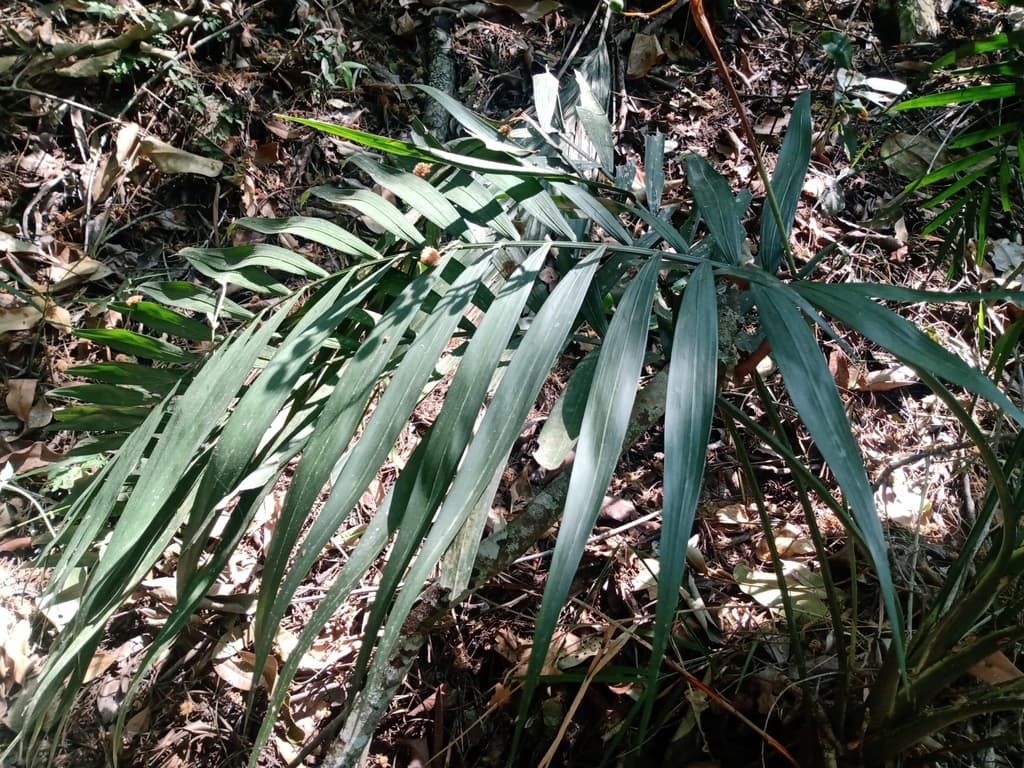
Botanical specimen of Chamaedorea Elegans.
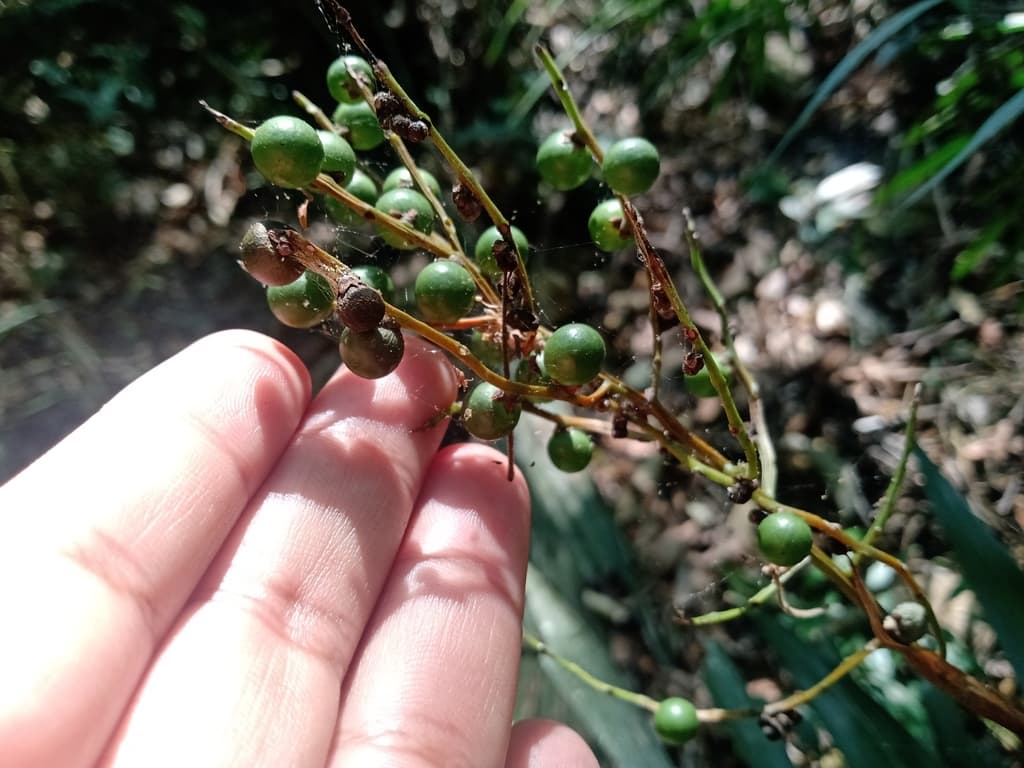
Botanical specimen of Chamaedorea Elegans.
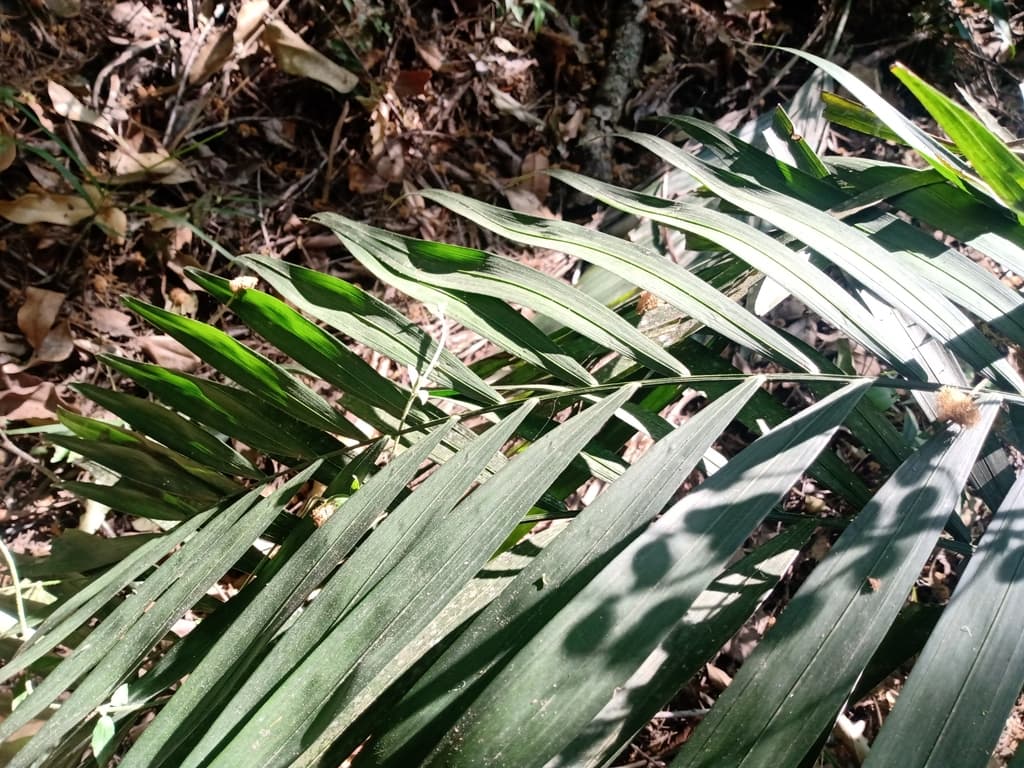
Botanical specimen of Chamaedorea Elegans.
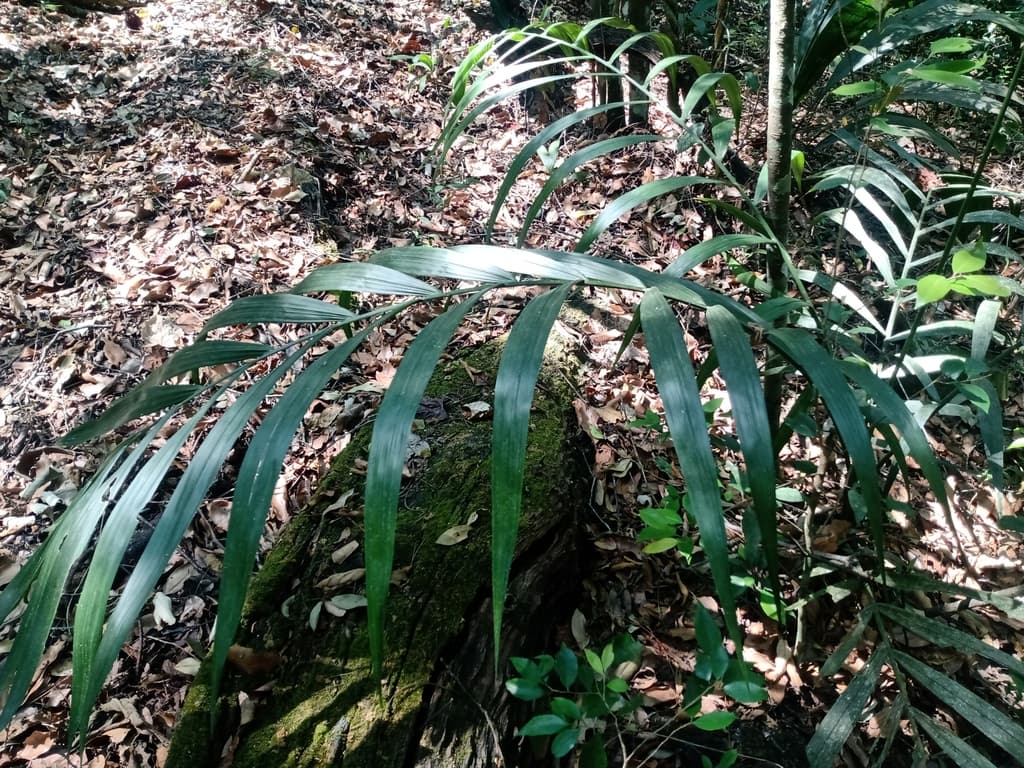
Botanical specimen of Chamaedorea Elegans.
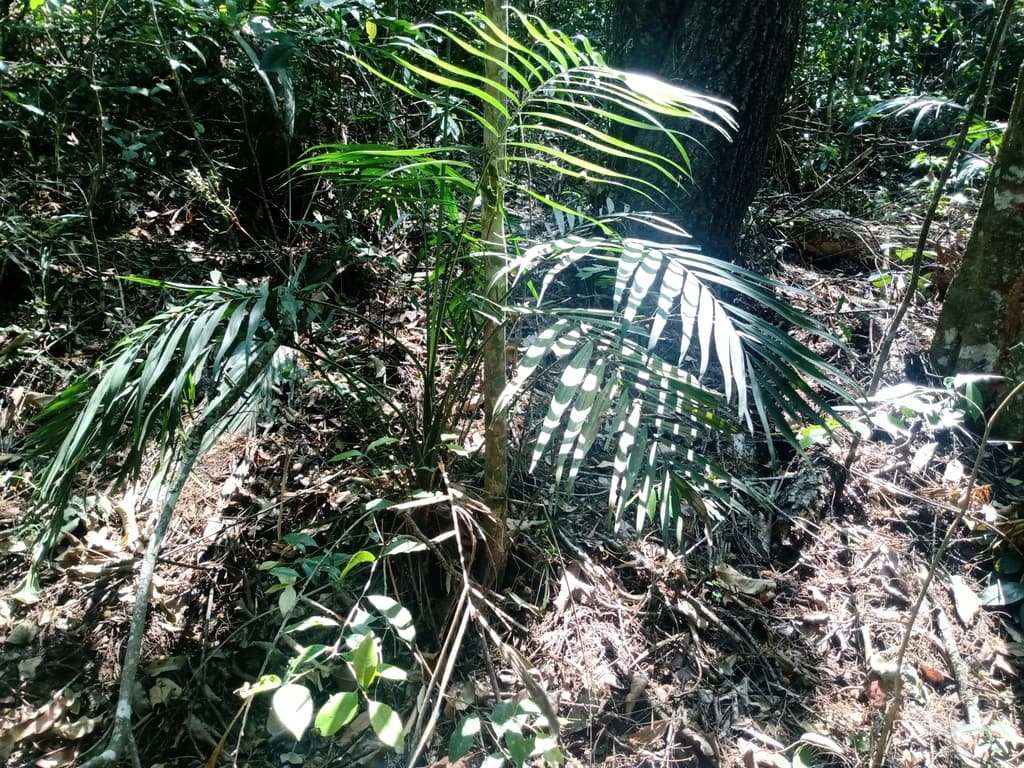
Botanical specimen of Chamaedorea Elegans.
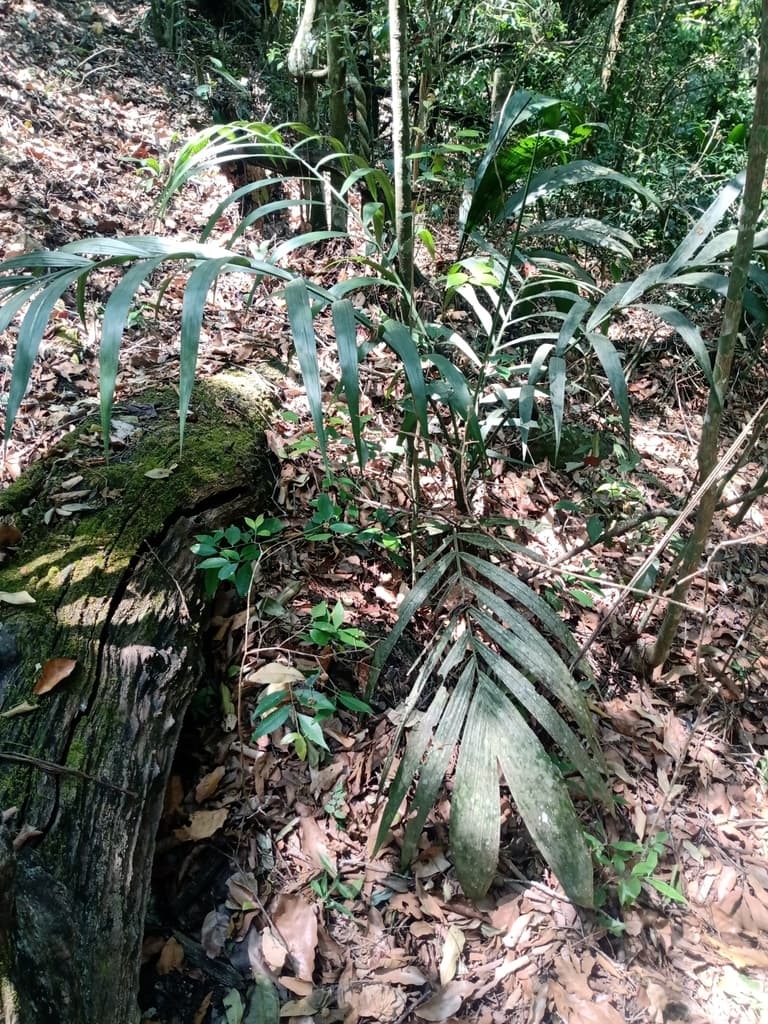
Botanical specimen of Chamaedorea Elegans.
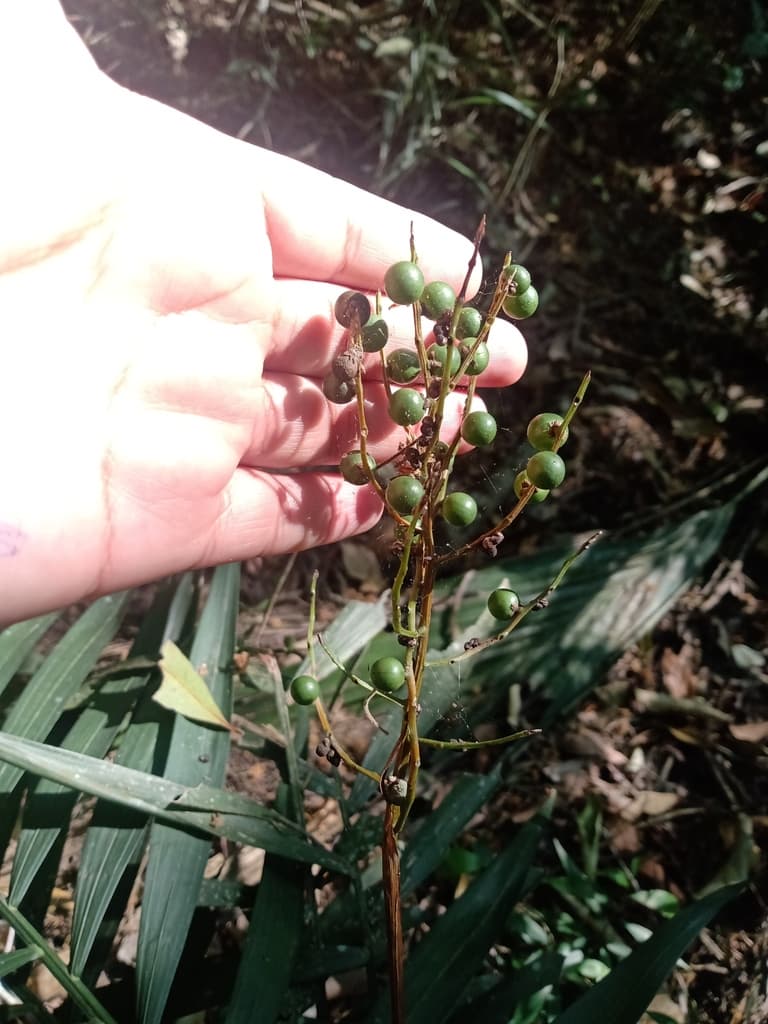
Botanical specimen of Chamaedorea Elegans.
Biology & Morphology
"A small palm with slender, green, ringed, bamboo-like trunks and arching pinnate fronds of roughly 11-20 narrow leaflets, bearing small light-yellow to orange-red flowers (it is dioecious) followed by pea-sized fleshy berries that ripen black."
Morphology
Multi-stemmed clumping architecture with slender, clustering canes exhibiting high tensile strength.
Adventitious root system spreading radially to maximize hydraulic intake in competitive soil matrices.
Distinctive shrubby/clumping habit and dwarf stature providing a unique architectural profile.
Foliage
Vibrant green canopy featuring feather-like pinnate fronds with reinforced midribs and high surface-area leaflets.
Specialized green tissues exhibiting moderate metabolic expansion rates.
Reproduction
Complex inflorescence branching typical of the Chamaedorea clade, exhibiting seasonal reproductive synchrony.
Nutrient-dense drupes encased in a fibrous pericarp, optimized for protection and dispersal.
Dormant embryonic tissues with high endosperm density, characteristic of resilient Chamaedorea specimens.
Ecology
Active rhizosphere communication with mycorrhizal fungal networks, enhancing phosphorus and micronutrient uptake.
Interlocked with local entomological vectors, primarily Meliponini bees or specialized coleoptera.
Gravity-mediated and animal-vectored dispersal mechanisms ensuring regional genetic distribution.
Germination & Propagation
Germination Timeline
Hydration soak.
Incubation in moist media.
Sprout emergence.
Authoritative botanical sources do not give verified germination temperature or timing figures, so these are not stated here.
Cultivation & Care
Light
Grow in part shade to full shade; indoors it prefers bright indirect light but tolerates low light, making it well suited to north- or east-facing windows. Avoid direct sun.
Water
Moderate, medium water needs. Use well-drained soil and let it dry slightly between waterings; it tolerates short dry spells but looks lusher in consistently moist soil.
Soil
Plant in rich, moist, well-drained soil, or a peaty, soil-based, humus-rich potting mix indoors. It grows in acid to neutral soils (about pH below 6.0 up to neutral) and copes with chalk, clay, loam and sand provided drainage is good.
This is a tender, frost-sensitive palm (USDA Zones 10-12; RHS H1a, needing temperatures above 15 C), so in cooler climates it must be grown as a houseplant or under glass year-round. Note also that juice from the fruit may cause skin irritation (contact dermatitis) in sensitive people.
Pests, Diseases & Care
Pests
Brassolis sophorae (Coconut Caterpillar)
MODERATEDefoliation of pinnate leaflets, reducing photosynthetic capacity.
Manual removal and application of Bacillus thuringiensis (Bt).
Coraliomela brunnea (Leaf Miner)
LOWNecrotic galleries in young leaves, particularly in spiny species.
Targeted contact insecticides during peak emergence.
Diseases
Thielaviopsis punctulata (Black Scorch)
HIGHBlackening and dwarfing of newly emerging fronds.
Wound protection and application of thiophanate-methyl.
Phytophthora palmivora (Bud Rot)
CRITICALNecrosis of the spear leaf and decay of the meristem.
Fosetyl-Al application and optimizing canopy ventilation.
Nutritional Deficiencies
Interveinal chlorosis (Younger fronds)
Chelated Fe-EDDHA Soil Pulse
Marginal chlorosis (Older fronds)
Mg-Sulfate (Kieserite) saturation
Frizzletop / Distorted spear
Systemic Mn-Sulfate application
Care Tips
Biosurveillance pulse synchronized for America regional vectors.
Apply prophylactic fungicidal drench in the nocturnal phase.
Improve canopy ventilation to disrupt fungal sporulation cycles.
Sources & Conservation
Curated- Chamaedorea elegans Mart. | Plants of the World Online | Kew Science · accessed 2026-06
- Chamaedorea elegans - Wikipedia · accessed 2026-06
- Chamaedorea (genus) - Wikipedia (etymology) · accessed 2026-06
- Chamaedorea elegans - Plant Finder | Missouri Botanical Garden · accessed 2026-06
- Chamaedorea elegans | North Carolina Extension Gardener Plant Toolbox (NC State) · accessed 2026-06
- Chamaedorea elegans (parlour palm) | RHS · accessed 2026-06