Hardy bamboo palm
Chamaedorea Microspadix • Bamboo palm • Palmilla • Tepejilote coralillo
Hardy bamboo palm in Motion
The Essence
"Chamaedorea microspadix is a clustering, dioecious palm endemic to eastern and central Mexico, and one of the hardiest members of its genus. It forms dense clumps of slender, cane-like green stems to about 3 m tall, the stems widely spaced within the clump, topped with spreading pinnate leaves. Female plants carry infrafoliar inflorescences whose rachillae turn orange and drooping as the small globose fruits ripen orange-red; Hodel called it one of the most handsome members of the genus for its clustering habit, velvety dark green leaves and showy fruit. Its horticultural importance rests on cold tolerance: it is among the very few palms that let a temperate garden carry a tropical look, and it is grown in California, Florida, Hawaii, Australia, Venezuela and Europe, though Hodel notes seed is handled commercially only to a somewhat limited extent and plants are just occasionally encountered in nurseries. It is most often confused with Chamaedorea seifrizii, but has greater spacing between the stems of a clump and red to orange-red fruit, where ripe C. seifrizii fruit is black. Named selections exist, including 'Improved' and 'Brentwood Select', the latter darker green and more tolerant of higher light. Because the species is dioecious, both a male and a female plant are needed to set fertile seed."
Chamaedorea comes from the Greek chamai, "on the ground", and dorea, "a gift", because the fruits are easily reached from the ground. The epithet microspadix combines micro, "little" or "small", with spadix, the flower stalk or inflorescence, in reference to the small inflorescences.
The American plant collector C.G. Pringle discovered the species in 1891 in Tamasopo Canyon, San Luis Potosi, Mexico. Max Burret described and named it in 1933, in Notizblatt des Botanischen Gartens und Museums zu Berlin-Dahlem 11: 734.
Natural Habitat
Moist to humid forest at middle elevations, usually on limestone; the Monaco Nature Encyclopedia gives 800-1500 m altitude on mainly calcareous soils. POWO assigns the species to the seasonally dry tropical biome. In the wild it often forms dense colonies in open forest.
Curated Specimens
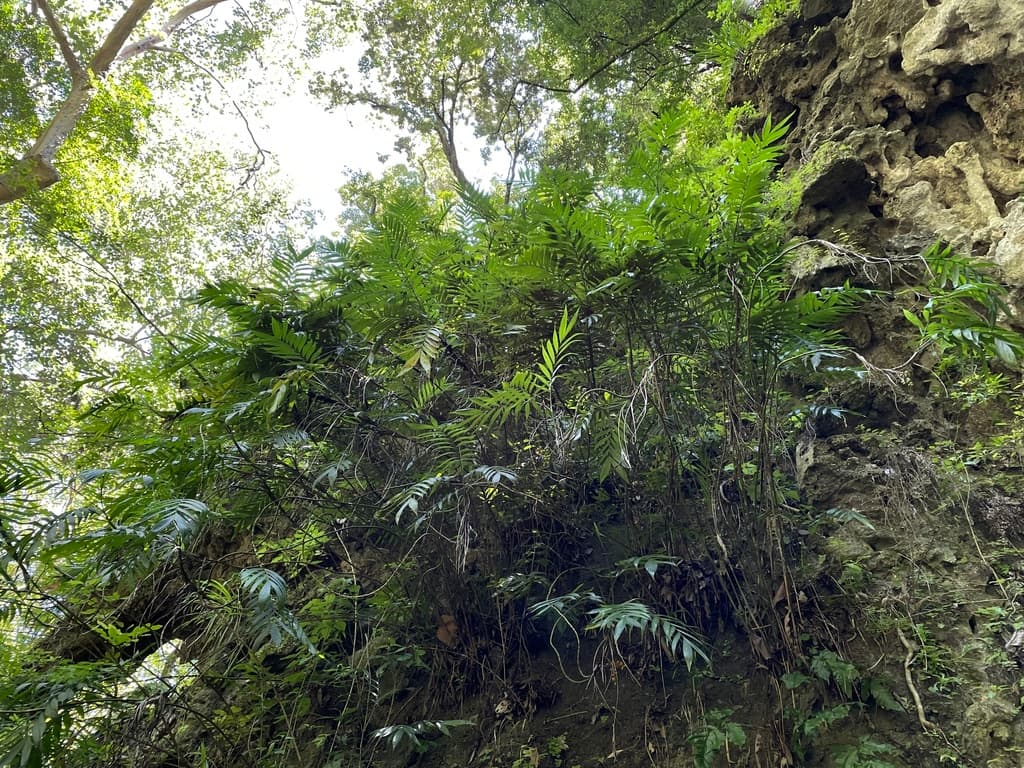
Botanical specimen of Chamaedorea Microspadix.
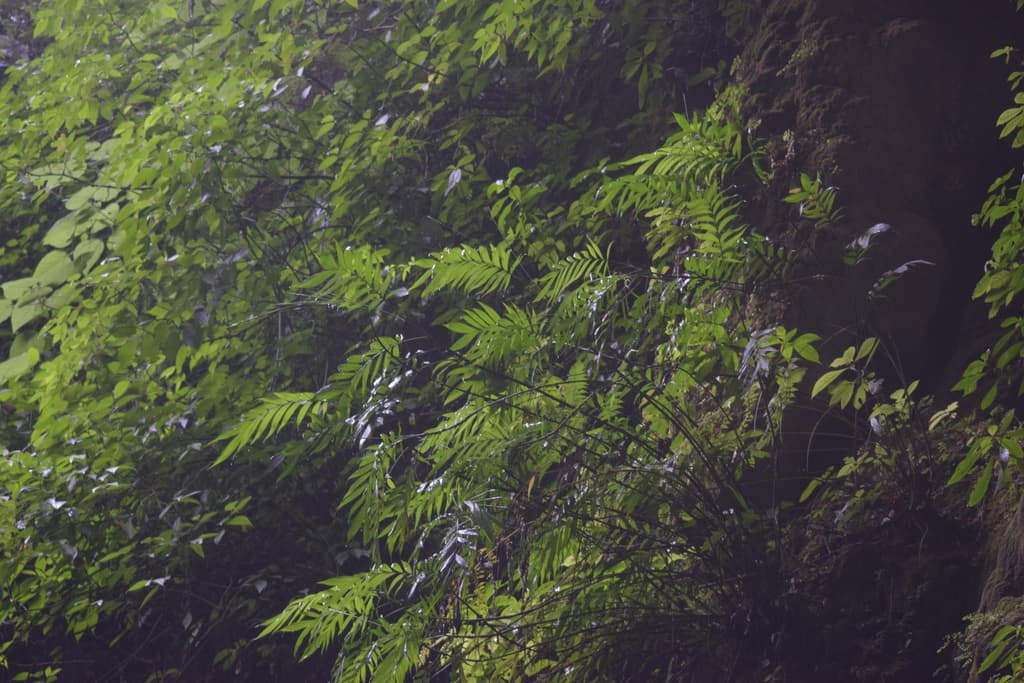
Botanical specimen of Chamaedorea Microspadix.
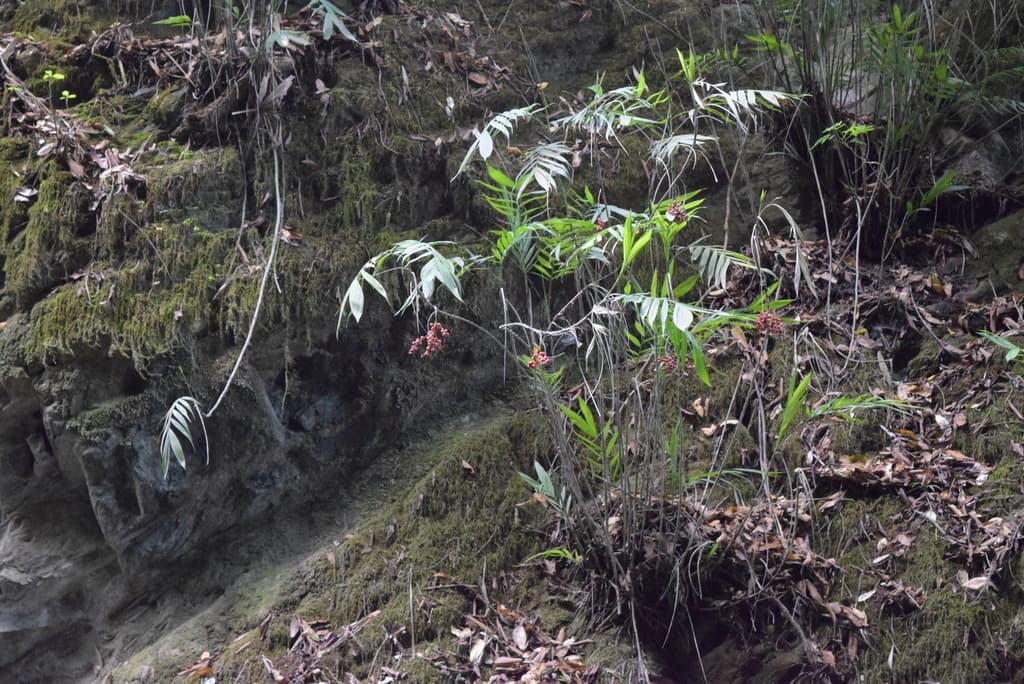
Botanical specimen of Chamaedorea Microspadix.
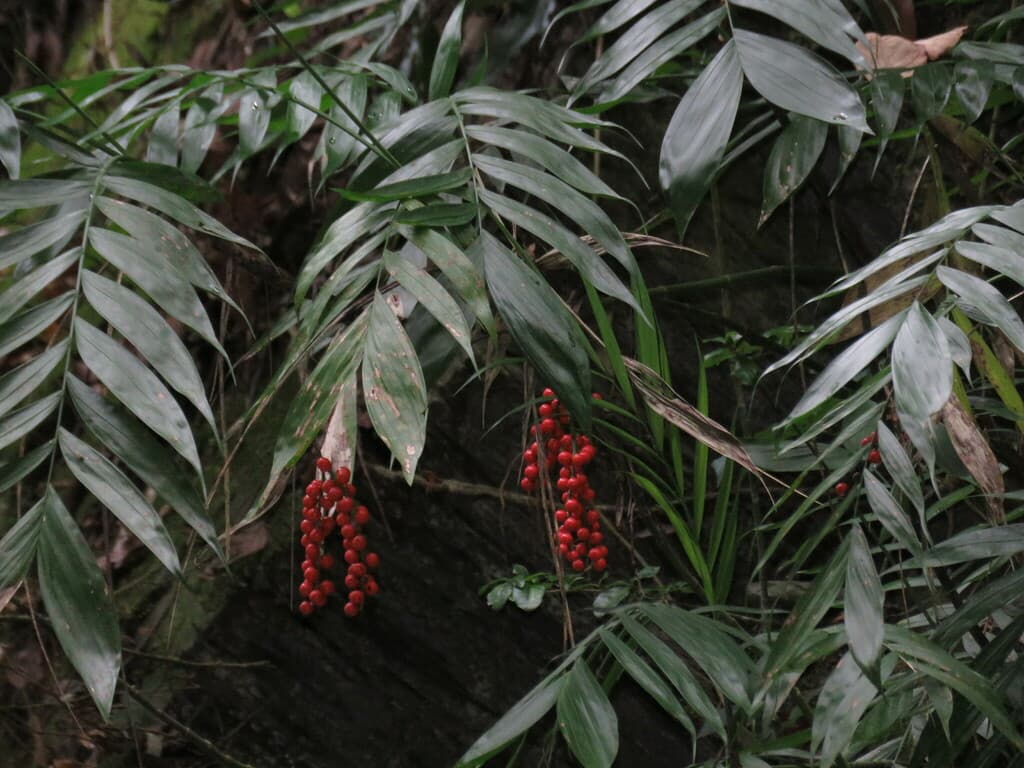
Botanical specimen of Chamaedorea Microspadix.
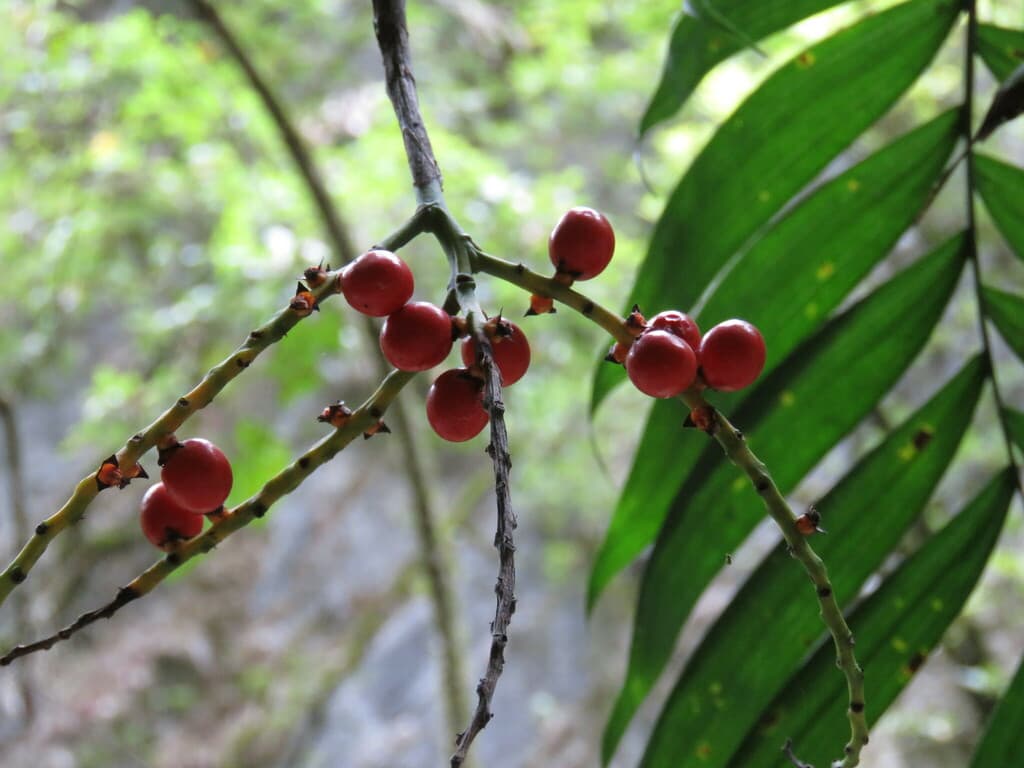
Botanical specimen of Chamaedorea Microspadix.
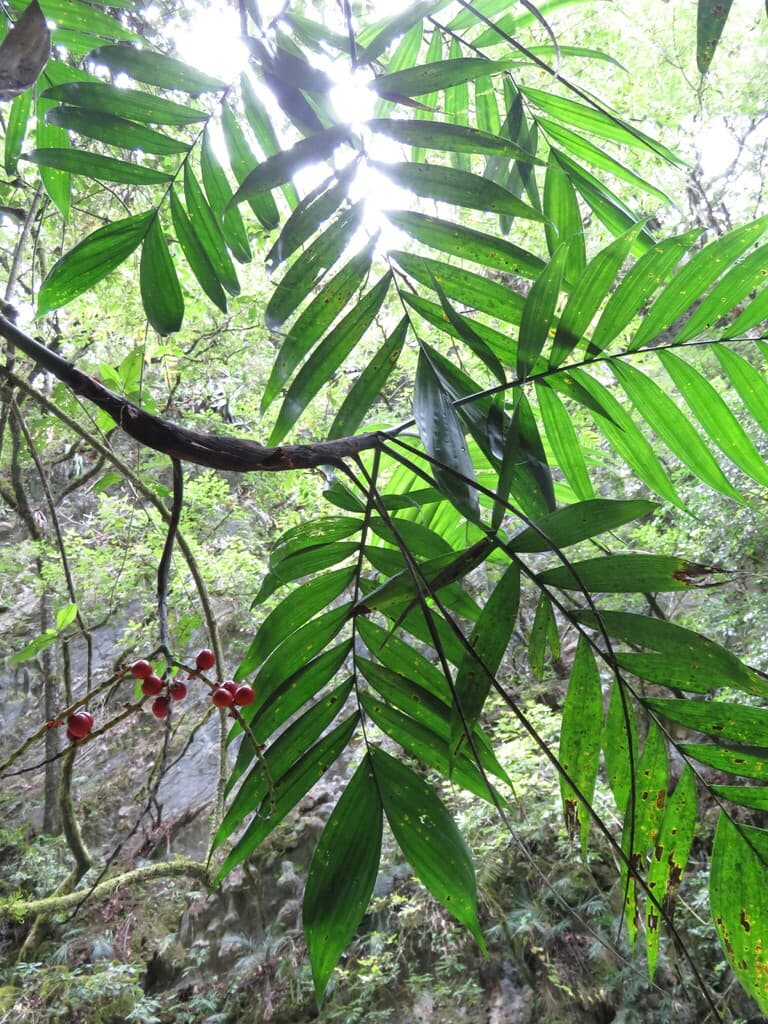
Botanical specimen of Chamaedorea Microspadix.