Hardy parlor palm
Chamaedorea Radicalis • Mexican parlor palm • Radicalis palm • Palmilla
Hardy parlor palm in Motion
The Essence
"Chamaedorea radicalis is a small understory palm of northeastern Mexico and the northernmost-occurring member of its genus. It is also the most cold-hardy: Hodel records it withstanding -5 to -7 °C without displaying any leaf damage, and that hardiness, combined with an unusual tolerance of both deep shade and near-full sun, explains why it is grown well outside the tropics. Plants are solitary and often appear stemless, with erect pinnate leaves and long-stalked inflorescences that seem to rise straight out of the ground; older plants may develop a green, ringed stem 3-4 m tall. The species is dioecious and wind-pollinated, and female plants carry fruit that ripens through yellow and orange to red. Economically it matters far more than its obscurity suggests. Its cut leaves are a non-timber forest product traded into the international floral-greenery market, and their harvest is an important source of income for communities inside the El Cielo Biosphere Reserve in Tamaulipas. That harvest has been studied unusually closely: Endress and colleagues (2004) recorded twelve harvesters in Alta Cima selling an average of 48,053 leaves a month, and found that after two years of treatment the replacement leaves were so much shorter that overall foliar yield fell by 48%, 54% and 68% where all marketable leaves were removed once, twice and four times a year respectively, concluding that leaf harvesting is not a stable source of income. Later work by Berry and colleagues modelled the population as a source-sink system, in which palms on rock outcrops, out of reach of browsing free-range livestock, supply enough seed to sustain the more heavily browsed forest-floor population. No IUCN Red List assessment for the species could be found; the Flora del Bajío calls it uncommon and vulnerable to extinction within its study area, and over-harvesting of the fronds is the threat the literature consistently identifies."
The genus name Chamaedorea combines the Greek chamai, on the ground, with dorea, gift. The epithet radicalis is a Latin adjective meaning basal or arising from the root stock, glossed by Hodel as a reference to the inflorescences or to the apparently stemless habit; the Flora del Bajío makes the same point, noting that in an acaulescent plant the inflorescence appears to emerge from the roots, and that this is the origin of the specific epithet.
Martius published the species in Historia Naturalis Palmarum 3: 308 in 1849, from material collected by Wilhelm Karwinski on the Atlantic slope of the Sierra Madre Oriental between 21 and 22 degrees north; the type is Karwinski s.n. at Munich. Watson described the same palm again as Chamaedorea pringlei in Proceedings of the American Academy of Arts 26: 157 (1891), from Pringle's collections, and it was grown under that name at Kew Gardens as early as 1900 before being reduced to synonymy. Nunnezharia radicalis (Mart.) Kuntze is a further synonym.
Natural Habitat
An understory palm of the Sierra Madre Oriental, growing in the shade of oak forest and strongly associated with limestone. Hodel reports it up to 1,000 m on limestone outcroppings, citing Moore's 1957 observations of plants under oaks in the mountains of Tamaulipas and Hidalgo; the Monaco Nature Encyclopedia gives a wider band of 200-1,600 m, often on calcareous soils. The Flora del Bajío, which additionally records the palm from Querétaro and Veracruz, describes it in northeastern Querétaro from montane cloud forest, oak forest, pine-oak forest and tropical subdeciduous and deciduous forest at 250-1,300 m. Much of the research literature comes from montane cloud forest in the El Cielo Biosphere Reserve, Tamaulipas, where the palm occupies two very different substrates, rock outcrops and the forest floor, and female reproductive success differs between them.
Curated Specimens
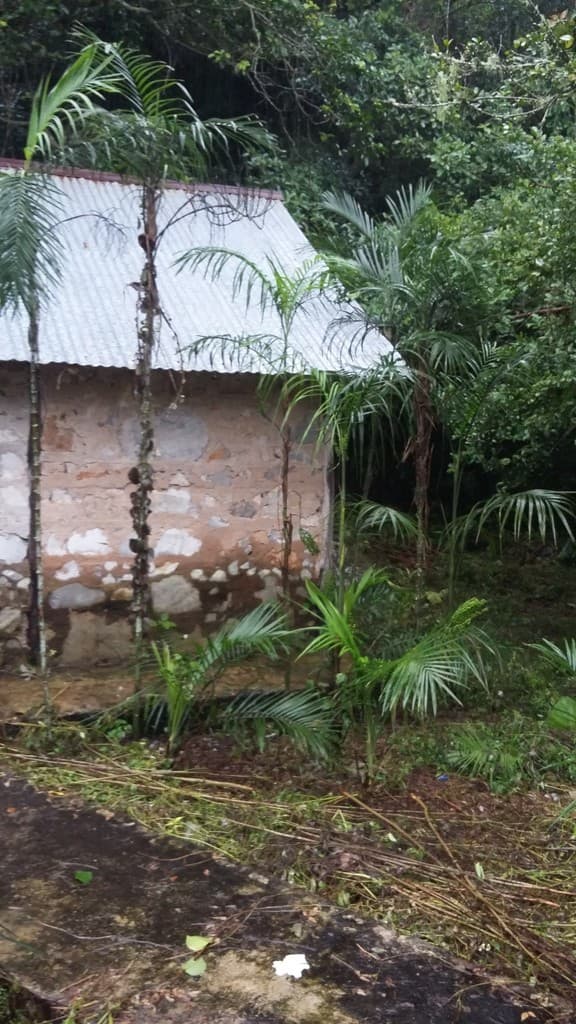
Botanical specimen of Chamaedorea Radicalis.
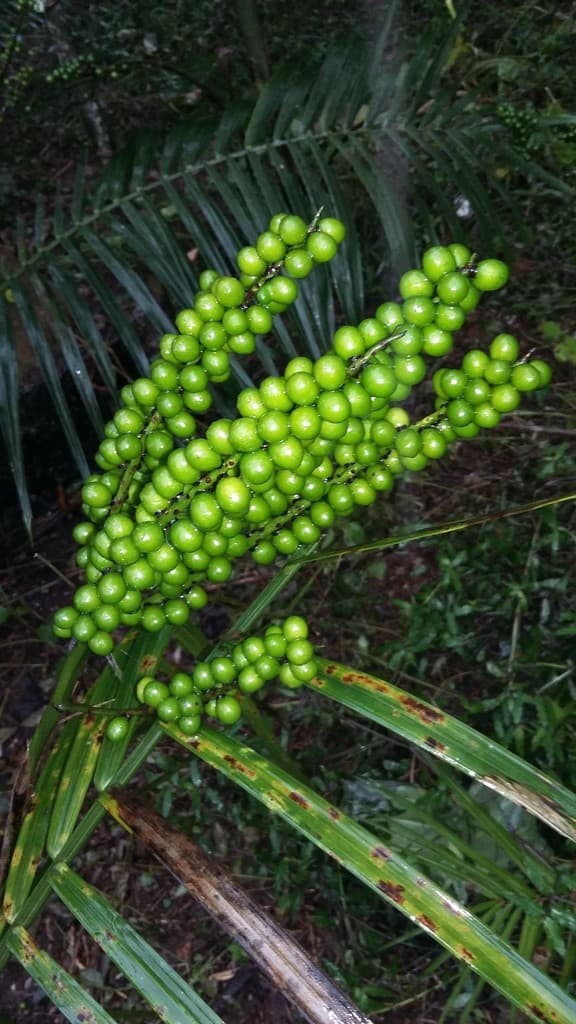
Botanical specimen of Chamaedorea Radicalis.
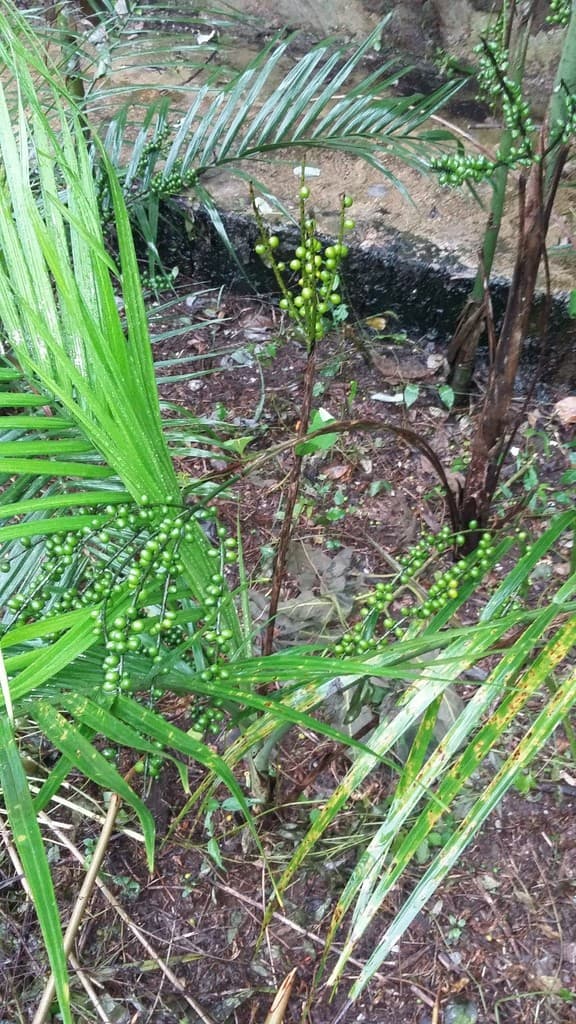
Botanical specimen of Chamaedorea Radicalis.
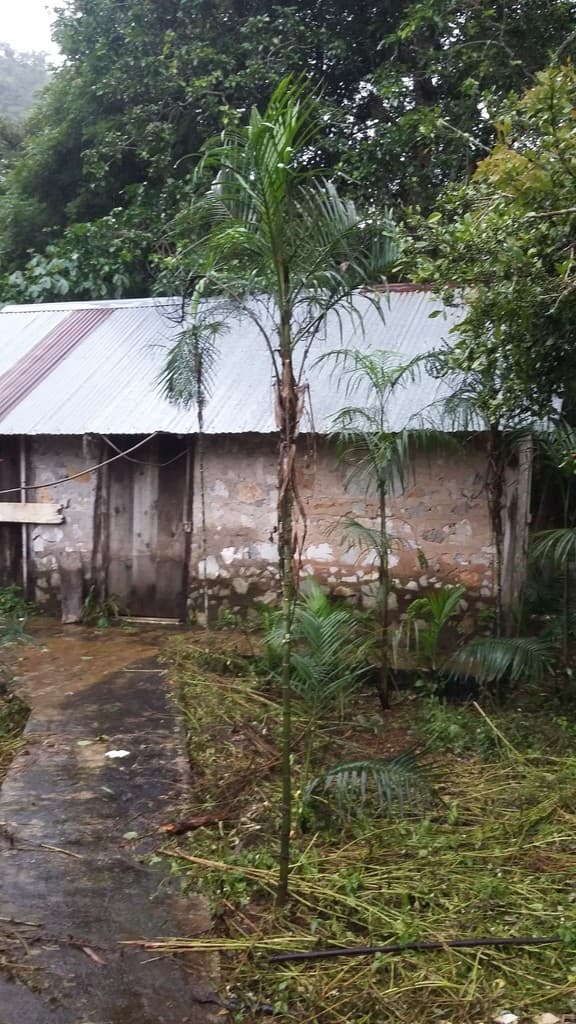
Botanical specimen of Chamaedorea Radicalis.
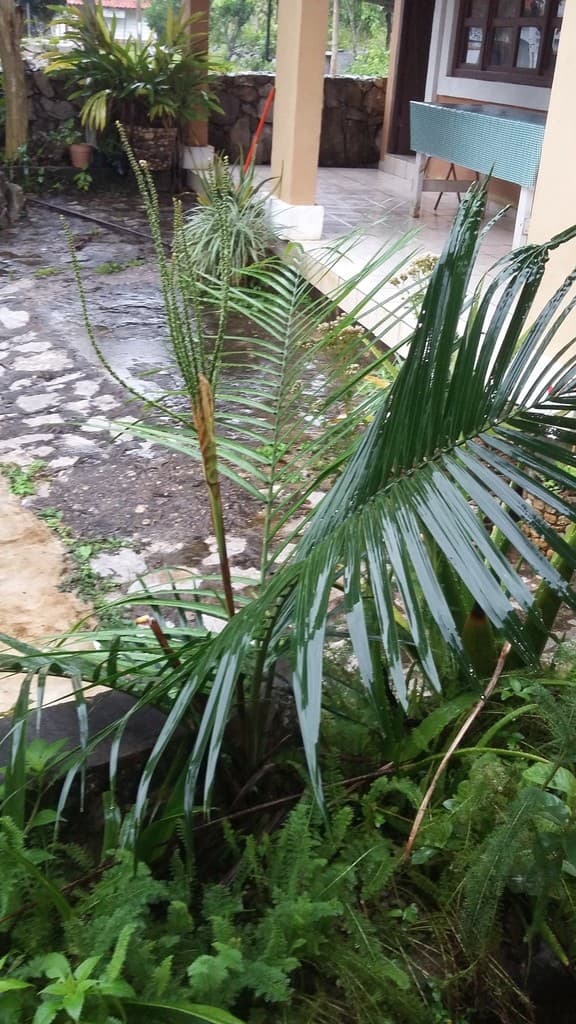
Botanical specimen of Chamaedorea Radicalis.
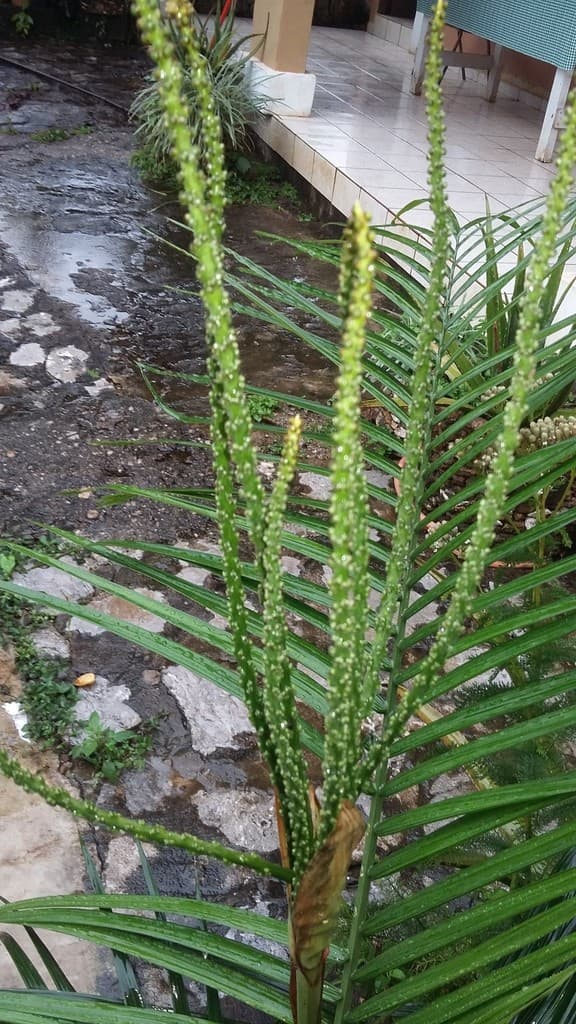
Botanical specimen of Chamaedorea Radicalis.
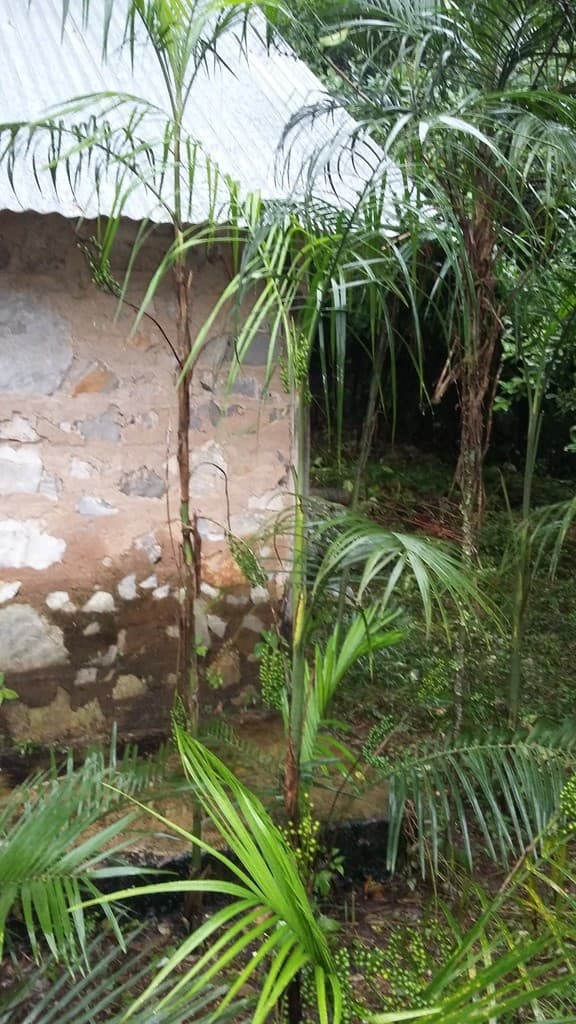
Botanical specimen of Chamaedorea Radicalis.