European Fan Palm
Chamaerops Humilis • Mediterranean Fan Palm
European Fan Palm in Motion
The Essence
"The European fan palm (Chamaerops humilis) is a hardy, shrub-like fan palm and the only species in its genus. It is one of just two palms native to mainland Europe (alongside Phoenix theophrasti) and the northernmost naturally occurring palm in the world, with the northernmost native specimen standing at 44 degrees N near Genoa, Italy. Native to the rocky hills and mountains of the western and central Mediterranean, it typically forms a clump of several stems and grows extremely slowly, usually reaching 2-5 m (10-20 ft). Its fan-shaped leaves carry 10-20 narrow, finger-like leaflets on spiny stalks, and bright yellow flowers appear in spring. Among the most cold-hardy of all palms, the standard green form tolerates roughly -12 C (10 F), and it holds the RHS Award of Garden Merit, making it a popular choice for temperate-climate landscaping. It is also very drought-tolerant once established and re-sprouts readily from underground rhizomes after fire."
The genus name Chamaerops comes from the Greek 'chamai' ('on the ground' or 'dwarf/low') and 'rhops' ('bush' or 'shrub'), a nod to its low, shrubby habit. The species epithet 'humilis' is Latin for 'low', 'dwarf' or 'humble', referring to its short stature relative to other palms.
The species has a long record of traditional and economic use: its leaves have been used to make brooms and to weave mats and baskets, and POWO lists additional uses as animal food, medicine, fuel and food.
Natural Habitat
Chamaerops humilis is native to the western and central Mediterranean. POWO (Kew) gives its native range as Algeria, the Balearic Islands, France, Italy, Libya, Morocco, Portugal, Sardinia, Sicily, Spain and Tunisia, in a biome classified as subtropical. It grows on the rocky hills and mountains of the western Mediterranean Basin, from the Atlas Mountains of Morocco, Algeria and Tunisia to Spain, Portugal, France and Italy. It prefers hot summers, is very drought-tolerant once established, grows extremely slowly, and survives frequent fires largely by re-sprouting from underground rhizomes.
Curated Specimens
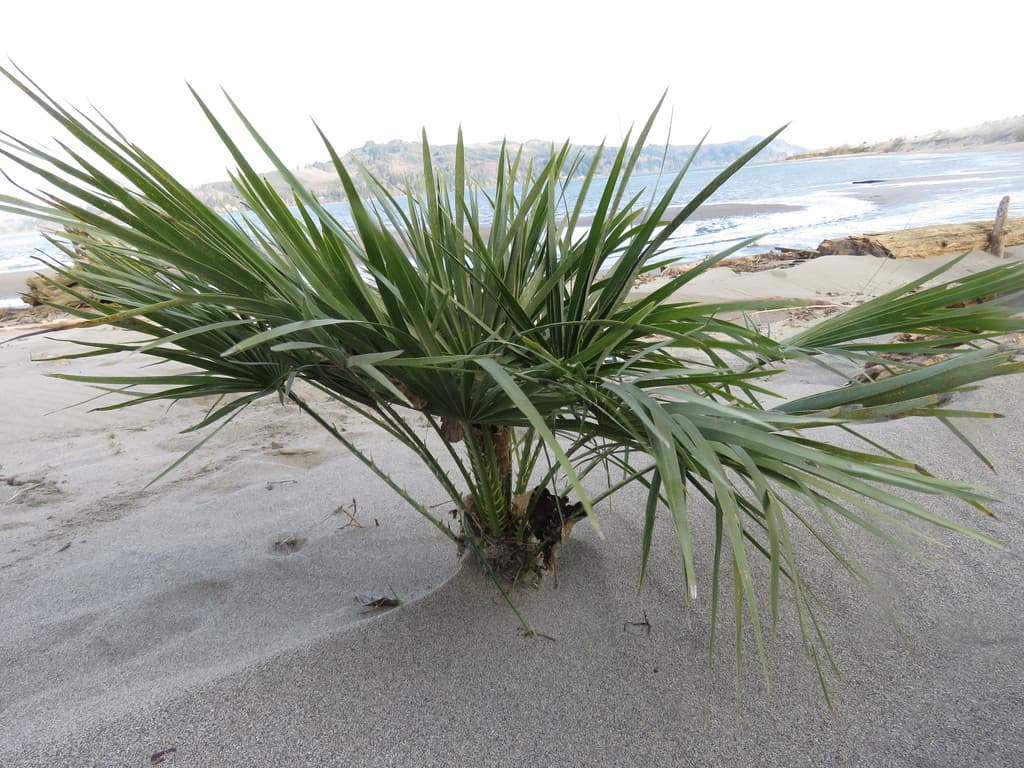
Botanical specimen of Chamaerops Humilis.
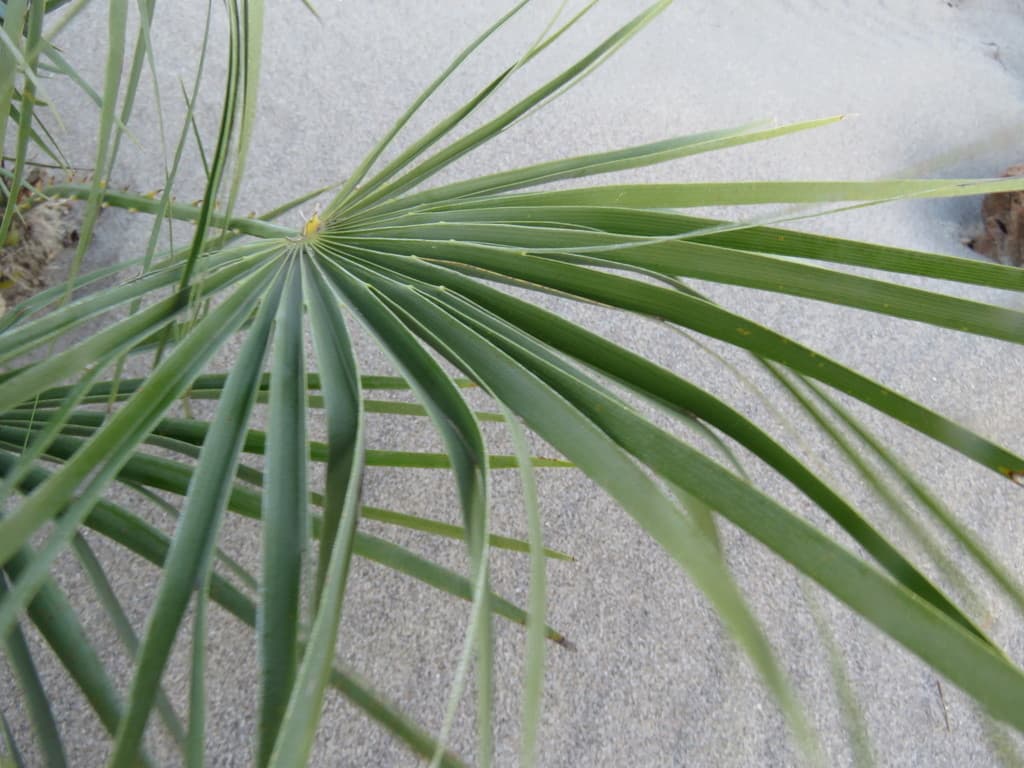
Botanical specimen of Chamaerops Humilis.
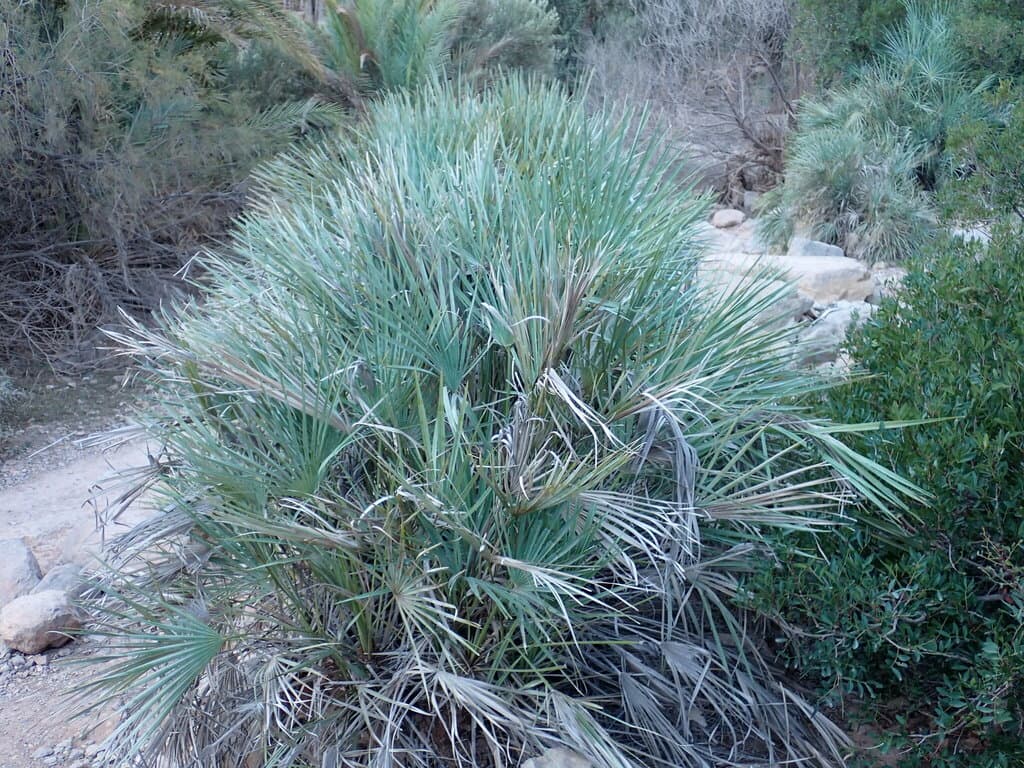
Botanical specimen of Chamaerops Humilis.
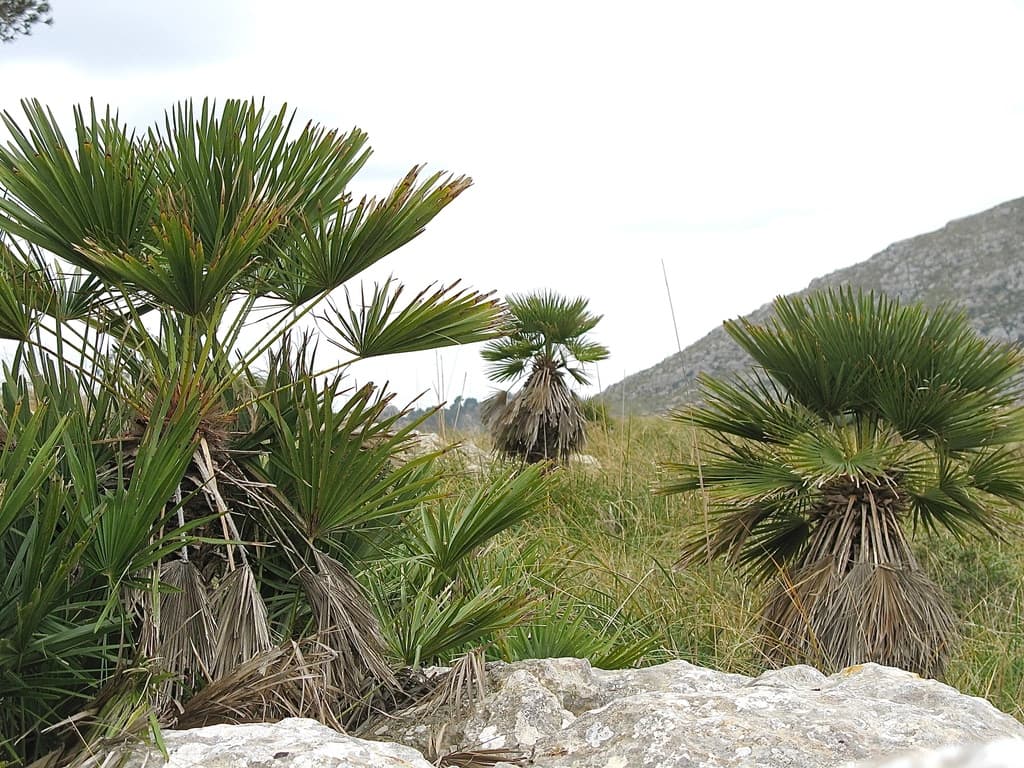
Botanical specimen of Chamaerops Humilis.
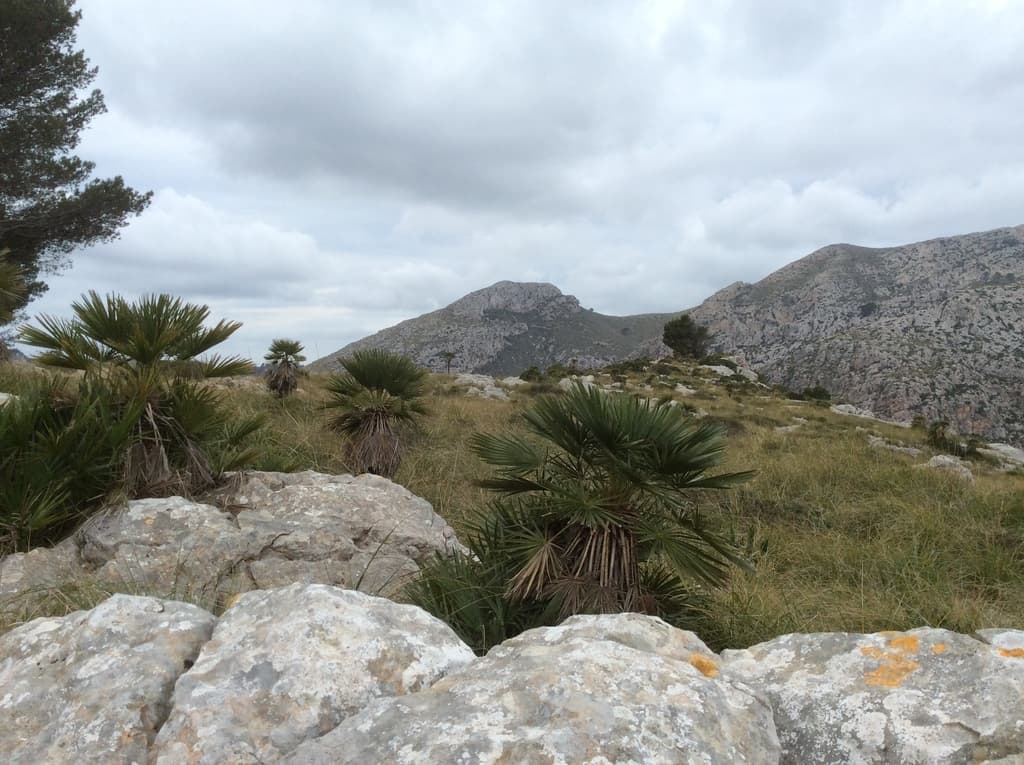
Botanical specimen of Chamaerops Humilis.