Coconut Palm
Cocos Nucifera • Tree of Life
Coconut Palm in Motion
The Essence
"The coconut palm (Cocos nucifera) is one of the world's most economically important palms, a large solitary tree growing up to about 30 m (100 ft) tall on a slim, smooth trunk topped by pinnate leaves 4-6 m long. It is famous for its fruit: botanically a drupe rather than a true nut, a single full-sized coconut weighing about 1.4 kg. According to POWO (Kew), its native range runs from Central Malesia to the SW Pacific; genetic studies place its center of origin and greatest genetic diversity in the Central Indo-Pacific. Today it is ubiquitous across coastal tropical regions and is woven into countless cultures as a 'tree of life,' supplying food and drink, oil, fibre, wood and woven-leaf materials. Global production reached 65.5 million tonnes in 2024, with Indonesia, India and the Philippines together accounting for about 73% of the total. It is strictly tropical and intolerant of cold and frost, suited to USDA Zones 10-12; gardeners in cooler climates must keep it under glass year-round, as reflected in its RHS hardiness rating of H1a."
The genus name Cocos derives from the 16th-century Portuguese/Spanish word 'coco,' meaning 'head' or 'skull,' after the three indentations on the coconut shell that resemble a face. The specific epithet 'nucifera' means 'nut-bearing,' from the Latin 'nux' (nut) and 'fera' (bearing).
One of the world's most economically important palms, the coconut is so thoroughly used, with virtually every part of the palm being put to work, that it has earned status as a 'tree of life' in many tropical cultures.
Natural Habitat
Per POWO (Kew), the native range is Central Malesia to the SW Pacific, including the Bismarck Archipelago, Maluku, New Guinea, the Philippines, Queensland, Samoa, Santa Cruz Is., the Solomon Islands, Tokelau-Manihiki, Tonga and Vanuatu. Wikipedia notes that genetic studies identify the species' center of origin and greatest genetic diversity as the Central Indo-Pacific. POWO classifies it as a tree of the wet tropical biome, and it is ubiquitous in coastal tropical regions; Missouri Botanical Garden notes it requires humid, frost-free coastal conditions.
Curated Specimens
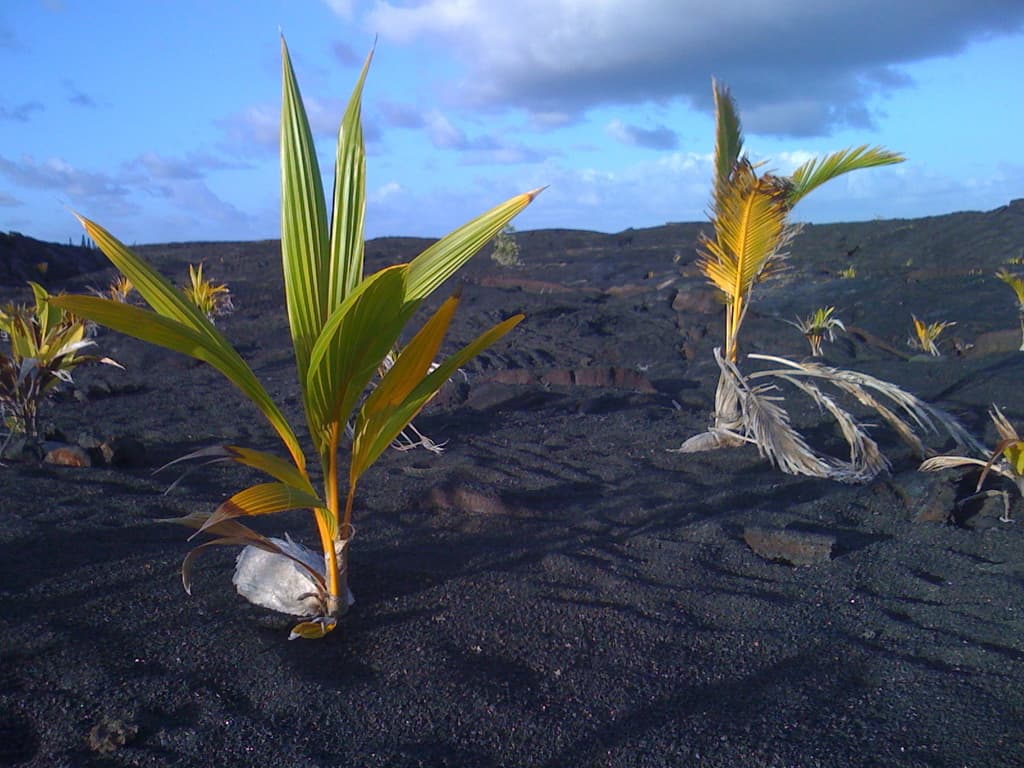
Botanical specimen of Cocos Nucifera.
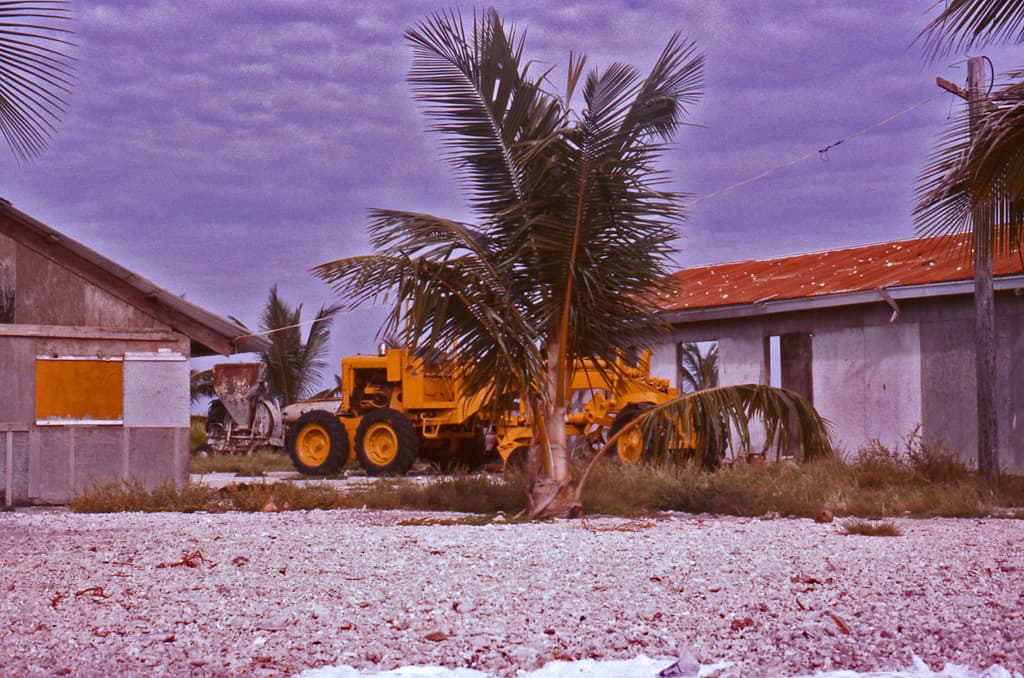
Botanical specimen of Cocos Nucifera.
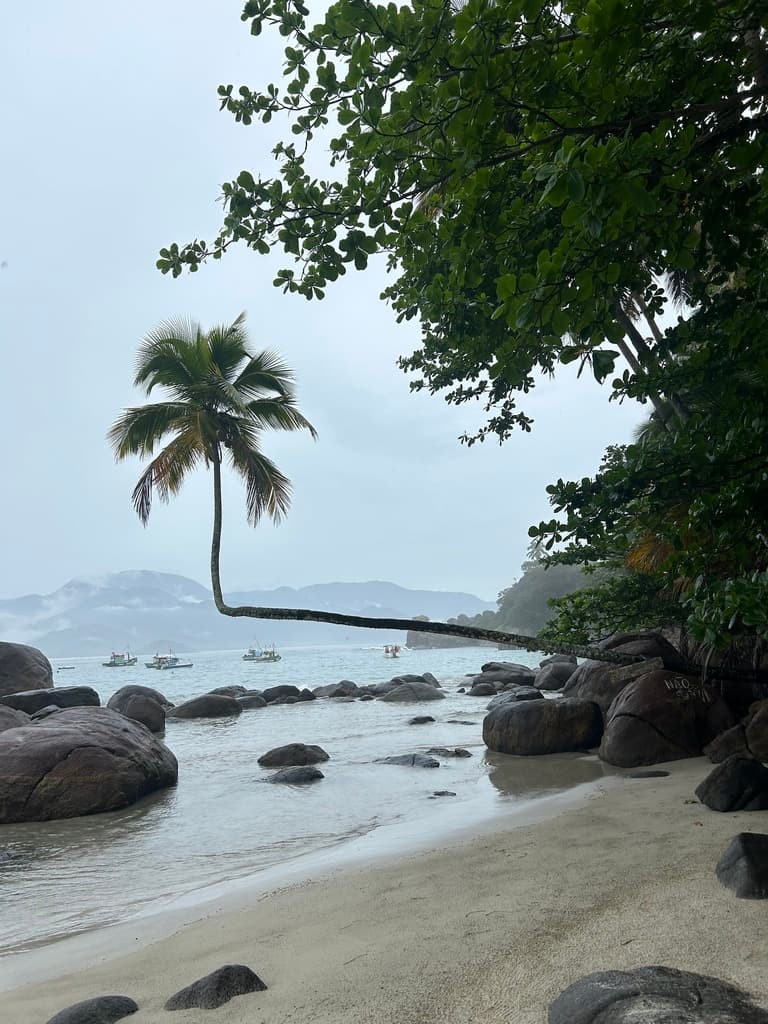
Botanical specimen of Cocos Nucifera.
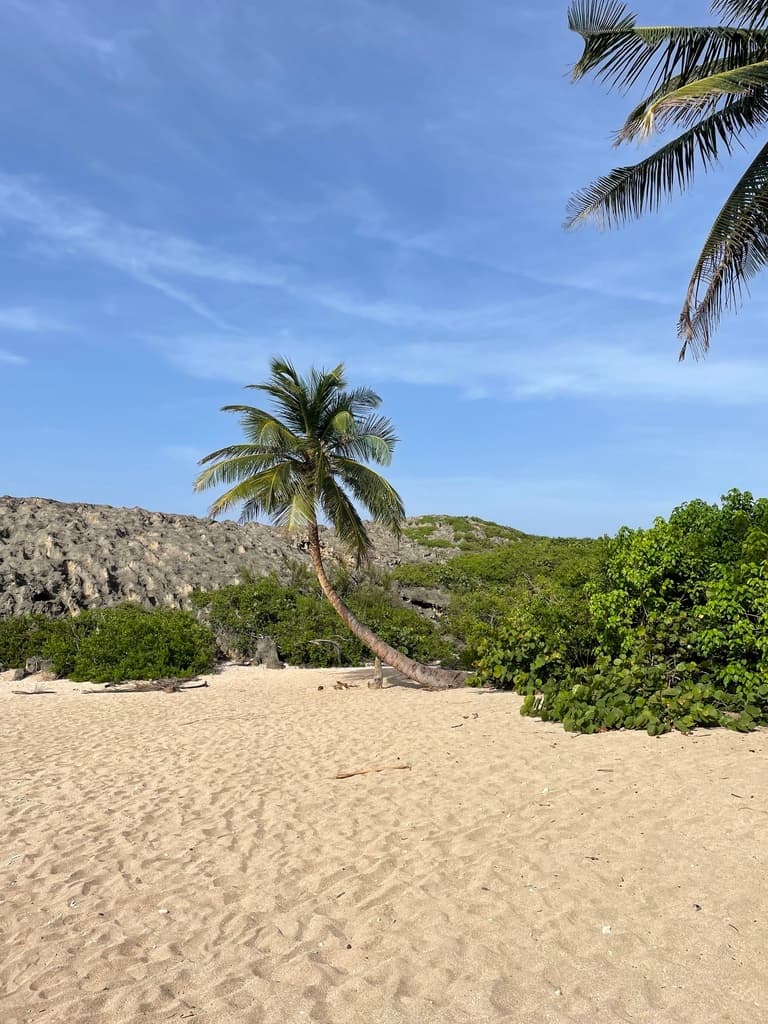
Botanical specimen of Cocos Nucifera.
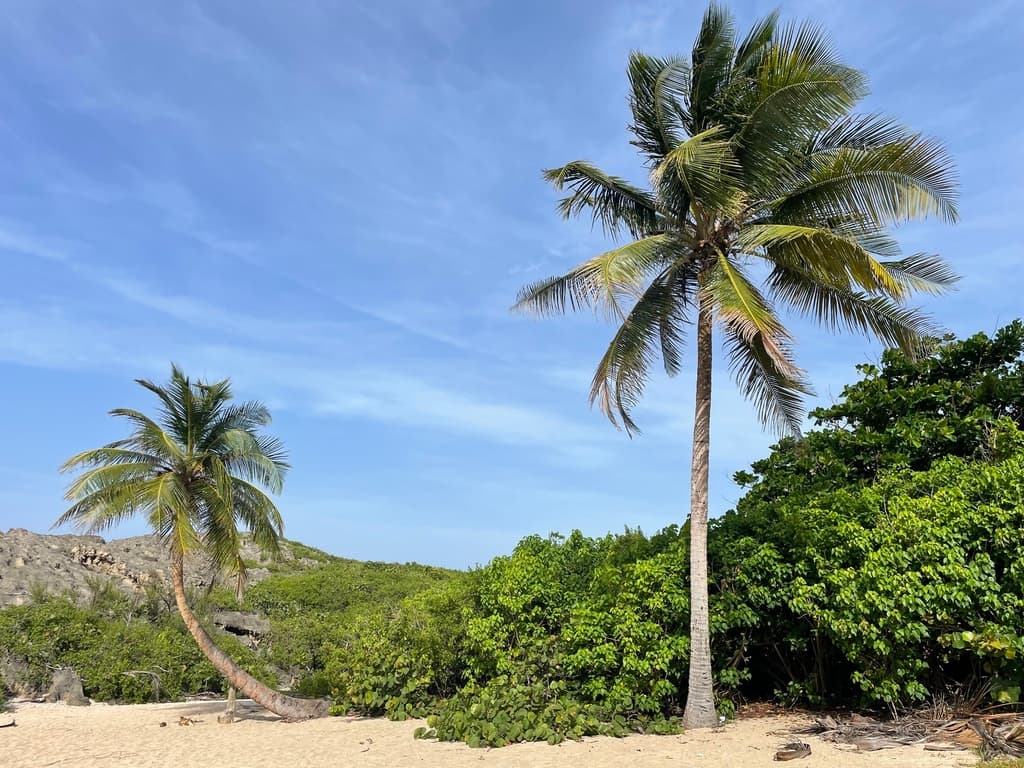
Botanical specimen of Cocos Nucifera.
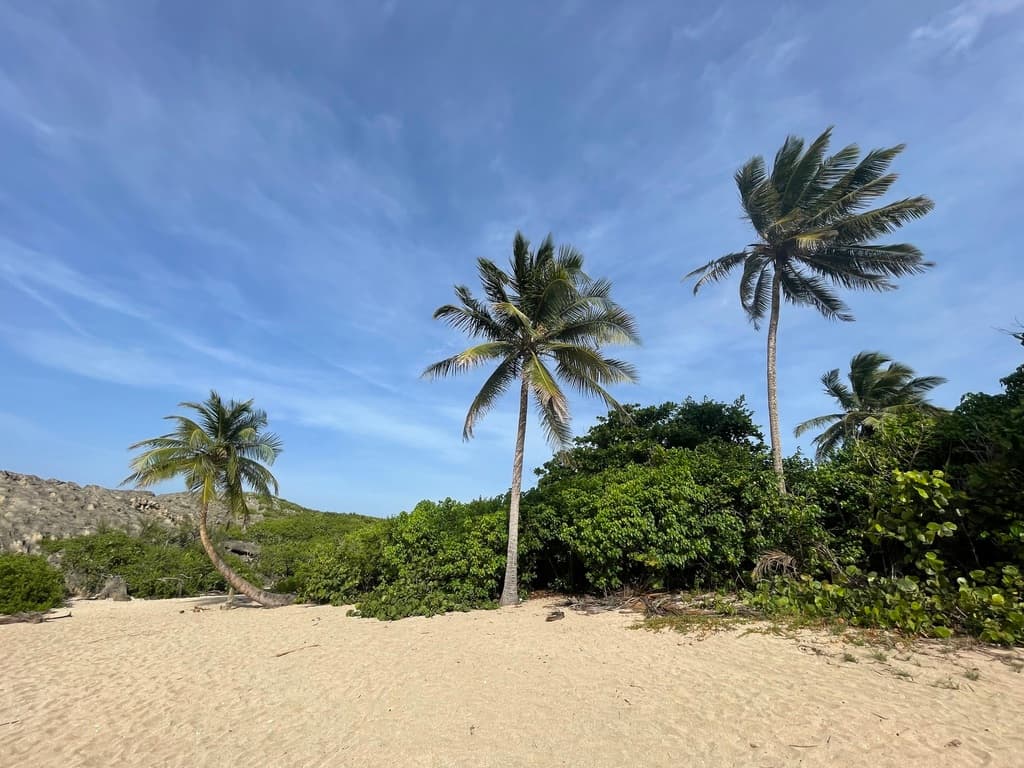
Botanical specimen of Cocos Nucifera.