Dictyosperma Album
Dictyosperma Album in Motion
The Essence
"The Dictyosperma Album is a distinguished member of the Dictyosperma genus, exhibiting specialized unknown foliage and structural resilience adapted to Africa. This remarkable species is characterized by its Solitary or clustering columnar trunk with characteristic leaf scars, reaching heights optimized for its Africa niche. and a Densely packed cluster of green fronds exhibiting high photosynthetic surface area.. It represents a unique evolutionary success in its native habitat."
The genus 'Dictyosperma' is part of the ancient Arecaceae diversification. The species name reflects its unique morphological traits and regional heritage.
Historically, Dictyosperma Album has been Ancient lineage within the Arecaceae family, isolated in Africa.. It has served as a vital biological marker for biodiversity in its native tropical ecosystems for centuries.
Natural Habitat
Thrives in specialized tropical niches, specifically adapted to the environmental pressures described as: The Dictyosperma Album is a distinguished member of the Dictyosperma genus, exhibiting specialized unknown foliage and structural resilience adapted to Africa.
Curated Specimens
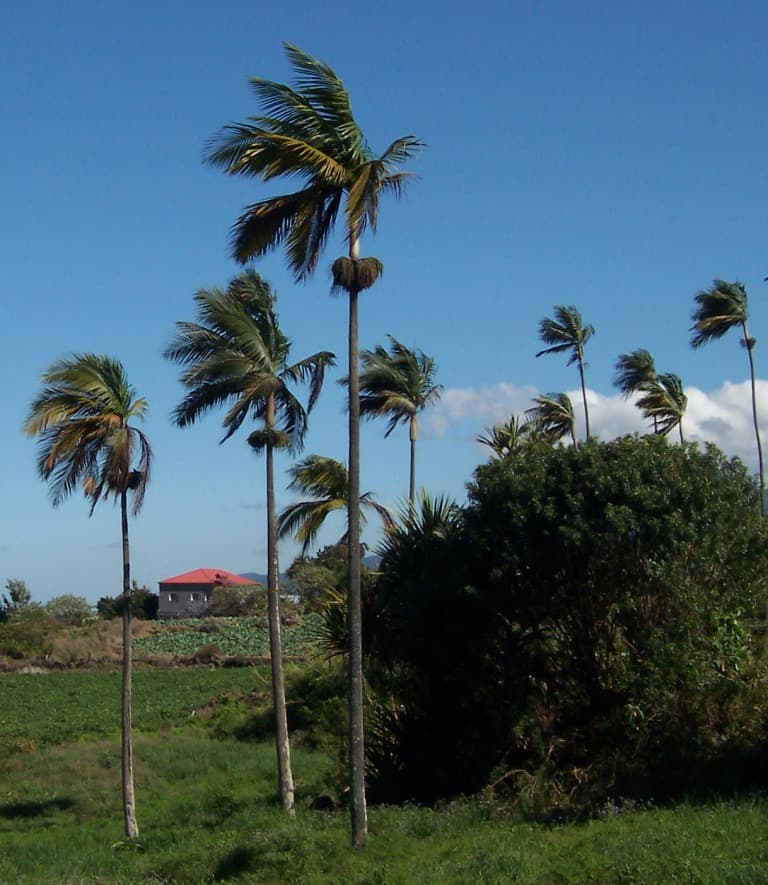
Botanical specimen of Dictyosperma Album.
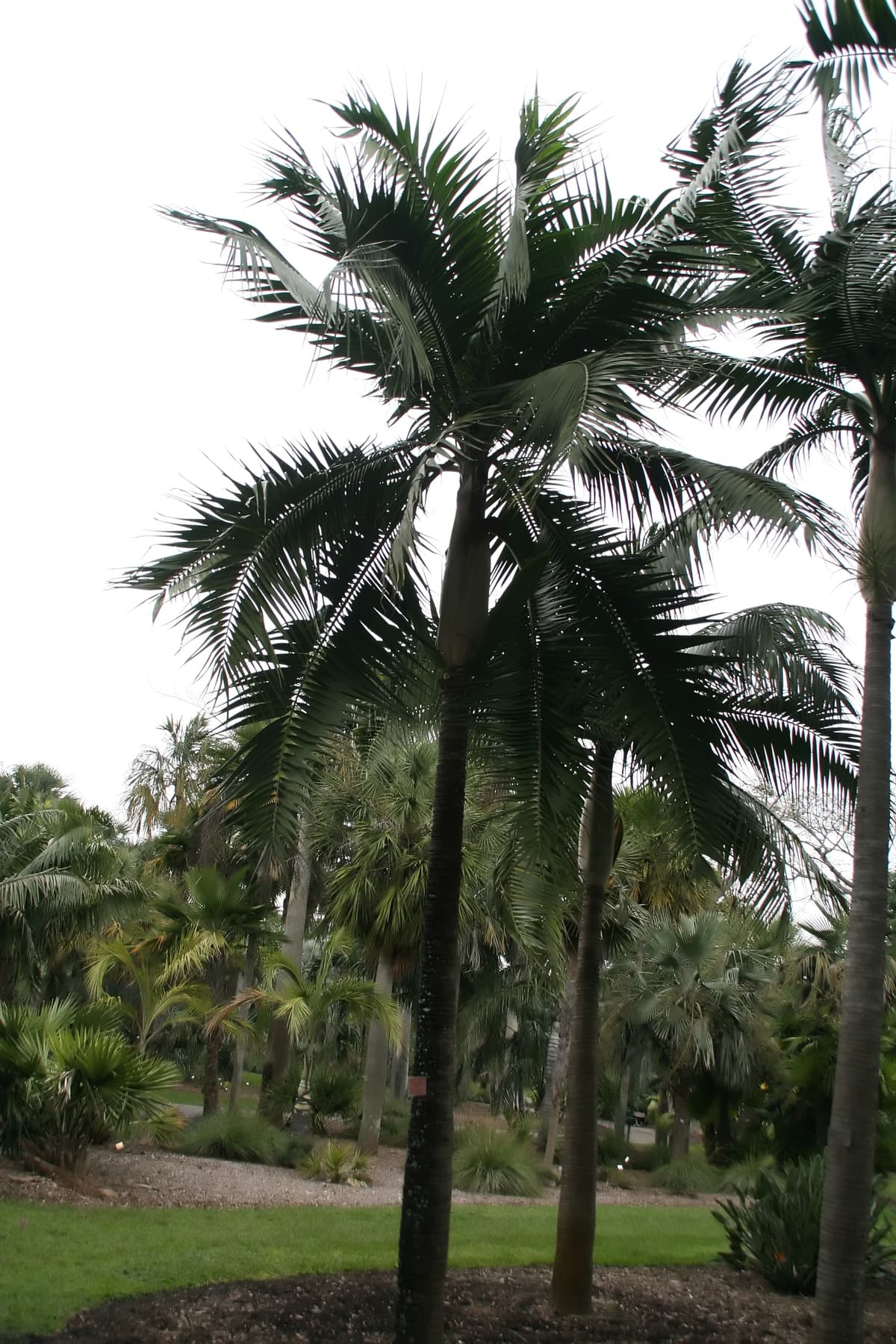
Botanical specimen of Dictyosperma Album.
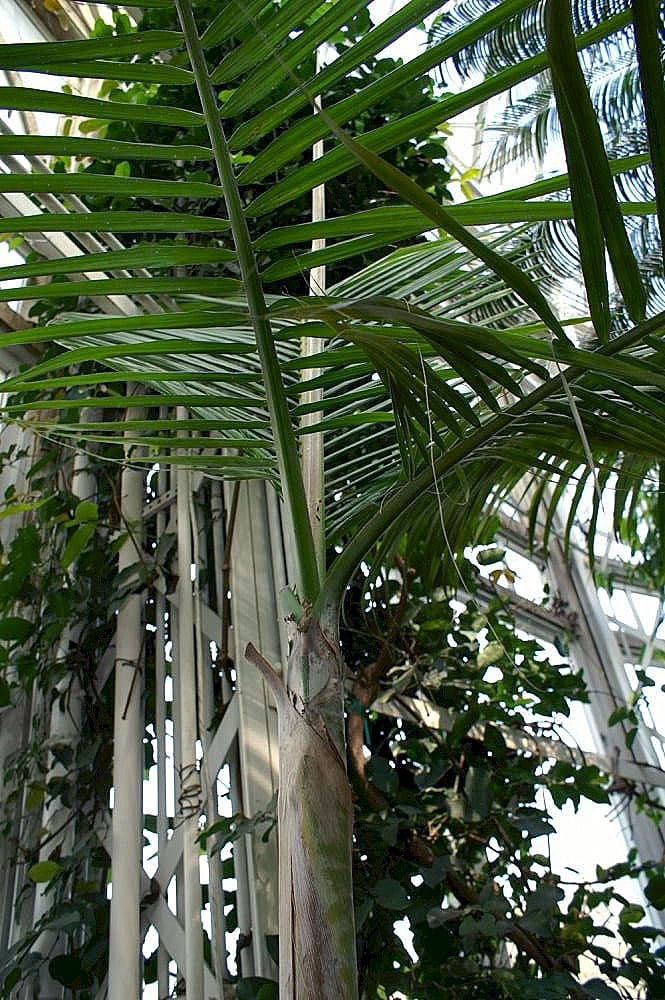
Botanical specimen of Dictyosperma Album.
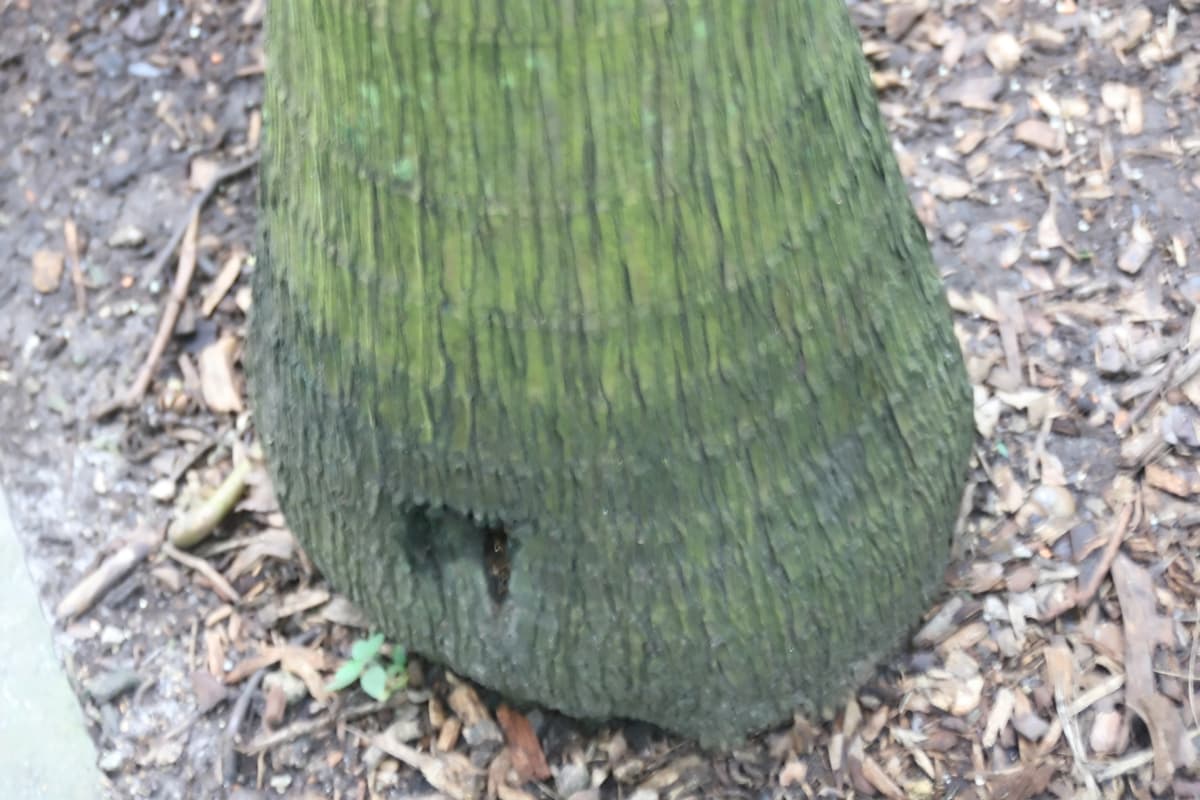
Botanical specimen of Dictyosperma Album.

Botanical specimen of Dictyosperma Album.
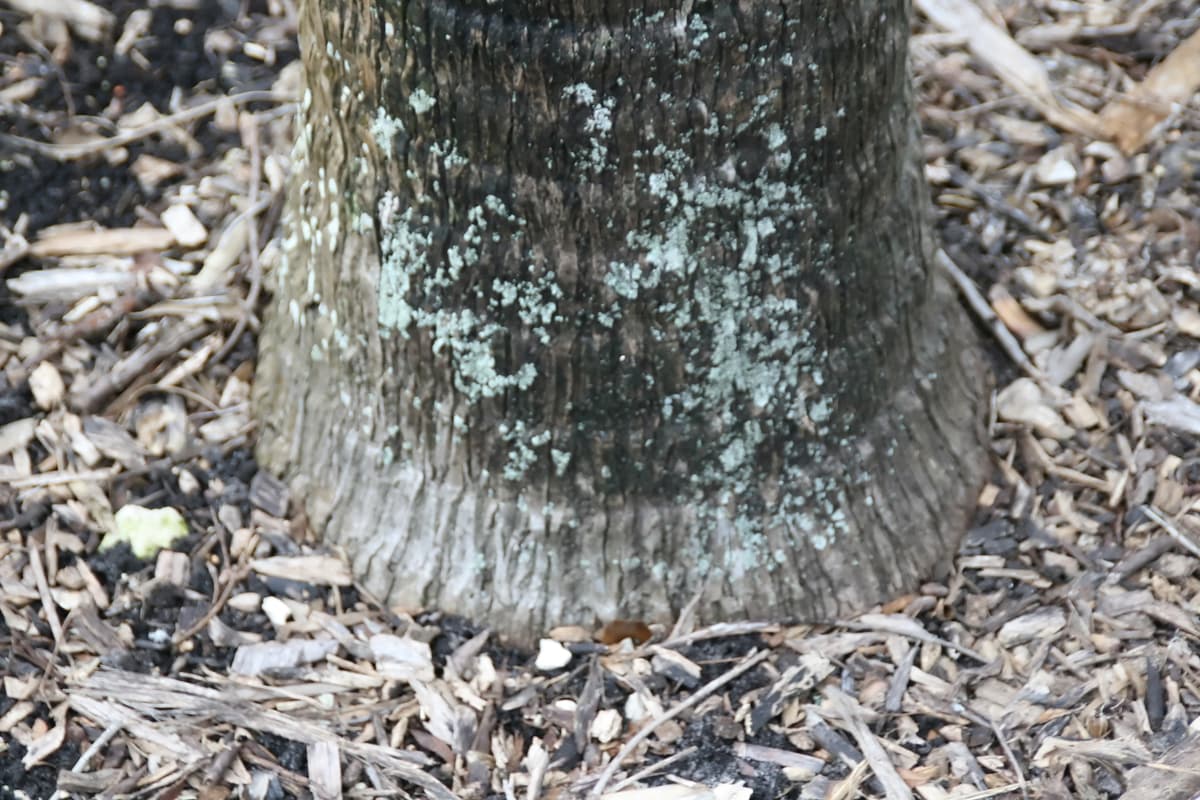
Botanical specimen of Dictyosperma Album.
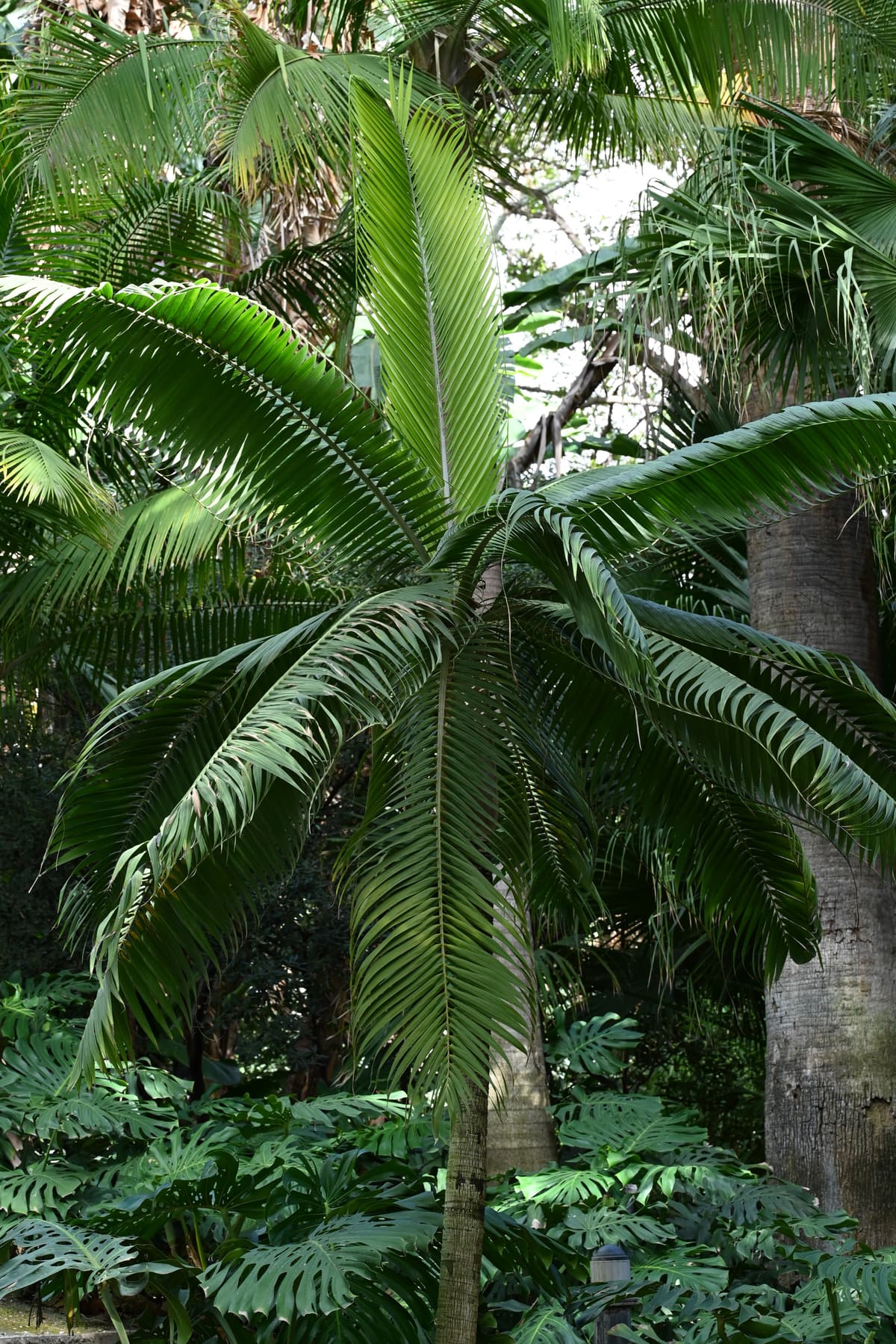
Botanical specimen of Dictyosperma Album.
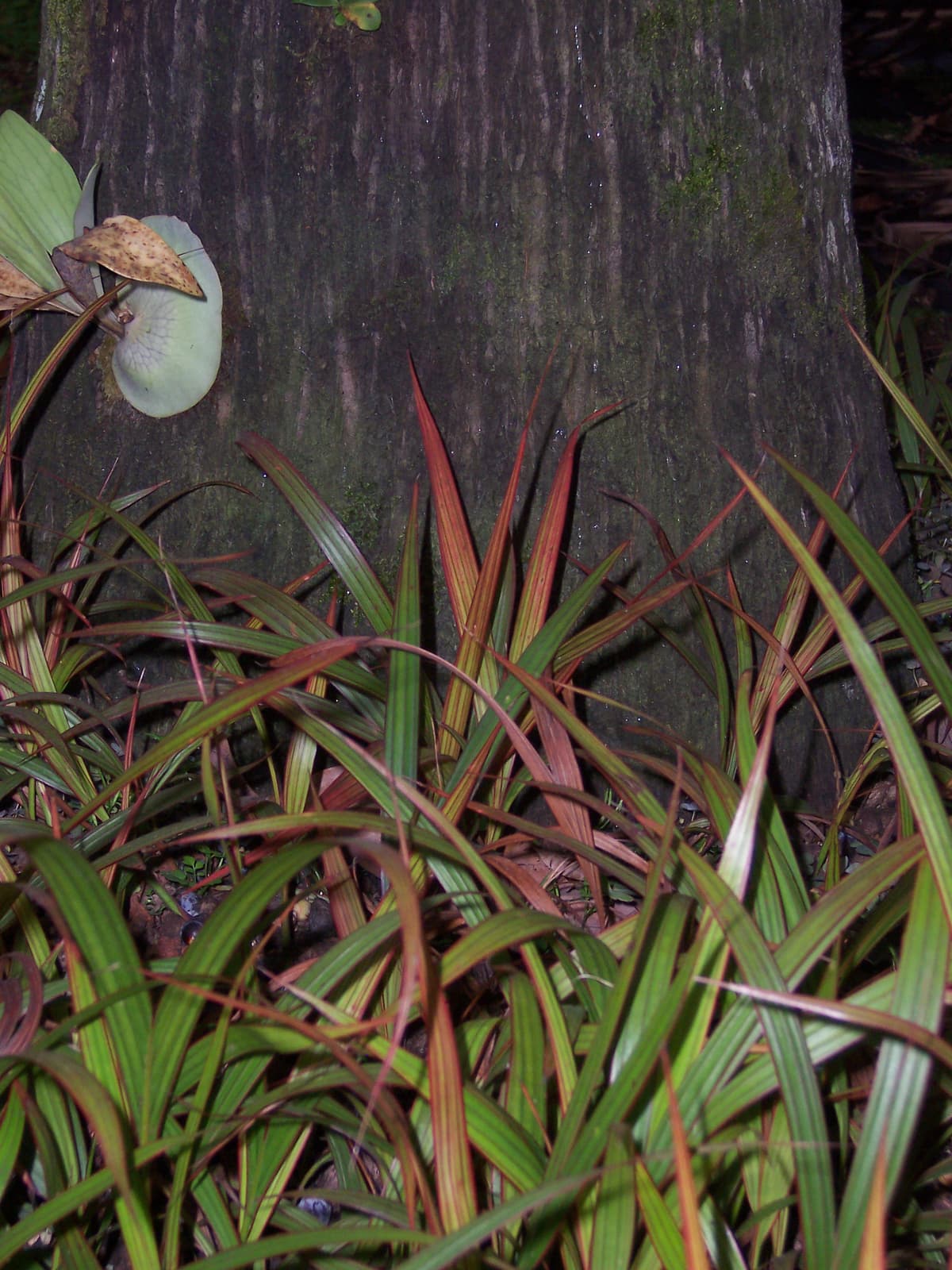
Botanical specimen of Dictyosperma Album.
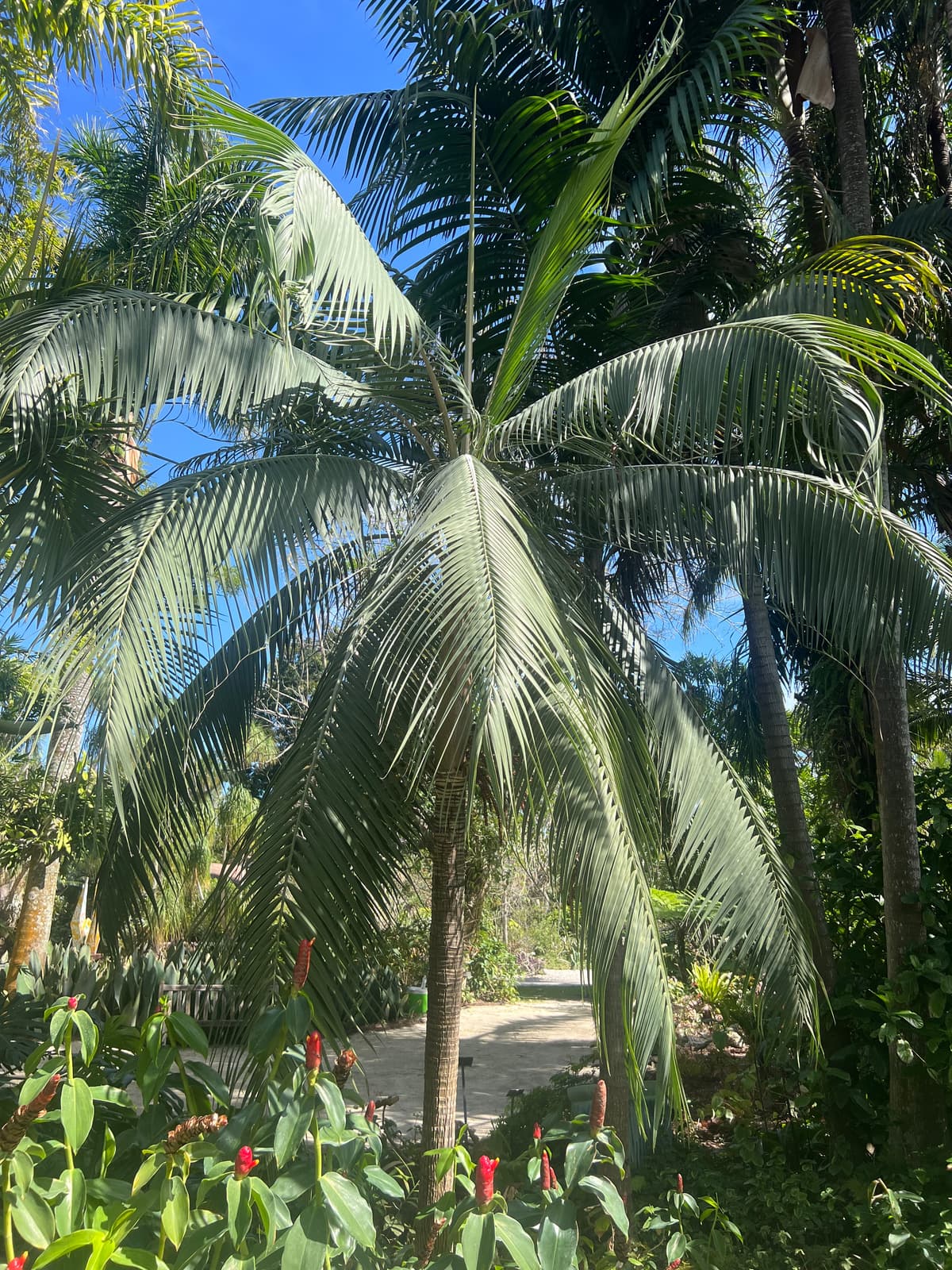
Botanical specimen of Dictyosperma Album.
Biology & Morphology
"A distinctive member of the Arecaceae family, Dictyosperma Album exhibits characteristic botanical resilience and morphological specialization adapted to its native tropical ecosystem. Its phylogenetic lineage within the Dictyosperma genus reflects a history of specialized adaptation."
Morphology
Symmetrical columnar trunk with characteristic leaf-scar patterning and lignified outer cortex.
Adventitious root system spreading radially to maximize hydraulic intake in competitive soil matrices.
Distinctive unknown habit and medium stature providing a unique architectural profile.
Foliage
Vibrant green canopy featuring characteristic frond architecture optimized for photon interception and transpiration efficiency.
Specialized green tissues exhibiting moderate metabolic expansion rates.
Reproduction
Complex inflorescence branching typical of the Dictyosperma clade, exhibiting seasonal reproductive synchrony.
Nutrient-dense drupes encased in a fibrous pericarp, optimized for protection and dispersal.
Dormant embryonic tissues with high endosperm density, characteristic of resilient Dictyosperma specimens.
Ecology
Active rhizosphere communication with mycorrhizal fungal networks, enhancing phosphorus and micronutrient uptake.
Interlocked with local entomological vectors, primarily Meliponini bees or specialized coleoptera.
Gravity-mediated and animal-vectored dispersal mechanisms ensuring regional genetic distribution.
Germination & Propagation
Germination Timeline
Hydration soak.
Incubation in moist media.
Sprout emergence.
Cultivation & Care
Light
Full Sun to Partial Shade
Water
Moderate irrigation protocol. Sensitive to stagnation.
Soil
Well-draining organic matrix with mineral components (perlite/bark).
A resilient Africa species that rewards environmental stability.
Pests, Diseases & Care
Pests
Rhynchophorus phoenicis (African Palm Weevil)
CRITICALInternal tissue destruction leading to structural failure.
Sanitation of wounded tissues and systemic chemical protection.
Latana camara (Mealybug Vector)
MODERATESap-sucking leading to sooty mold and potential virus transmission.
Ant control and application of horticultural oils.
Diseases
Colletotrichum spp. (Anthracnose)
MODERATEBlack necrotic spots on leaflets under high humidity.
Copper-based fungicides and reduction of overhead irrigation.
Phytophthora palmivora (Bud Rot)
CRITICALNecrosis of the spear leaf and decay of the meristem.
Fosetyl-Al application and optimizing canopy ventilation.
Nutritional Deficiencies
Interveinal chlorosis (Younger fronds)
Chelated Fe-EDDHA Soil Pulse
Marginal chlorosis (Older fronds)
Mg-Sulfate (Kieserite) saturation
Frizzletop / Distorted spear
Systemic Mn-Sulfate application
Care Tips
Biosurveillance pulse synchronized for Africa regional vectors.
Apply prophylactic fungicidal drench in the nocturnal phase.
Improve canopy ventilation to disrupt fungal sporulation cycles.