Umbrella palm
Hedyscepe Canterburyana • Big mountain palm • Canterbury umbrella palm
Umbrella palm in Motion
The Essence
"Hedyscepe canterburyana, the umbrella palm or big mountain palm, is the sole species of its genus and one of the endemic palms of Lord Howe Island, Australia. It grows only on the upper slopes and summits of Mt Gower and Mt Lidgbird, on cliffs and exposed ridges overlooking the sea from about 400 m upward — the higher elevations of an island better known as the home of the kentia palm (Howea forsteriana). A slow-growing, solitary palm to about 10 m, it holds a compact crown of stiff, dark green, markedly recurved fronds above a silvery-glaucous crownshaft and a slender, closely ringed trunk; its egg-shaped fruit ripen dull to deep red below the crownshaft and take up to four years to mature. Nothing about it is fast — the IUCN puts its generation length at 85–90 years. Assessed as Critically Endangered in 2023, with a decreasing population of 11,000–35,000 mature individuals treated as a single location, it is threatened by invasive species and climate change. In cultivation it is increasingly popular among garden enthusiasts in cool subtropical and warm temperate climates such as coastal California, Sydney and Auckland, but it is difficult in the tropics or wherever nights are never cool."
Hedyscepe combines the Greek hedys (pleasant) and skepe (shade), 'in allusion to its local name, umbrella palm' (Genera Palmarum). None of the sources consulted explains the origin of the epithet canterburyana.
First described as Kentia canterburyana by Charles Moore and Ferdinand von Mueller in 1870, the species was moved to its own genus, Hedyscepe, by H. Wendland and Drude in 1875. Together with Rhopalostylis of New Zealand and Norfolk Island it forms the subtribe Rhopalostylidinae, differing from Rhopalostylis in having more than six stamens and protandrous rather than protogynous flowers; both genera were placed in Archontophoenicinae until a 2005 revision. The palm is traded horticulturally at national and international level, and in California is rated rare but often available at palm specialty nurseries.
Natural Habitat
Mountain forest, cliffs and exposed ridges overlooking the sea, from about 400 m to the summits (the IUCN records an elevation range of 400–880 m); Genera Palmarum notes it is most common on the more exposed ridges at 600–750 m. Kew's Plants of the World Online records it as growing primarily in the wet tropical biome.
Curated Specimens
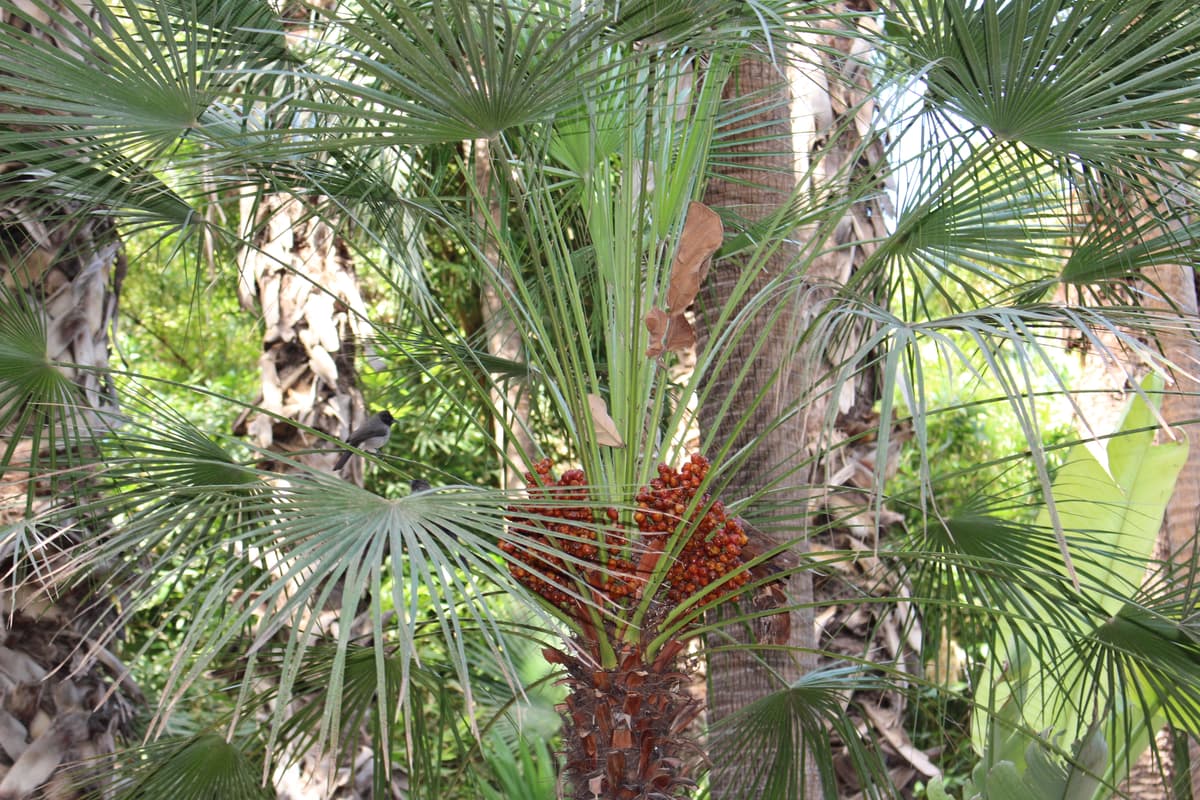
Botanical specimen of Hedyscepe Canterburyana.
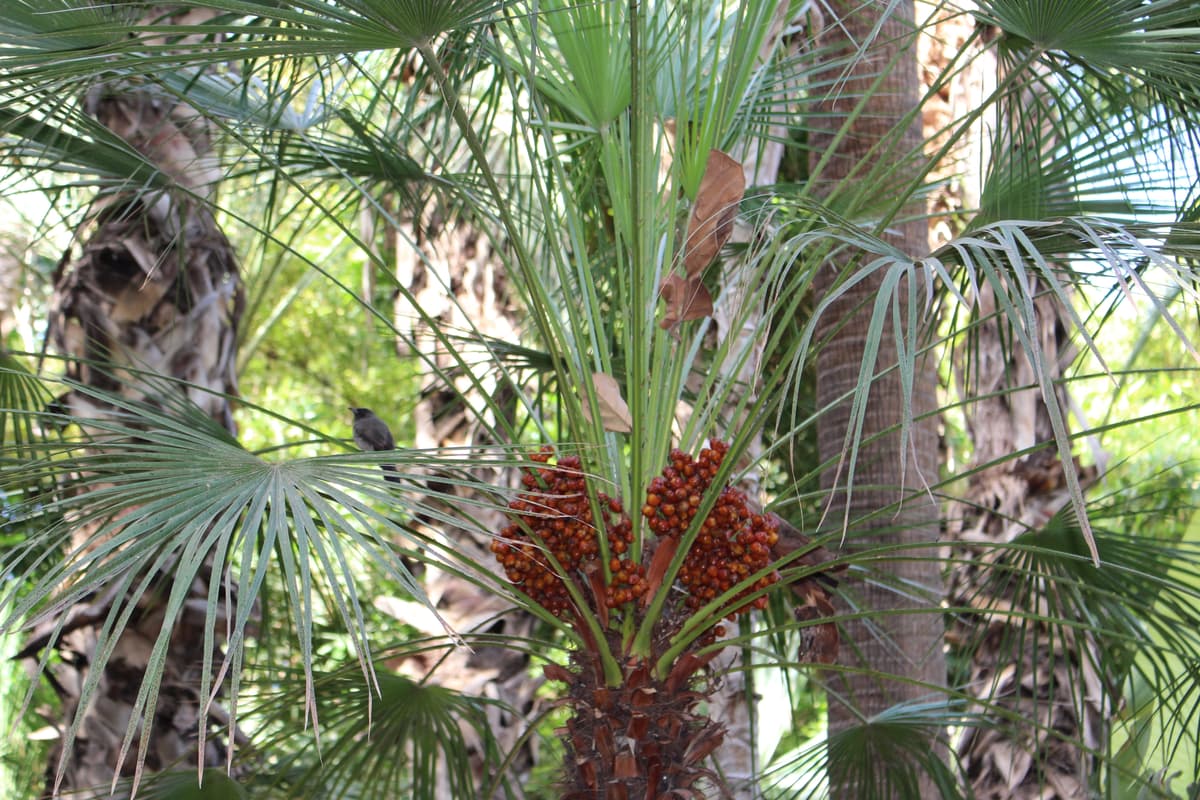
Botanical specimen of Hedyscepe Canterburyana.
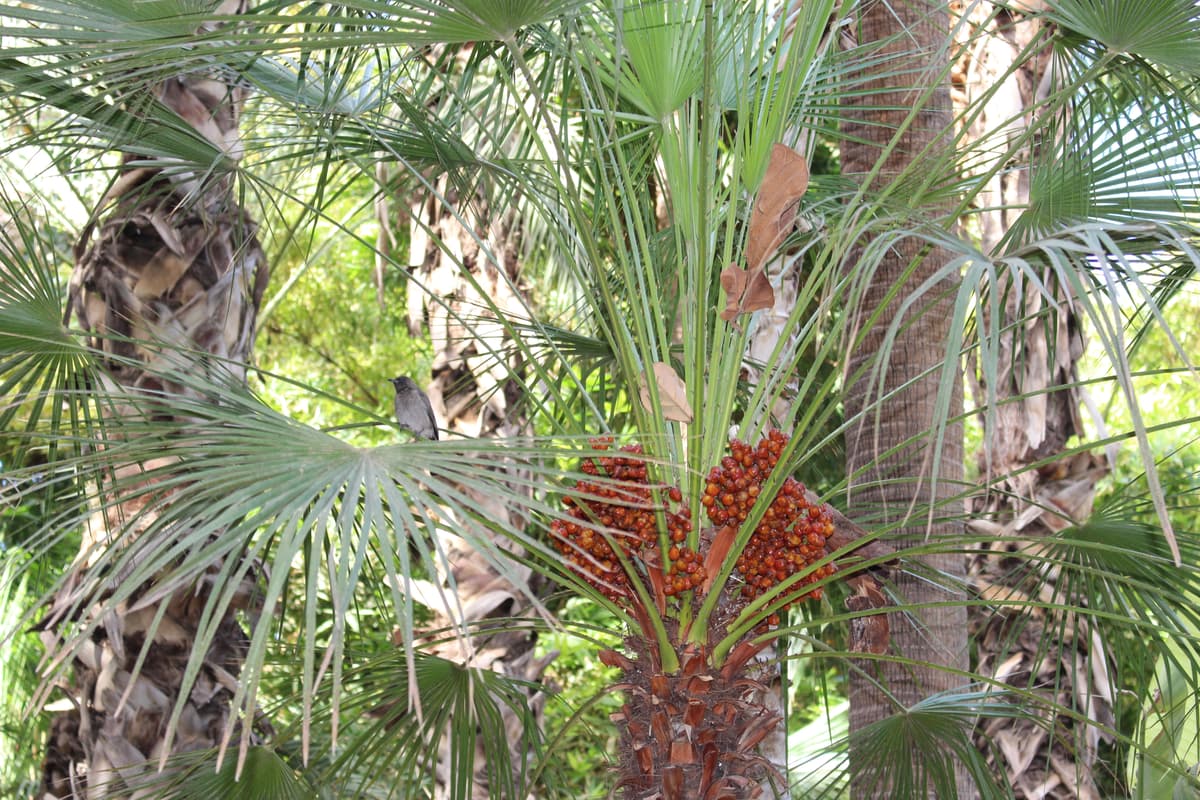
Botanical specimen of Hedyscepe Canterburyana.
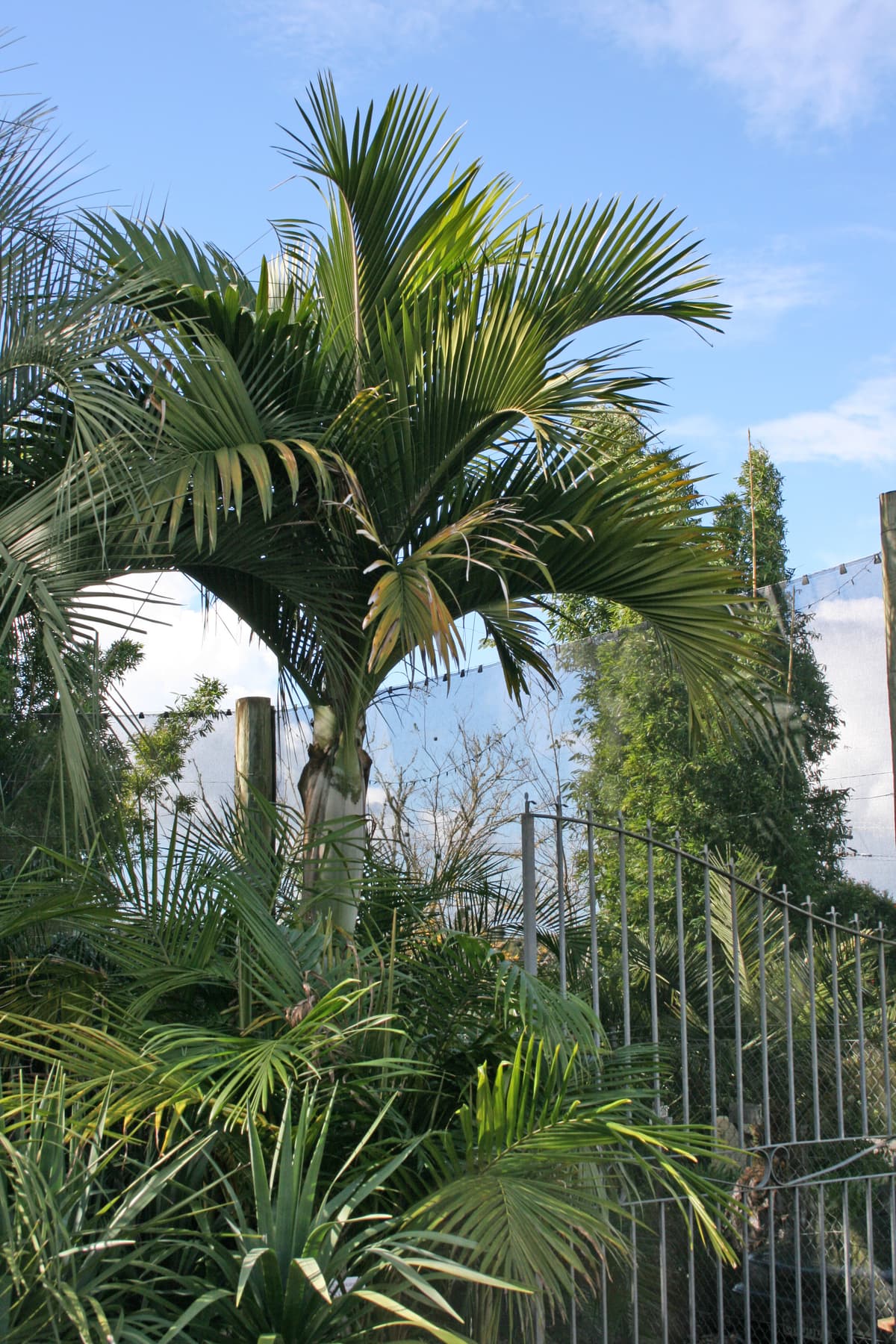
Botanical specimen of Hedyscepe Canterburyana.
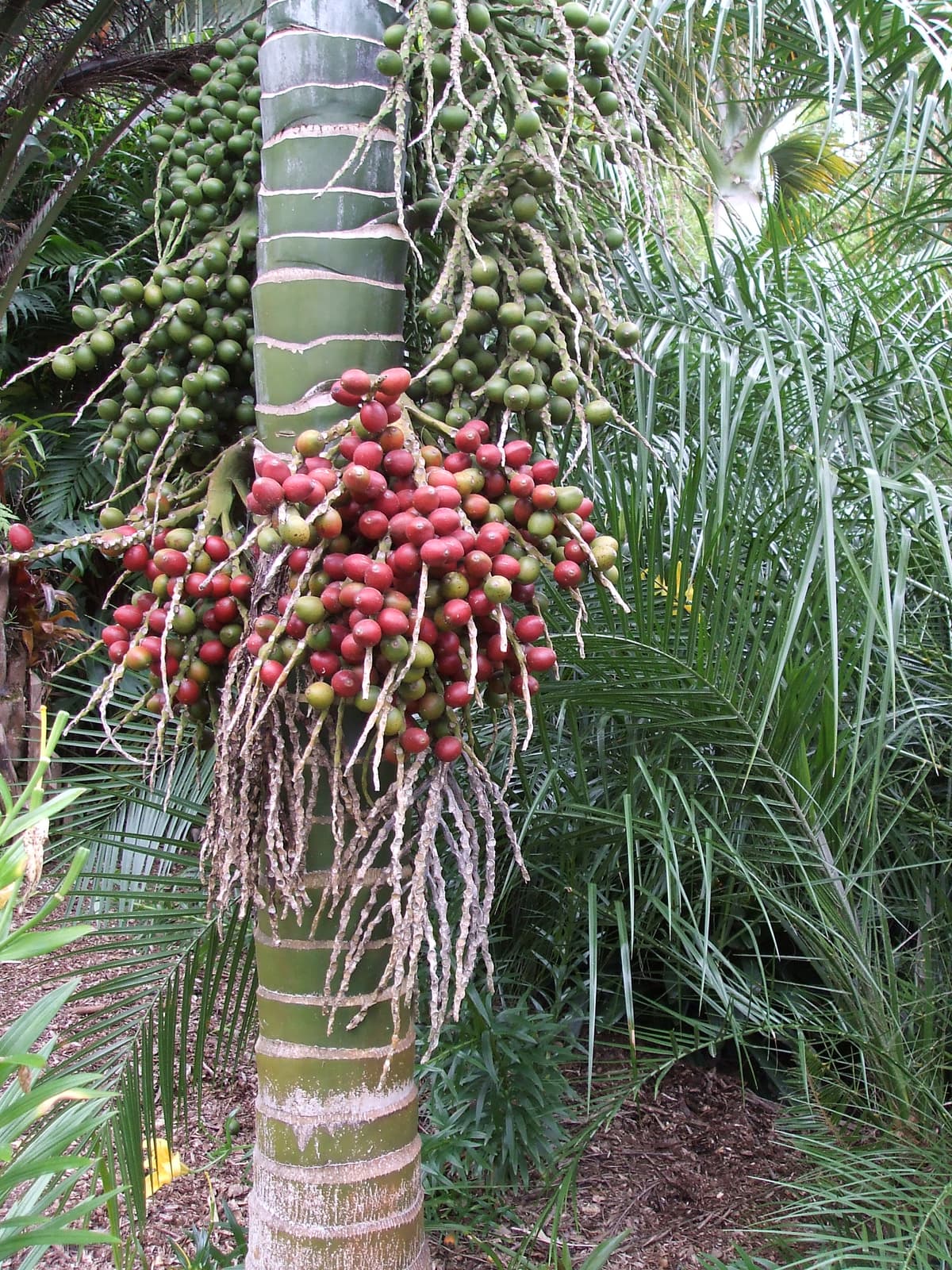
Botanical specimen of Hedyscepe Canterburyana.
Biology & Morphology
"A slow-growing, solitary palm 3–10 m (occasionally 15 m) tall with a slender, closely ringed trunk, a silvery-glaucous crownshaft about 50 cm long, stiffly arching, markedly recurved dark green leaves 1.5–2 m long with 40–60 ascending leaflets, and egg-shaped, dull to deep red, single-seeded fruit about 4–5 cm long that take up to four years to ripen."
Morphology
Symmetrical columnar trunk with characteristic leaf-scar patterning and lignified outer cortex.
Adventitious root system spreading radially to maximize hydraulic intake in competitive soil matrices.
Distinctive unknown habit and medium stature providing a unique architectural profile.
Foliage
Vibrant green canopy featuring characteristic frond architecture optimized for photon interception and transpiration efficiency.
Specialized green tissues exhibiting moderate metabolic expansion rates.
Reproduction
Complex inflorescence branching typical of the Hedyscepe clade, exhibiting seasonal reproductive synchrony.
Nutrient-dense drupes encased in a fibrous pericarp, optimized for protection and dispersal.
Dormant embryonic tissues with high endosperm density, characteristic of resilient Hedyscepe specimens.
Ecology
Active rhizosphere communication with mycorrhizal fungal networks, enhancing phosphorus and micronutrient uptake.
Interlocked with Pacific avian and entomological vectors adapted to island ecosystems.
Gravity-mediated and animal-vectored dispersal mechanisms ensuring regional genetic distribution.
Germination & Propagation
Germination Timeline
Hydration soak.
Incubation in moist media.
Sprout emergence.
Single plants can produce fertile seed, but it is not easy to tell when seeds are ripe; fruit take up to four years to ripen on the palm.
Cultivation & Care
Light
Needs shelter from sun for at least the first five years — exposed young plants suffer frond scorch; mature plants take filtered light to partial sun near the coast. Also succeeds in containers or indoors where light is good.
Water
Low drought tolerance. Its native Lord Howe Island climate has regular rain in summer and wetter winters, with humidity averaging 60–70% year-round.
Soil
A rich, humus-rich, well-drained organic soil, with annual organic mulching and spring feeding recommended; one Californian dataset calls it adaptable as to soil.
Tolerates occasional light frost once established, to about −2 °C (28 °F). Best in cool subtropical and warm temperate climates such as Sydney and Auckland; difficult in the tropics or wherever nights are never cool.
Pests, Diseases & Care
Pests
Promecotheca caerulipennis (Fiji Leafminer)
MODERATEBlistering of leaflets leading to significant photosynthetic loss.
Augmentation of native hymenopteran parasitoids.
Brontispa longissima (Coconut Leaf Beetle)
HIGHBrowning and drying of young fronds; high impact on tropical palms.
Biological control using parasitic wasps (Tetrastichus brontispae).
Diseases
Ganoderma zonatum (Butt Rot)
LETHALRadial wood decay and structural instability at the base.
No chemical cure; immediate isolation and removal.
Thielaviopsis punctulata (Black Scorch)
HIGHBlackening and dwarfing of newly emerging fronds.
Wound protection and application of thiophanate-methyl.
Nutritional Deficiencies
Interveinal chlorosis (Younger fronds)
Chelated Fe-EDDHA Soil Pulse
Marginal chlorosis (Older fronds)
Mg-Sulfate (Kieserite) saturation
Frizzletop / Distorted spear
Systemic Mn-Sulfate application
Care Tips
Biosurveillance pulse synchronized for Oceania regional vectors.
Apply prophylactic fungicidal drench in the nocturnal phase.
Improve canopy ventilation to disrupt fungal sporulation cycles.
Sources & Conservation
Curated- Plants of the World Online (Kew): Hedyscepe canterburyana · accessed 2026-09
- IUCN Red List: Hedyscepe canterburyana (Canterbury Umbrella Palm) · accessed 2026-09
- Wikipedia: Hedyscepe · accessed 2026-09
- Palmpedia: Hedyscepe canterburyana · accessed 2026-09
- Palmweb (Genera Palmarum): genus Hedyscepe · accessed 2026-09
- Palmweb: Hedyscepe canterburyana · accessed 2026-09
- PlantNET — NSW Flora Online (Royal Botanic Gardens Sydney): Hedyscepe canterburyana · accessed 2026-09
- Auckland Botanic Gardens: Hedyscepe canterburyana · accessed 2026-09
- Palms for California (Palmpedia): Hedyscepe canterburyana · accessed 2026-09
- RHS: Hedyscepe canterburyana (umbrella palm) · accessed 2026-09
- GBIF species API: Hedyscepe canterburyana (taxon 2738747) · accessed 2026-09