Chonta palm
Juania Australis • Chonta • Palma chonta
Chonta palm in Motion
The Essence
"Juania australis, the chonta palm, is the sole species of its genus, confined to Robinson Crusoe Island in Chile's Juan Fernández Archipelago, some 670 km off the South American coast, and closely related to Ceroxylon, the wax palms of the Andes. It carries pinnate leaves up to 3.5 m long on a smooth, dark green trunk 8–16 m tall, growing in humid mountain forest under almost constant cloud. The palm has a literary claim to fame: castaway Alexander Selkirk, the real-life model for Robinson Crusoe, partly sustained himself on its palm hearts and fruits during his 1704–1709 marooning. Its wood was once worked into walking sticks, furniture and utensils and its palm heart eaten; felling was prohibited by decree around 1886. The species is nonetheless Critically Endangered (IUCN, 2023): no more than 2,000 individuals remain, their fruits eaten by cattle, goats, rabbits and rats while invasive plants out-compete regenerating saplings, and of 325 palms once raised from seed at Chile's National Botanical Garden only about ten survive there today. With seed export from the islands banned by Chile, the chonta remains a collector's rarity suited to cool oceanic climates: specimens grow at the San Francisco Botanical Garden, at Glendurgan in Cornwall and in several Irish gardens, and the Earlscliffe palm in Howth, Co. Dublin, planted in 1995, produced its first inflorescence in 2017."
The monospecific genus Juania is named after the Juan Fernández Archipelago, to which the palm is endemic; the epithet australis is Latin for 'southern'. Martius first described the species as Ceroxylon australe in 1849, and the combination Juania australis, credited to Drude ex Hooker f., was published in 1884.
Alexander Selkirk, the marooned sailor who became the real-life model for Robinson Crusoe, partly sustained himself on the palm's hearts and fruits between 1704 and 1709. Its wood was traditionally used for walking sticks, furniture, housing components and utensils, and the palm heart was eaten; a decree of around 1886 prohibited felling. Today seed removal must be authorized by Chile's forestry authority CONAF, and Chile bans export of the seeds from the islands, which keeps the palm very rare in cultivation.
Natural Habitat
High-altitude humid forest with almost constant cloud cover, above 500 m, today mainly on steep slopes with shallow soils in vegetation dominated by Nothomyrcia fernandeziana and Drimys confertifolia; populations historically also occurred in lower-altitude forest.
Curated Specimens
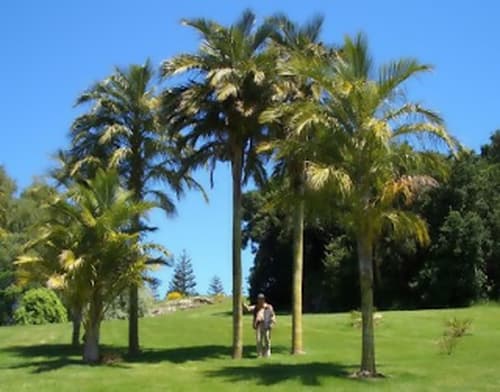
Botanical specimen of Juania Australis.
Botanical specimen of Juania Australis.
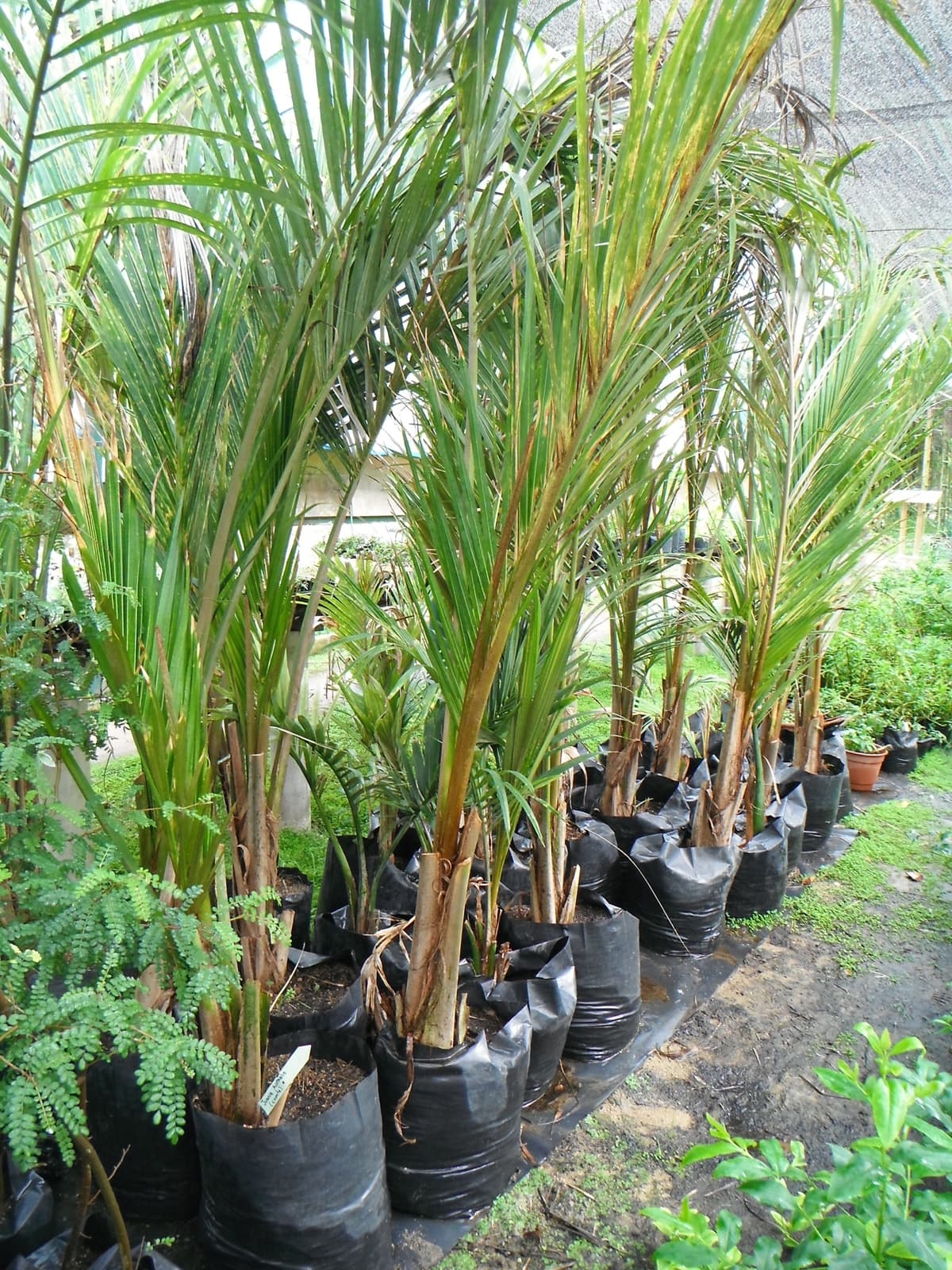
Botanical specimen of Juania Australis.
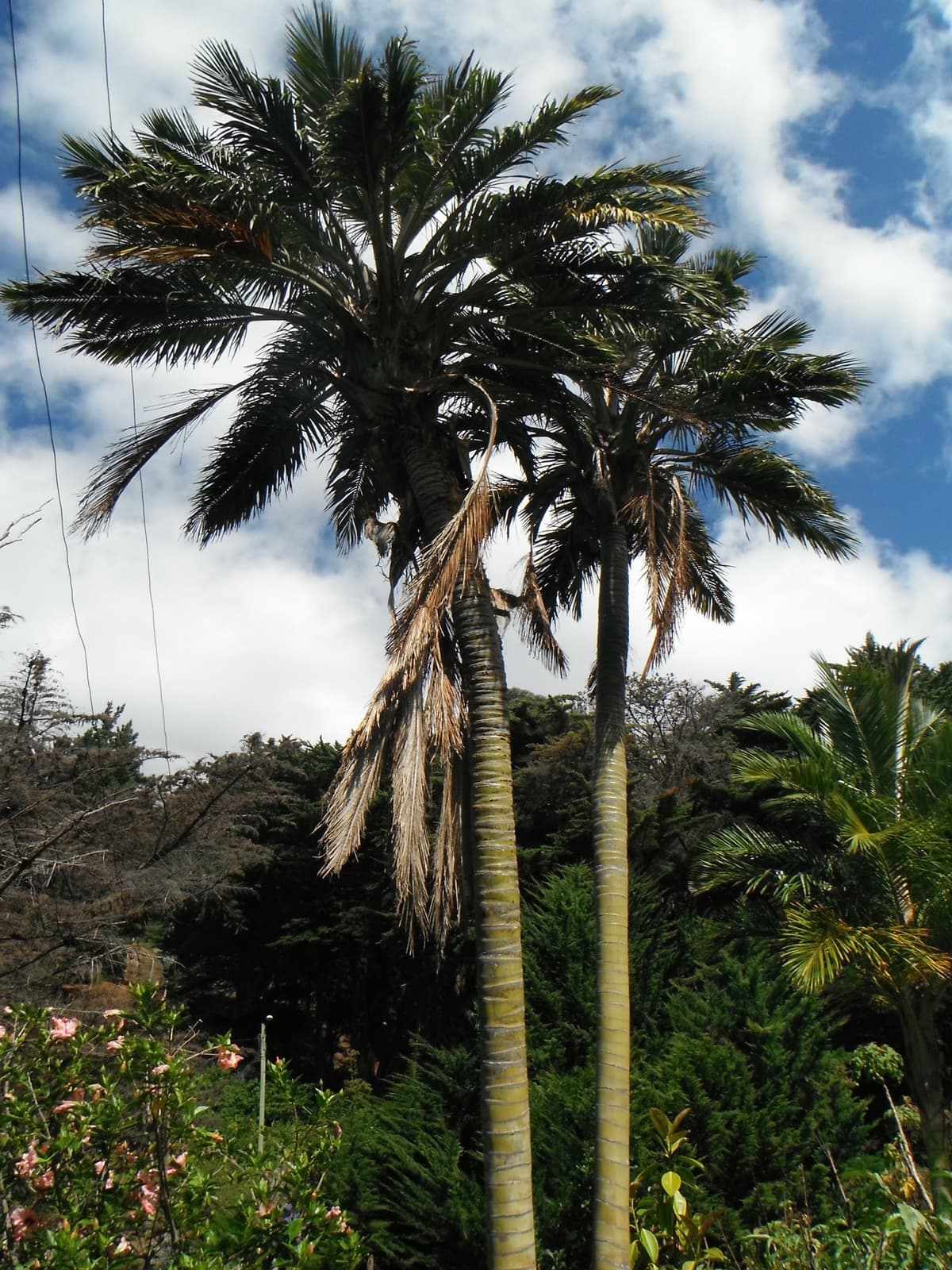
Botanical specimen of Juania Australis.
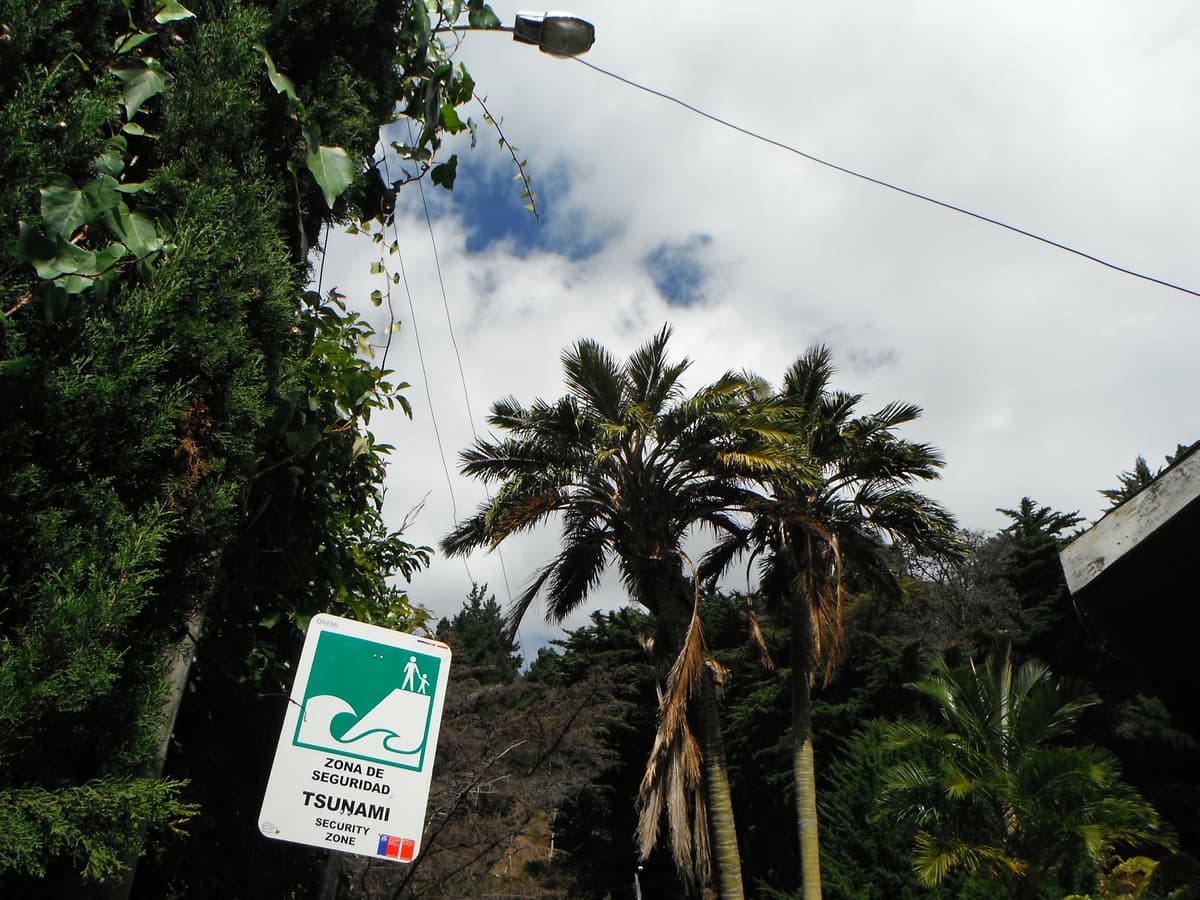
Botanical specimen of Juania Australis.