Australian fan palm
Licuala Ramsayi • Queensland fan palm • Wedge leaflet fan palm • Hessian hair fan palm • Fan palm • Chakoro
Australian fan palm in Motion
The Essence
"Licuala ramsayi is Australia's only native species of Licuala, endemic to northern and north-eastern Queensland and mostly found within about 20 km of the coast. It grows in rainforest, swamp forest, mangroves, littoral forest and diverse riparian and riverine habitats, and where conditions favour it the palm can dominate small areas to form a "fan palm forest". The Wet Tropics Management Authority states that the fan palm forests around Mission Beach make up about one half of the total fan palm forest in all of Australia; the short Licuala Rainforest Circuit in Djiru National Park walks visitors through them. Its ecology is tied to the southern cassowary (Casuarius casuarius johnsonii), which eats the orange to red fruit and disperses the seed in its droppings. Bush Heritage Australia calls the birds essential to the longevity of fan palm populations, and notes that the palms flower from November to January and fruit from January to March, through the wet season, when few other cassowary food plants are fruiting. Two varieties are accepted, var. ramsayi and var. tuckeri Barfod & Dowe. The species is little studied. The main published demographic work is Gorman's 1996 survey of the stand in Tam O'Shanter State Forest at Mission Beach, which assessed density at about 3,125 individuals per hectare and the average height of mature individuals at 10.9 m, detected generally low seedling recruitment, and concluded that the population's departure from a classic reverse-J age curve may reflect cyclone-dependent or otherwise altered recruitment rather than decline."
The epithet ramsayi honours Edward Pearson Ramsay (1842-1916), described by the Australian National Botanic Gardens as an Australian-born zoologist specialising in ornithology, with occasional plant collections, and the first Australian-born Curator of the Australian Museum, Sydney, officially appointed in 1876 and holding the post until 31 December 1894. Ferdinand von Mueller named Livistona ramsayi in his honour, and Karel Domin transferred the species to Licuala in 1915 (Bibliotheca Botanica 20(85): 500). Livistona ramsayi F.Muell. is the basionym and the only synonym POWO lists at species rank; Licuala jeanneneyi Andre, Licuala muelleri H.Wendl. & Drude and Pericycla muelleri (H.Wendl. & Drude) Drude ex Salomon are listed by POWO as synonyms of the autonymic variety, var. ramsayi. The second variety, var. tuckeri, was described by Barfod and Dowe in 2005.
Wikipedia records that the trees provided an edible cabbage to Aboriginal people, as well as thatch, food wrapping and cigarette papers made from young leaves; the Useful Tropical Plants database likewise notes that the apical bud was eaten, a practice it discourages because harvesting it kills the tree, and that a fibre can be obtained from the leaves. Bush Heritage Australia and Rainforest Rescue confirm the leaves were used for thatching, shelter from rain and wrapping food. Palmpedia notes that in the Tully area of North Queensland the palm is known by the Aboriginal name Chakoro. Bush Heritage Australia lists the main threats as large-scale clearing of coastal rainforest for agriculture and housing, wetland drainage, edge effects in fragmented remnants, feral pigs ploughing up the ground and damaging seedlings, and weed invasion including Pond Apple (Annona glabra) and Harungana (Harungana madagascariensis); it manages the 8.2-hectare Fan Palm Reserve, bought in 1993, about 50 km north of Port Douglas. Conservation listings differ by scale: the species is Least Concern on the IUCN Red List and also Least Concern under Queensland's Nature Conservation Act 1992, but Rainforest Rescue notes that Regional Ecosystem 7.3.4, mesophyll vine forest with Licuala ramsayi, is listed as "Of Concern" under Queensland's Vegetation Management Act 1999.
Natural Habitat
Recorded from rainforest, swamp forest, mangroves, littoral forest and diverse riparian and riverine habitats, on various soil types, from near sea level to 1100 m (CSIRO Australian Tropical Rainforest Plants, for var. ramsayi; var. tuckeri is recorded from near sea level to about 300 m, while the Monaco Nature Encyclopedia gives a ceiling of about 600 m). POWO classes it as a tree of the wet tropical biome and gives its range as northern and north-eastern Queensland. Bush Heritage Australia describes it as a key part of the rainforest sub-canopy, thriving in shady, humid spots and typically occurring within 20 km of the coast. The two varieties divide the range: var. tuckeri from Cape York Peninsula south to about Cooktown, and var. ramsayi from about Cooktown south to about Ingham. Palmpedia gives the main natural stands as Mission Beach, Tully, the Daintree River and Cape Tribulation, with pockets in the Bloomfield River area.
Curated Specimens
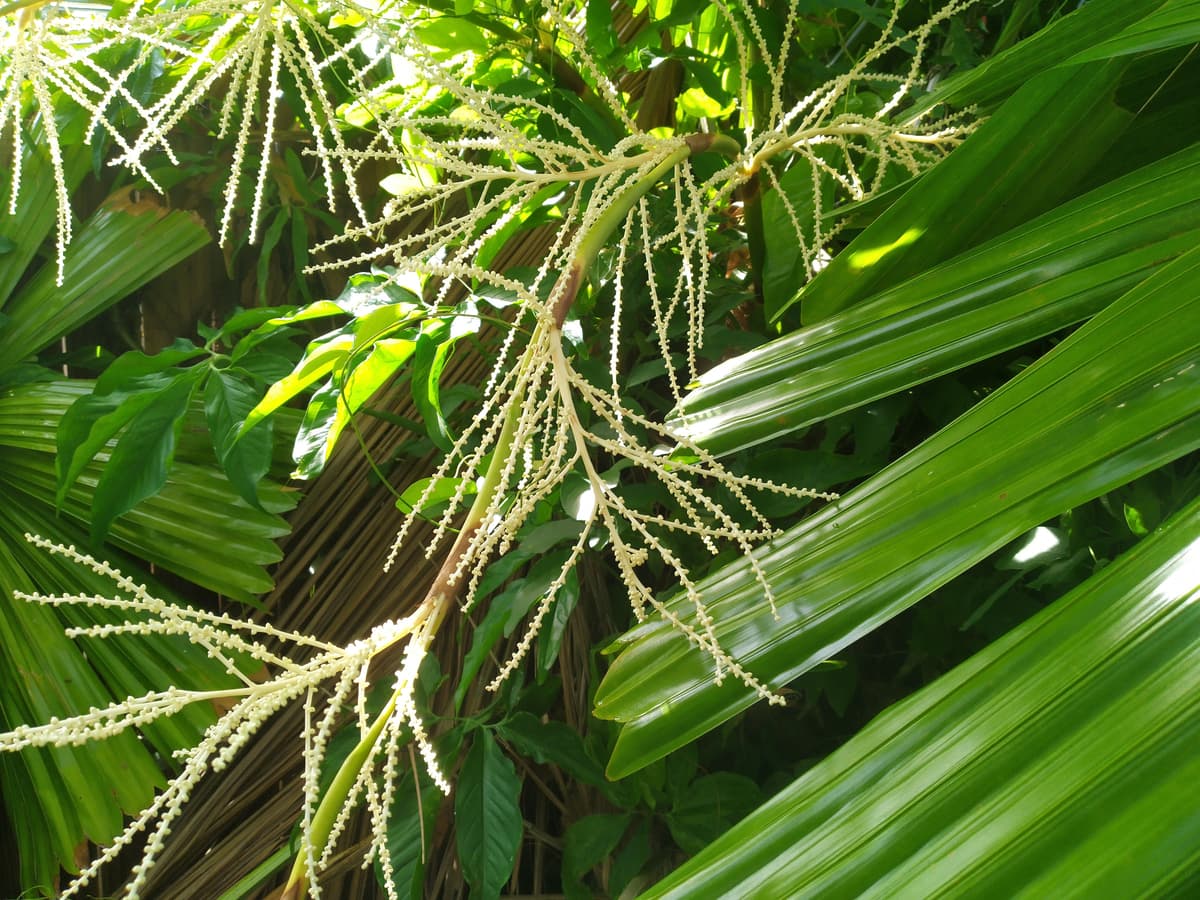
Botanical specimen of Licuala Ramsayi.
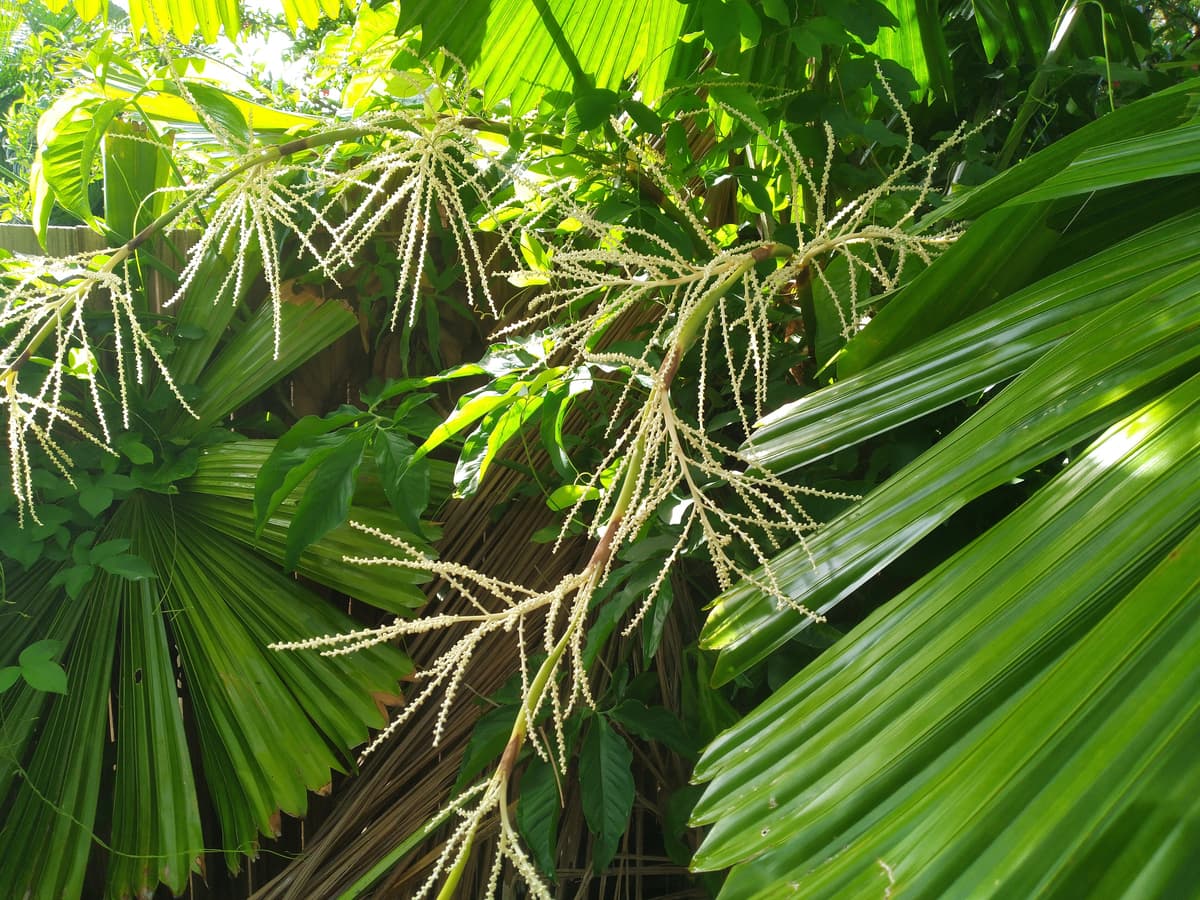
Botanical specimen of Licuala Ramsayi.
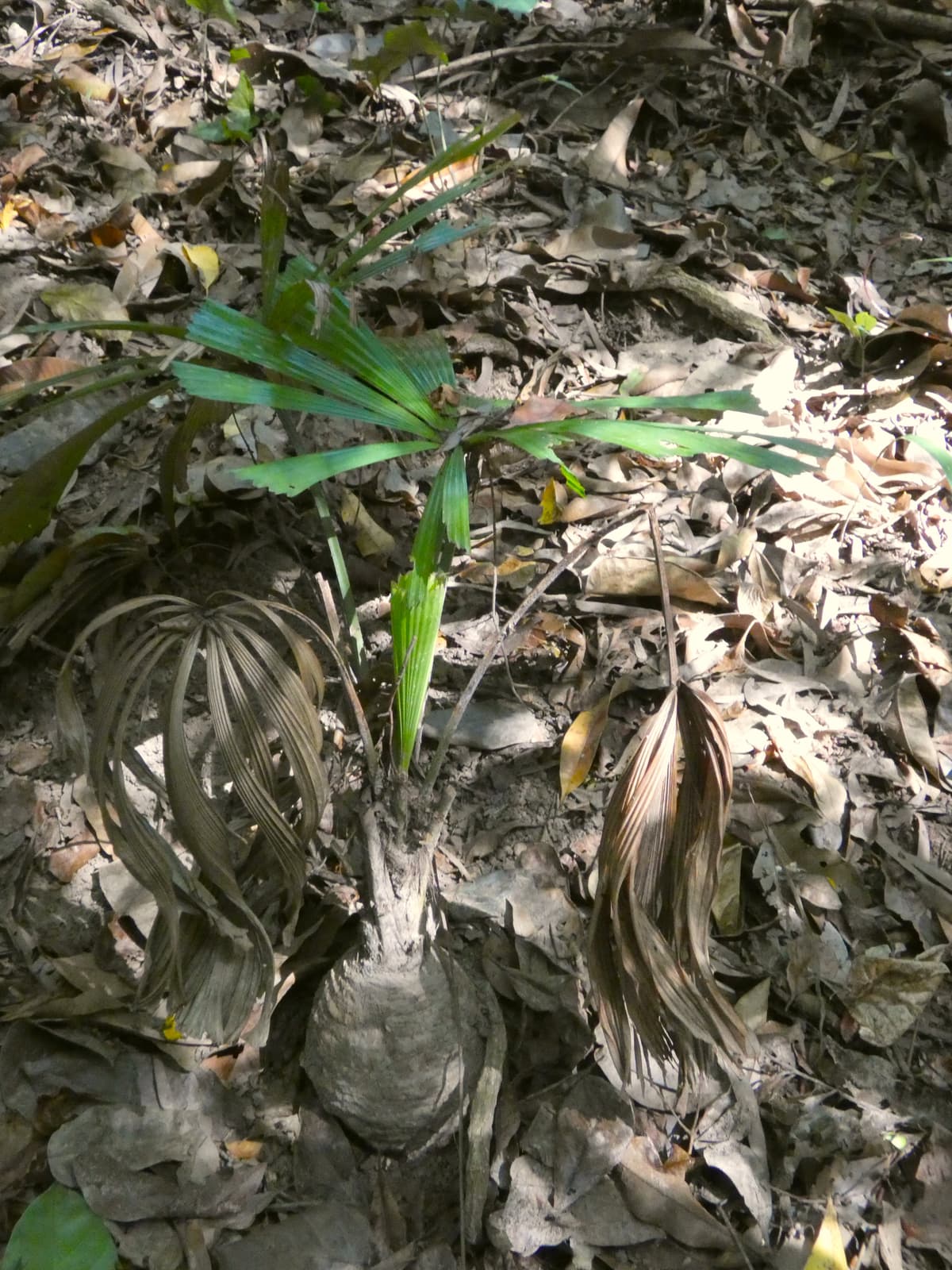
Botanical specimen of Licuala Ramsayi.
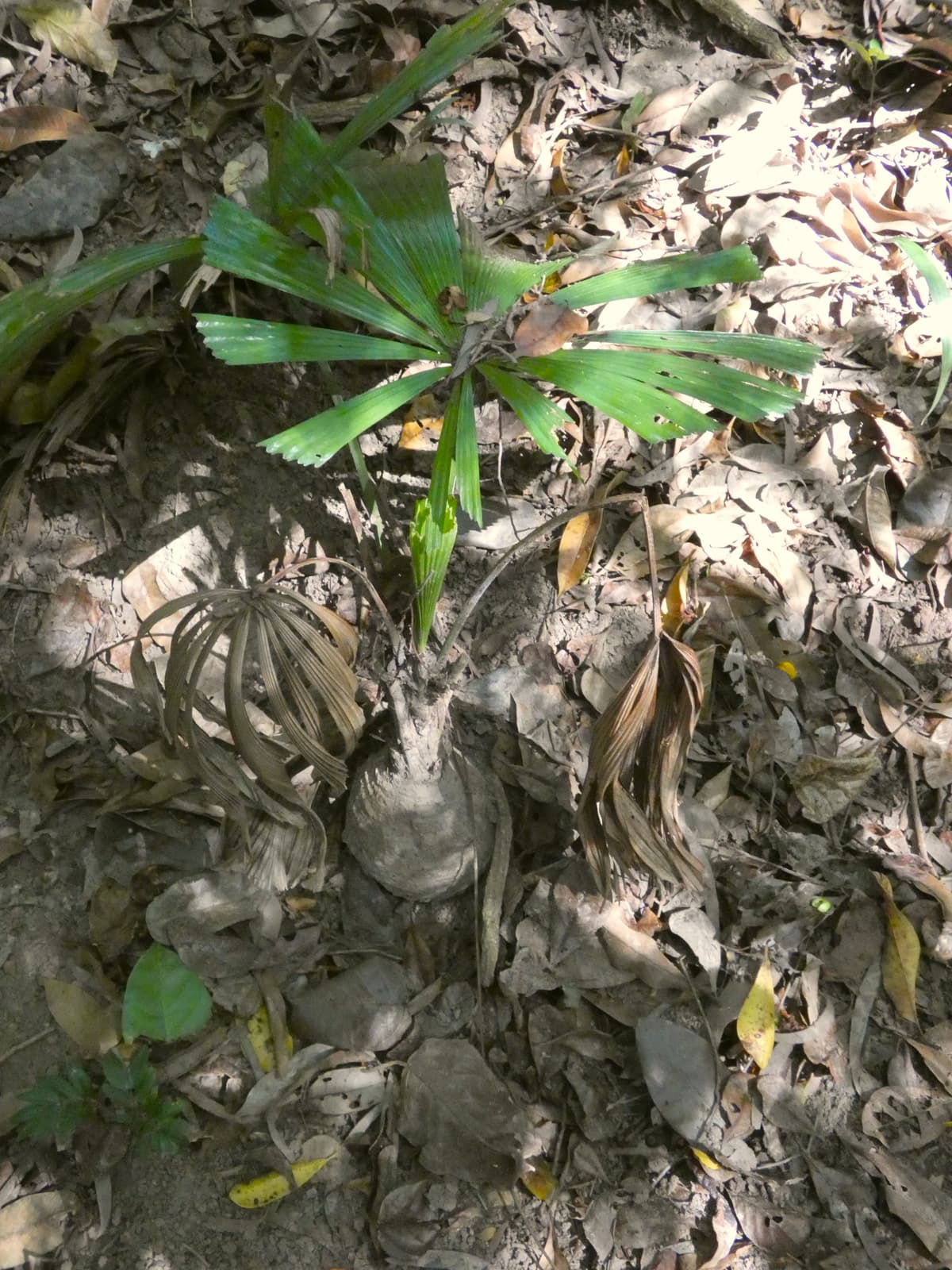
Botanical specimen of Licuala Ramsayi.
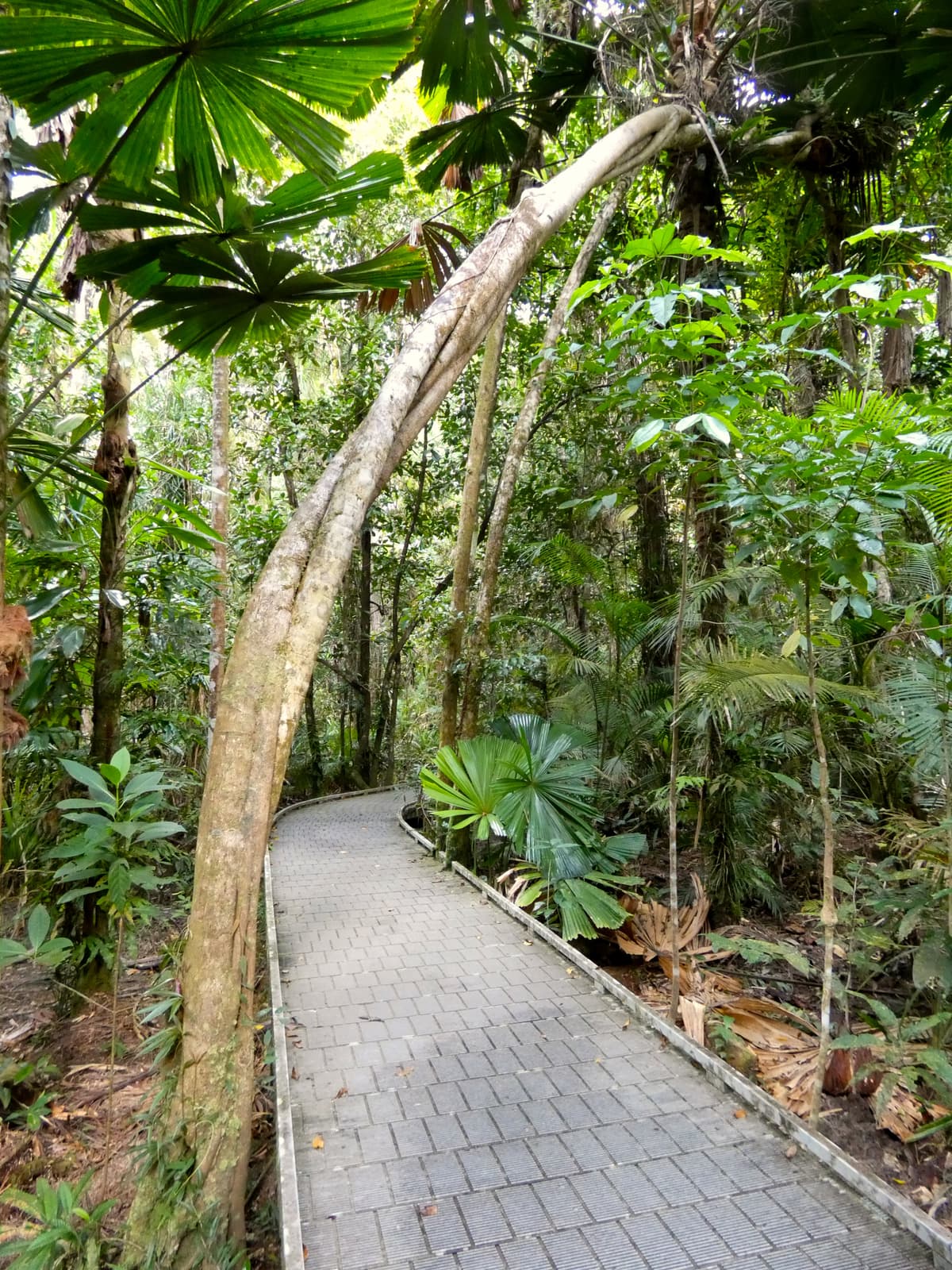
Botanical specimen of Licuala Ramsayi.