Coco de Mer
Lodoicea Maldivica • Double Coconut • Sea Coconut
Coco de Mer in Motion
The Essence
"The Coco de Mer (Lodoicea maldivica) is the giant of the palm world, producing the largest and heaviest seeds in the plant kingdom within the ancient Vallée de Mai of Praslin. This remarkable species is characterized by its Slender, solitary trunk reaching 25-30 meters, characterized by a bulbous base and distinct vertical fissures. and a Architectural array of 15-20 enormous, stiff fronds. The leaf surface is designed as a catchment system, channeling organic debris and rain to the stem.. It represents a unique evolutionary success in its native habitat."
The genus 'Lodoicea' is part of the ancient Arecaceae diversification. The species name reflects its unique morphological traits and regional heritage.
Historically, Lodoicea Maldivica has been An ancient relict from the Gondwanan breakup, isolated on granite islands for over 65 million years.. It has served as a vital biological marker for biodiversity in its native tropical ecosystems for centuries.
Natural Habitat
Thrives in specialized tropical niches, specifically adapted to the environmental pressures described as: The Coco de Mer (Lodoicea maldivica) is the giant of the palm world, producing the largest and heaviest seeds in the plant kingdom within the ancient Vallée de Mai of Praslin.
Curated Specimens
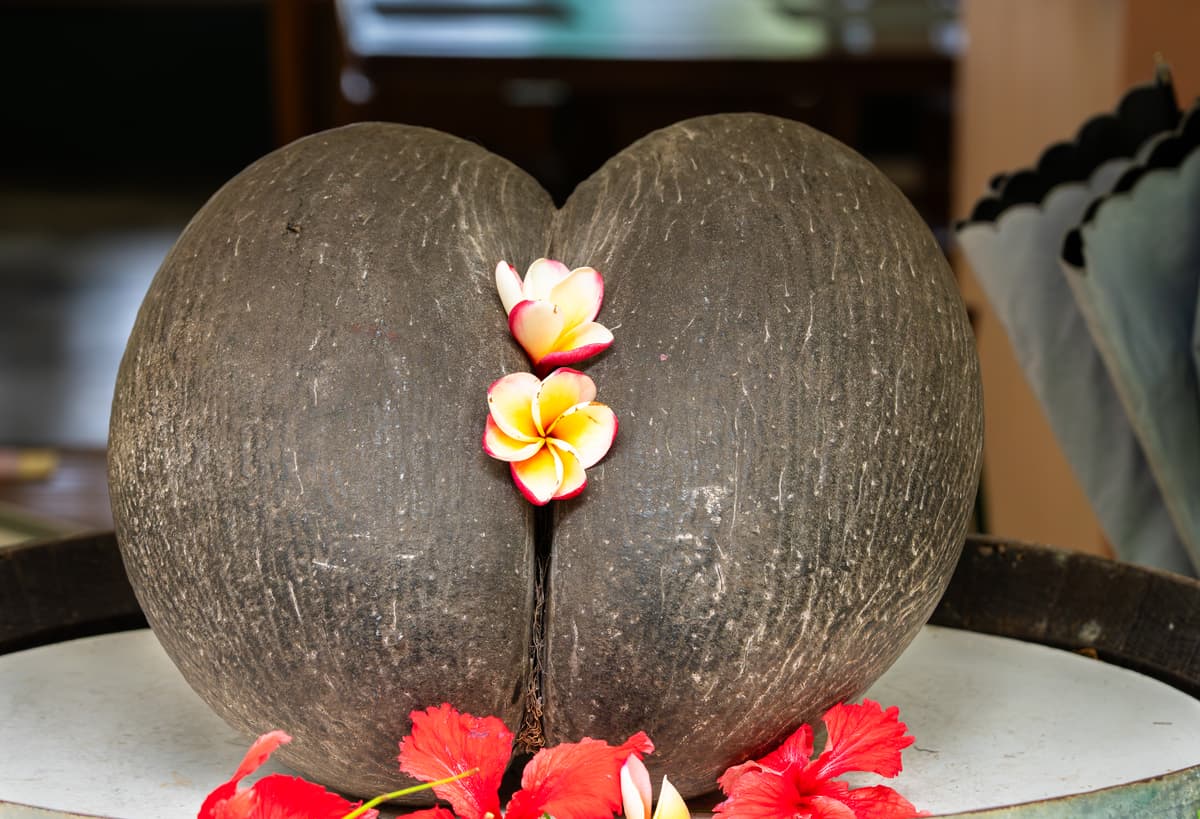
Botanical specimen of Lodoicea Maldivica.
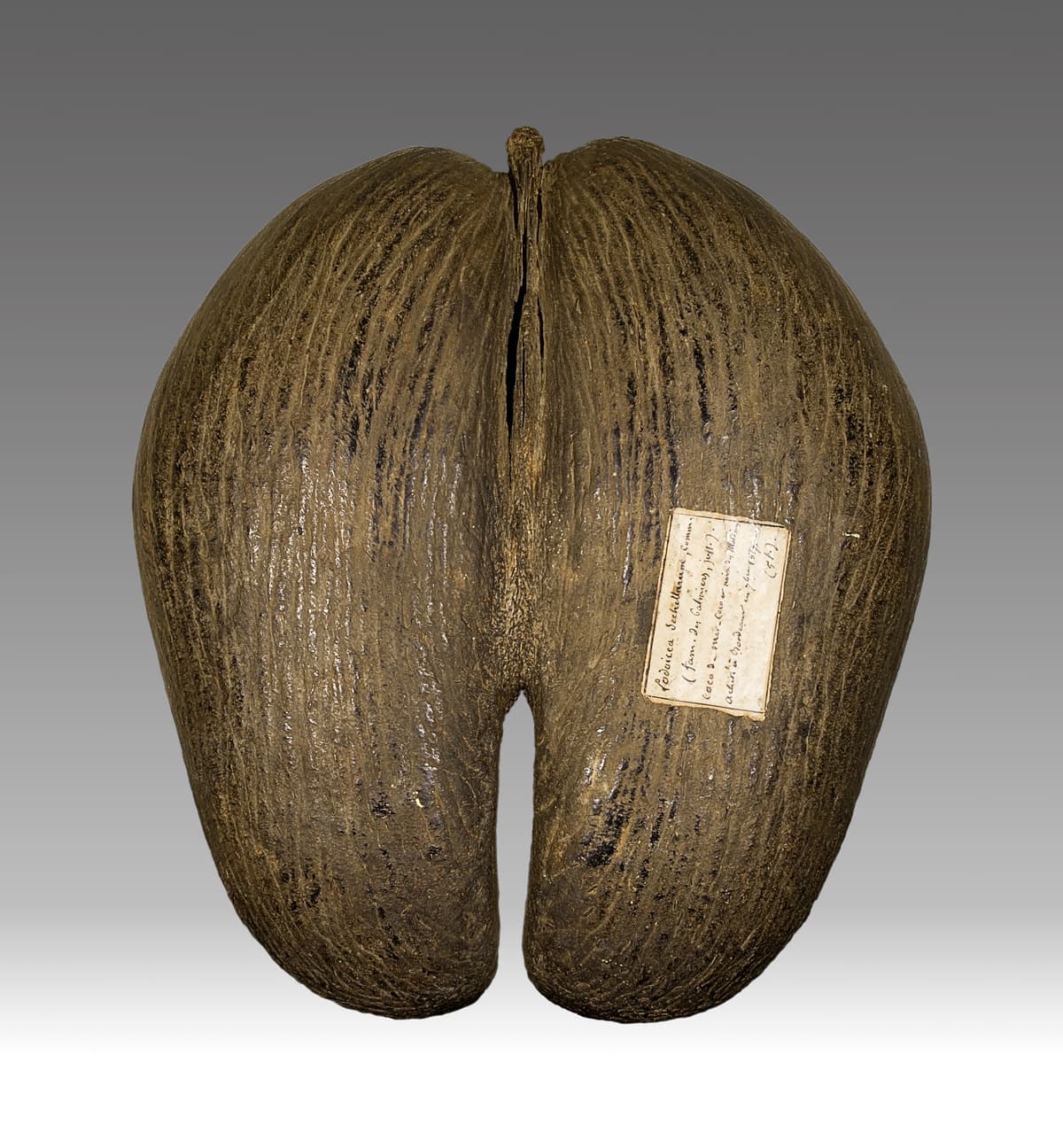
Botanical specimen of Lodoicea Maldivica.
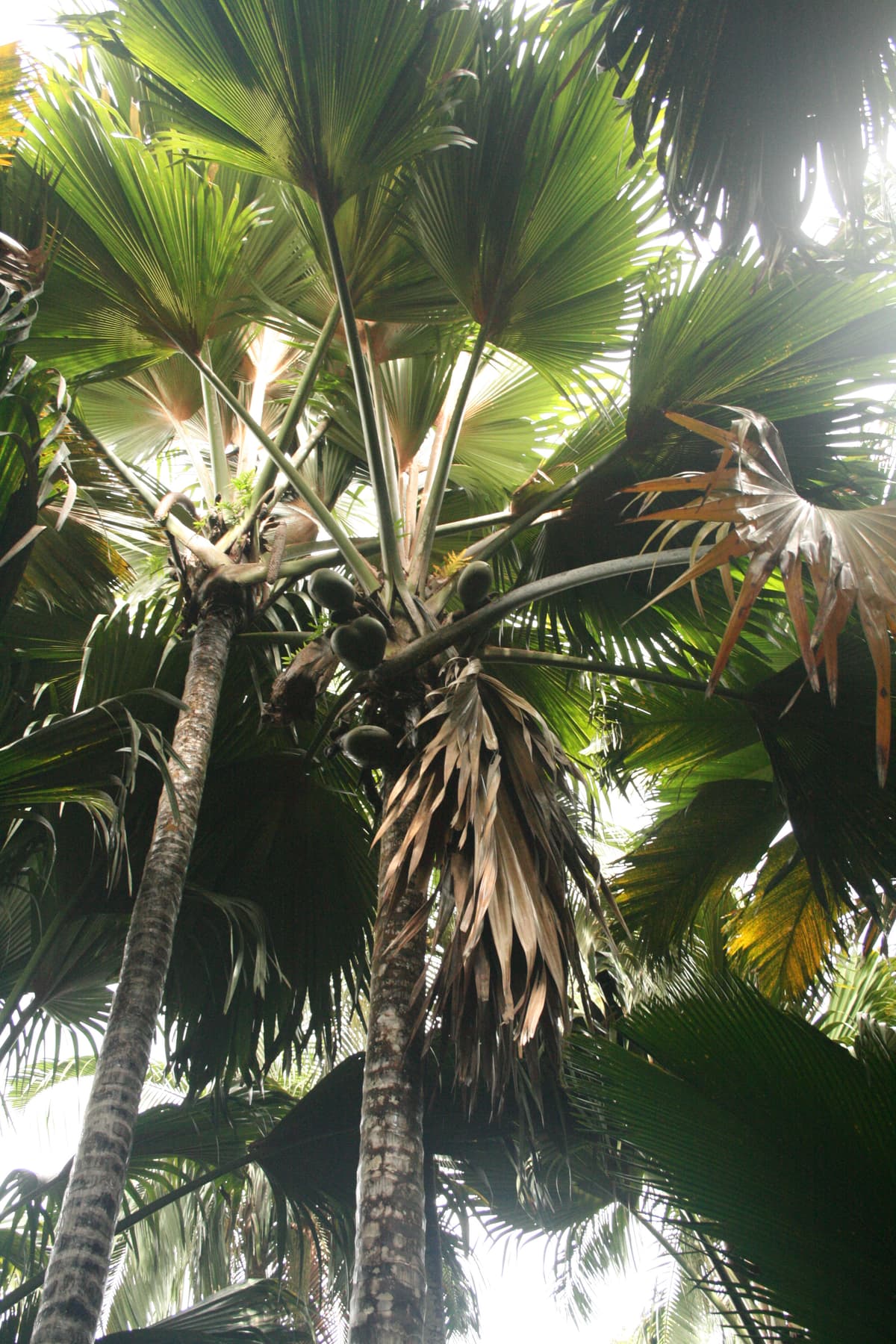
Botanical specimen of Lodoicea Maldivica.
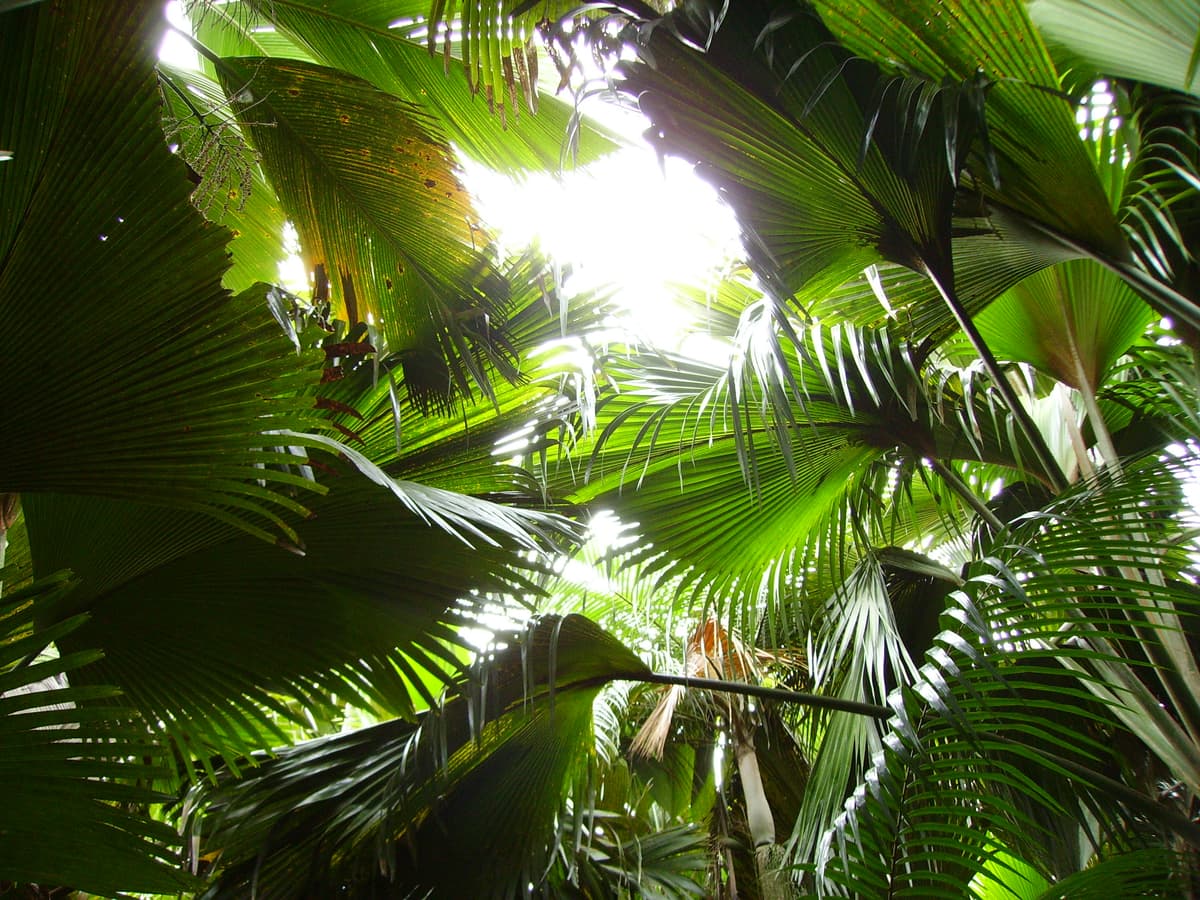
Botanical specimen of Lodoicea Maldivica.
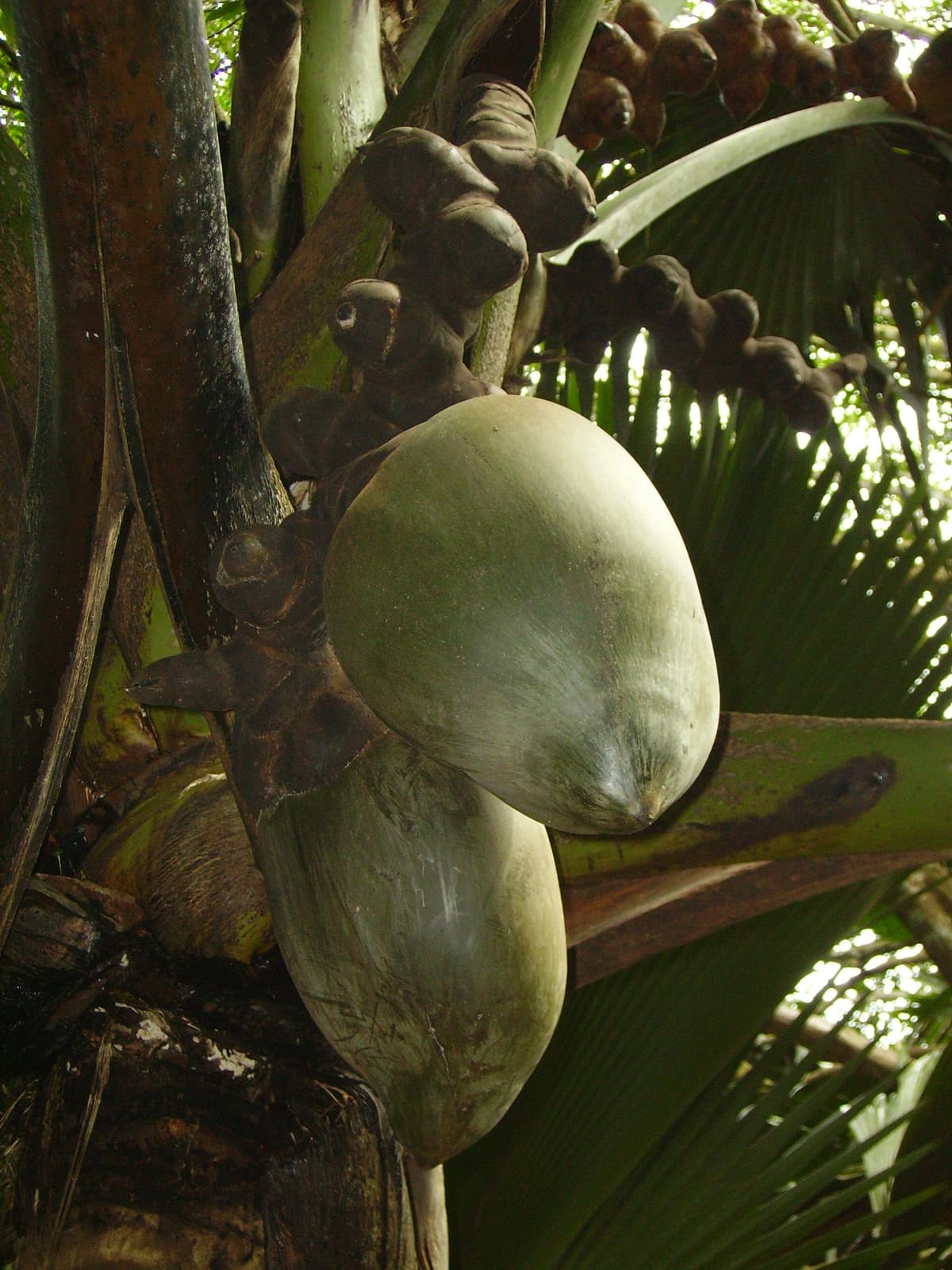
Botanical specimen of Lodoicea Maldivica.
Biology & Morphology
"A distinctive member of the Arecaceae family, Lodoicea Maldivica exhibits characteristic botanical resilience and morphological specialization adapted to its native tropical ecosystem. Its phylogenetic lineage within the Lodoicea genus reflects a history of specialized adaptation."
Morphology
Symmetrical columnar trunk with characteristic leaf-scar patterning and lignified outer cortex.
Adventitious root system spreading radially to maximize hydraulic intake in competitive soil matrices.
Distinctive unknown habit and medium stature providing a unique architectural profile.
Foliage
Vibrant green canopy featuring characteristic frond architecture optimized for photon interception and transpiration efficiency.
Specialized green tissues exhibiting moderate metabolic expansion rates.
Reproduction
Complex inflorescence branching typical of the Lodoicea clade, exhibiting seasonal reproductive synchrony.
Nutrient-dense drupes encased in a fibrous pericarp, optimized for protection and dispersal.
Dormant embryonic tissues with high endosperm density, characteristic of resilient Lodoicea specimens.
Ecology
Active rhizosphere communication with mycorrhizal fungal networks, enhancing phosphorus and micronutrient uptake.
Interlocked with local entomological vectors, primarily Meliponini bees or specialized coleoptera.
Gravity-mediated and animal-vectored dispersal mechanisms ensuring regional genetic distribution.
Germination & Propagation
Germination Timeline
Submersion in high-purity tropical freshwater to initiate endocarp hydration.
Burial in deep, shadows-drenched humus; maintenance of absolute thermal stability at 28°C.
Monitoring for the 'terminal tube' emergence—a thick, woody projection that can travel 4 meters before leafing.
Terminology
The characteristic 'double' seed shape, resembling two fused coconuts.
A fruit that does not open at maturity to reveal its seeds, requiring slow decay to release its giant cargo.
The state of being native to a single defined geographic location, such as the Vallée de Mai.
Cultivation & Care
Light
Filter sun to partial shade for juveniles; full sun for mature specimens. High light intensity is required for robust petiole development.
Water
Regular consistent moisture without waterlogging. Target a damp-but-not-wet substrate state. Humidity should be maintained above 80% to prevent leaf tip necrosis.
Soil
Hyper-rich, deep organic humus with exceptional drainage. Use a mix of leaf mold, bark, and volcanic grit.
The most sensitive palm in cultivation. Movement is fatal; environmental stability is the only path to success.
Pests, Diseases & Care
Pests
Chrysomphalus aonidum (Florida Red Scale)
MODERATEYellow spotting and premature leaf drop in high-humidity zones.
Introduction of Aphytis holoxanthus (parasitic wasp).
Rhynchophorus phoenicis (African Palm Weevil)
CRITICALInternal tissue destruction leading to structural failure.
Sanitation of wounded tissues and systemic chemical protection.
Diseases
Colletotrichum spp. (Anthracnose)
MODERATEBlack necrotic spots on leaflets under high humidity.
Copper-based fungicides and reduction of overhead irrigation.
Ganoderma zonatum (Butt Rot)
LETHALRadial wood decay and structural instability at the base.
No chemical cure; immediate isolation and removal.
Nutritional Deficiencies
Interveinal chlorosis (Younger fronds)
Chelated Fe-EDDHA Soil Pulse
Marginal chlorosis (Older fronds)
Mg-Sulfate (Kieserite) saturation
Frizzletop / Distorted spear
Systemic Mn-Sulfate application
Care Tips
Biosurveillance pulse synchronized for Global regional vectors.
Apply prophylactic fungicidal drench in the nocturnal phase.
Improve canopy ventilation to disrupt fungal sporulation cycles.