Cuban Royal Palm
Roystonea Regia • Palma Real
Cuban Royal Palm in Motion
The Essence
"The royal palm (Roystonea regia), also known as the Cuban royal palm or Florida royal palm, is a large, stately solitary palm prized across the tropics and subtropics as an ornamental and avenue tree. Its appeal comes from a smooth grey trunk, tapered at both ends and broadest toward the lower middle, topped by a green crownshaft and a crown of around 15 spreading leaves up to about 4 m (13 ft) long. Mature plants typically reach 20-30 m (66-98 ft), with exceptional individuals recorded to 34.5 m (113 ft). Small white to cream flowers with pinkish anthers give way to spheroid fruit that ripen from green through red to a dark purplish-black. Native to southern Florida, Mexico, Central America and the Caribbean, it is the national tree of Cuba and carries religious significance there. It is cold hardy to about 28 degrees F (USDA Zone 10A), so it suits frost-free climates. Beyond its beauty, it is adaptable to both wet and dry sites once established, making it a forgiving choice for warm-climate gardeners."
The genus Roystonea was named by O. F. Cook in honour of Roy Stone, a U.S. Army engineer, and the species epithet regia is Latin for 'royal'.
It is the national tree of Cuba and holds religious significance in both Santeria (where it is associated with the orisha Shango) and Christianity (through its role in Palm Sunday observances).
Natural Habitat
Roystonea regia is native to southern Florida, north-central and southeastern Mexico (Veracruz, Campeche, Quintana Roo and Yucatan), Central America and the Caribbean, including Cuba, the Cayman Islands, Hispaniola, the Lesser Antilles and The Bahamas. It grows primarily in the wet tropical biome, inhabiting forest and woodland from sea level up to about 1,800 m. In Cuba it occurs on hillsides and in valleys; in southern Florida it is found in strand swamps and hardwood hammocks; and in the Cayman Islands it grows in swampy woodlands and clearings.
Curated Specimens

Botanical specimen of Roystonea Regia.
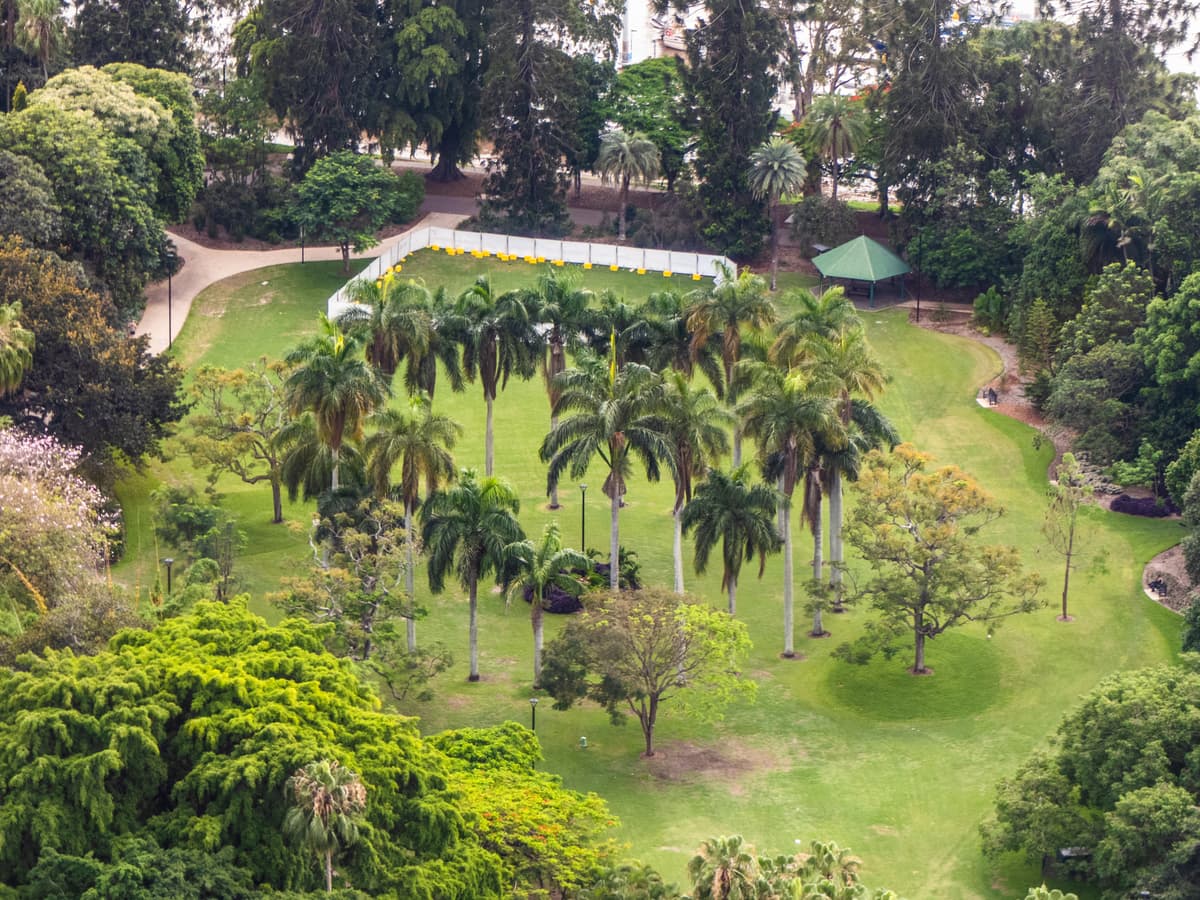
Botanical specimen of Roystonea Regia.
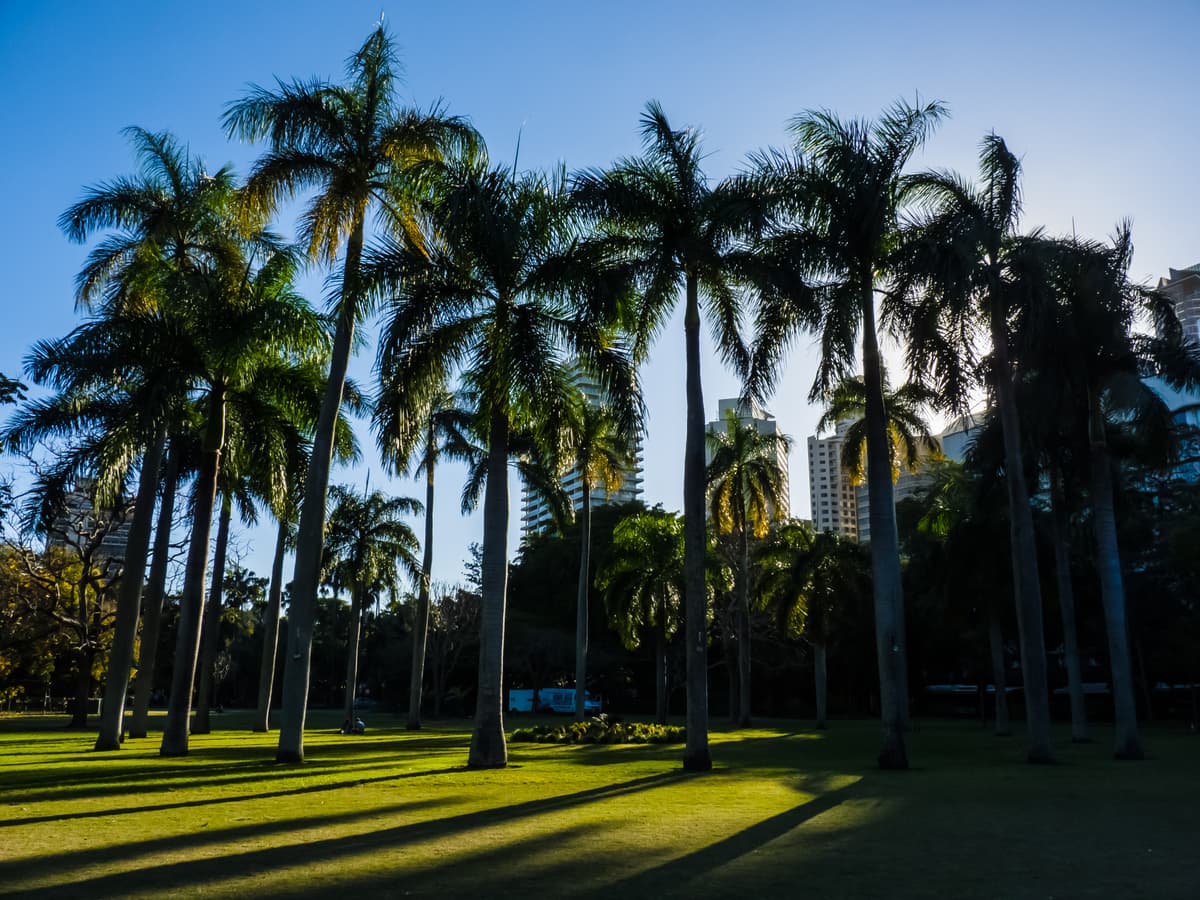
Botanical specimen of Roystonea Regia.

Botanical specimen of Roystonea Regia.
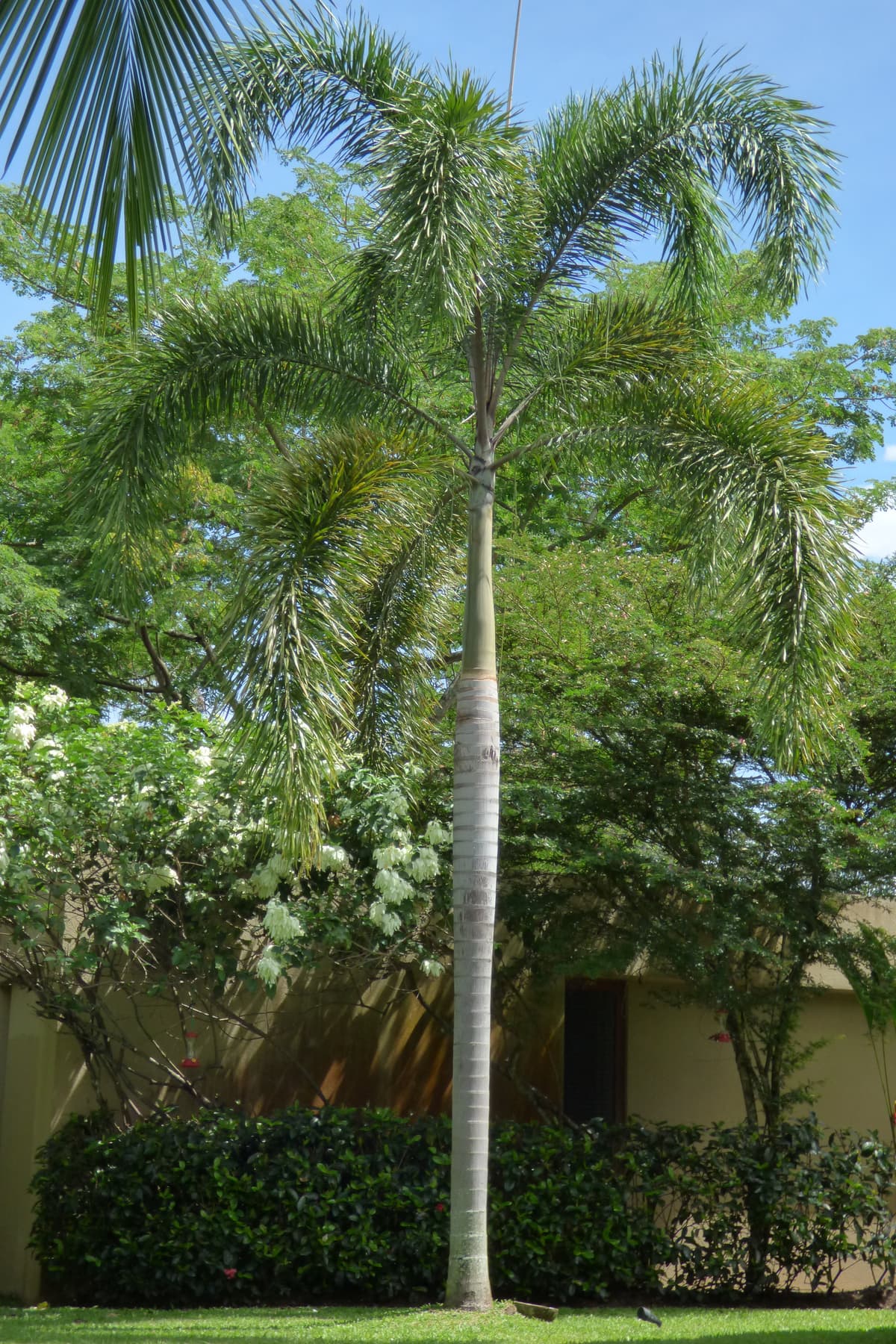
Botanical specimen of Roystonea Regia.
Biology & Morphology
"A large solitary palm with a smooth grey trunk (about 47 cm / 19 in diameter) tapered at both ends and broadest toward the lower middle, a green crownshaft, around 15 leaves up to 4 m (13 ft) long, small white-to-cream flowers, and spheroid fruit that ripen from green through red to dark purplish-black."
Morphology
Solitary, erect trunk with prominent vascular reinforcement and dense fibrous layering.
Adventitious root system spreading radially to maximize hydraulic intake in competitive soil matrices.
Distinctive solitary habit and large stature providing a unique architectural profile.
Foliage
Vibrant green canopy featuring feather-like pinnate fronds with reinforced midribs and high surface-area leaflets.
Specialized green tissues exhibiting fast metabolic expansion rates.
Reproduction
Complex inflorescence branching typical of the Roystonea clade, exhibiting seasonal reproductive synchrony.
Nutrient-dense drupes encased in a fibrous pericarp, optimized for protection and dispersal.
Dormant embryonic tissues with high endosperm density, characteristic of resilient Roystonea specimens.
Ecology
Active rhizosphere communication with mycorrhizal fungal networks, enhancing phosphorus and micronutrient uptake.
Interlocked with local entomological vectors, primarily Meliponini bees or specialized coleoptera.
Gravity-mediated and animal-vectored dispersal mechanisms ensuring regional genetic distribution.
Germination & Propagation
Germination Timeline
Hydration soak.
Incubation in moist media.
Sprout emergence.
Seeds sown without special scarification at warm temperatures germinate well, though they may take several months to emerge.
Cultivation & Care
Light
Documented as a sun-grown ornamental of open and disturbed tropical habitats.
Water
Adaptable to both wet and dry conditions: it grows well in wet soils and tolerates wet sites, yet is quite drought tolerant once established.
Soil
Tolerates a range of soils, including calcareous native or fill soils, though on these it is prone to potassium, manganese and boron deficiencies. It grows well in wet soils and is moderately tolerant of salt spray, but intolerant of high salt concentrations in the root zone.
Cold hardy only to about 28 degrees F (USDA Zone 10A), so it needs a frost-free climate. It is susceptible to bud rot caused by Phytophthora palmivora and Thielaviopsis paradoxa, and is considered invasive in some secondary forests in Panama.
Pests, Diseases & Care
Pests
Promecotheca caerulipennis (Fiji Leafminer)
MODERATEBlistering of leaflets leading to significant photosynthetic loss.
Augmentation of native hymenopteran parasitoids.
Rhynchophorus ferrugineus (Red Palm Weevil)
CRITICALLethal internal boring; often undetected until crown collapse.
Acoustic monitoring and early-stage trunk infusion with fipronil.
Diseases
Thielaviopsis punctulata (Black Scorch)
HIGHBlackening and dwarfing of newly emerging fronds.
Wound protection and application of thiophanate-methyl.
Phytophthora palmivora (Bud Rot)
CRITICALNecrosis of the spear leaf and decay of the meristem.
Fosetyl-Al application and optimizing canopy ventilation.
Nutritional Deficiencies
Interveinal chlorosis (Younger fronds)
Chelated Fe-EDDHA Soil Pulse
Marginal chlorosis (Older fronds)
Mg-Sulfate (Kieserite) saturation
Frizzletop / Distorted spear
Systemic Mn-Sulfate application
Care Tips
Biosurveillance pulse synchronized for Global regional vectors.
Apply prophylactic fungicidal drench in the nocturnal phase.
Monitor apical meristem for early acoustic signals of borer activity.
Improve canopy ventilation to disrupt fungal sporulation cycles.
Sources & Conservation
Curated- Roystonea regia - Wikipedia · accessed 2026-06
- Roystonea regia (Kunth) O.F.Cook | Plants of the World Online | Kew Science · accessed 2026-06
- Roystonea regia general information | Plants of the World Online | Kew Science · accessed 2026-06
- ENH-732/ST574: Roystonea regia: Royal Palm - UF/IFAS Ask IFAS · accessed 2026-06
- Roystonea (genus etymology) - Wikipedia · accessed 2026-06
- Roystonea regia - IUCN Red List of Threatened Species (e.T62329A59233195, assessed Least Concern, published 2021) · accessed 2026-06