High Plateau coconut palm
Beccariophoenix Alfredii • Manalazina
High Plateau coconut palm in Motion
The Essence
"Beccariophoenix alfredii is a robust solitary palm endemic to Madagascar, described only in 2007 from the western slopes of the High Plateau at about 20 degrees south. It grows to roughly 15 m, with a bare grey-brown trunk 28-30 cm across, closely ringed with leaf scars, and a crown of 30-36 pinnate leaves - a silhouette close enough to a coconut palm, to which the genus is closely related, that growers treat it as a coconut substitute for cooler climates. The only scientifically confirmed locality is Manalazina, where the describing authors estimated at least 500 mature individuals lining the sandy banks of tributaries of the Mania River at around 1,050 m; the palm becomes abruptly rare toward the Mania itself, with fewer than twenty individuals on its banks. The later IUCN assessment puts the population at 900-1,100 mature individuals in a single location. Further populations are suspected but unconfirmed: satellite-imagery analysis by Kew GIS specialist Justin Moat identified similar habitat farther away, and neither Vilanitelo, where Alfred Razafindratsira's collectors first photographed the palm, nor Marovato, a large stand his collectors later located, was revisited by the describing team. There it is the dominant and only canopy species of a narrow gallery forest set in high-plateau grassland and scrubby savanna that burns occasionally. The flattened fruits are dispersed mainly by water, and seedlings are sometimes found growing in the water itself. The IUCN Red List assesses the species as Vulnerable under criterion D2, listing fire and the gathering of wild plants among its threats, though the 2007 describers considered the Manalazina population relatively secure behind natural mountain barriers, in a region with one of the lowest human population densities in Madagascar."
The genus name Beccariophoenix honours the Italian botanist Odoardo Beccari (1843-1920). The epithet alfredii honours Alfred Razafindratsira, a horticulturist in Antananarivo; the describing authors dedicated the species to him in recognition of his crucial role in its discovery and as an acknowledgement of their debt of gratitude.
The palm first came to notice in 2002, when Alfred Razafindratsira spotted a Beccariophoenix in photographs of vegetation around Andrembesoa, taken southwest of Antsirabe during a hunt for Pachypodium, far from every known locality of the genus. He travelled to Vilanitelo himself and confirmed the palm, noting its unusual flattened fruit. An expedition in May 2004 by Rakotoarinivo, Ranarivelo and colleagues found the Manalazina population on its fourth day, and the species was published in 2007 in Palms 51(2): 63-75.
Natural Habitat
Gallery forest along sandy riverbeds at about 1,050 m (3,440 ft) on the western High Plateau of Madagascar, within grassland and scrubby savanna subject to occasional fires. The climate is subhumid temperate: average temperature 15-20 C, rainfall generally under 1,500 mm, and a dry season of about five months. The palm grows solely on sandy soils, in a region of otherwise ferralitic soils, and is the dominant and only canopy species of its gallery forest. The IUCN assessment gives an elevation range of 950-1,100 m and a single known location. POWO classes it in the wet tropical biome.
Curated Specimens
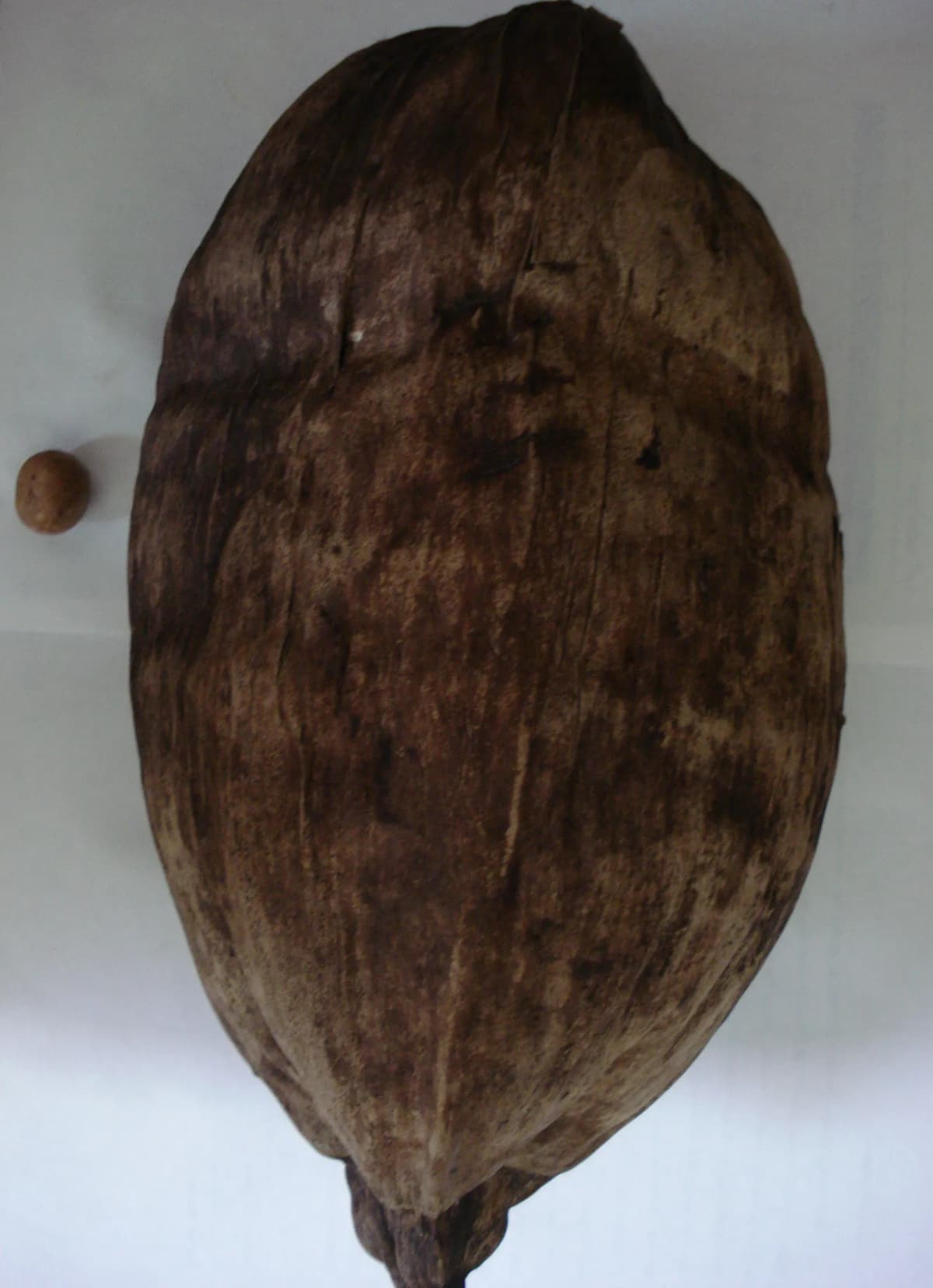
Botanical specimen of Beccariophoenix Alfredii.
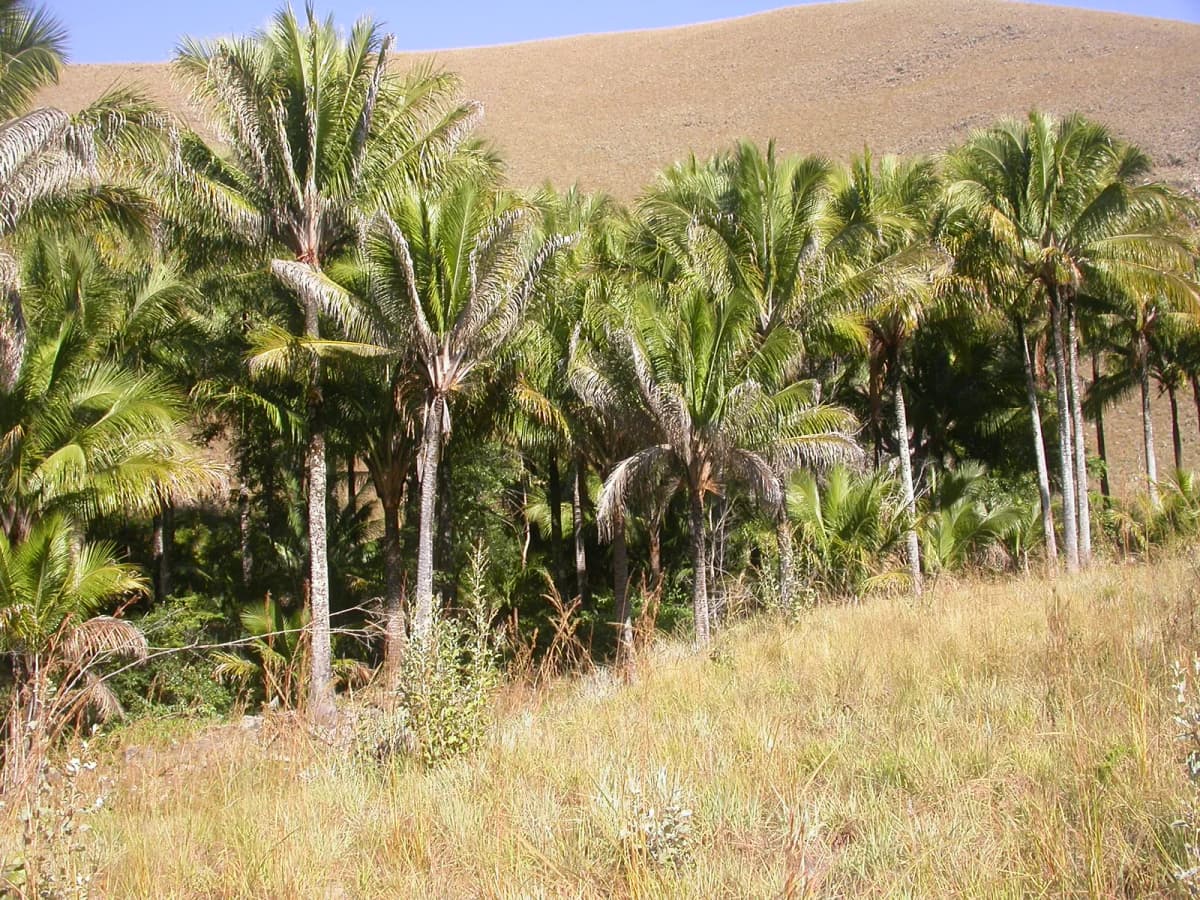
Botanical specimen of Beccariophoenix Alfredii.
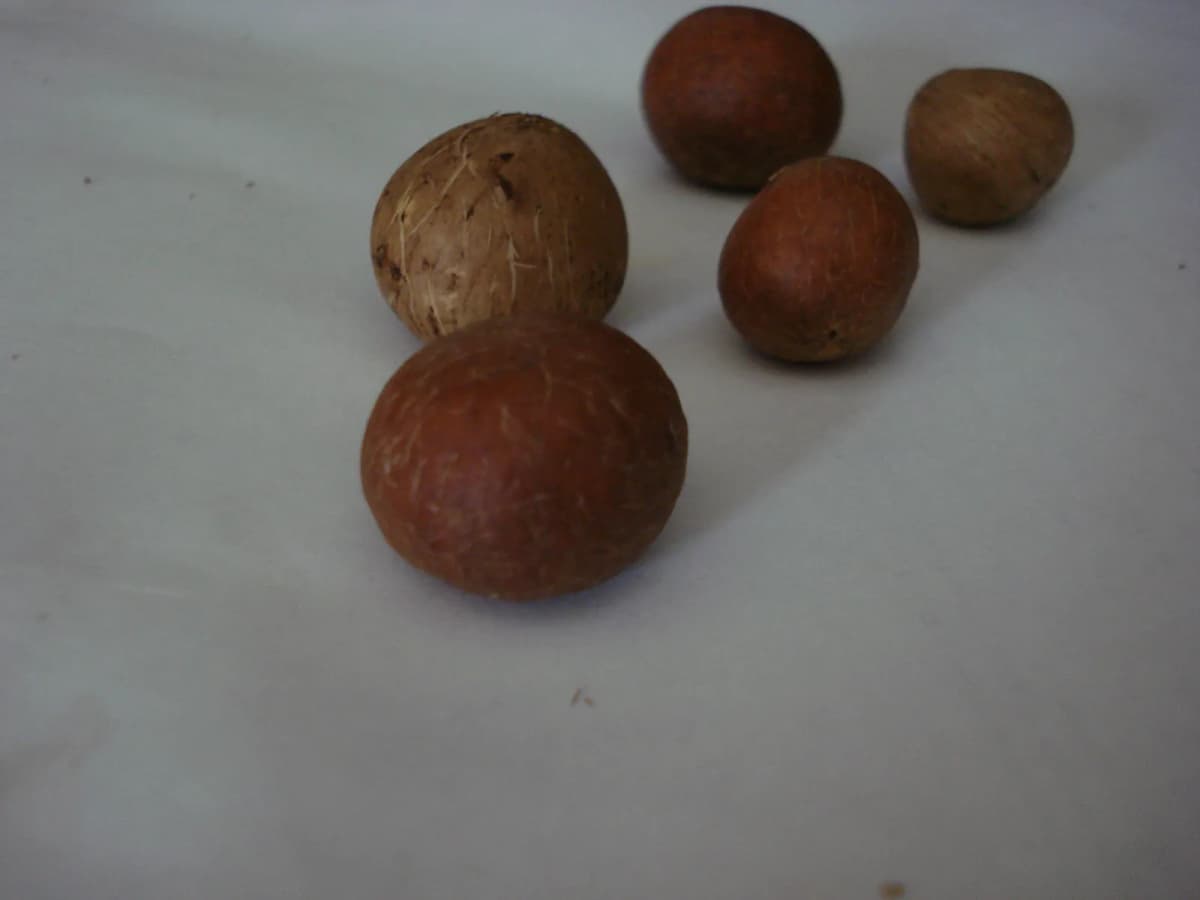
Botanical specimen of Beccariophoenix Alfredii.
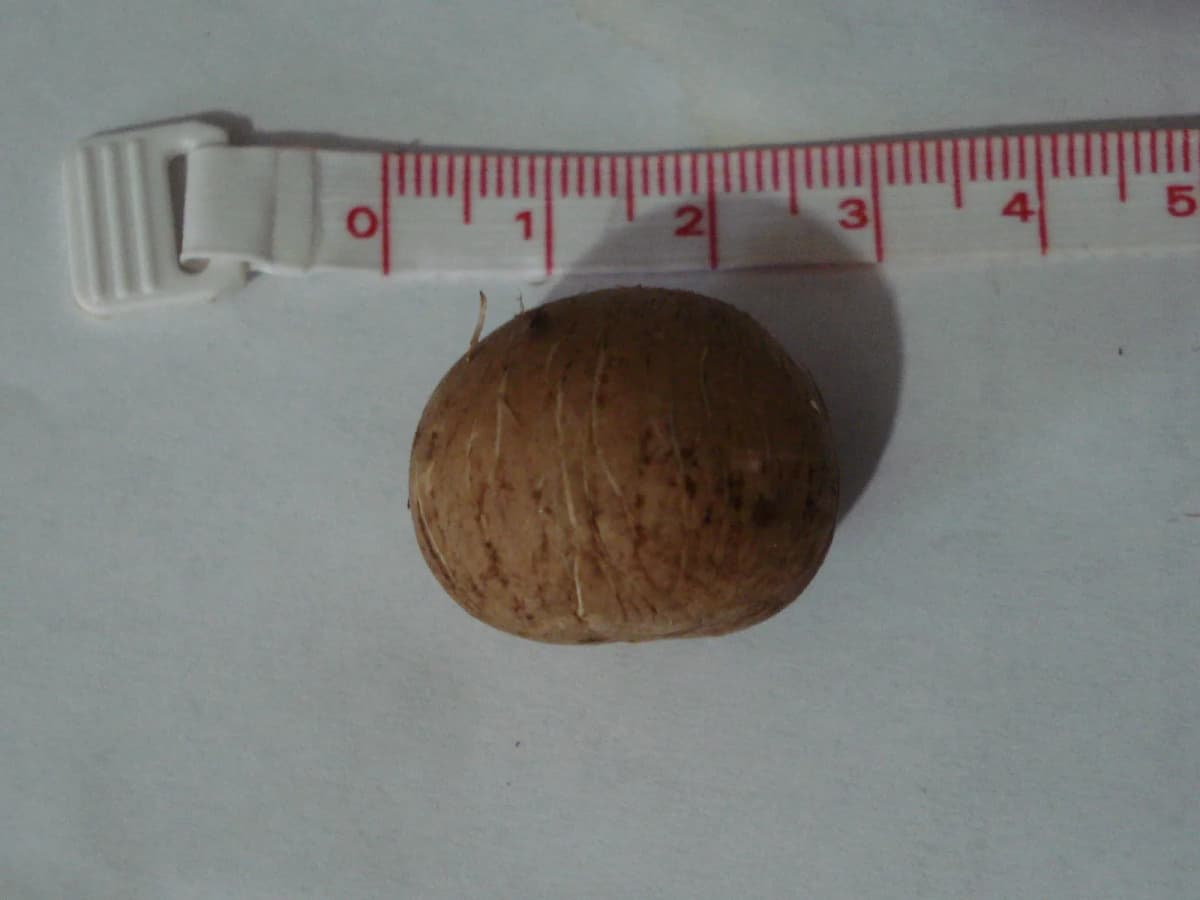
Botanical specimen of Beccariophoenix Alfredii.
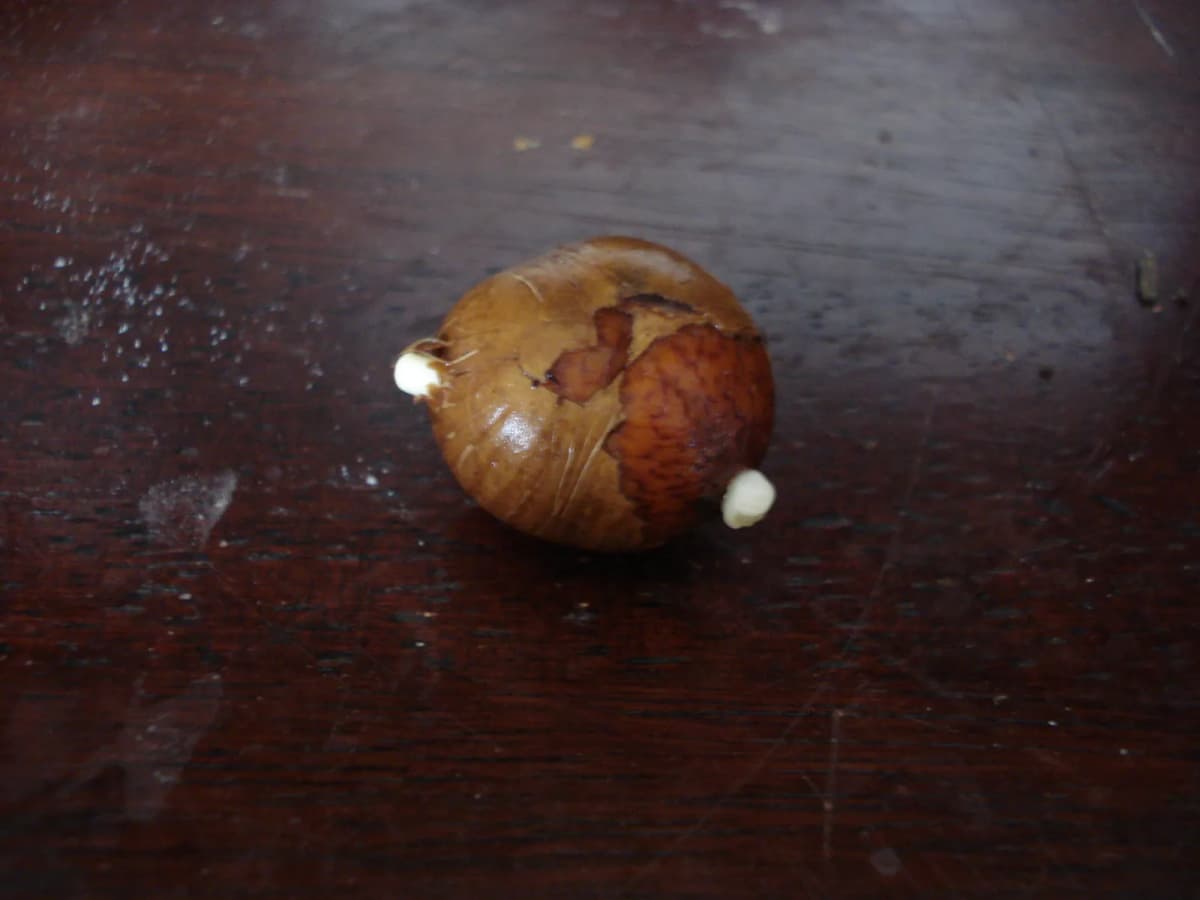
Botanical specimen of Beccariophoenix Alfredii.
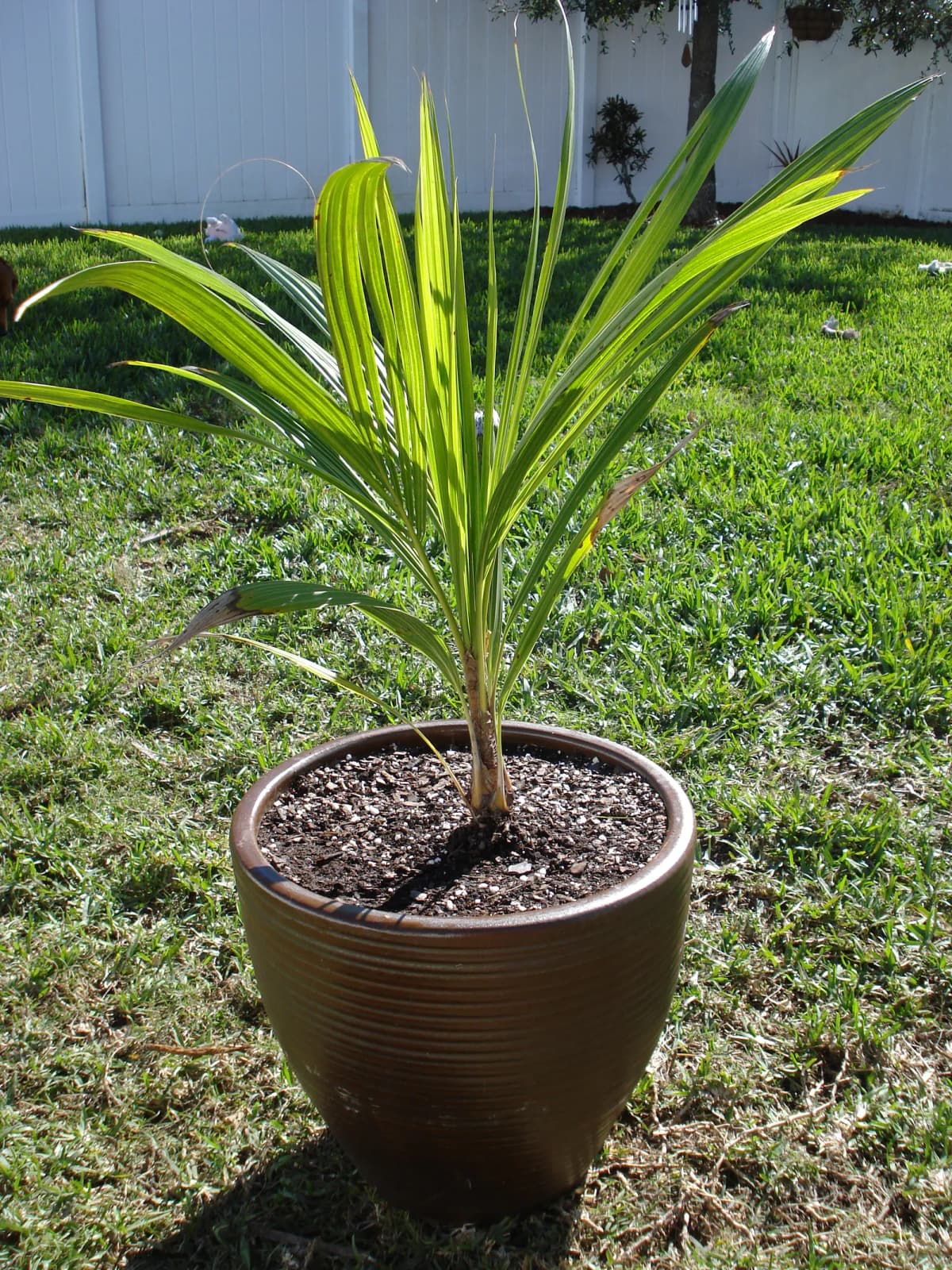
Botanical specimen of Beccariophoenix Alfredii.
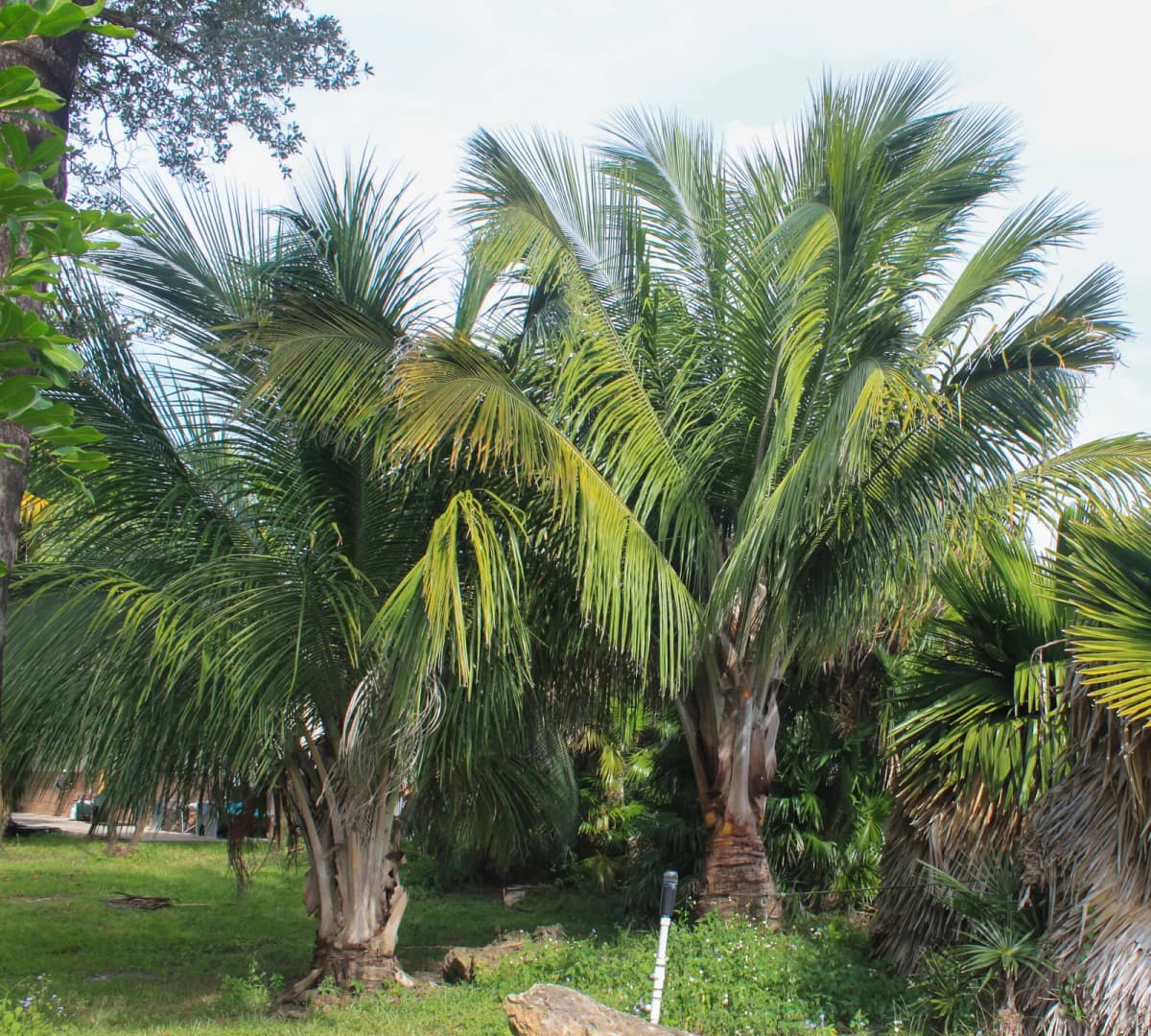
Botanical specimen of Beccariophoenix Alfredii.
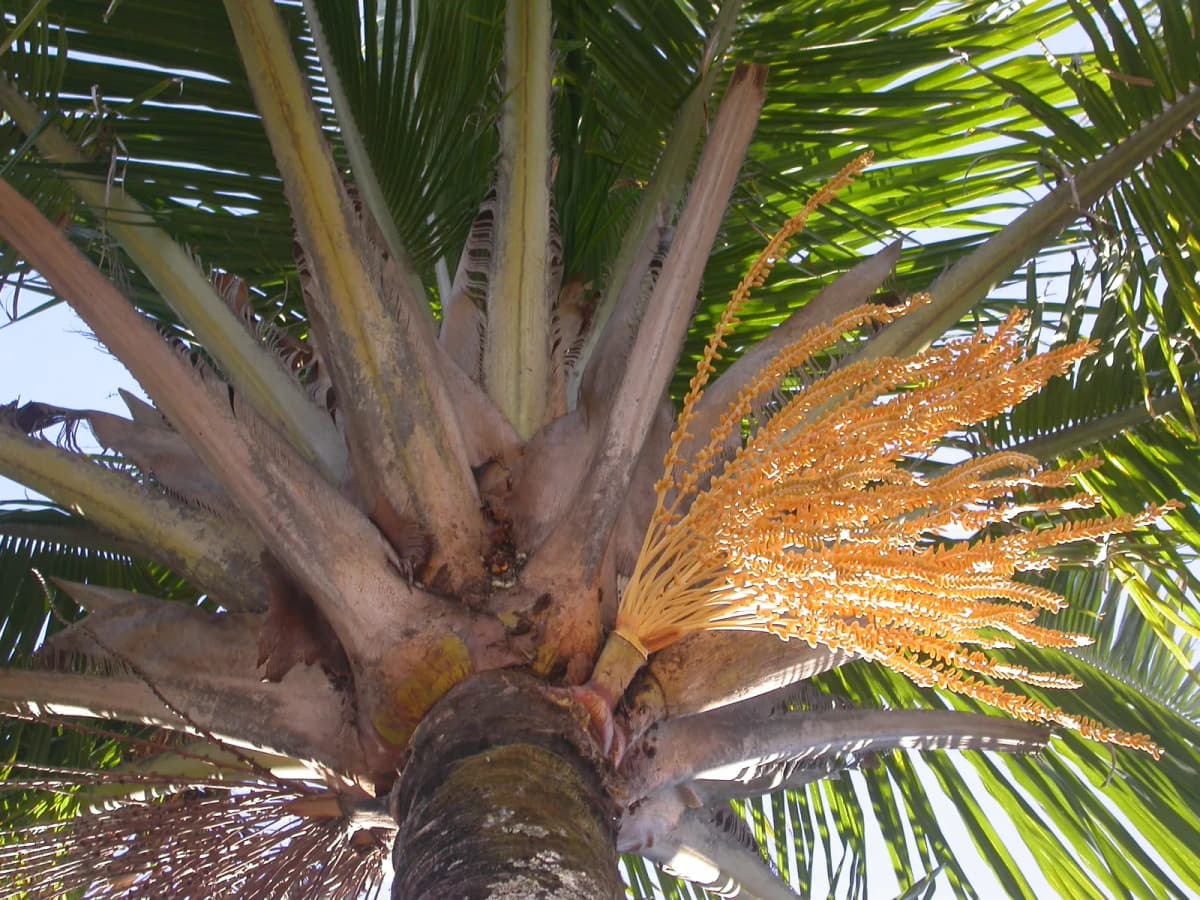
Botanical specimen of Beccariophoenix Alfredii.
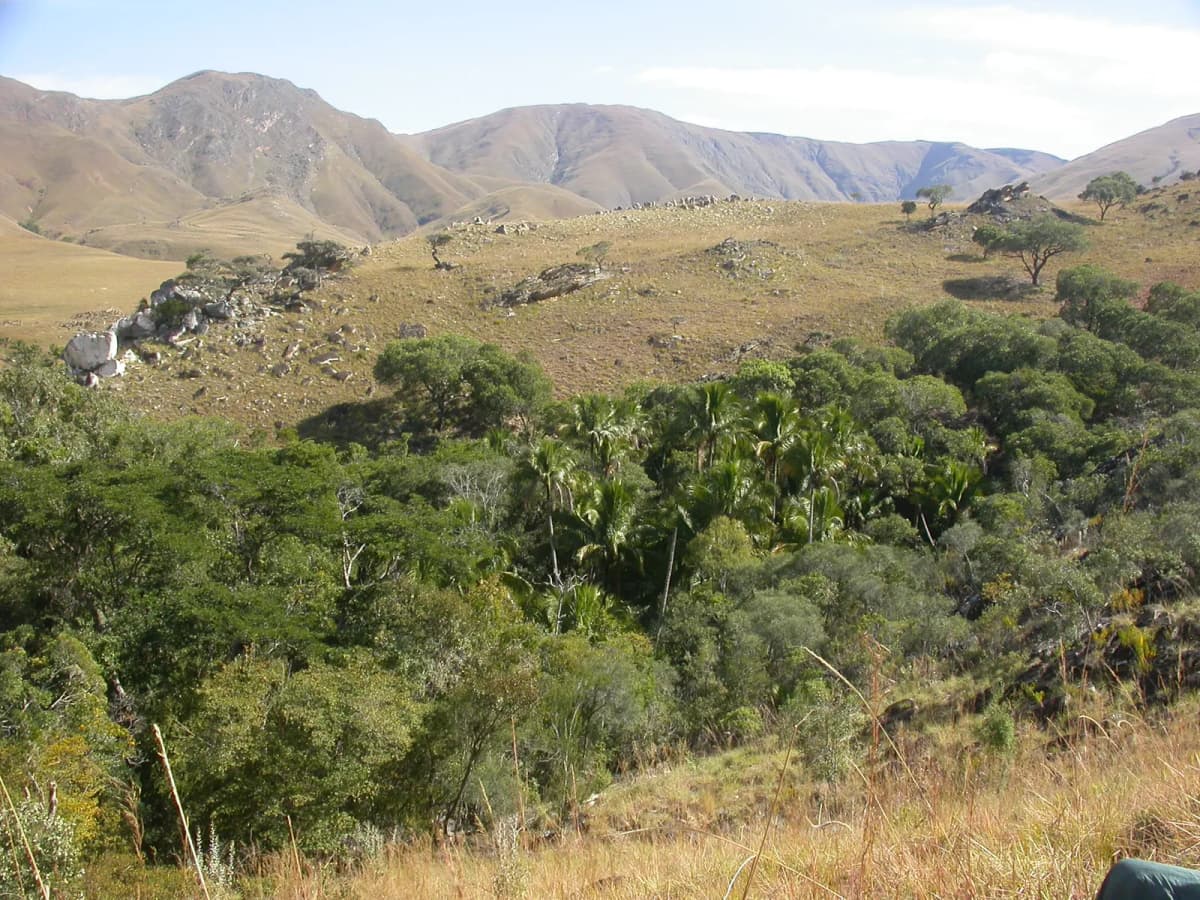
Botanical specimen of Beccariophoenix Alfredii.
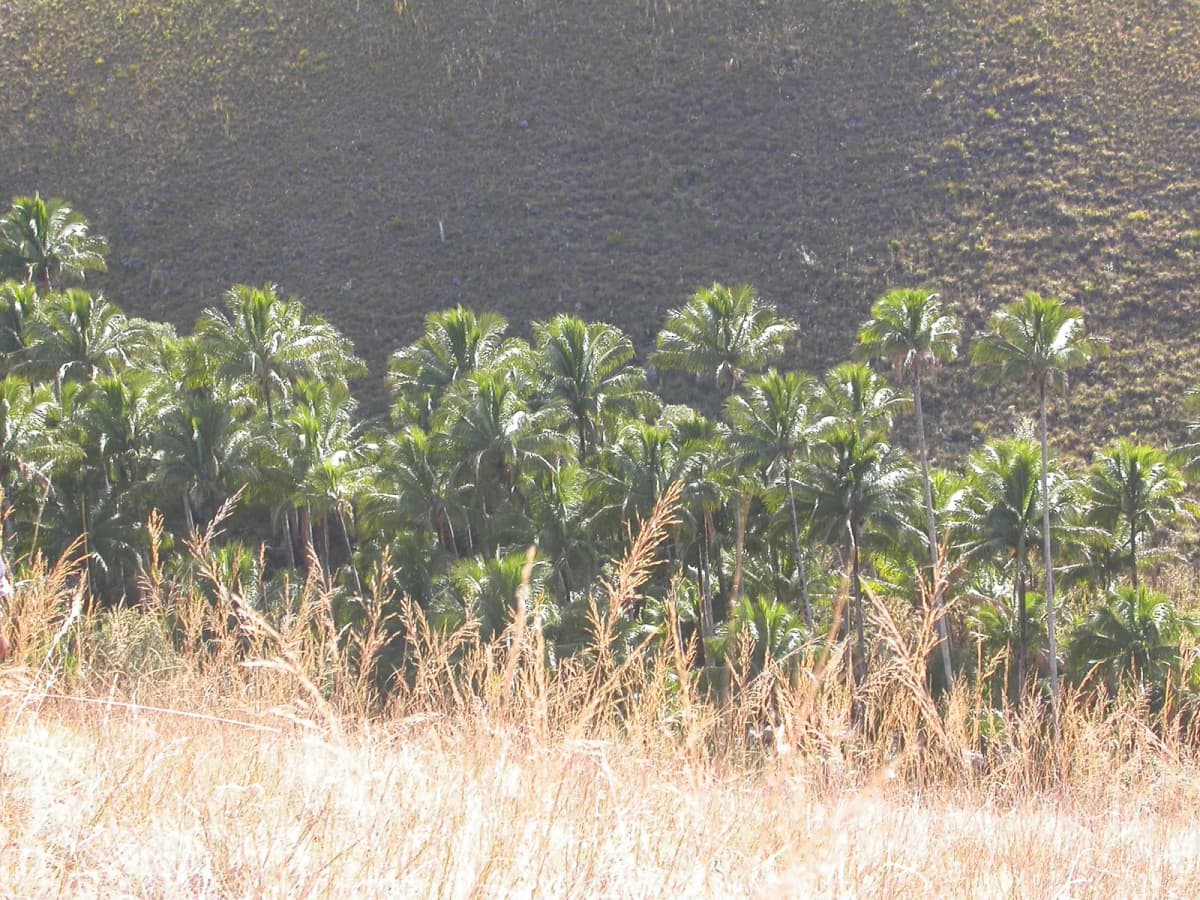
Botanical specimen of Beccariophoenix Alfredii.