Windowpane palm
Beccariophoenix Fenestralis • Madagascar coconut palm • Giant window palm • False coconut • Zarina
Windowpane palm in Motion
The Essence
"Beccariophoenix fenestralis is a large solitary feather palm endemic to eastern Madagascar and one of only three species in its genus, all close relatives of the coconut. Its name comes from the juvenile foliage: young plants carry broad, mostly unsplit leaves pierced by conspicuous windows (fenestrations) near the rachis, which vanish once the leaflets split in mature leaves. The palm has an unusual horticultural history. Seeds were distributed worldwide in the 1990s under the name Beccariophoenix madagascariensis - the plant hobbyists knew as B. madagascariensis 'windows' - and all of that stock came from a single roadside tree in Madagascar. Only in June 2014 did John Dransfield and Mijoro Rakotoarinivo describe it as a distinct species in Palms, the journal of the International Palm Society, so it was already common in collections before it officially existed. In the tropics it grows fast, tall and robust, and new leaflets unfurl as they emerge, so the palm never shows a spear leaf. In frost-free areas it is grown as a coconut substitute where lethal yellowing or large falling fruit is a concern, and seven specimens grow in W.S. Merwin's palm collection on Maui."
The genus honours the Italian botanist and palm specialist Odoardo Beccari (1843-1920), combined with Phoenix, a classical palm genus name. The species epithet is Latin fenestralis, 'with windows', referring to the window-like openings near the rachis in the leaves of young plants.
Published by J.Dransfield and Rakotoarinivo in Palms 58(2): 61 (2014). At the time of the description only two mature wild plants were known. The species has been felled for its edible palm heart, and the second population survives among graves.
Natural Habitat
Humid lowland rainforest on Madagascar's east coast, on lateritic soils rich in organic matter at roughly 60-160 m elevation. It is known chiefly from a single locality at Ranomafana Est near Brickaville in the Atsinanana (Toamasina) region, in highly disturbed remnant vegetation; the IUCN assessment records that one location at 140 m. A second population was reported in 2005 about 17 km to the southwest.
Curated Specimens
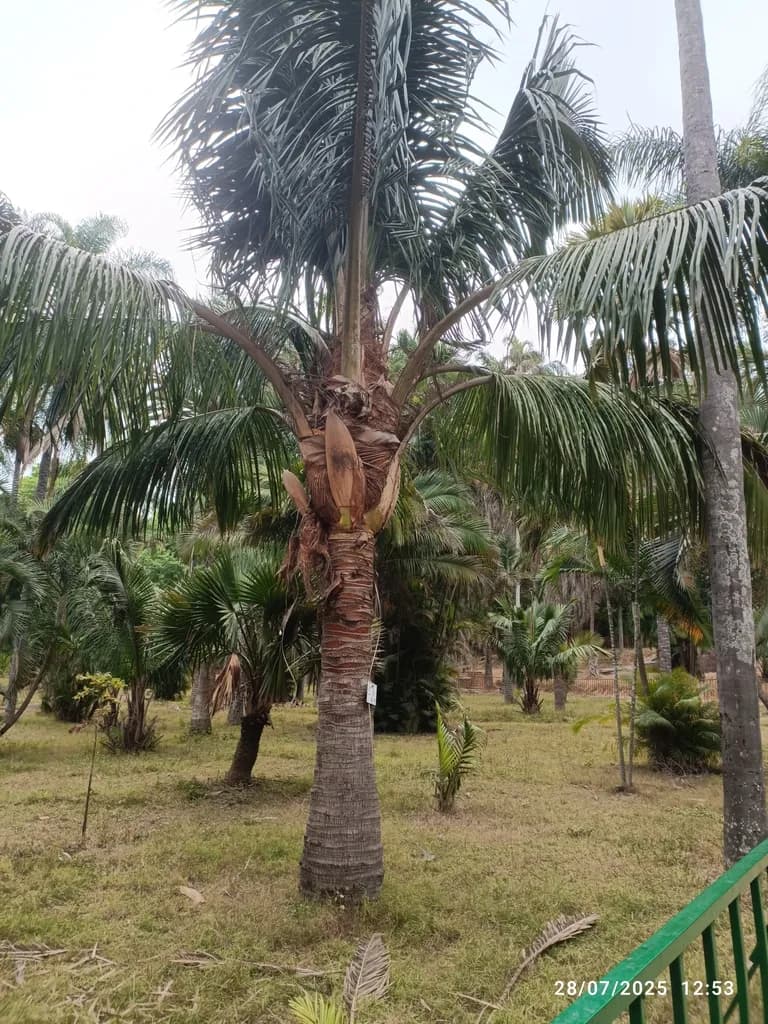
Botanical specimen of Beccariophoenix Fenestralis.
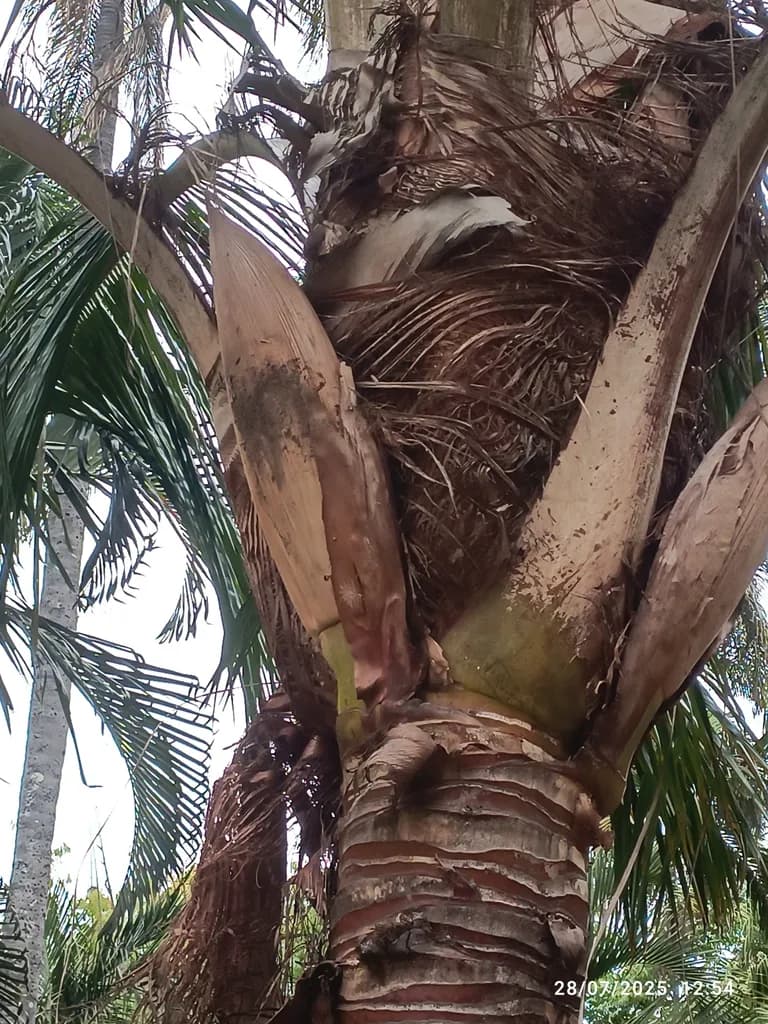
Botanical specimen of Beccariophoenix Fenestralis.
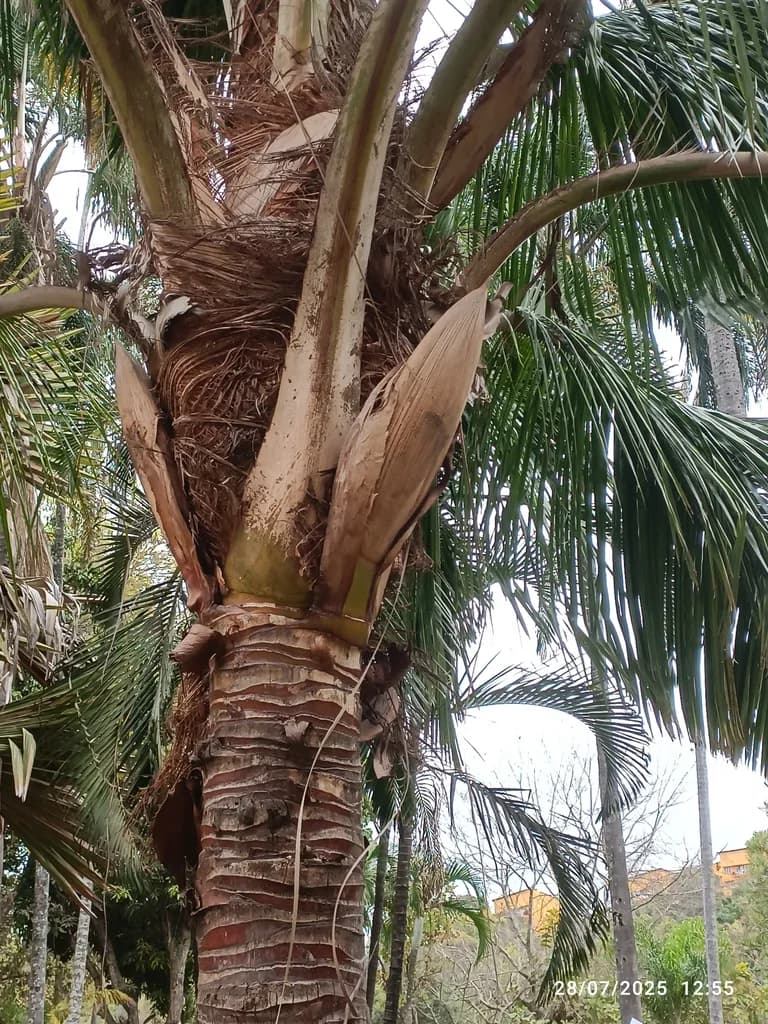
Botanical specimen of Beccariophoenix Fenestralis.