Kentia Palm
Howea Forsteriana • Thatch Palm
Kentia Palm in Motion
The Essence
"The Kentia palm (Howea forsteriana) is one of the most widely grown ornamental palms in the world and the classic "parlour palm." It rose to prominence from the 1870s and had achieved preeminence in Britain by 1885, gracing the palm courts of grand settings such as The Ritz in London and appearing aboard RMS Titanic; Queen Victoria was so fond of the palms that she had them placed around her coffin, and the plant holds the RHS Award of Garden Merit. A relatively slow-growing, solitary feather palm, it forms an erect, bare trunk marked with prominent raised ring scars and a crown of long, arching pinnate fronds, typically reaching roughly 10 m tall (UF/IFAS reports heights up to about 40 ft in cultivation). It is endemic to Lord Howe Island, Australia, where seeds are still collected from wild palms and exported worldwide under tightly regulated controls. Prized as a houseplant for tolerating low light, it is nonetheless tender: it withstands only about -4 to -5 C, and briefly at that, and should not normally sit below 10 C. Erratic germination, strict export rules and slow growth keep good plants relatively expensive."
The genus name Howea is taken from Lord Howe Island, to which the genus is endemic. The species epithet forsteriana honours the naturalists Johann Reinhold Forster and his son Georg Forster, who accompanied Captain James Cook on his second Pacific voyage.
The two Howea species are a textbook example of sympatric speciation: they rarely hybridize in the wild, in large part because H. forsteriana flowers about seven weeks earlier than H. belmoreana, a phenological shift linked to the soils each prefers.
Natural Habitat
Howea forsteriana is endemic to Lord Howe Island, Australia, where it grows in extensive colonies in lowland to lower-montane forest, often on sandy, calcareous soils, and occurs at generally lower elevations than its relative H. belmoreana (which becomes abundant up to about 450 m). Plants of the World Online (Kew) places the species in the wet tropical biome, growing as a tree. It is widely grown on Norfolk Island, where it is cultivated for seed production, and POWO records it as introduced to the Dominican Republic.
Curated Specimens

Botanical specimen of Howea Forsteriana.
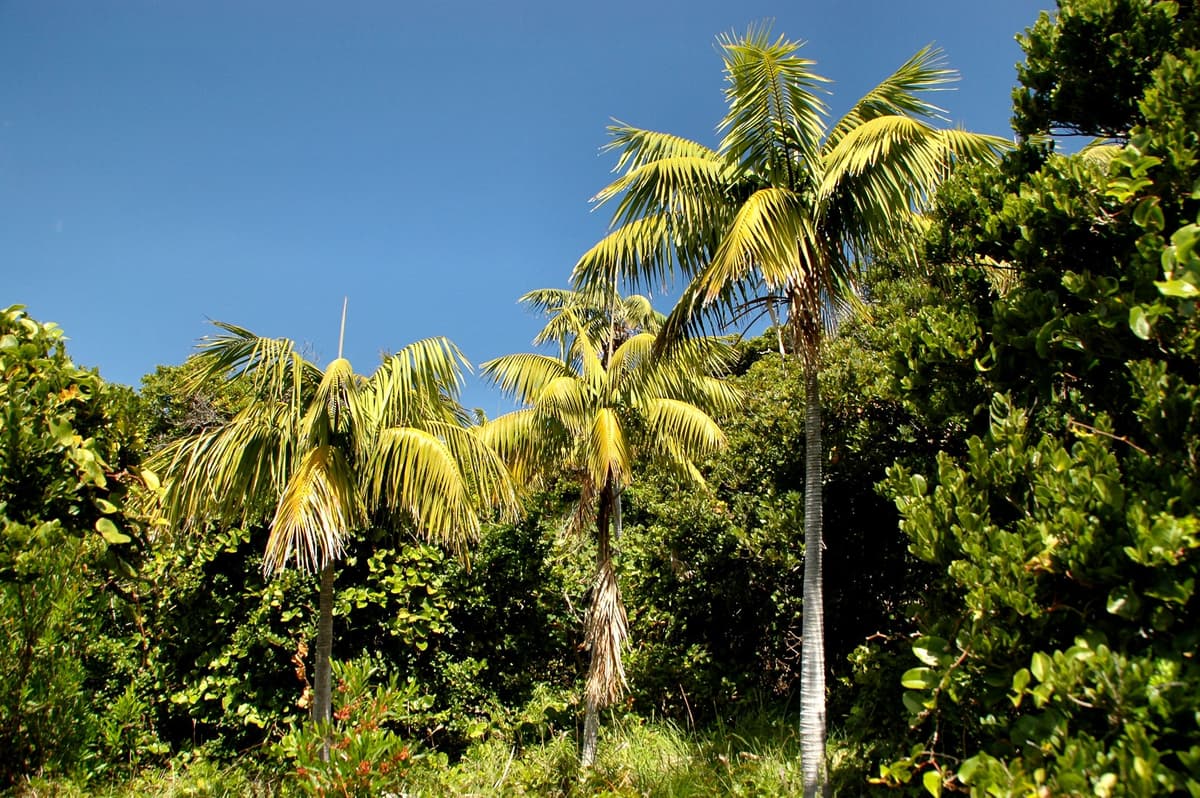
Botanical specimen of Howea Forsteriana.
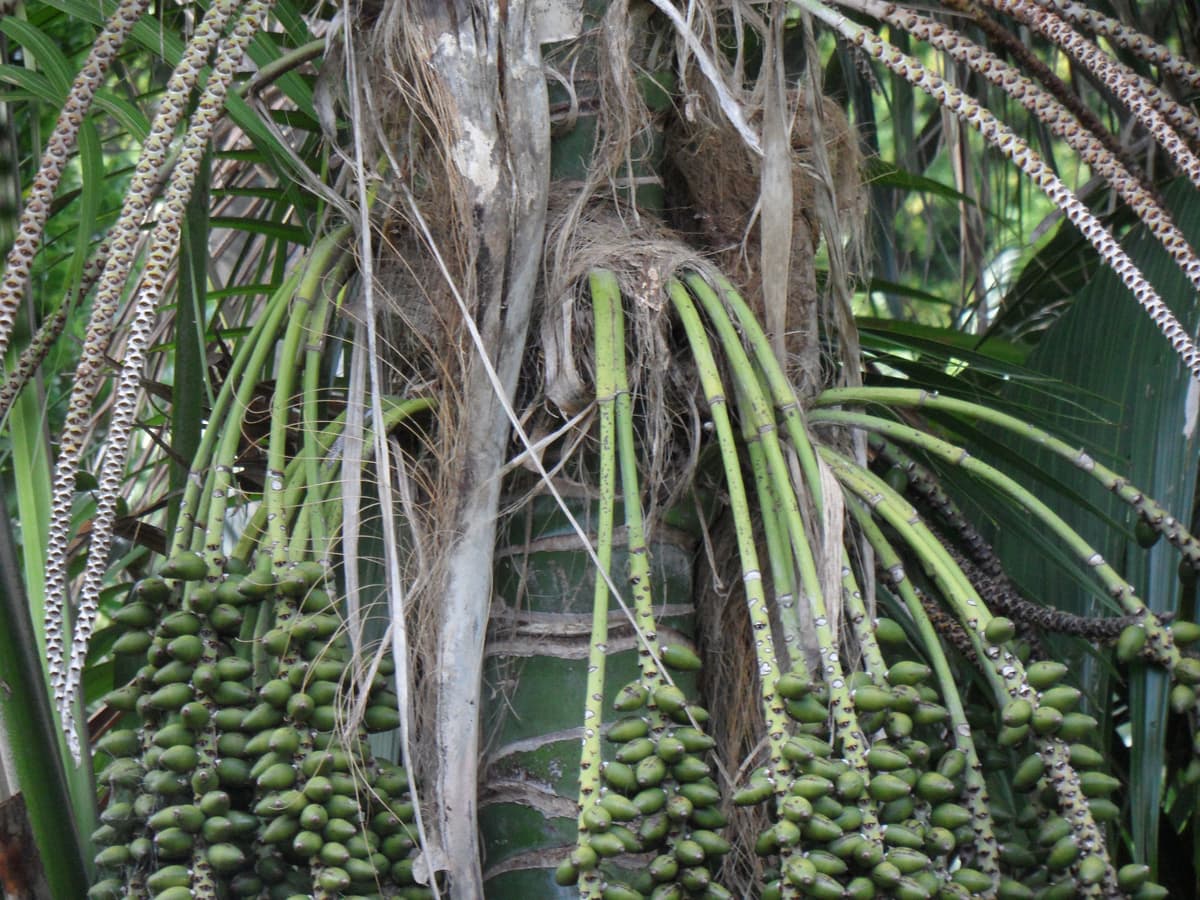
Botanical specimen of Howea Forsteriana.
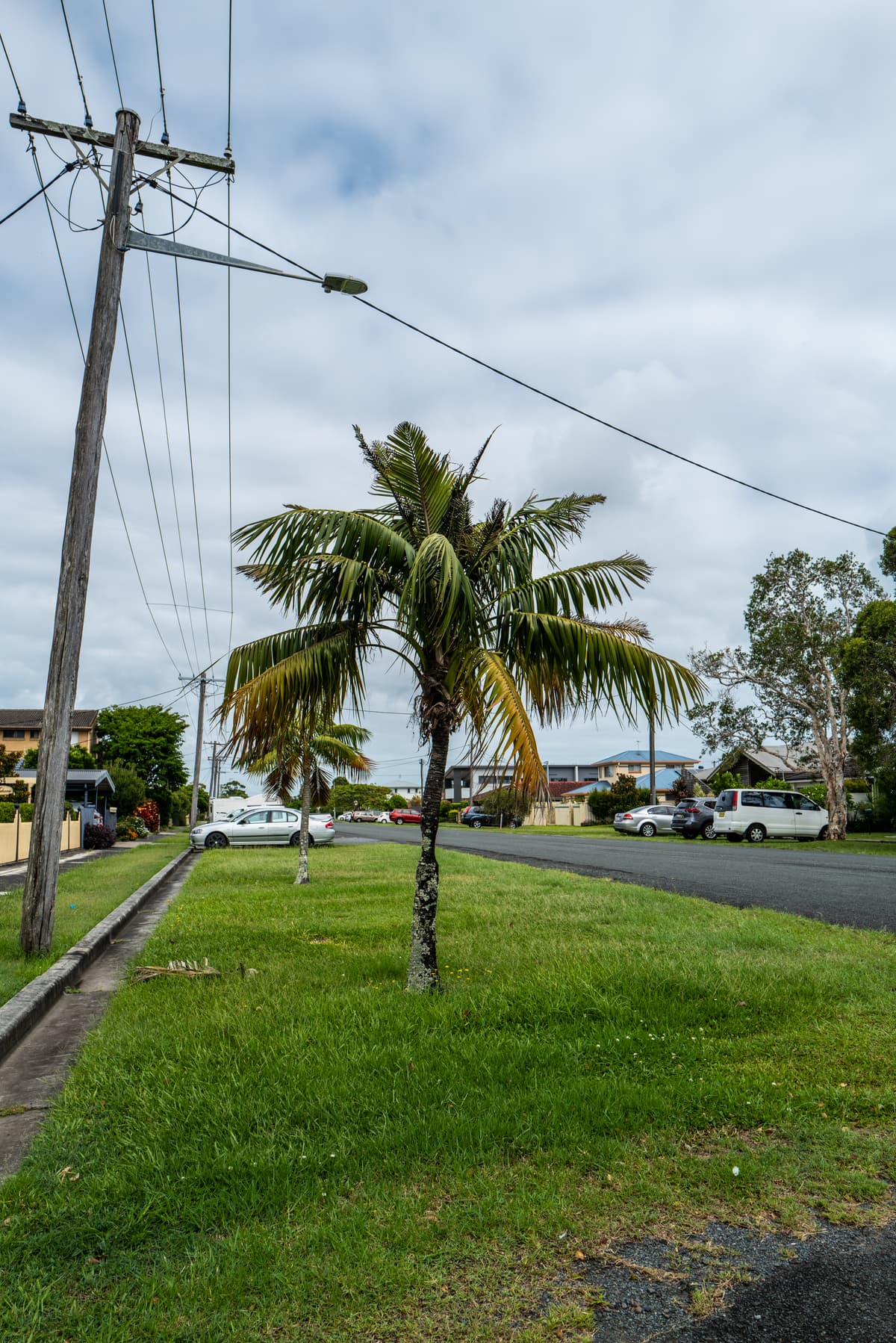
Botanical specimen of Howea Forsteriana.
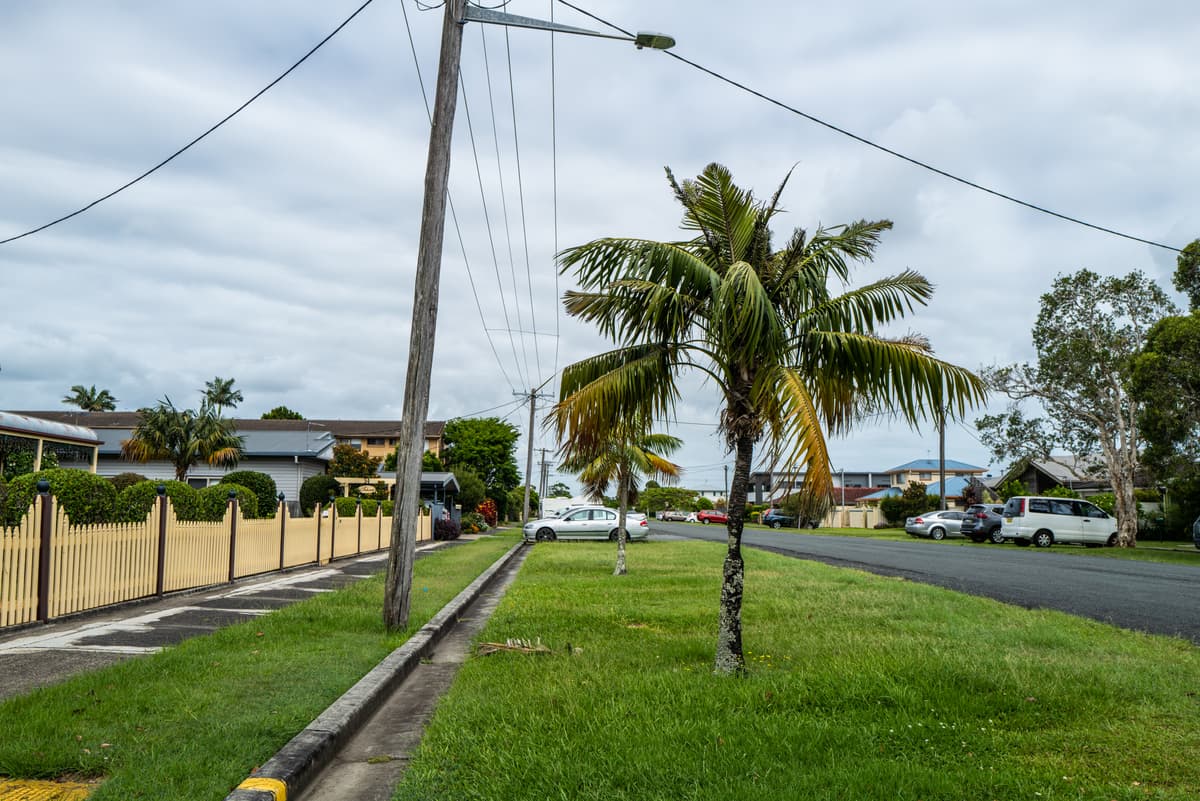
Botanical specimen of Howea Forsteriana.