Cohune palm
Attalea Cohune • American oil palm • Corozo palm • Manaca palm • Rain tree • Cohune nut
Cohune palm in Motion
The Essence
"Attalea cohune is a massive solitary feather palm of lowland Mexico and Central America, described by Martius in 1844 and long known under the name Orbignya cohune. Estimates of its height vary by source: the IUCN assessment gives 8-20 m and identification keys "to 20 m", while Palmpedia reports up to 25 m. The smooth grey trunk is of exceptional hardness, carrying a crown of 10-20 leaves up to 10 m long and pendent fruiting panicles that are very large and heavy, often holding 800-1,000 fruits, each about 6 cm long and resembling a small coconut. Those seeds are its claim to fame: cohune oil is dominated by lauric acid (46.5%), with myristic (16.0%) and oleic (10.0%) acids, melts at 28 C, and has been used by Maya and other Mesoamerican cultures since pre-Columbian times as a lubricant, cooking oil, soap stock and lamp oil burned in earthenware or soapstone lamps. It is generally not used commercially because the nut is so difficult to break open, though special machinery was developed to crush it, and the hard seed shells have been used in preparing charcoal for gas masks. The nut also serves as a form of vegetable ivory, and the leaves, midribs and sap supply thatch, hut frameworks, suyacal rain mats made in Alta Verapaz, hats, brooms, fuel and palm wine; heart-of-palm is a delicacy, but taking it kills the tree, which cannot produce side shoots. The palm forms strikingly monodominant stands - McSweeney recorded densities reaching 21,640 conspecific stems per hectare in Belize - and it is a dominant species in the Belizean pine forests ecoregion. Why those stands form is unsettled: McSweeney argued in 1993 that they should be read as natural expressions of particularly fertile soils rather than a legacy of ancient Maya management, while Eshleman and Beach (2020) found total phosphorus, sulfur and soil organic matter were on average higher in non-cohune forests in northwestern Belize, concluding that the two forest soils differ in distinct ways that do not relate to key measures of soil fertility. Attalea is a large genus that combines several formerly separate genera, including Maximiliana, Orbignya and Scheelea, so older names still turn up in palm literature and on garden signs."
The genus commemorates Attalus III Philometor, king of Pergamon, known for his interest in medicinal plants. The epithet cohune comes from the vernacular name: English cohune is borrowed from Spanish cohune, perhaps from Miskito okhun. Pronounced at-tahl-EH-ah koh-hoon'-eh (Palmpedia) or at-uh-LAY-uh kuh-HOO-nay (Palms For California).
Martius published the name in 1844 in d'Orbigny's Voyage dans l'Amerique Meridionale. Maya communities in Belize, Guatemala and Honduras still make and use cohune oil, though McSweeney's 1993 survey found contemporary extractive use of thatch, oil and heart-of-palm in Belize to be negligible, and typically confined to forests already slated to be felled.
Natural Habitat
POWO places the species in the wet tropical biome, as a shrub or tree. Useful Tropical Plants, citing the Flora of Guatemala, records it mostly on rather well-drained land, on plains or often on mountainsides, from sea level to 300 m, and often forming a dense undergrowth in primeval forest; the IUCN assessment instead gives 125-600 m, in lowland rainforest, deciduous forest and secondary vegetation, and IDtools adds forests and disturbed areas. Plants are not tolerant of forest fires, dying either from direct damage or from pathogens entering through fire-damaged bark.
Curated Specimens
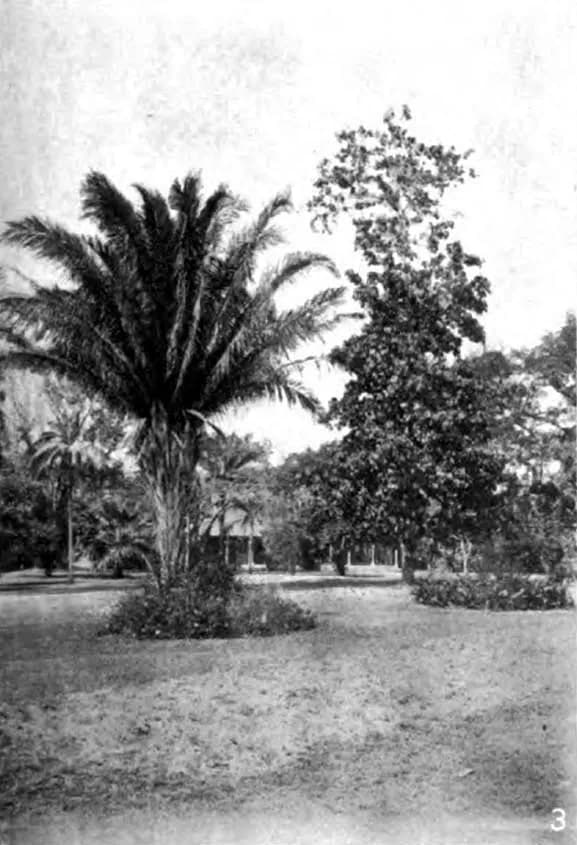
Botanical specimen of Attalea Cohune.
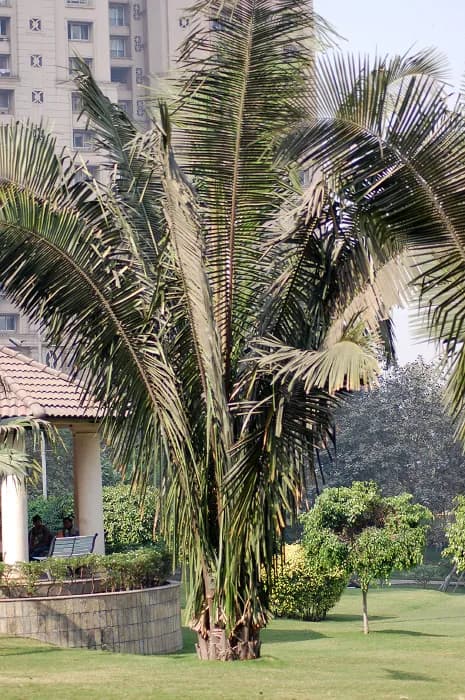
Botanical specimen of Attalea Cohune.
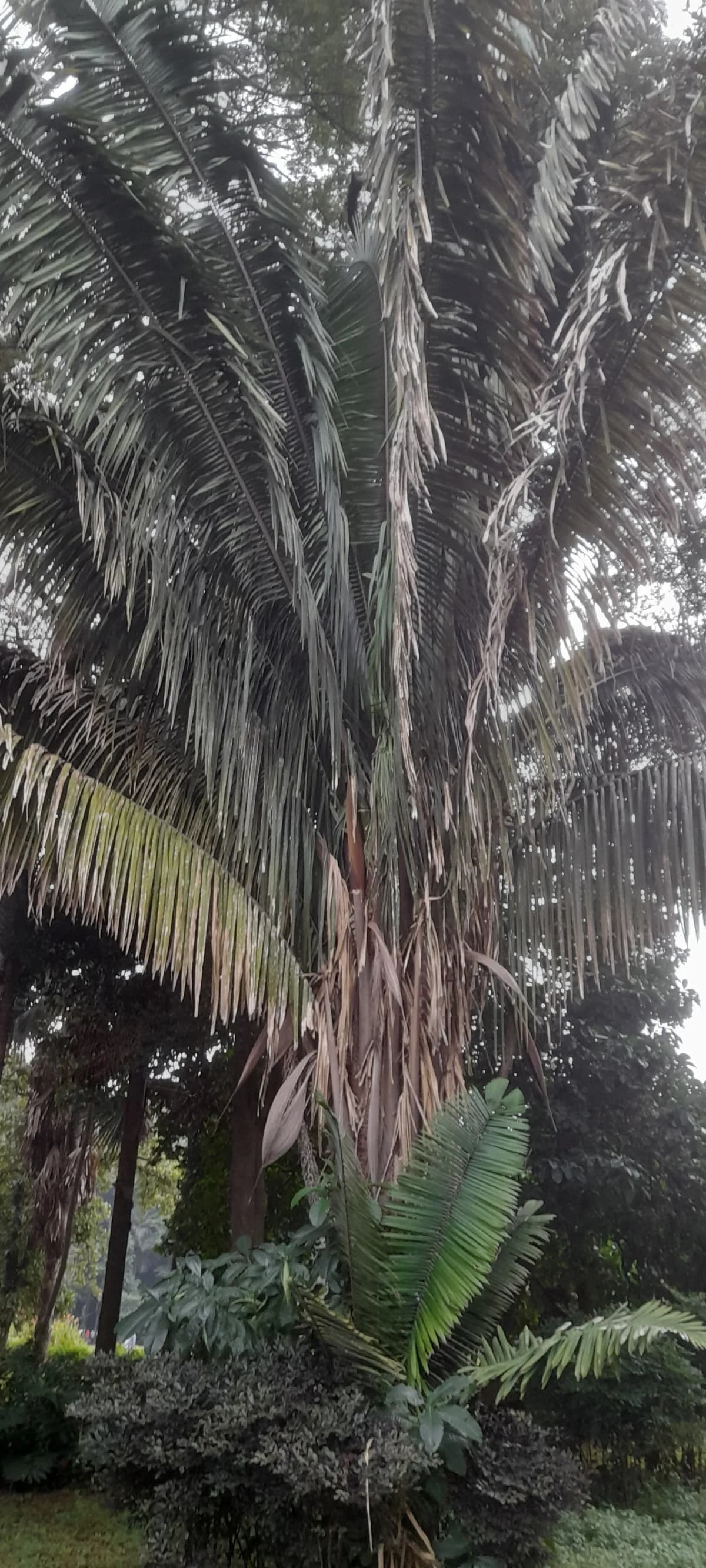
Botanical specimen of Attalea Cohune.