Maripa palm
Attalea Maripa • Cocorite • Inaja • Anaja • Inajai • Cucurito • Cusi • Guichire • Inayo • Inayuga • Kukarit • Rikre • Gaibamo • Gaibawe
Maripa palm in Motion
The Essence
"Attalea maripa is a large Amazonian palm valued above all for its fruit and its oil. The fruit is orange with a brown indument and about 5 cm long, with a succulent, aromatic, almost fibreless pulp of sweet, pleasant flavour; it is eaten raw and made into a drink, and the mesocarp also provides a "milk" for drinking. Edible oil is extracted from both the mesocarp, in which oleic acid predominates, and the kernel, in which lauric acid does; about half the fatty acids in the mesocarp oil are saturated and half unsaturated. That oil richness has put the species under investigation for biodiesel production, and the seed oil is used as a skin-conditioning ingredient in commercial cosmetic preparations. The palm heart is harvested as a crisp, nutrient-rich food that can be eaten raw or cooked, but taking it kills the plant, which cannot produce new shoots. The leaves are used for thatching, young leaves for mats and pack baskets, the woody bract as a container and the seeds for jewellery, while an oil from the seeds is rubbed onto rheumatic areas of the body for relief. The Huaorani of Amazonian Ecuador eat the mesocarp and use the petiole and leaf rachis for blowgun darts and sleeping mats, the petioles for torches, the pinnae for kindling and the stems for firewood; the Kayapo of Brazil use the palm as a source of salt and value it because it attracts wildlife. That last point is ecological as much as cultural: on Maraca Island in Roraima the fruit was eaten by tapirs, collared peccaries, deer and primates, with tapirs swallowing whole fruit and defecating intact seeds far from the parent tree."
The genus Attalea was named by Carl Sigismund Kunth in 1816, after Attalus III Philometor, king of Pergamon, who was known for his interest in medicinal plants. The species epithet comes from Aublet's original 1775 name Palma maripa, published in his Histoire des plantes de la Guiane Francoise; maripa is recorded as the vernacular name for the palm in French Guiana and Suriname. Carl Friedrich Philipp von Martius transferred the species to Attalea in 1844.
Carbonised Attalea maripa seeds have been found in archaeological sites in Colombia dating back to 9000 BP. The species also has an unusually tangled nomenclatural history, having been shuffled through Palma, Maximiliana, Scheelea, Englerophoenix, Ethnora and Temenia before recent work favoured maintaining all Attaleinae in a single genus, Attalea; Useful Tropical Plants lists twenty-two synonyms. When Orator F. Cook placed the species in a genus of its own in 1940 he named it Ethnora in honour of Aublet as a pioneer against slavery, publishing it in a paper titled "Aublet the botanist, a pioneer against slavery, with a memorial genus of palms".
Natural Habitat
Attalea maripa grows in lowland forest and disturbed open areas of the wet tropical biome, usually on land not subject to seasonal inundation, at elevations up to about 500 m; it is also recorded from coastal swamps and lowlands and from lowland wet forest and the secondary forest derived from it. In the eastern lowlands of Ecuador it is common on well-drained, non-inundated soils, where adult plants are usually scarce but juveniles may be quite abundant in the forest understorey. In Trinidad it is a characteristic species of the savannas that develop where forest is converted to grassland by repeated fire; the British forester J. S. Beard termed these "Cocorite Savannas" in his 1953 study of the savanna vegetation of northern tropical America, after the local name for the palm.
Curated Specimens

Botanical specimen of Attalea Maripa.
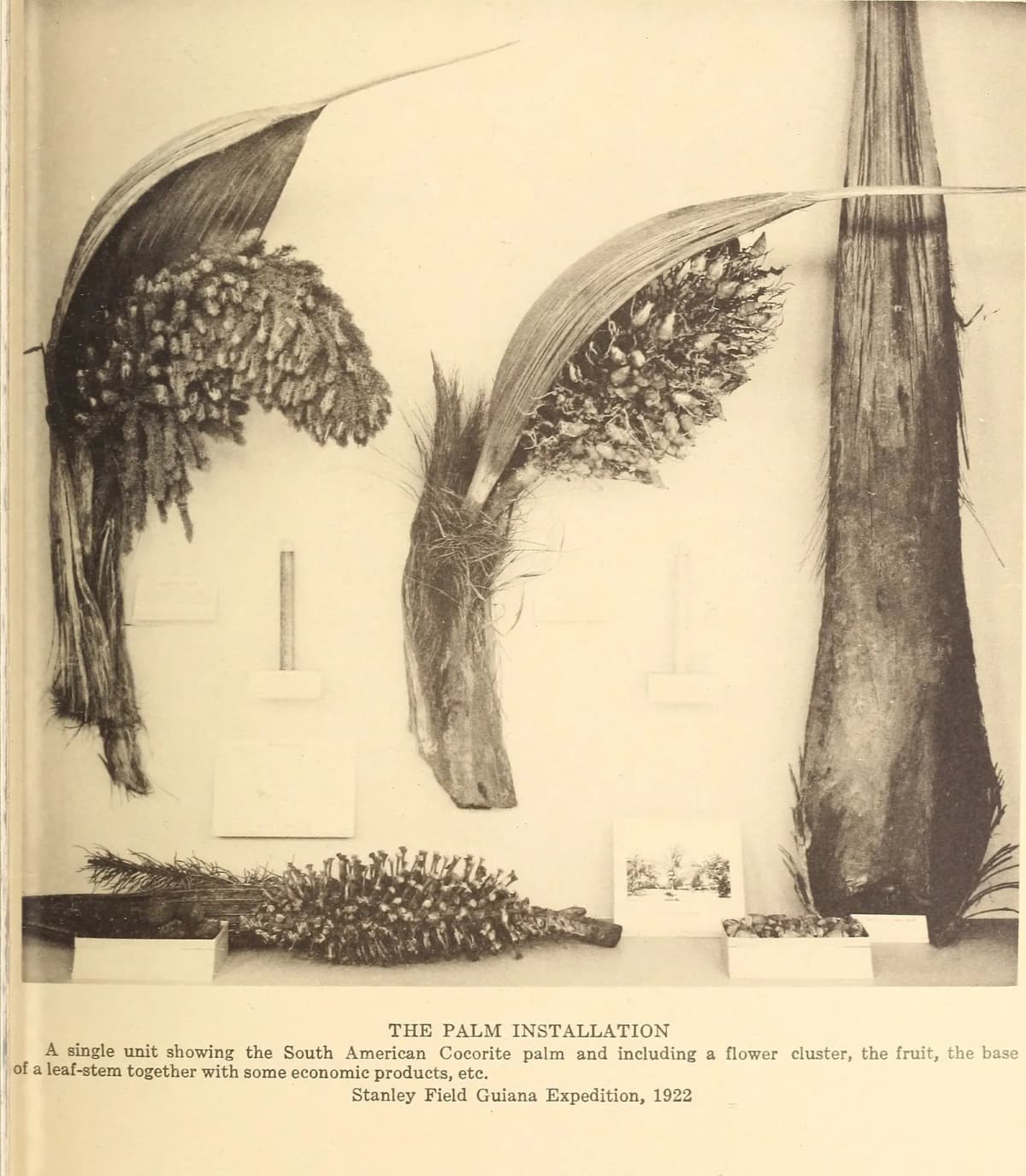
Botanical specimen of Attalea Maripa.
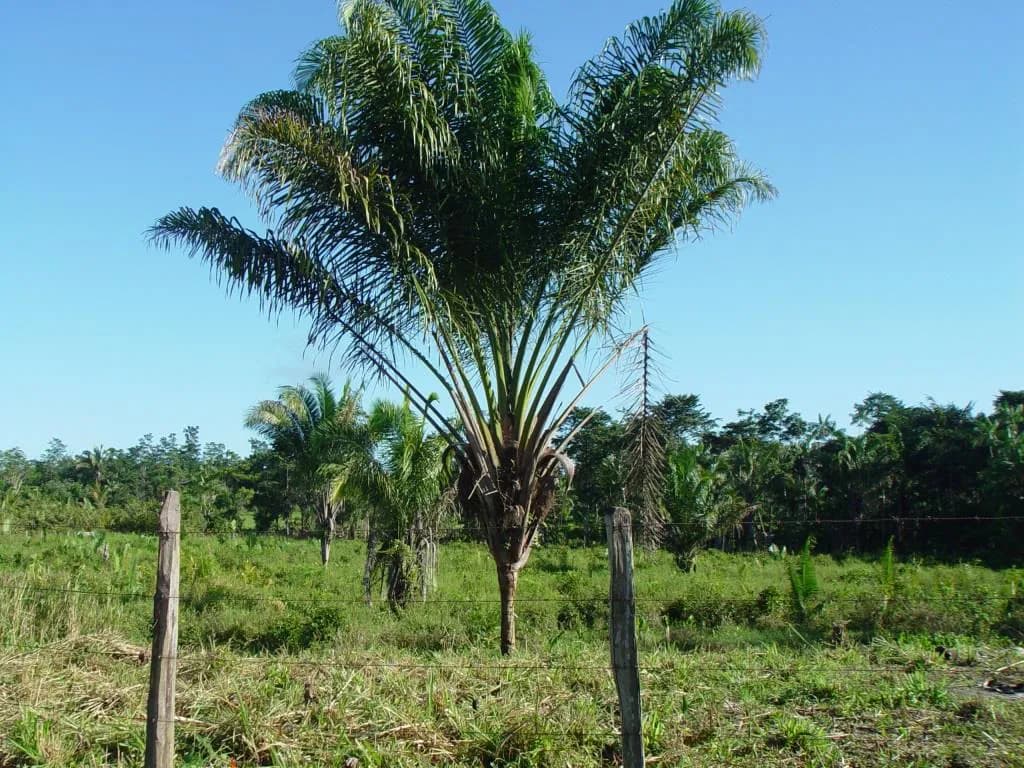
Botanical specimen of Attalea Maripa.
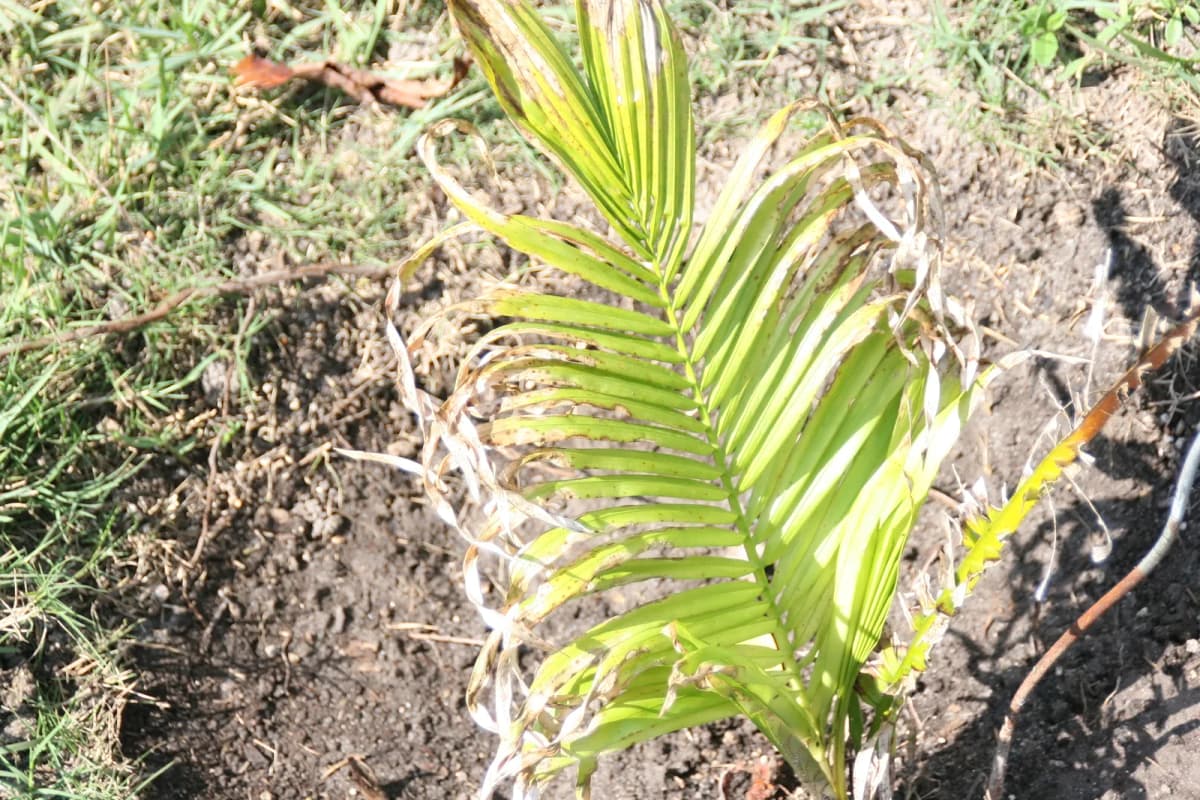
Botanical specimen of Attalea Maripa.