Andean wax palm
Ceroxylon Alpinum • Palma de cera • Palma real • Palma bendita • Chonta
Andean wax palm in Motion
The Essence
"Ceroxylon alpinum is the type species of Ceroxylon, the Andean wax palms - the genus that also contains C. quindiuense, the tallest palm and thus the tallest monocotyledon, at 61 m. It is a solitary, dioecious palm of premontane wet forest between 1400 and 2000 m in the Colombian and Venezuelan Andes, with a trunk 8-21 m tall whose internodes are coated in thin layers of wax, white at the base and grey to brown toward the crown; the leaves are powdery-white beneath from a covering of white scales. Growth is extraordinarily slow. A demographic study of remnant populations at Salento, Quindio (Vergara-Chaparro 2002, cited by Palmweb) found that plants develop an aerial stem only at roughly 57 years of age, begin flowering at about 83, and reach a maximum age of about 160 years, with one individual estimated at 213. That longevity sits uneasily with the state of the habitat: the vast majority of montane forest within its range has been destroyed or fragmented by coffee plantations and pastures, natural populations in Colombia are estimated to have been reduced by more than 80% over the last 210 years, and genetic erosion has been detected among seedlings in one of the best-conserved populations. The IUCN Red List lists it as Endangered (B1+2c, criteria version 2.3), but on an assessment dated 1 January 1998 and annotated "Needs updating"; national assessments in Venezuela (Llamosas et al. 2003) and Colombia (Galeano & Bernal 2005) reach the same category under the 2001 version 3.1 criteria, and the 2021 National Red List of Colombia gives EN A2ace. One point of confusion is worth flagging: sources that add Ecuador to the range are following the old subsp. ecuadorense, which Sanin & Galeano (2011) included in C. echinulatum, a decision they report as supported by molecular phylogenetic analyses, so current treatments restrict C. alpinum to Colombia and Venezuela. In cultivation the species is very rare and very slow growing, and succeeds only where summers stay cool."
Ceroxylon comes from the Greek keros, 'wax', and xylon, 'wood', referring to the thick white wax on the trunks. C. alpinum is the type species of the genus, described by Aime Bonpland and validly published by de Candolle in Bull. Sci. Soc. Philom. Paris 3: 239 (1804). POWO accepts four heterotypic synonyms, among them Ceroxylon andicola Bonpl. (1805) and Iriartea andicola (Bonpl.) Spreng. No source retrieved explains the epithet alpinum.
Wax from the stems has been used to make candles and matches, and Kew's ColPlantA records uses as animal food, food, materials, medicine and social. Young leaves were traditionally cut for Palm Sunday religious processions, a practice now abandoned by law in Colombia; stems are used for fencing around houses and farms and to build walls, and the fruits are eaten by pigs. Palmpedia carries photographs of mature fruiting specimens in the town square of Salento, Quindio.
Natural Habitat
Premontane wet forest from 1400 to 2000 m elevation in the Andes of Venezuela - Distrito Federal, on the northwestern slopes of the Cordillera de La Costa; Aragua; Tachira - and of Colombia, on the western slope of the Eastern Cordillera and on both the eastern and western slopes of the Central and Western Cordilleras. Colombian records come from Antioquia, Caldas, Cundinamarca, Quindio, Risaralda and Valle del Cauca (ColPlantA). POWO records it as a tree of the wet tropical biome, and ColPlantA lists forest and woodland, shrubland and artificial terrestrial habitats. Palmweb notes that the vast majority of montane forest within its range has been destroyed or fragmented by coffee plantations and pastures.
Curated Specimens
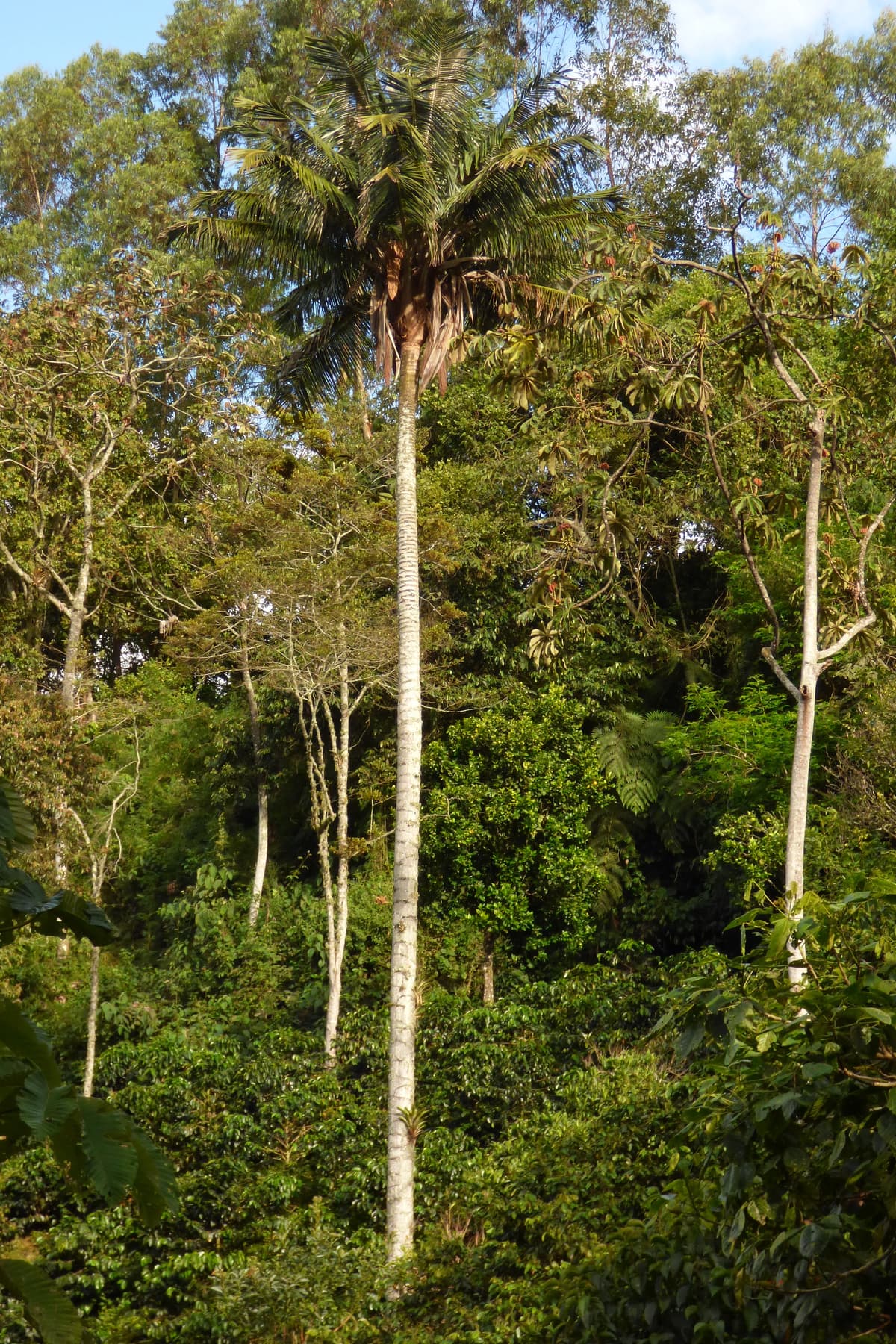
Botanical specimen of Ceroxylon Alpinum.
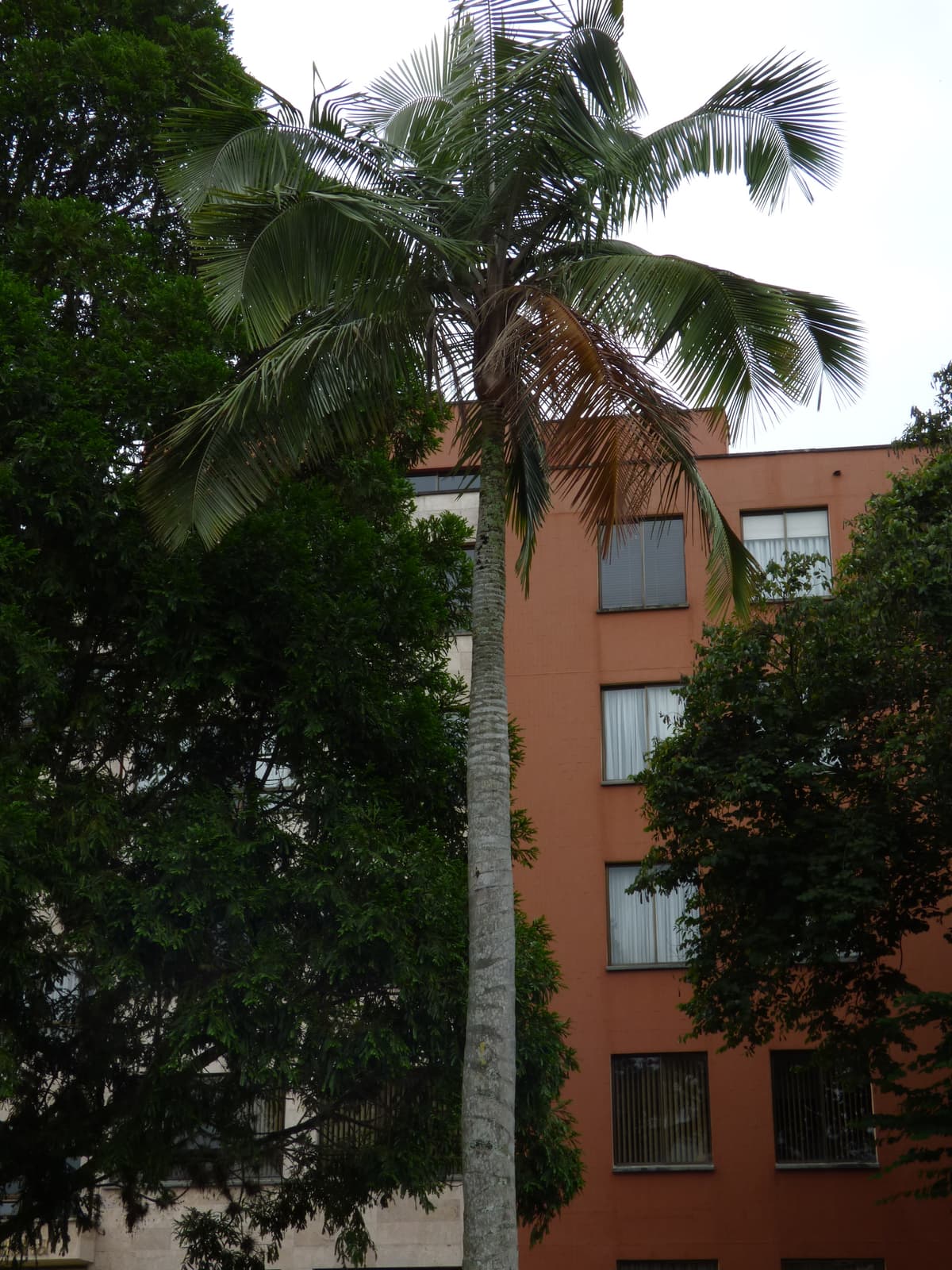
Botanical specimen of Ceroxylon Alpinum.
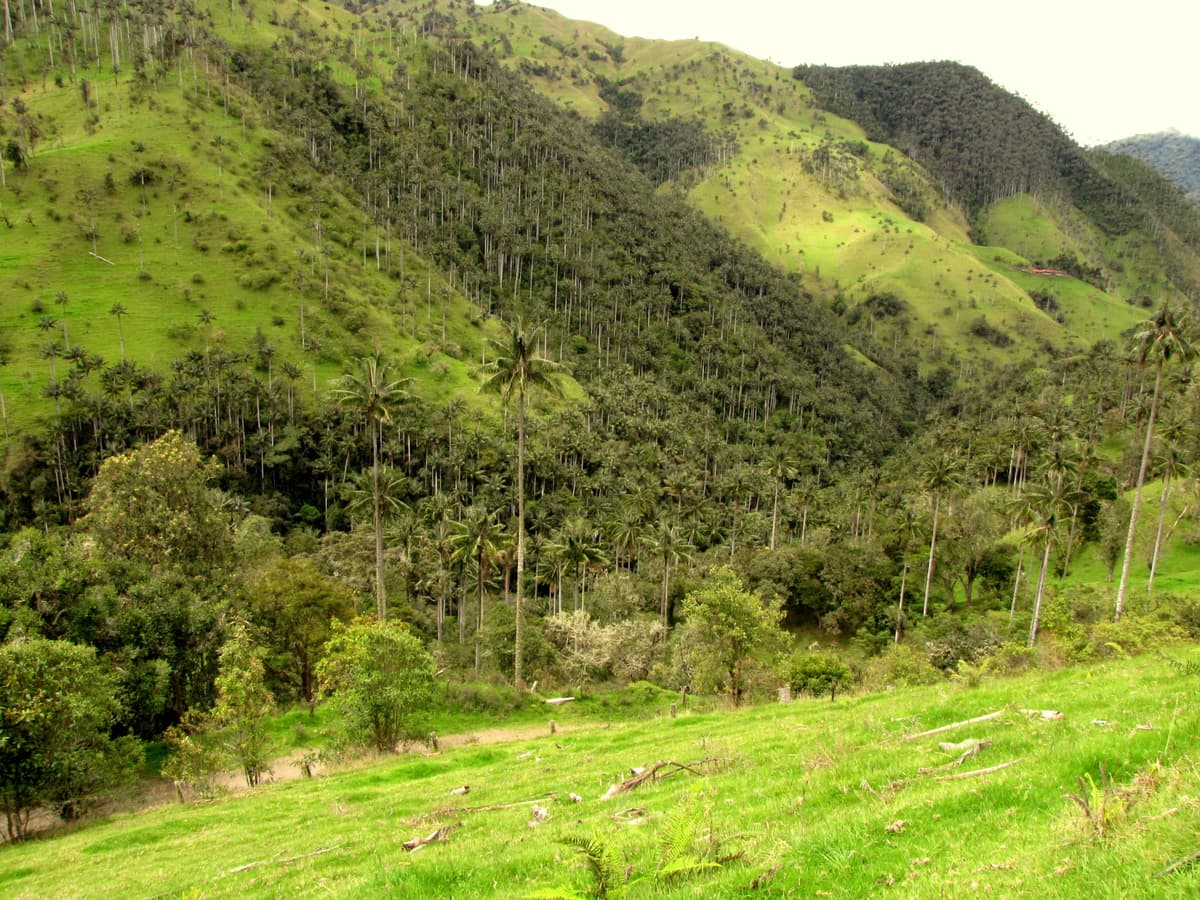
Botanical specimen of Ceroxylon Alpinum.
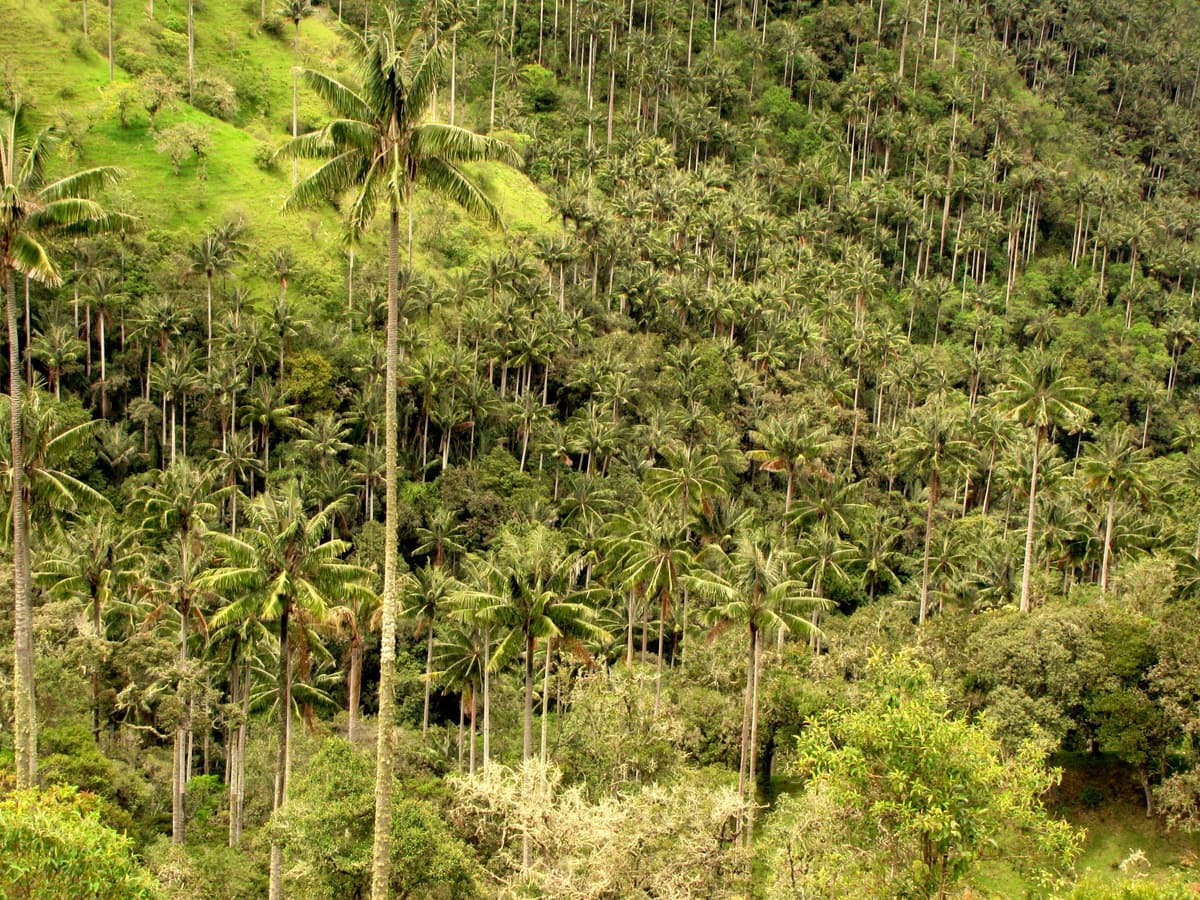
Botanical specimen of Ceroxylon Alpinum.
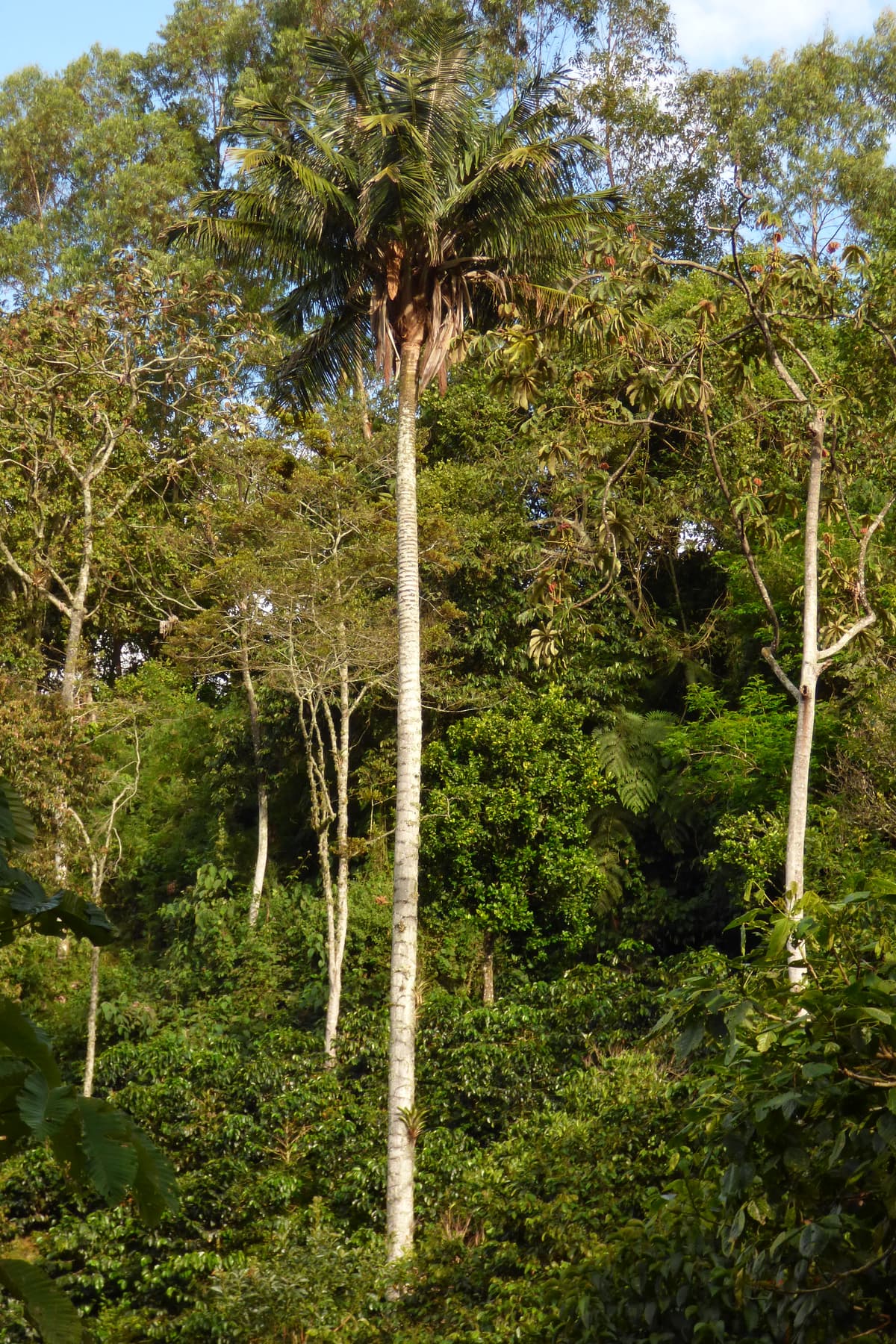
Botanical specimen of Ceroxylon Alpinum.
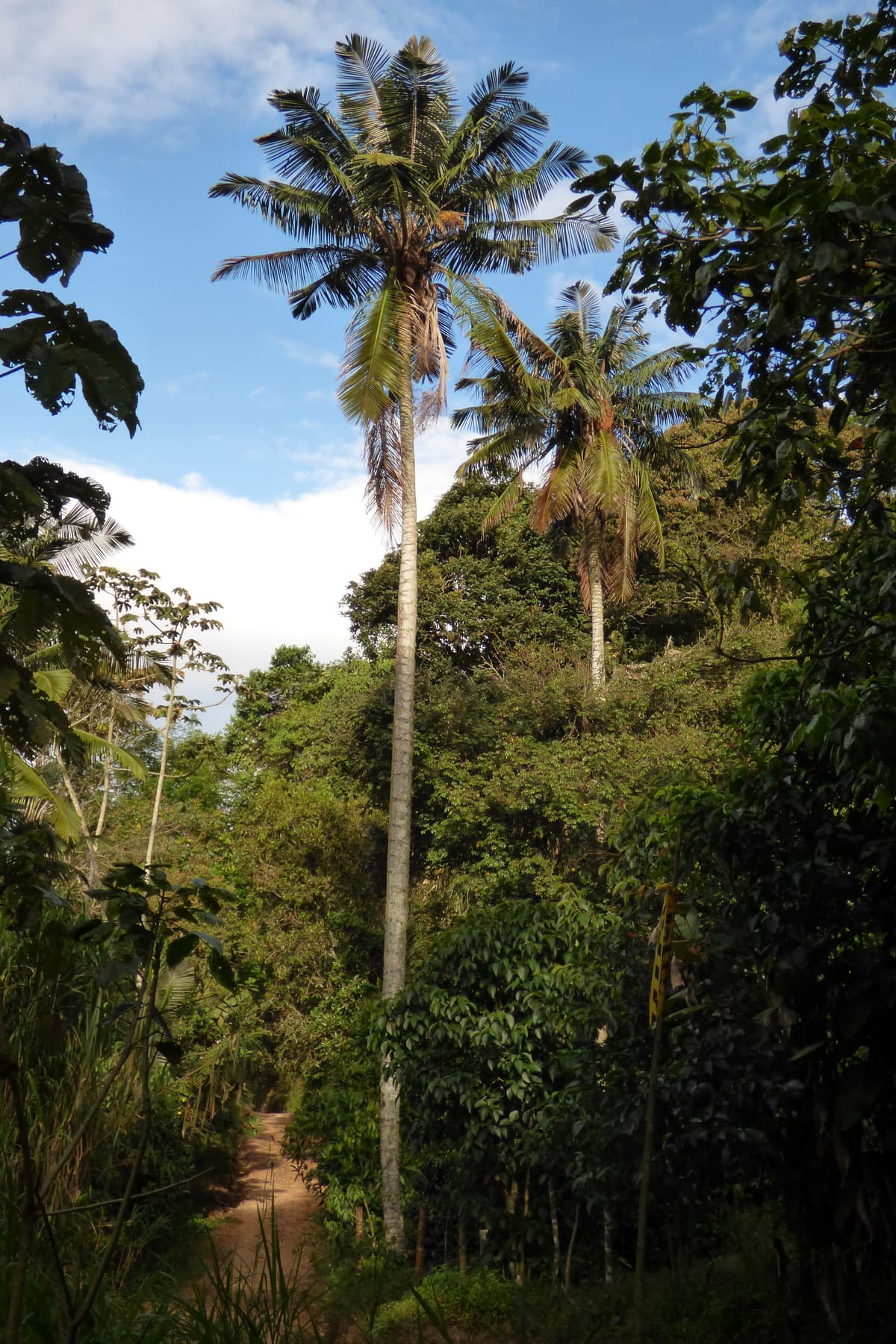
Botanical specimen of Ceroxylon Alpinum.
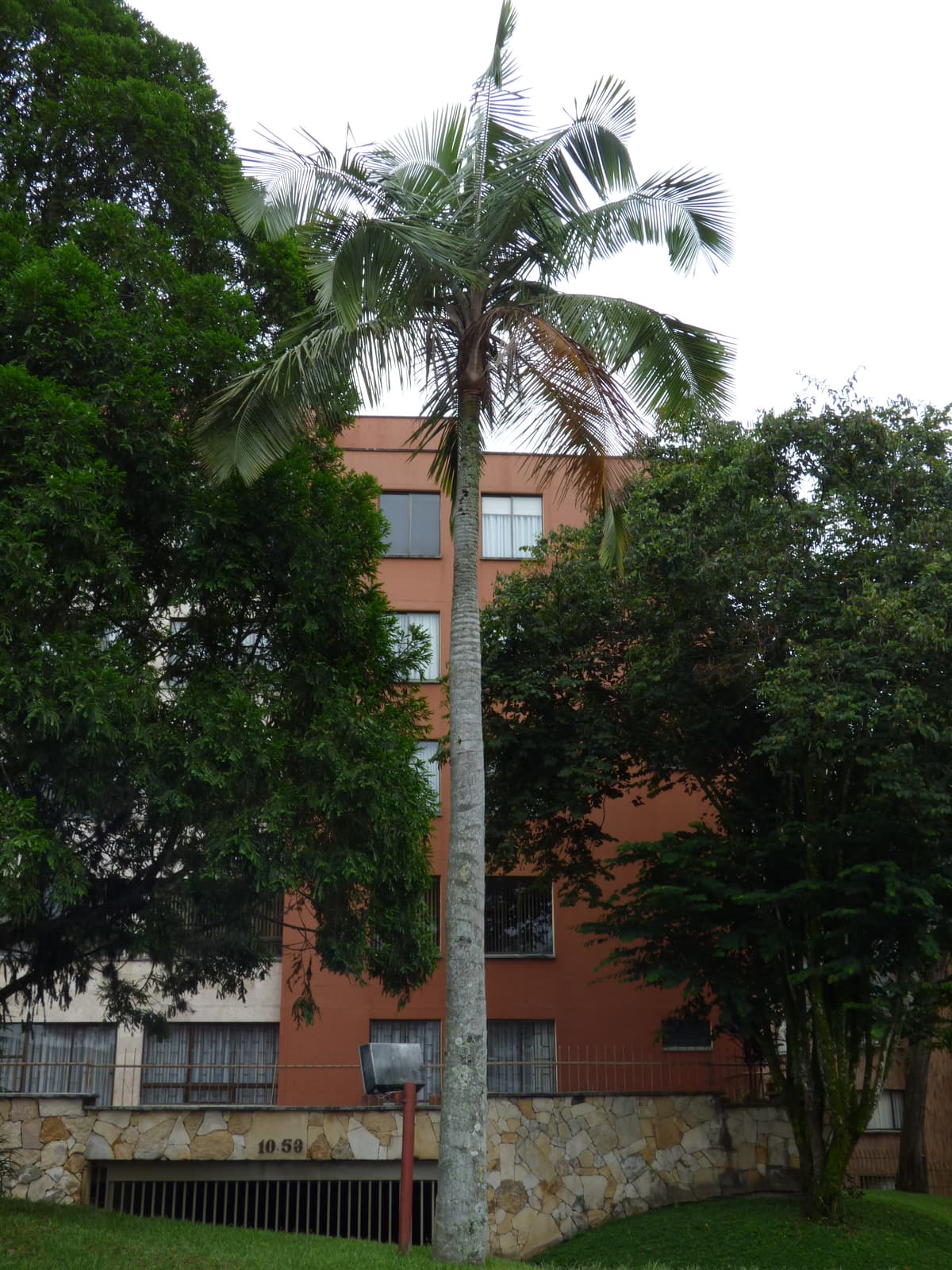
Botanical specimen of Ceroxylon Alpinum.
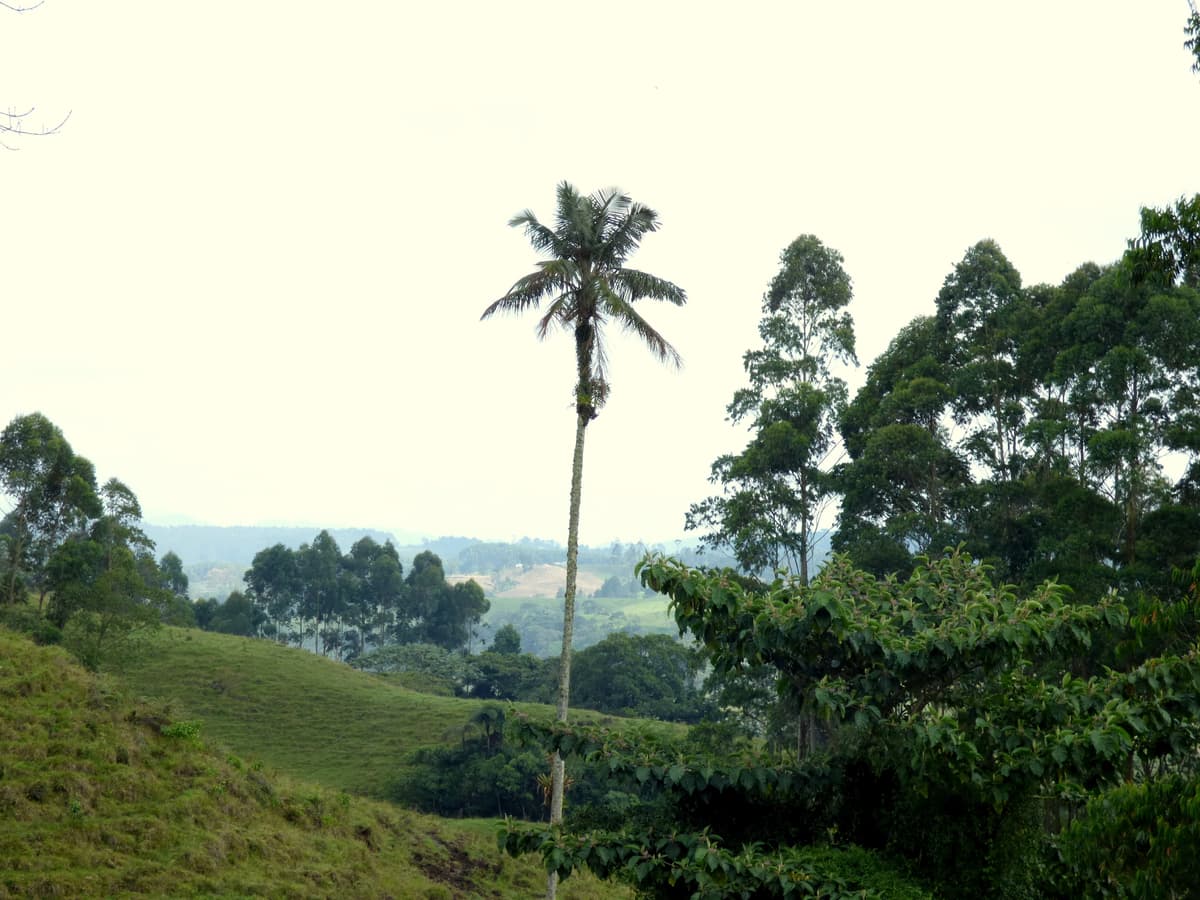
Botanical specimen of Ceroxylon Alpinum.
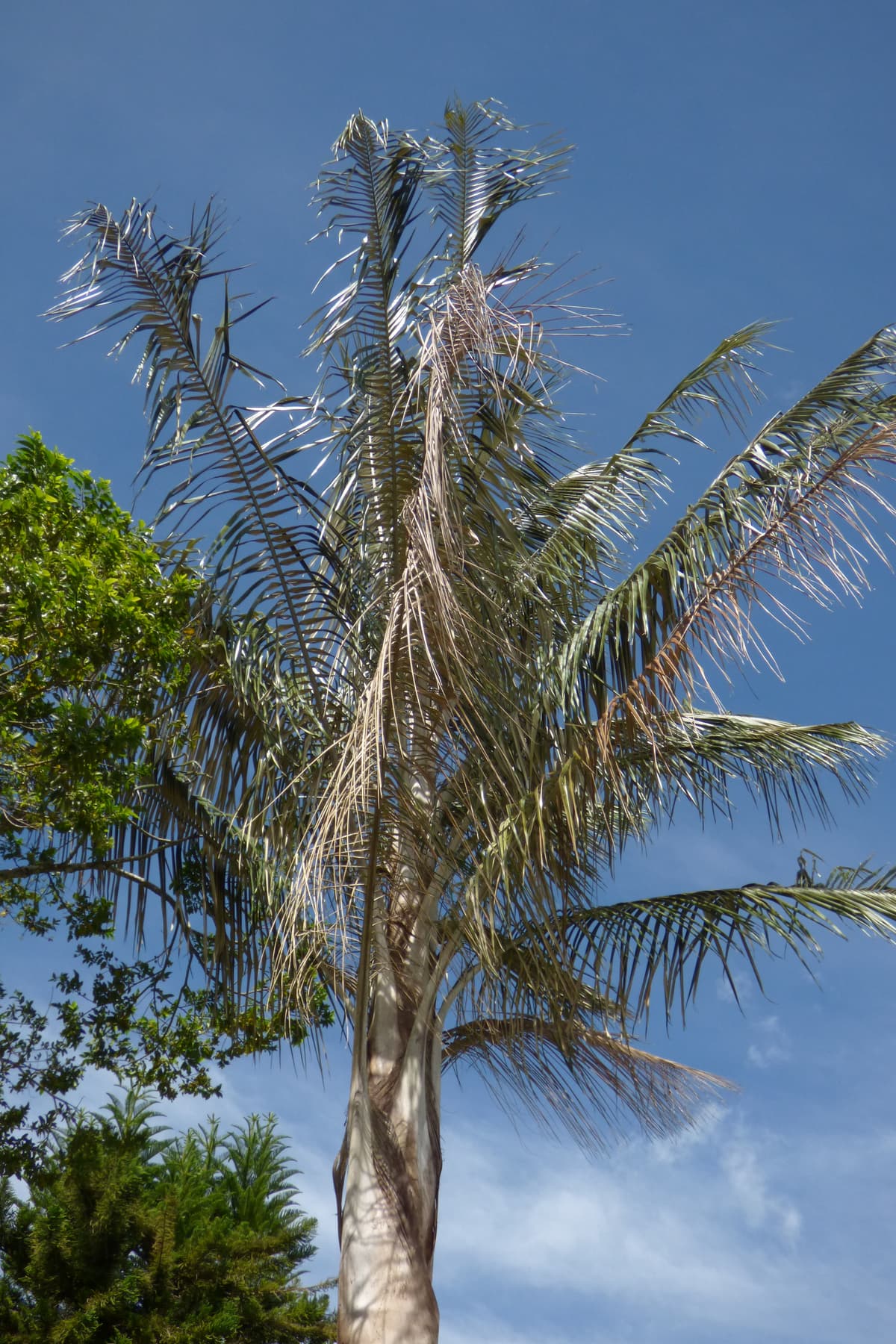
Botanical specimen of Ceroxylon Alpinum.
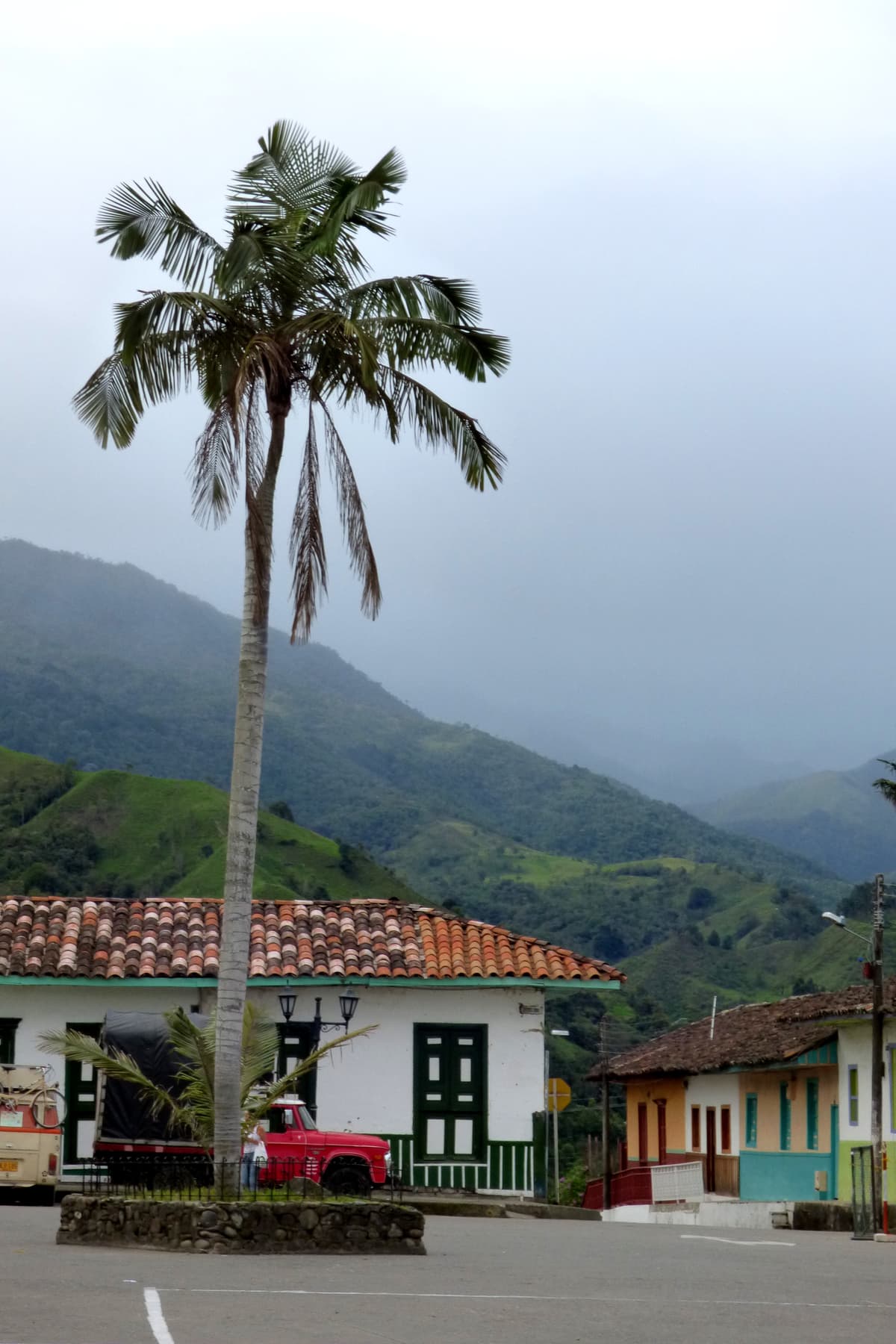
Botanical specimen of Ceroxylon Alpinum.
Sources & Conservation
Curated- Ceroxylon alpinum Bonpl. ex DC. | Plants of the World Online (POWO), Kew Science · accessed 2026-09
- Ceroxylon alpinum Bonpl. ex DC. | PALMweb (taxon page, description from Sanin & Galeano 2011) · accessed 2026-09
- Ceroxylon Bonpl. ex DC. | PALMweb (genus page: etymology, dioecy, demography, conservation) · accessed 2026-09
- Ceroxylon alpinum - Palmpedia, Palm Grower's Guide · accessed 2026-09
- Ceroxylon alpinum - Palmpedia, Palms For California (horticultural data) · accessed 2026-09
- Ceroxylon alpinum - The IUCN Red List of Threatened Species · accessed 2026-09
- Ceroxylon alpinum - Wikipedia · accessed 2026-09
- Ceroxylon - Wikipedia (genus: type species, tallest palm and monocotyledon) · accessed 2026-09
- Ceroxylon alpinum Bonpl. ex DC. - ColPlantA, Colombian Plants made accessible (Kew) · accessed 2026-09
- Ceroxylon alpinum Bonpl. ex DC. - World Flora Online · accessed 2026-09
- Ceroxylon alpinum - Useful Tropical Plants Database · accessed 2026-09
- Ceroxylon alpinum Species Information - Trebrown Nurseries · accessed 2026-09
- GBIF species API - Ceroxylon alpinum (taxonomic status confirmation) · accessed 2026-09