Ecuadorian wax palm
Ceroxylon Ventricosum • Andean wax palm • Palma de cera • Palma de cera barrigona • Palma de tambán • Tambán • Palma real • Palma de ramos • Läme
The Essence
"Ceroxylon ventricosum is a massive, wax-coated Andean palm of southwestern Colombia and Ecuador, described by Max Burret in 1929. It grows in moist montane forest and in pastures, mostly between 2,000 and 3,000 m and usually above 2,500 m, often forming stands of hundreds of individuals — remarkable for a tree of this size. Palmpedia reports it as Ecuador's highest-altitude naturally occurring palm, recorded well above 3,500 m in paramo forest and descending to about 1,800 m, especially in Loja. The species is dioecious, so both male and female plants are needed for fruit. Its ethnobotany is unusually well documented. Split stems serve for fencing and house construction; wax is scraped from the trunk — harmlessly, according to Useful Tropical Plants — and burned for illumination or processed into candles and soap; pinnae from the spear leaf are woven into hats and mats, and the spear leaf itself is sold during Holy Week for Palm Sunday. Pigs are turned loose in the palm stands during the fruiting season to eat the fruit, and because of this the palms are protected in pastures and forest — a rare case of a subsistence use conserving the tree. Palmpedia adds that the stands are the preferred habitat of two endemic parrots, the El Oro Parakeet and the Loja Green Parrot, both said to be declining rapidly along with the palms. National assessments reproduced in the Sanín & Galeano 2011 revision rate the species Vulnerable in Ecuador and Endangered in Colombia, citing habitat reduction and the small size of the populations; there is no global IUCN Red List assessment. Useful Tropical Plants notes it is harvested from the wild for wax and wood. In cultivation it is rare and demanding: rarepalmseeds calls it "One of the biggest and probably the most impressive of the Ceroxylon", while Geoff Stein describes it as awe-inspiring when well grown but a very fastidious palm that dislikes heat and arid climates. Growth-rate reports conflict, ranging from slow — Palmpedia notes it can get quite tall given a century or so — to moderate or even fast."
Ceroxylon comes from Greek keros ("wax") and xylon ("wood"), referring to the thick white wax on the trunks — hence the name wax palms; this reading is given on Palmweb from Genera Palmarum (Dransfield et al. 2008). The epithet ventricosum means ventricose, that is swollen or bulging: Trebrown describes the stem as ventricose and notes that trunks are usually slightly swollen or bulging near their middles. The Spanish name palma de cera barrigona carries the same sense, barrigona meaning pot-bellied.
Described by Max Burret in Notizblatt des Botanischen Gartens und Museums zu Berlin-Dahlem 10: 847 (1929). The name is accepted by POWO and by the GBIF backbone taxonomy, and Palmpedia and Wikipedia both list no synonyms for it. The modern detailed description, distribution and use records come from the monographic revision of the genus by Sanín & Galeano, published in Phytotaxa 34 (2011) and reproduced on Palmweb and Palmpedia.
Natural Habitat
Moist montane forest, forest remnants and pastures on Andean slopes, at (1,800–)2,000–3,000 m and usually above 2,500 m, in what POWO calls the wet tropical biome. Palmpedia reports that in Ecuador it has been recorded well above 3,500 m in paramo forest and that it is the country's highest-altitude naturally occurring palm. It commonly forms stands of hundreds of individuals, and is also cultivated as an ornamental within Ecuador.
Curated Specimens
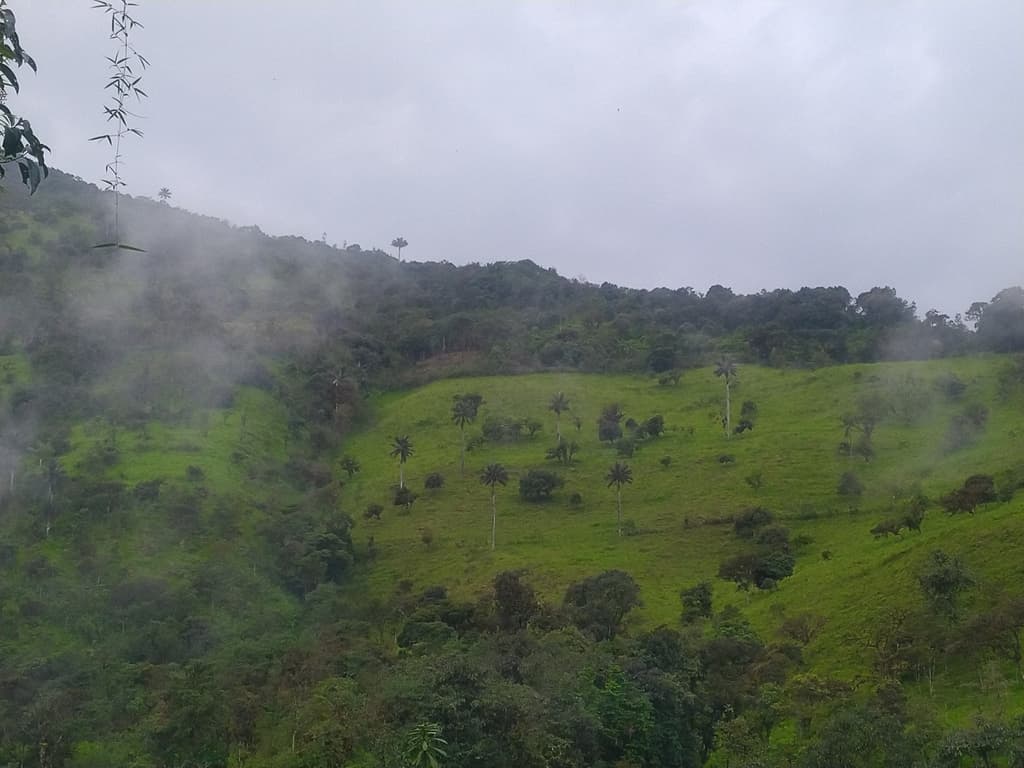
Botanical specimen of Ceroxylon Ventricosum.
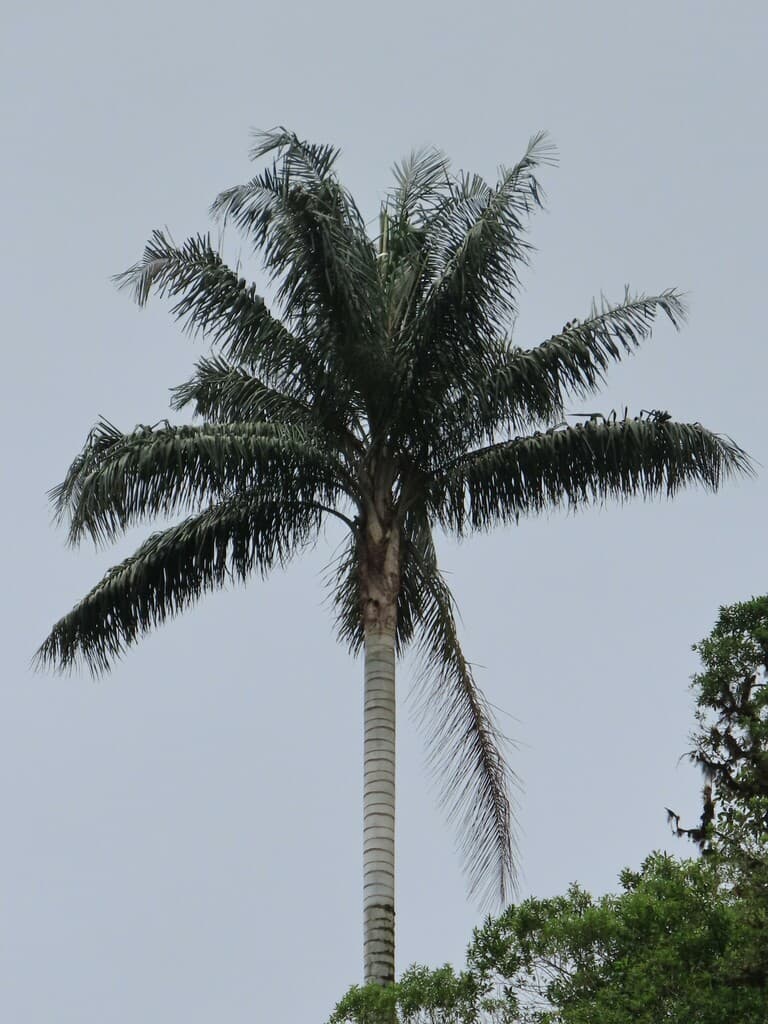
Botanical specimen of Ceroxylon Ventricosum.
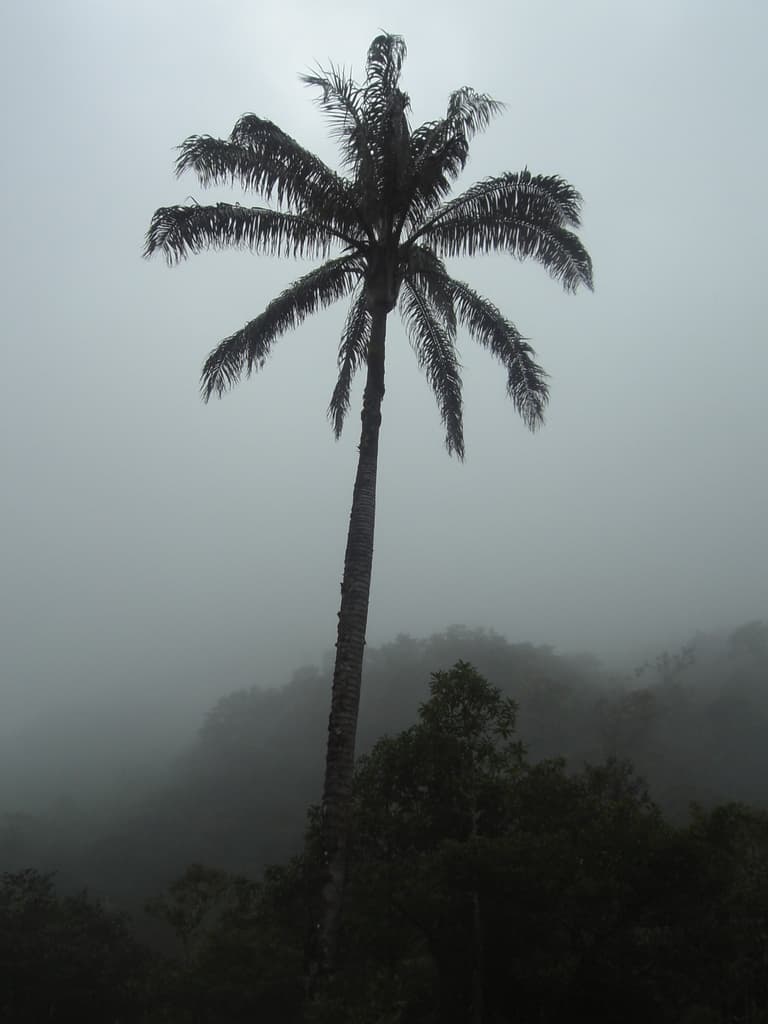
Botanical specimen of Ceroxylon Ventricosum.
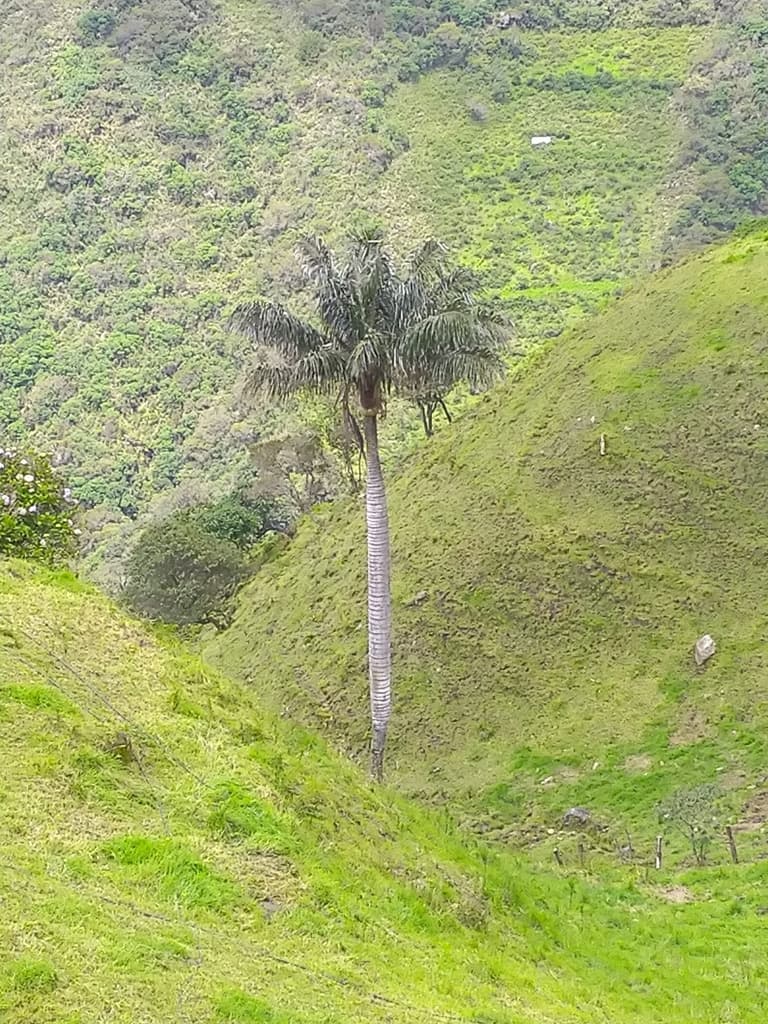
Botanical specimen of Ceroxylon Ventricosum.
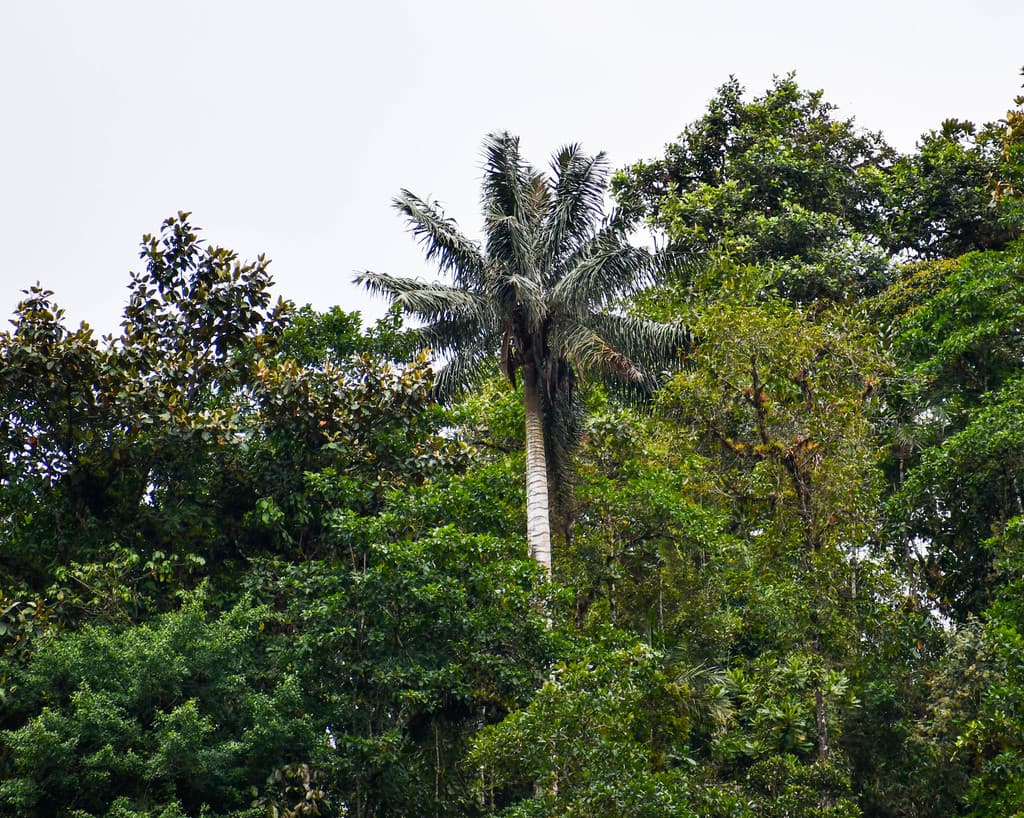
Botanical specimen of Ceroxylon Ventricosum.
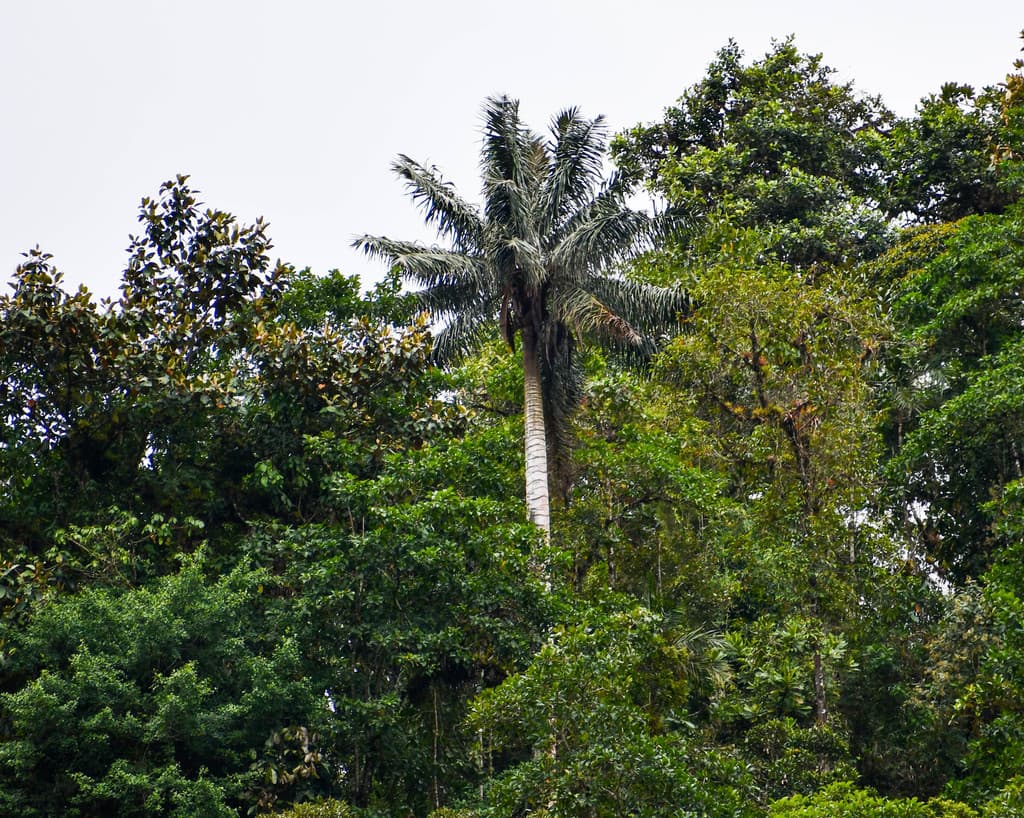
Botanical specimen of Ceroxylon Ventricosum.
Sources & Conservation
Curated- Ceroxylon ventricosum Burret | Plants of the World Online | Kew Science (POWO) · accessed 2026-09
- Ceroxylon ventricosum Burret, Notizbl. Bot. Gart. Berlin-Dahlem 10: 847 (1929) | PALMweb · accessed 2026-09
- Ceroxylon Bonpl. ex DC. | PALMweb (genus etymology from Genera Palmarum: keros wax, xylon wood) · accessed 2026-09
- Ceroxylon ventricosum - Palmpedia - Palm Grower's Guide (full Sanín & Galeano 2011 description, uses, conservation) · accessed 2026-09
- Ceroxylon ventricosum - Palms For California (Geoff Stein; cultivation and cold tolerance) · accessed 2026-09
- Ceroxylon ventricosum - Useful Tropical Plants · accessed 2026-09
- Ceroxylon ventricosum Species Information - Trebrown Nurseries · accessed 2026-09
- Ceroxylon ventricosum – Ecuadorian Wax Palm – rarepalmseeds.com · accessed 2026-09
- Germinating Palm Seeds – rarepalmseeds.com (Ceroxylon named as a cool-germinating genus) · accessed 2026-09
- GBIF Backbone Taxonomy record for Ceroxylon ventricosum Burret (taxonKey 2731829, accepted) · accessed 2026-09
- GBIF occurrence country facets for Ceroxylon ventricosum (128 records: Ecuador 73, Colombia 52, plus 1 outlying French Guiana record) · accessed 2026-09
- Ceroxylon ventricosum - Wikipedia (stub; Ecuadorian wax palm, author Max Burret 1929, Colombia and Ecuador) · accessed 2026-09
- palma de cera barrigona (Ceroxylon ventricosum) - iNaturalist · accessed 2026-09