Florida silver palm
Coccothrinax Argentata • Silver palm • Silver thatch palm • Silvertop • Wild pop thatch • Palma de plata • Pactá • Palmicha
Florida silver palm in Motion
The Essence
"Coccothrinax argentata is a small, slow-growing solitary fan palm of southern Florida, the Bahamas and the Turks and Caicos Islands, southeastern Mexico and the San Andres y Providencia islands of Colombia. That makes it one of the two most widely distributed species in Coccothrinax, the most diverse genus of Caribbean palms; most of the rest of the genus is far more local. Flora of North America records stems of 0-3 m, Palmpedia gives plants to 6 m (20 ft) and Wikipedia 2-6 m, while UF/IFAS describes landscape specimens at 6-15 ft; growth measured at Fairchild Tropical Garden averaged 12 cm (4.7 in) a year. The trunk is 5-20 cm thick, covered in fine brown fibre closely woven at the top and bare, light grey at the bottom. It carries 12-18 palmate leaves under a metre wide, each split into 40-54 stiff or lax segments that are silvery-grey - sometimes golden - beneath. Fragrant white to pale yellow flowers are borne on compact inflorescences that do not exceed the leaves, with Palmpedia recording flowering all year and FNA giving spring to fall, followed by globose purple-black fruits 6.5-12 mm across on conspicuous pedicels. POWO recognises two subspecies, subsp. argentata and subsp. garberi (Chapm.) Zona, Franc.-Ort. & Jestrow; per the Atlas of Florida Plants, Keys populations are referable to subsp. argentata and tend to have more leaves, more segments per leaf, wider petioles and taller plants than mainland ones. In the Florida Keys the species forms sterile natural hybrids with Thrinax morrisii where the two are sympatric; FNA separates them by C. argentata's obscure transverse leaf venation and purple-black fruit on long pedicels versus T. morrisii's conspicuous venation and white fruit on short pedicels. Ecologically it is a larval host for the monk skipper butterfly (Asbolis capucinus), its flowers are visited by bees, birds nest in it and eat the fruit, and the endangered Key deer feed on the fruit; in the West Indies the leaves are used for baskets, hats and other crafts. Globally IUCN assesses it as Least Concern, but Florida lists it as state Threatened and Colombia's 2021 national red list as Endangered. Its slow growth makes mature nursery plants costly; Palmpedia warns it is sometimes illegally collected from the wild, and the Florida Native Plant Society advises obtaining plants only from properly licensed sources."
Coccothrinax combines coccus, "berry," with Thrinax, the name of the related fan-palm genus. Fairchild Tropical Botanic Garden glosses the epithet argentata as Latin for "silvered," referring to the silvery undersides of the leaf segments that also give the palm its common name.
The basionym is Palma argentata Jacq., published in Fragmenta Botanica - Flora of North America cites page 39, plate 43, fig. 1, dated 1801, while POWO and Wikipedia date it to 1803. The current combination was published by L.H. Bailey in Gentes Herbarum 4: 223 (1939). Historical synonyms include Coccothrinax garberi (Chapman) Sargent, C. jucunda Sargent and Thrinax garberi Chapman. GBIF accepts the name as Coccothrinax argentata (Jacq.) L.H.Bailey, usageKey 2735294.
Natural Habitat
Pine rockland, rockland hammock and maritime hammock, and coastal scrub and thickets. Flora of North America records the habitat as rocky, calcareous soil of coastal hammocks and scrub at 0-10 m; POWO gives the biome as wet tropical and the IUCN habitat class as forest and woodland. Soils are moist, well-drained sand or limestone, with or without a humus top layer. In Florida the palm runs from Monroe County and the Keys north along the east coast to southern Palm Beach County (about Boca Raton), not uncommon in southern Miami-Dade and the lower Keys and rare from the middle and upper Keys northward; in Colombia it occurs only in the department of San Andres y Providencia, at 0-300 m. Bahia Honda State Park in the Florida Keys holds one of the largest stands in the United States.
Curated Specimens
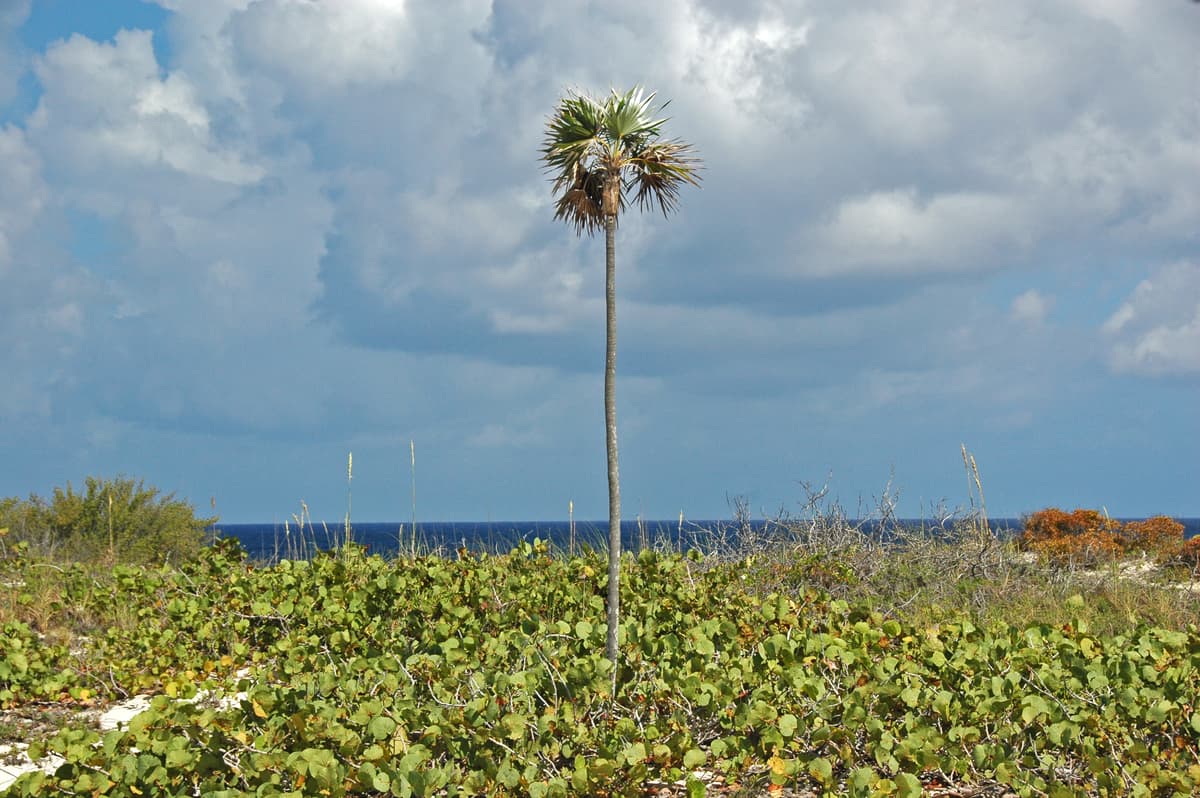
Botanical specimen of Coccothrinax Argentata.
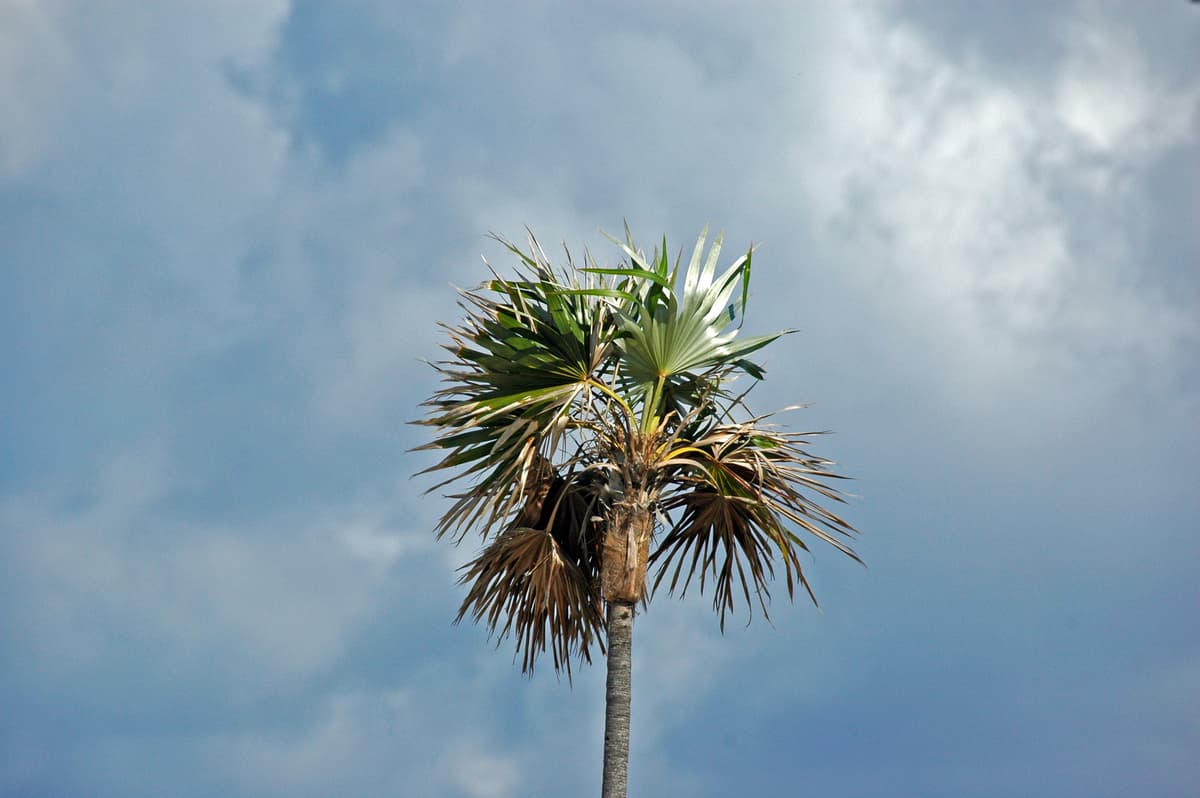
Botanical specimen of Coccothrinax Argentata.
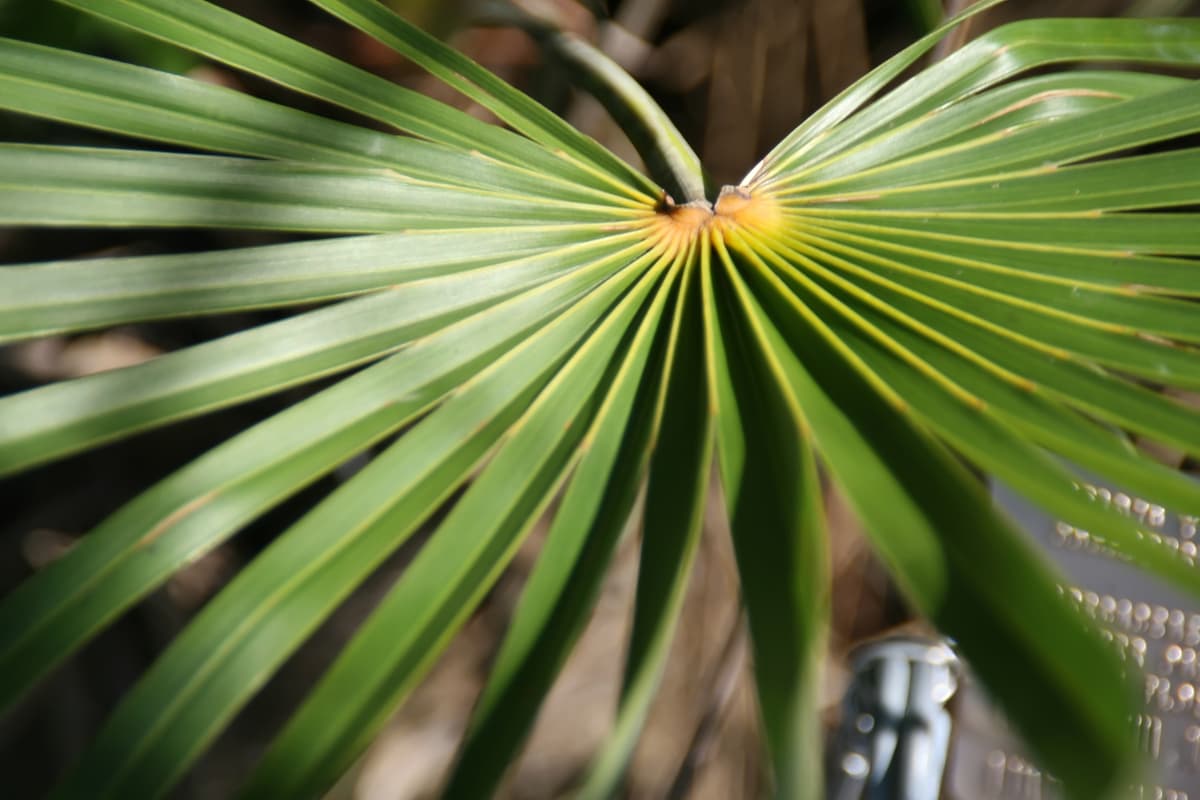
Botanical specimen of Coccothrinax Argentata.
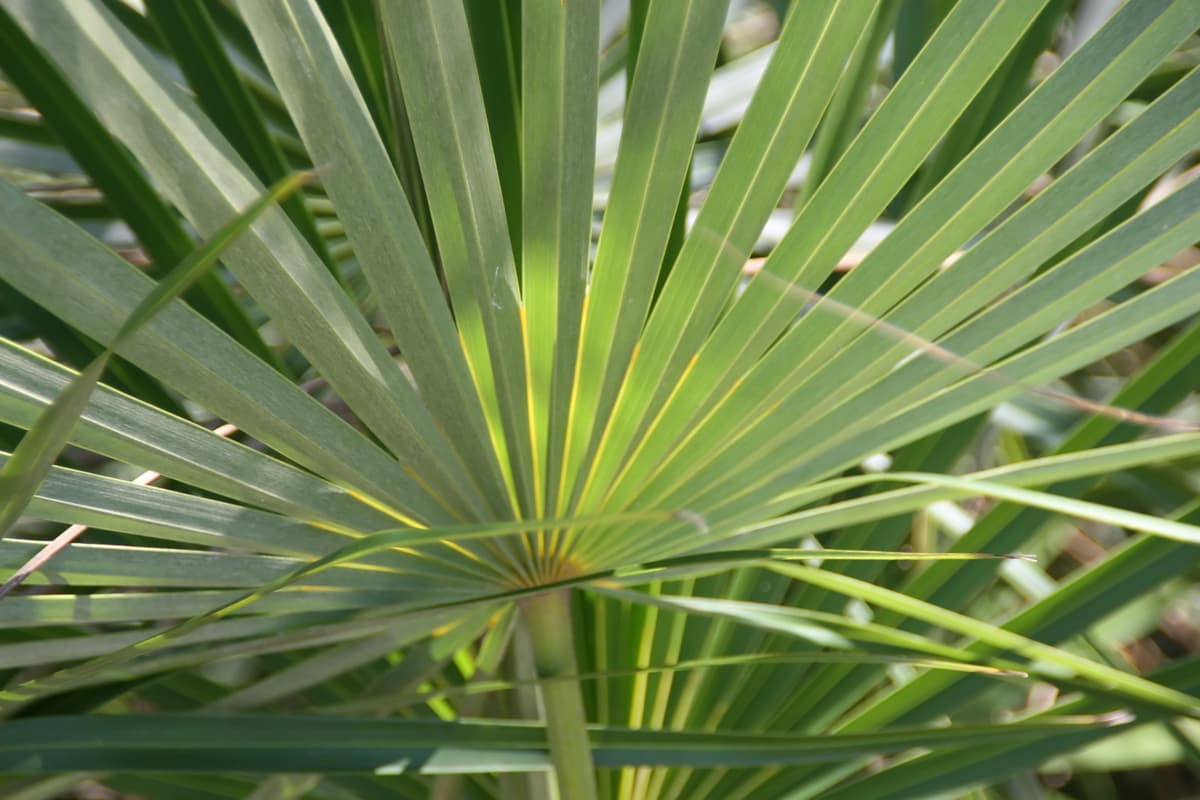
Botanical specimen of Coccothrinax Argentata.
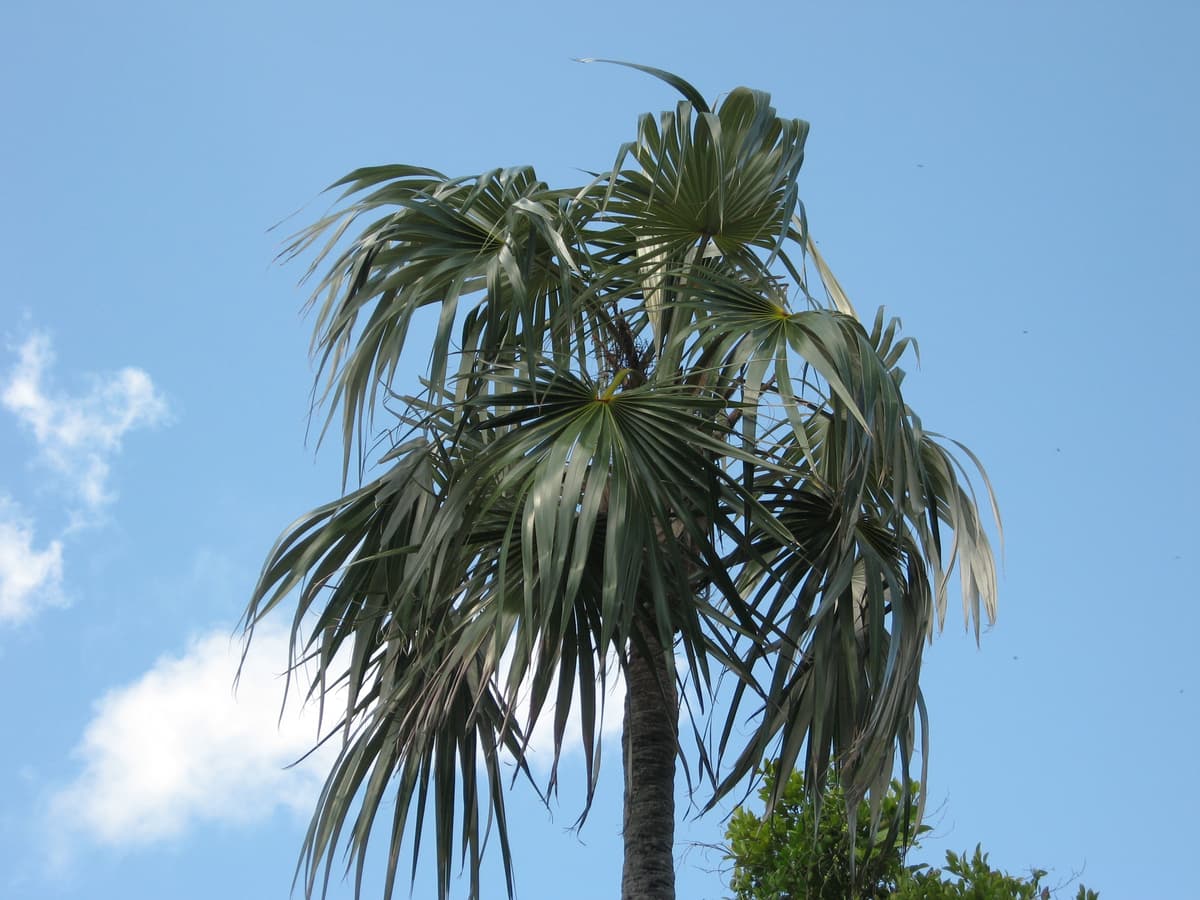
Botanical specimen of Coccothrinax Argentata.
Sources & Conservation
Curated- Coccothrinax argentata (Jacq.) L.H.Bailey | Plants of the World Online, Kew Science · accessed 2026-08
- Coccothrinax argentata in Flora of North America (FNA vol. 22, p. 100) @ efloras.org · accessed 2026-08
- Coccothrinax argentata — Palmpedia, Palm Grower's Guide · accessed 2026-08
- Coccothrinax argentata — Wikipedia · accessed 2026-08
- Coccothrinax (genus) — Wikipedia · accessed 2026-08
- ENH335/ST176: Coccothrinax argentata: Silverpalm — UF/IFAS Extension