Borhidi's Guano Palm
Coccothrinax Borhidiana • Guano • Yuraguano
Borhidi's Guano Palm in Motion
The Essence
"Coccothrinax borhidiana is a Cuban endemic confined to Punta Guanos, on the north coast of Matanzas Province, west of Matanzas Bay. It was historically distributed between Punta Guanos and Punta Seboruco, but the survey behind the current Red List assessment found that it no longer occurs around Punta Seboruco and now holds only the ground between Punta Guanos and the midpoint of that stretch. Its extent of occurrence is down to 0.41 km2 and its area of occupancy to about 0.05 km2, reductions of roughly 64% and 92% on the original figures; the IUCN/SSC Palm Specialist Group described the habitat as a coastal strip of about 8 ha, and the whole world population counts as a single location. It is a solitary fan palm of 2-4 m whose slender trunk keeps a dense skirt of persistent dead leaves, a feature the Palm Specialist Group calls unlike any other Coccothrinax; a grower who saw it in habitat said the plants looked like miniature petticoat palms, and Palmpedia carries the view that in the flesh it surpasses any other species in the genus, including the famed C. crinita. The species has been listed as Critically Endangered since 1998, and the current assessment keeps it there, with an estimated 1,937 mature individuals at that single location, a decreasing population trend and continuing decline in habitat quality. The most immediate threat is oil and gas exploitation on the ground it occupies: the assessors note that it has not ceased and is not reversible, and that because the range is so restricted a single threatening event could affect the entire population. Deforestation for the oil industry, road building, housing and grazing, together with fire, have cost roughly 40% of the habitat in ten years, and a further decline of at least 80% is projected. Ex situ material is held at the Jardin Botanico Nacional in Havana and at the Matanzas Botanic Garden, which also runs education work for the species. Neither its pollination biology nor its dispersal agents have been studied, and accounts of human use conflict: the Palm Specialist Group states that nothing is documented, while the IUCN assessment records local and national horticultural use and Useful Tropical Plants reports leaves used for thatching."
The genus name Coccothrinax combines the Greek kokkos, "berry", with the genus name Thrinax, which these palms resemble. The epithet borhidiana honours Attila Borhidi, the Hungarian botanist who carried out extensive research on the Cuban flora and vegetation. "Guano" and "yuraguano" are the Cuban vernacular names.
The species was discovered in 1970 by the late Cuban botanist O. Muniz and published in 1978 in the Hungarian journal Acta Agronomica Academiae Scientiarum Hungaricae (27: 437), in a paper on dendrological novelties in the flora of Cuba. Successive counts show how small the recorded population has been: 325 mature individuals in 1996 and 252 in 2006, then 338 mature individuals reported in 2009, none of these covering the whole area; the 2022 survey counted 685 individuals in 46 plots - 303 juveniles and 382 adults - and from them estimated a total of 3,473 individuals, of which 1,937 adults. Punta Guanos has held provincial conservation status since 1984, yet the species still falls outside Cuba's protected-area network: the IUCN assessment records 0% of the population inside protected areas, and a Caribbean-wide review lists it among five Coccothrinax taxa not conserved in protected areas, with C. bermudezii, C. crinita subsp. crinita, C. leonis and C. spissa.
Natural Habitat
Coastal dry scrub vegetation on limestone terraces close to the sea. The IUCN assessment describes coastal and subcoastal xeromorphic scrub and microphyllous evergreen forest on semi-bare karst covered by a shallow red rendzina, a few metres from the shore, and records elevation limits of 5-10 m. The rock is dogtooth limestone - rough, deeply fissured and difficult to walk on. IUCN classifies the habitat as forest and shrubland and gives a generation length of 100 years; POWO places the species in the wet tropical biome. A grower who visited the site notes that the area goes through 5-6 months with very little rainfall each year.
Curated Specimens
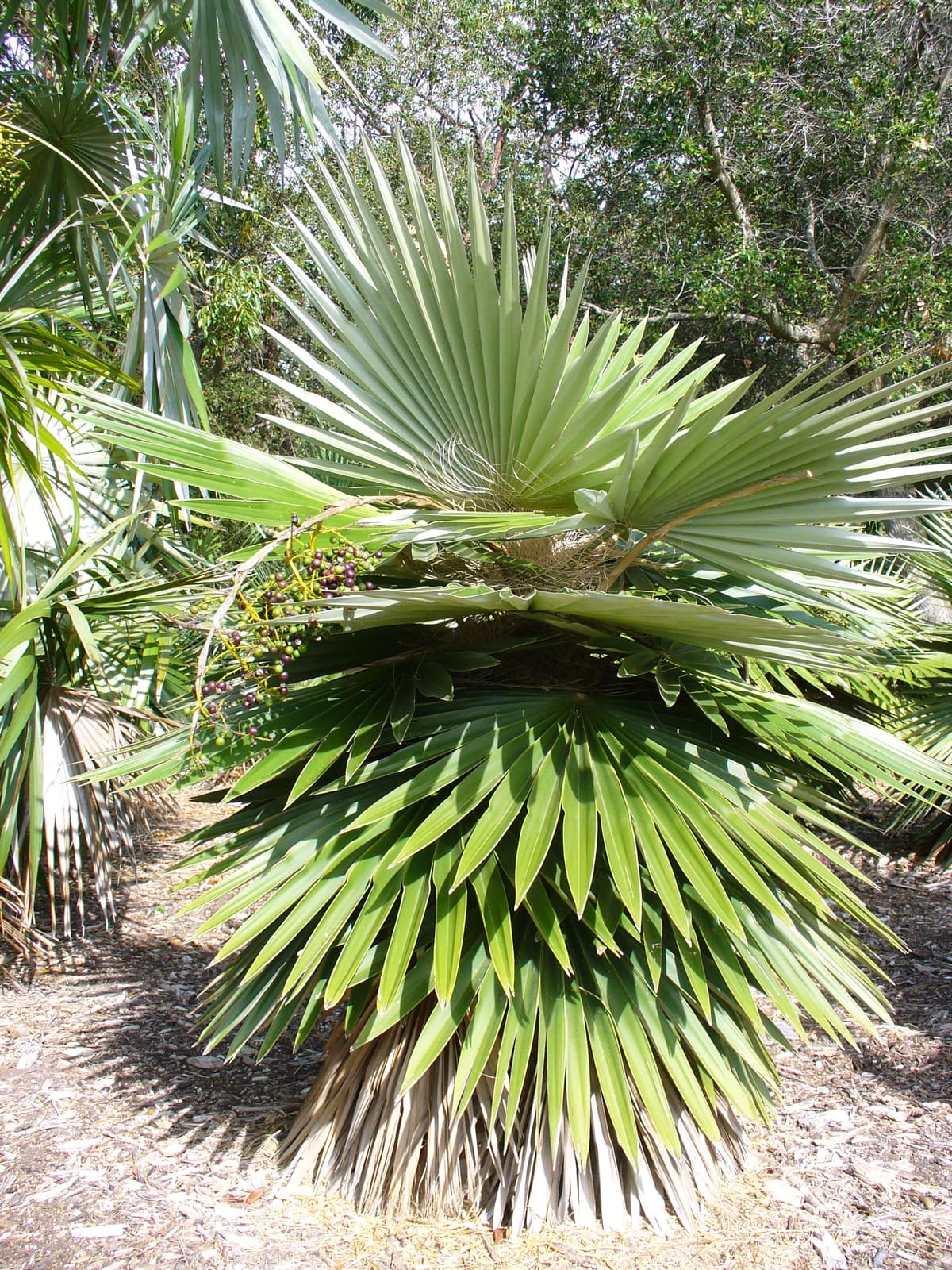
Botanical specimen of Coccothrinax Borhidiana.
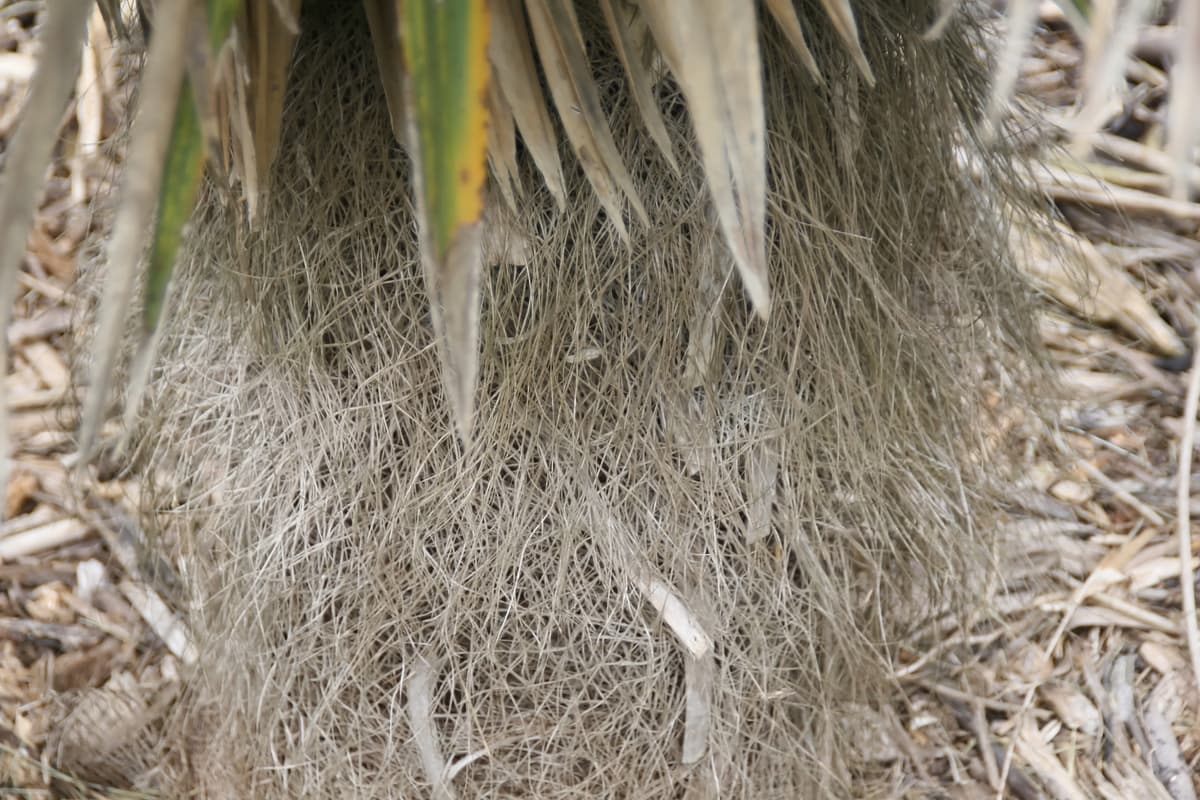
Botanical specimen of Coccothrinax Borhidiana.
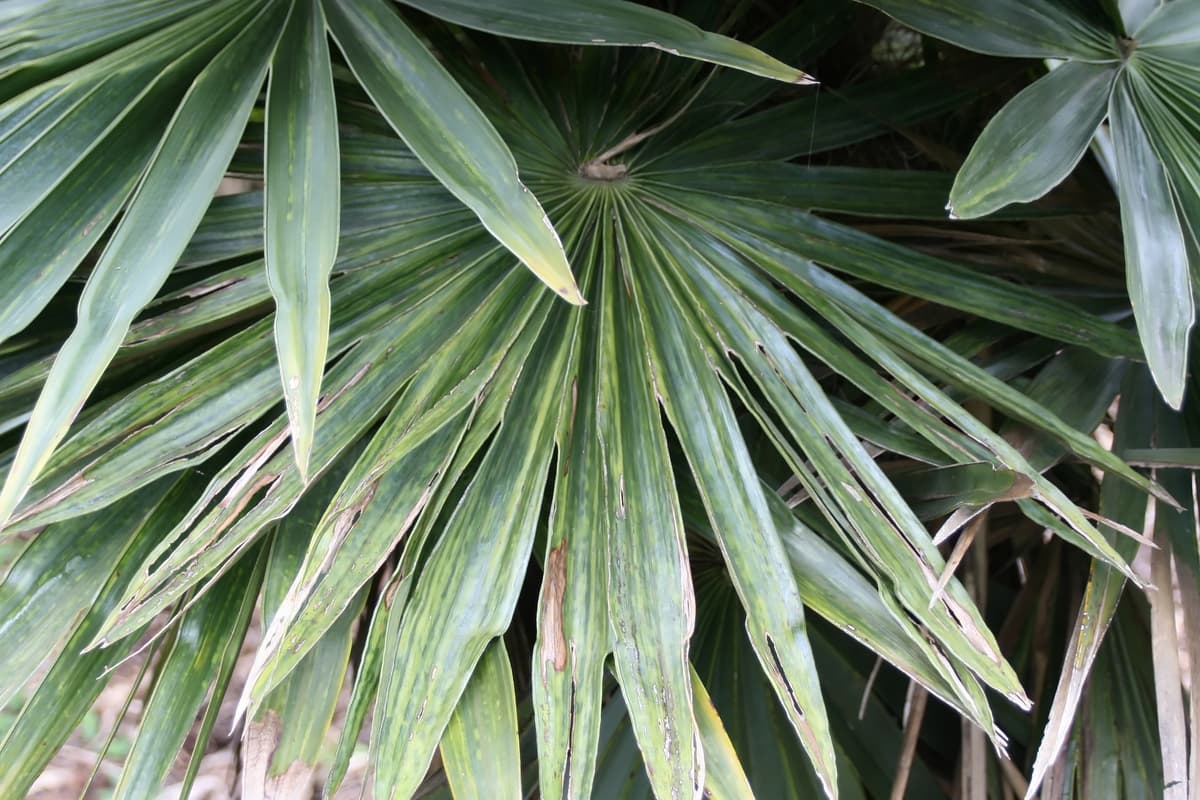
Botanical specimen of Coccothrinax Borhidiana.
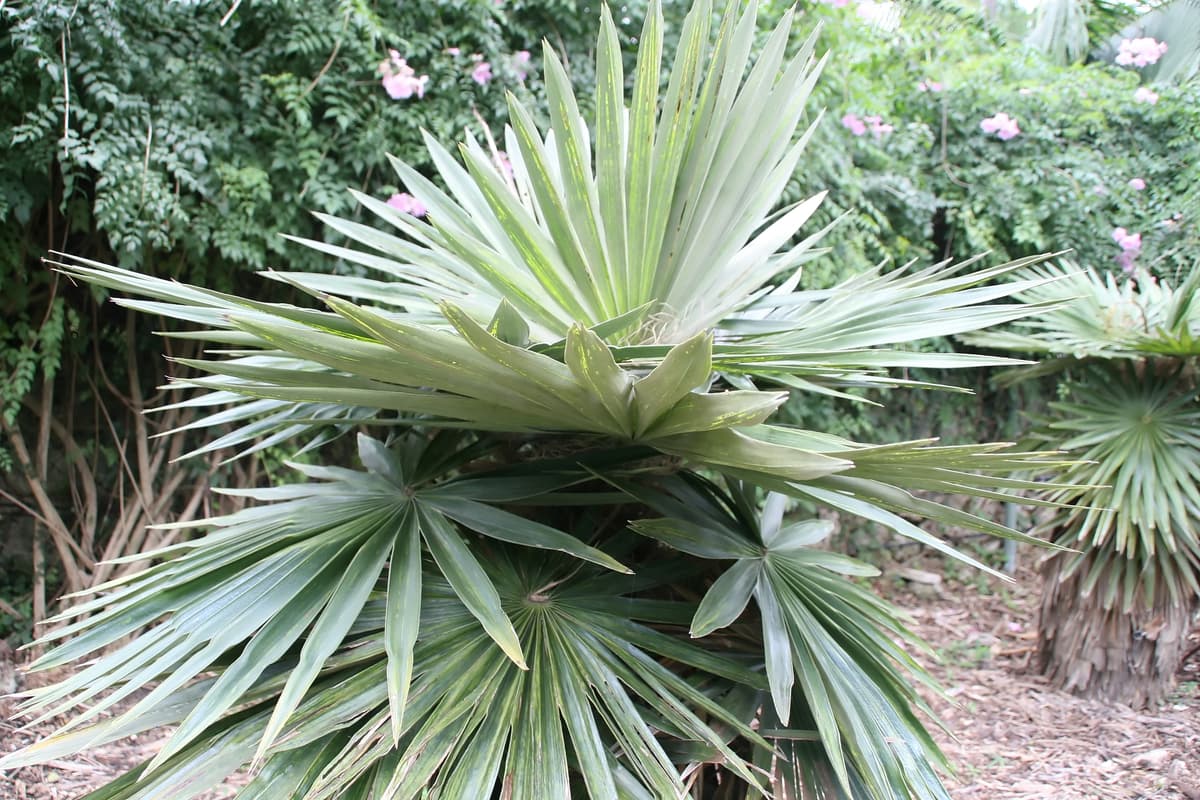
Botanical specimen of Coccothrinax Borhidiana.
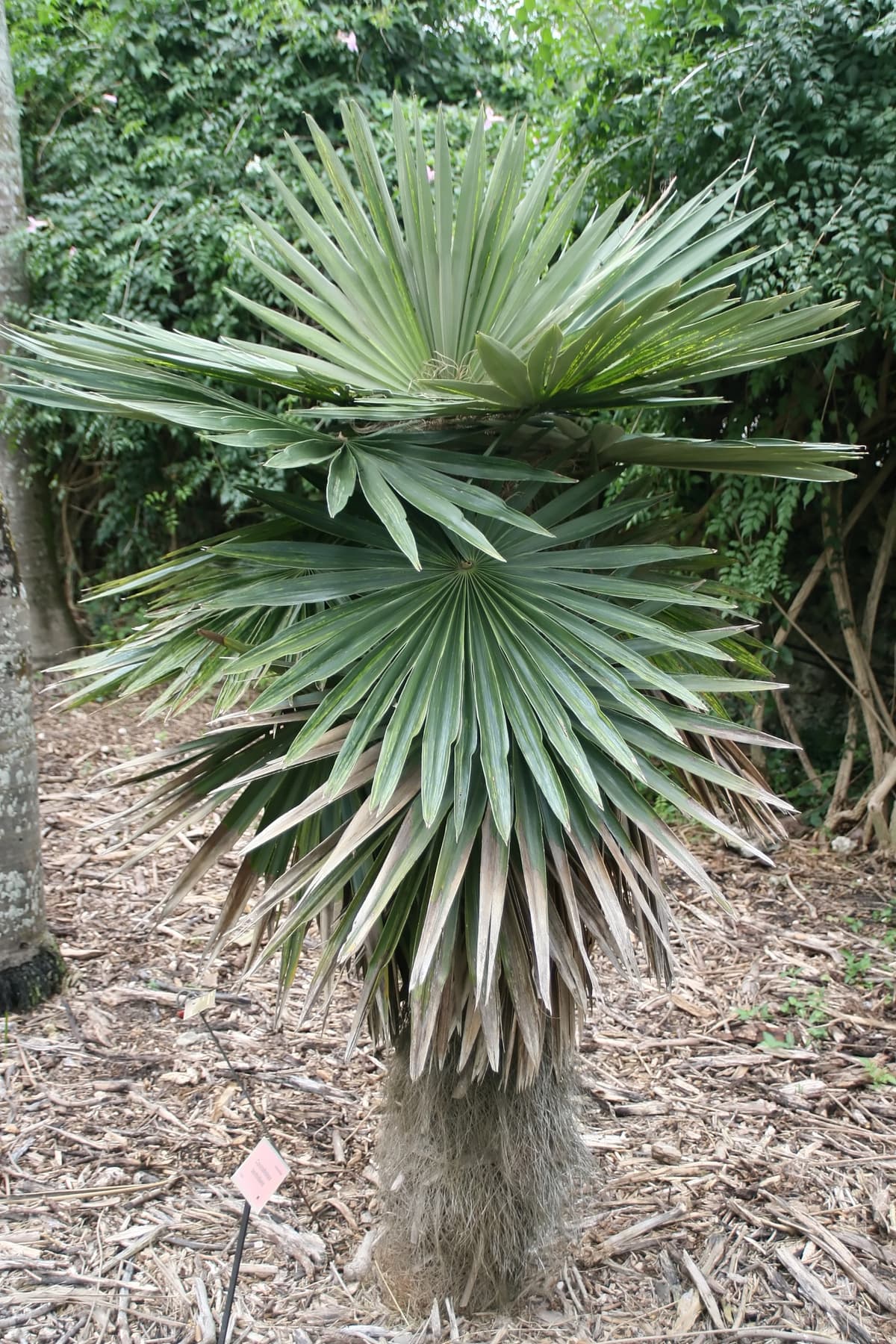
Botanical specimen of Coccothrinax Borhidiana.