Silver thatch palm
Coccothrinax Barbadensis • Puerto Rico silver palm • Tyre palm • Broom palm • Latanier balai
Silver thatch palm in Motion
The Essence
"Coccothrinax barbadensis is a slender, solitary fan palm of the Lesser Antilles and the southern Caribbean, first described as Thrinax barbadensis by Loddiges ex Martius and transferred to Coccothrinax by Beccari in Webbia in 1907. Plants of the World Online gives its native range as the Lesser Antilles to north-eastern Venezuela, listing the Leeward Islands, the Windward Islands, Trinidad and Tobago, Venezuela and the Venezuelan Antilles; Palmpedia, LLIFLE and the Monaco Nature Encyclopedia additionally record it from Puerto Rico and the Virgin Islands, which POWO does not include. It is one of the taller and more robust members of its genus, with a grey ringed trunk that can reach 15 m and a crown of palmate leaves that are green above and silvery beneath, so that the foliage flickers between green and white as it turns in the wind. The species is taxonomically messy: POWO sinks sixteen separately described names into it, among them Coccothrinax australis, C. dussiana, C. eggersiana, C. martinicaensis and C. sanctae-thomae, with Thrinax barbadensis as the basionym. Coccothrinax alta remains disputed - George Proctor treated it as a distinct species in 2005 on the basis of its shorter, more slender trunk, fewer stamens and much smaller fruit, while Kew's checklist treats it as a synonym of C. barbadensis. It is grown ornamentally for lining streets and driveways, as a solitary specimen or in groves, with young plants used in containers. Beyond its native range it is introduced in Hawaii, where a Pacific Island Ecosystems at Risk weed risk assessment scored it 2 and recorded more than thirty naturalized individuals at Lanikai on Oahu."
The specific epithet barbadensis means "of Barbados" and refers to one of the places the palm comes from; the basionym is Thrinax barbadensis Lodd. ex Mart. The genus name Coccothrinax combines the Greek kokkos, "berry", with the name of the genus Thrinax, which these palms resemble.
The leaves are widely used for thatching roofs, and to make brooms for local consumption and for export as well as hats, baskets and other craft work - a use reflected in vernacular names such as "broom palm" and the French and Creole "latanier balai" and "palmier a balai". The Monaco Nature Encyclopedia notes that indiscriminate collecting of the leaves has markedly reduced the palm's presence on some islands, and Henderson and coauthors report that the species was probably once present throughout the Lesser Antilles but has been extirpated on many of them.
Natural Habitat
A dry-coastal palm of coastal forest and scrub woodland on low hills and slopes, usually on calcareous or limestone soils, from sea level to about 300 m and occasionally to about 600 m. Palmpedia adds that in northern Puerto Rico it grows on limestone while on the islands off eastern Puerto Rico it occurs on volcanic substrates, mostly at low elevations but up to about 350 m, and that in cultivation in Barbados it grows on extremely thin limestone-based soils in full exposure to sun and wind without irrigation.
Curated Specimens
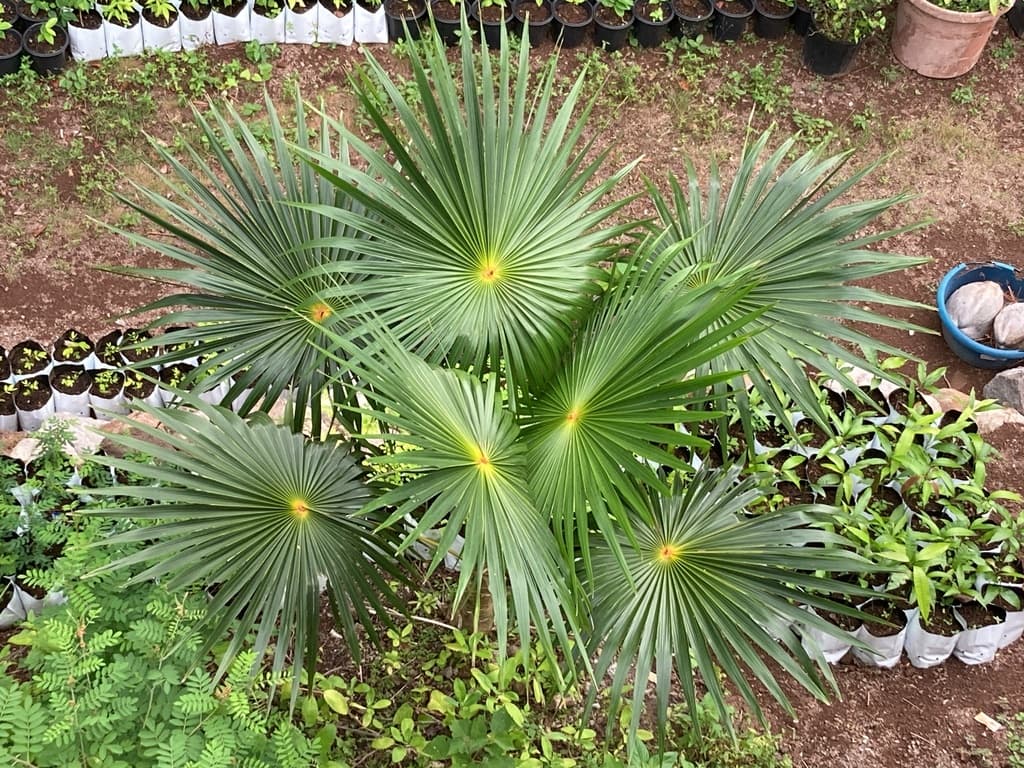
Botanical specimen of Coccothrinax Barbadensis.
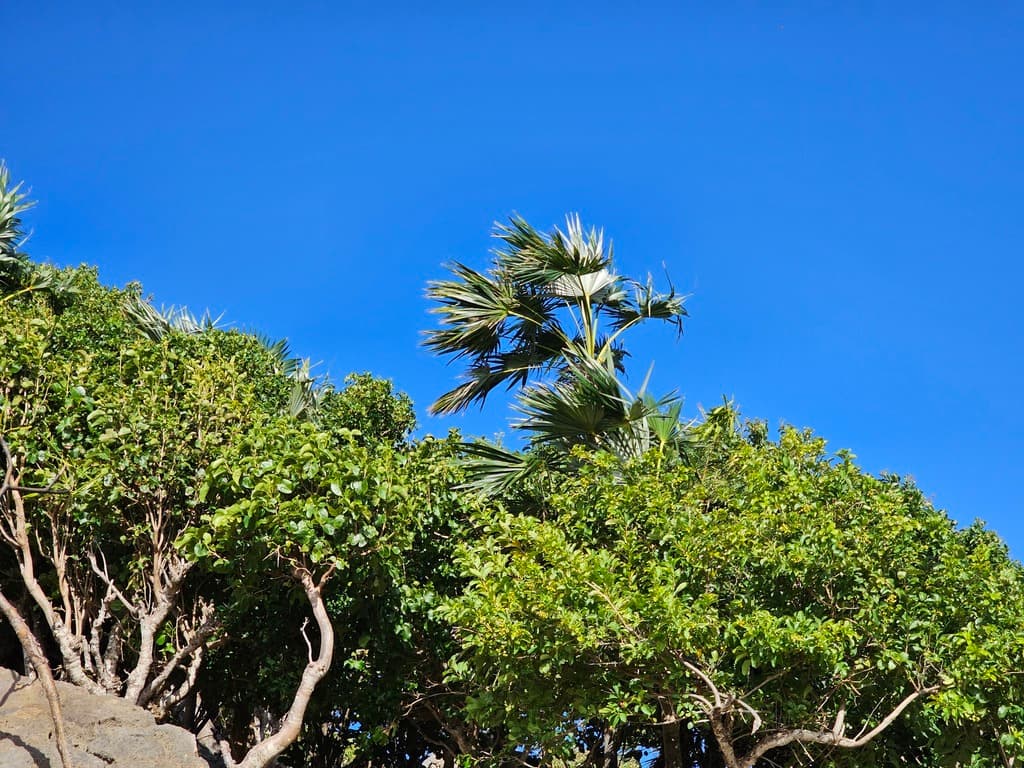
Botanical specimen of Coccothrinax Barbadensis.
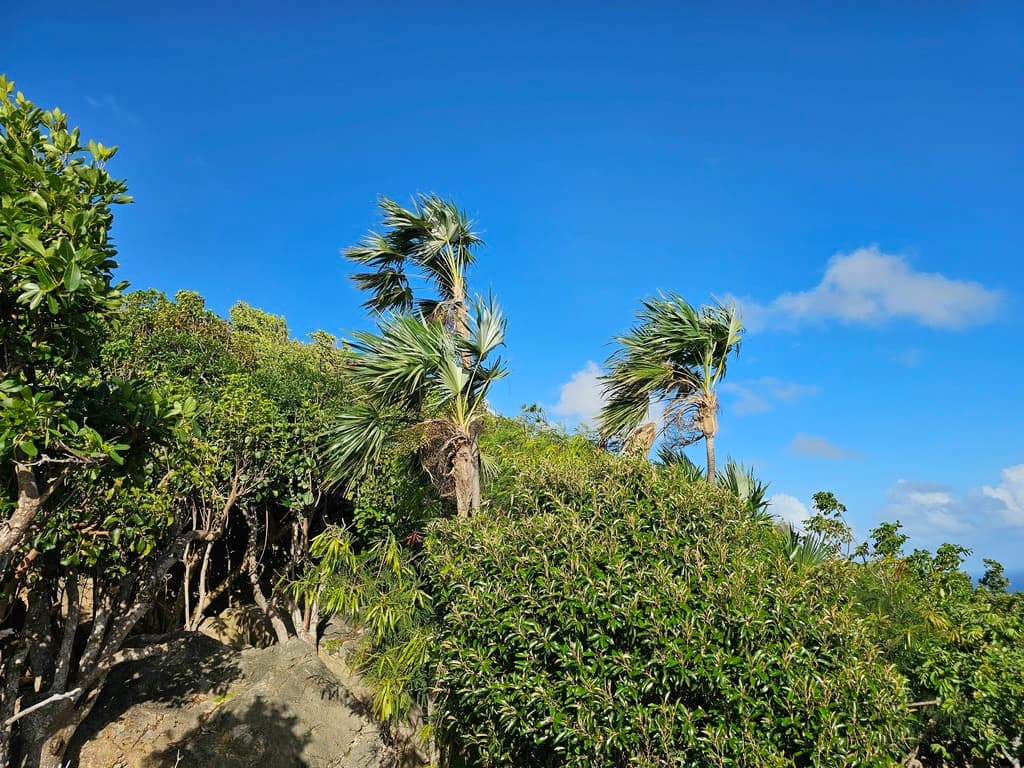
Botanical specimen of Coccothrinax Barbadensis.
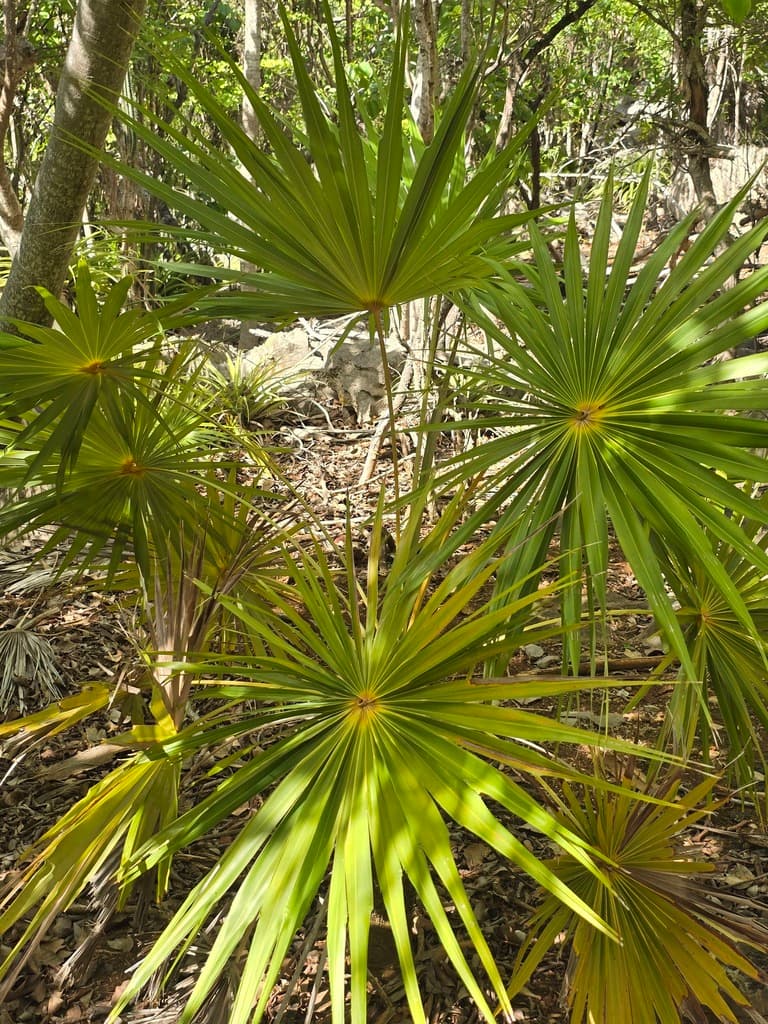
Botanical specimen of Coccothrinax Barbadensis.
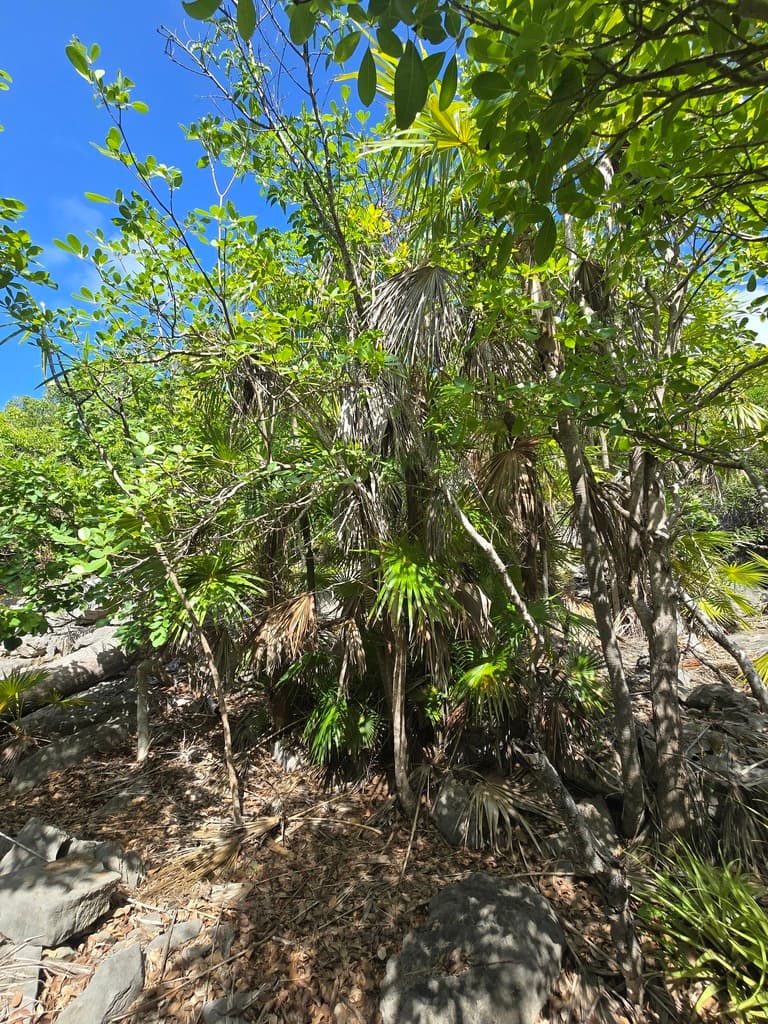
Botanical specimen of Coccothrinax Barbadensis.