Hispaniola belly palm
Coccothrinax Spissa • Swollen silver thatch palm • Guano barrigón • Guano manso • Guano de Baní • Guano
Hispaniola belly palm in Motion
The Essence
"Coccothrinax spissa is a solitary fan palm endemic to Hispaniola. Kew checklist data record it from both the Dominican Republic and Haiti, but the conservation and ethnobotanical literature centres it firmly on the Dominican Republic, where it is treated as a national endemic of the dry Valle de Peravia around Baní, the town that gives it the vernacular name "guano de Baní". It is the odd one out in a genus of slender silver palms: its stem, 3-8 m tall and 20-30 cm thick, is usually massively swollen through the middle, producing the bottle-like profile behind its "belly palm" names. Rare Palm Seeds calls it one of the fastest-growing Coccothrinax, and Palmpedia rates its growth as average, which is quick by the standards of a generally very slow genus. In the Dominican Republic the leaves are used to cover rural dwellings and to make ropes, mats, bags, brooms and other handicrafts. Wild populations have been reduced by urban expansion and agriculture, and grazing livestock suppress regeneration, with leaf harvesting itself flagged as an added pressure. A peer-reviewed conservation framework for Caribbean Coccothrinax published in Oryx treats the species as Critically Endangered and notes that it is not conserved within any protected area; this is the authors' assessment rather than a published IUCN Red List assessment, as the species has no Red List species page. The same paper records that Dominican botanists have developed successful seed-germination protocols for it."
Coccothrinax combines Greek kokkos, "berry", with the name of the related palm genus Thrinax; the epithet spissa is from Latin spissus, "compact, dense, thick", which Monaco Nature Encyclopedia relates to the compact inflorescence.
Described by Liberty Hyde Bailey in Gentes Herbarum 4: 253, fig. 160 (1939). O.F. Cook later transferred it to his segregate genus Pithodes as Pithodes spissa (1941), now treated as a homotypic synonym.
Natural Habitat
Open areas, dry rolling savannahs and woodland margins at low elevations below 400 m, including semi-arid open ground with mainly xerophilous vegetation on rocky calcareous soils, from sea level upwards.
Curated Specimens
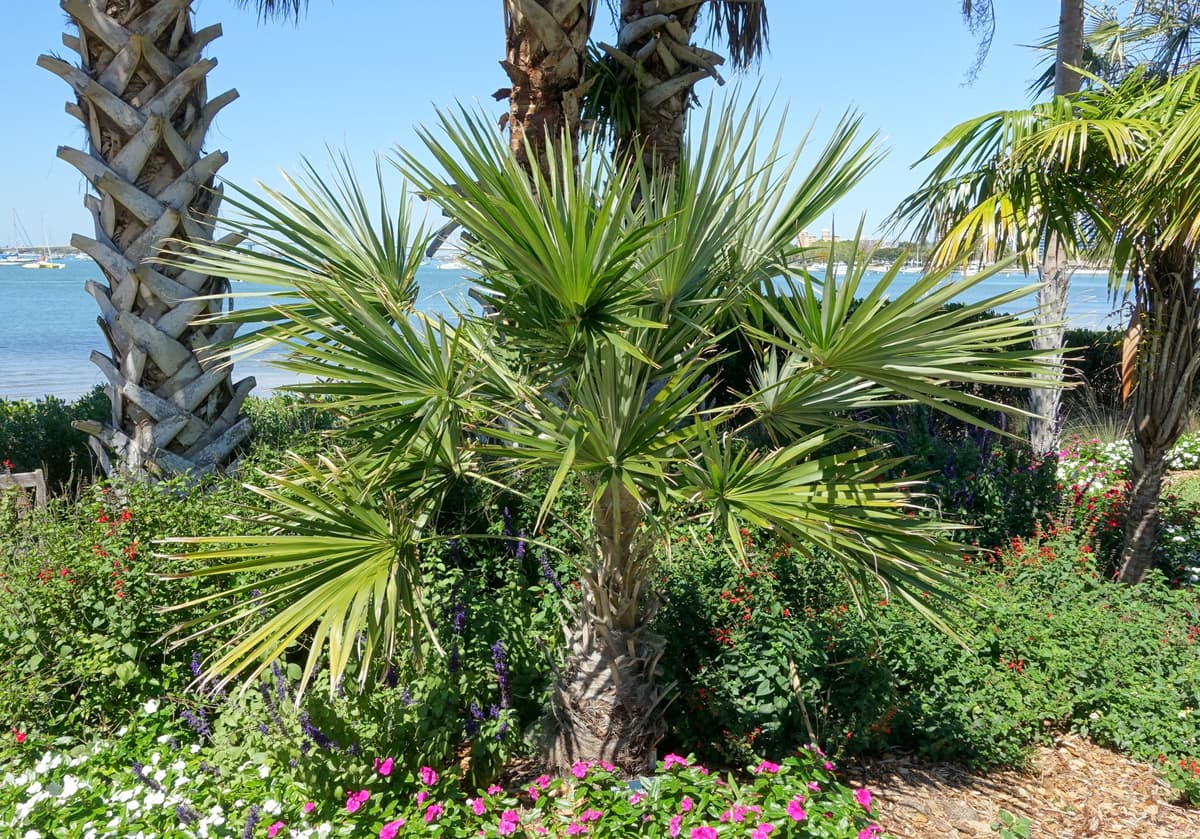
Botanical specimen of Coccothrinax Spissa.
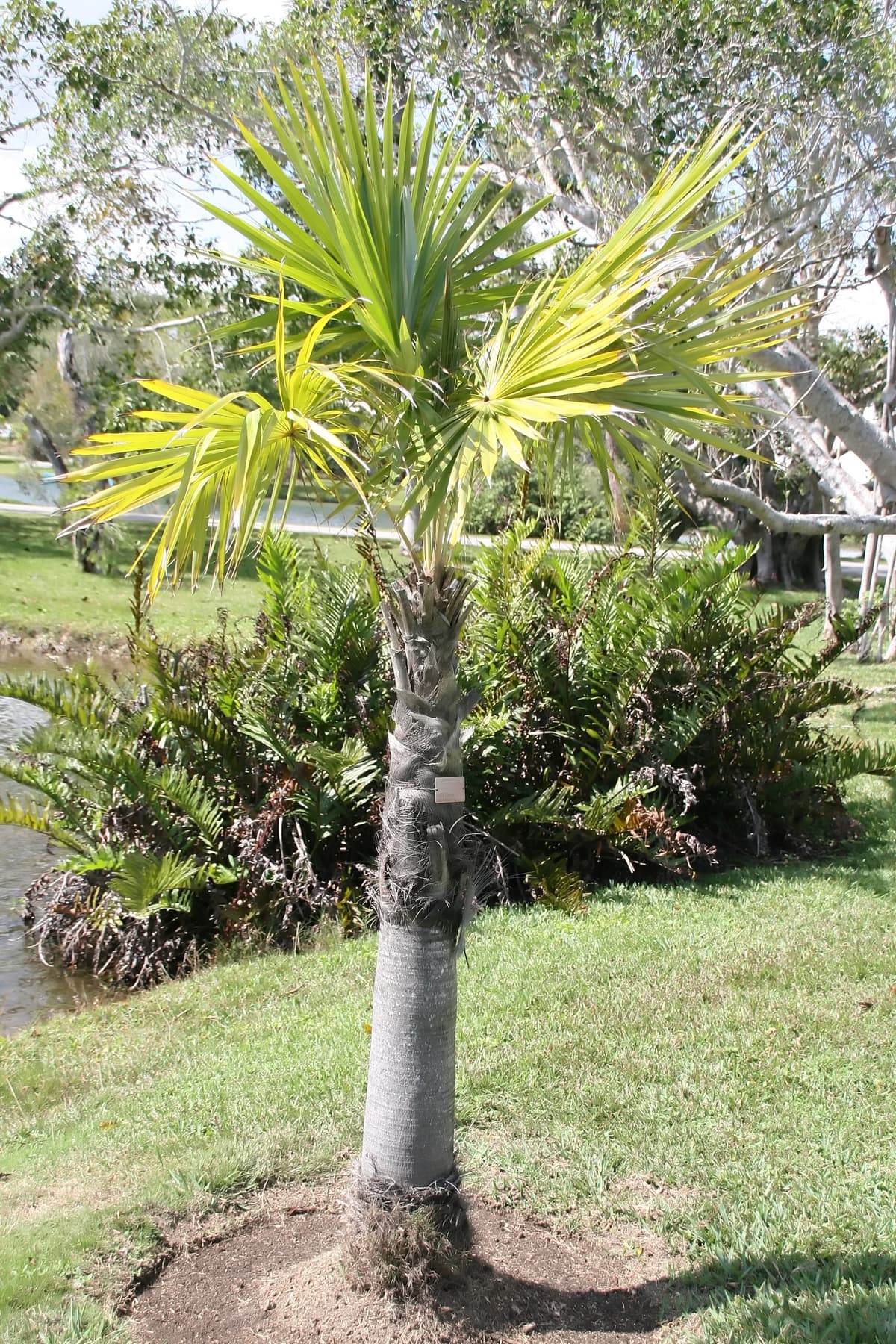
Botanical specimen of Coccothrinax Spissa.
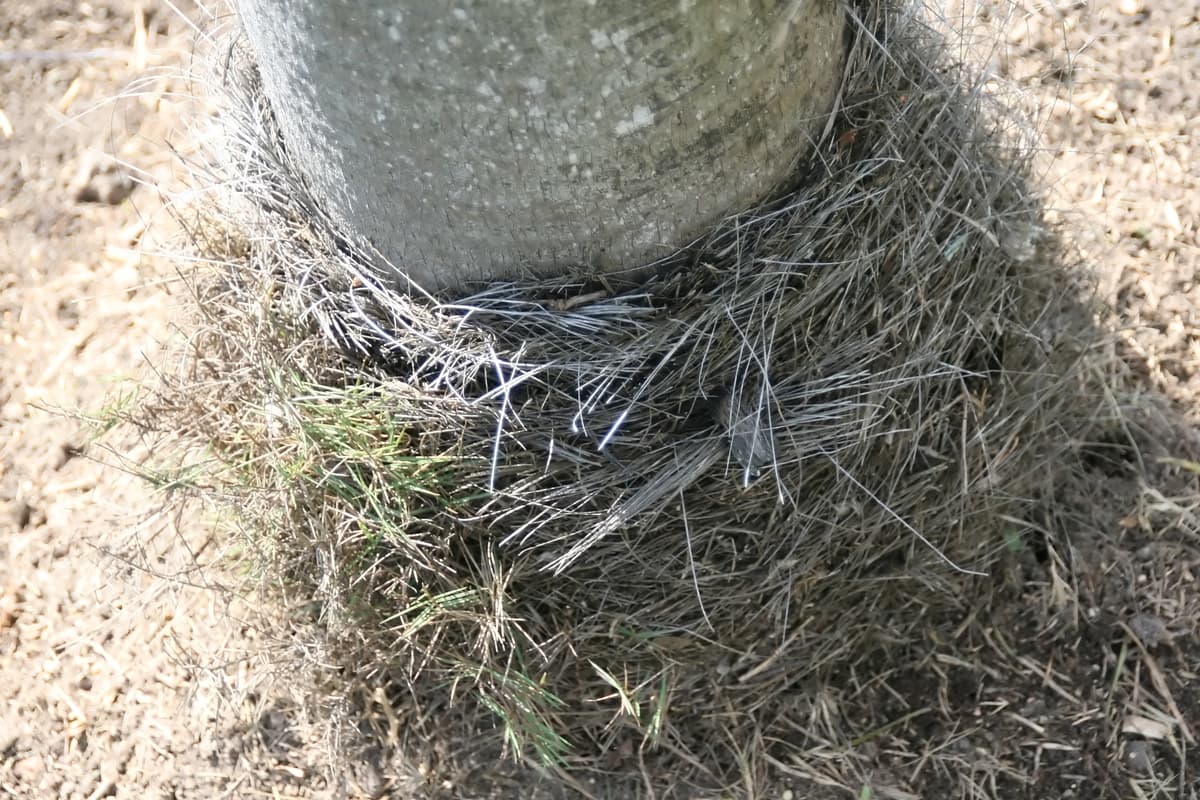
Botanical specimen of Coccothrinax Spissa.
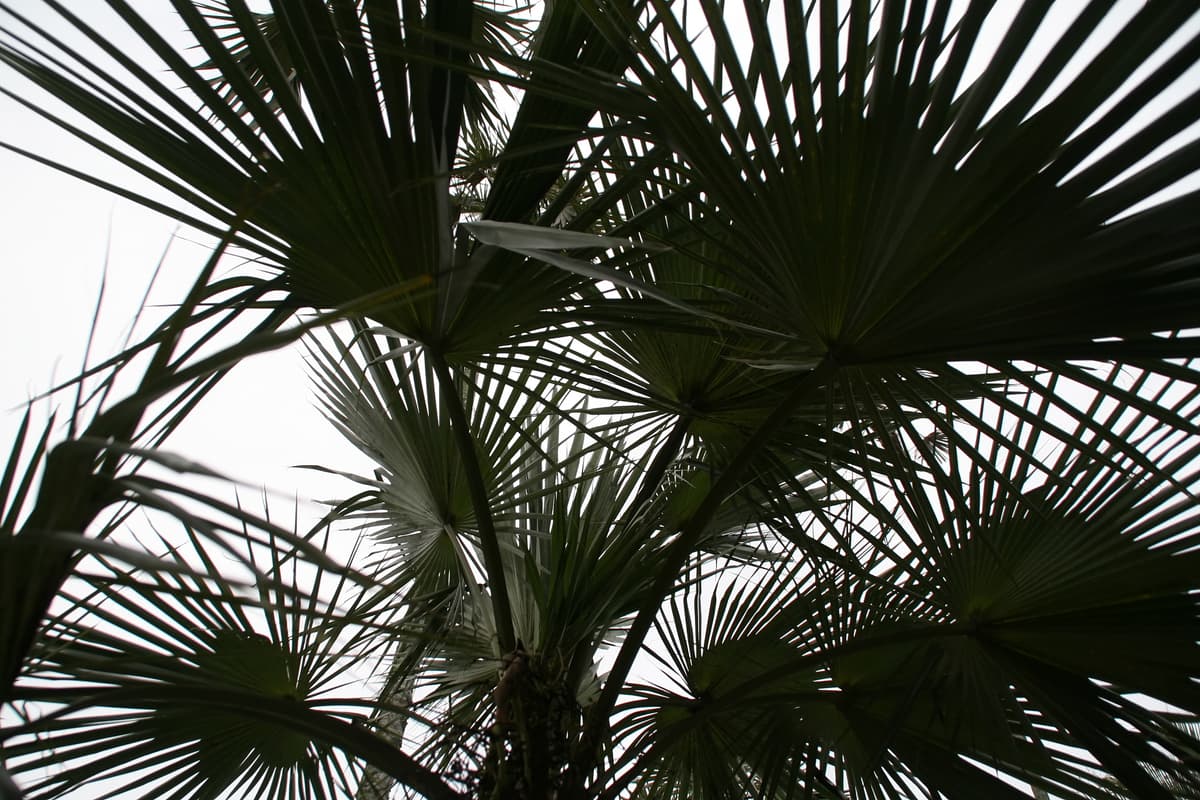
Botanical specimen of Coccothrinax Spissa.
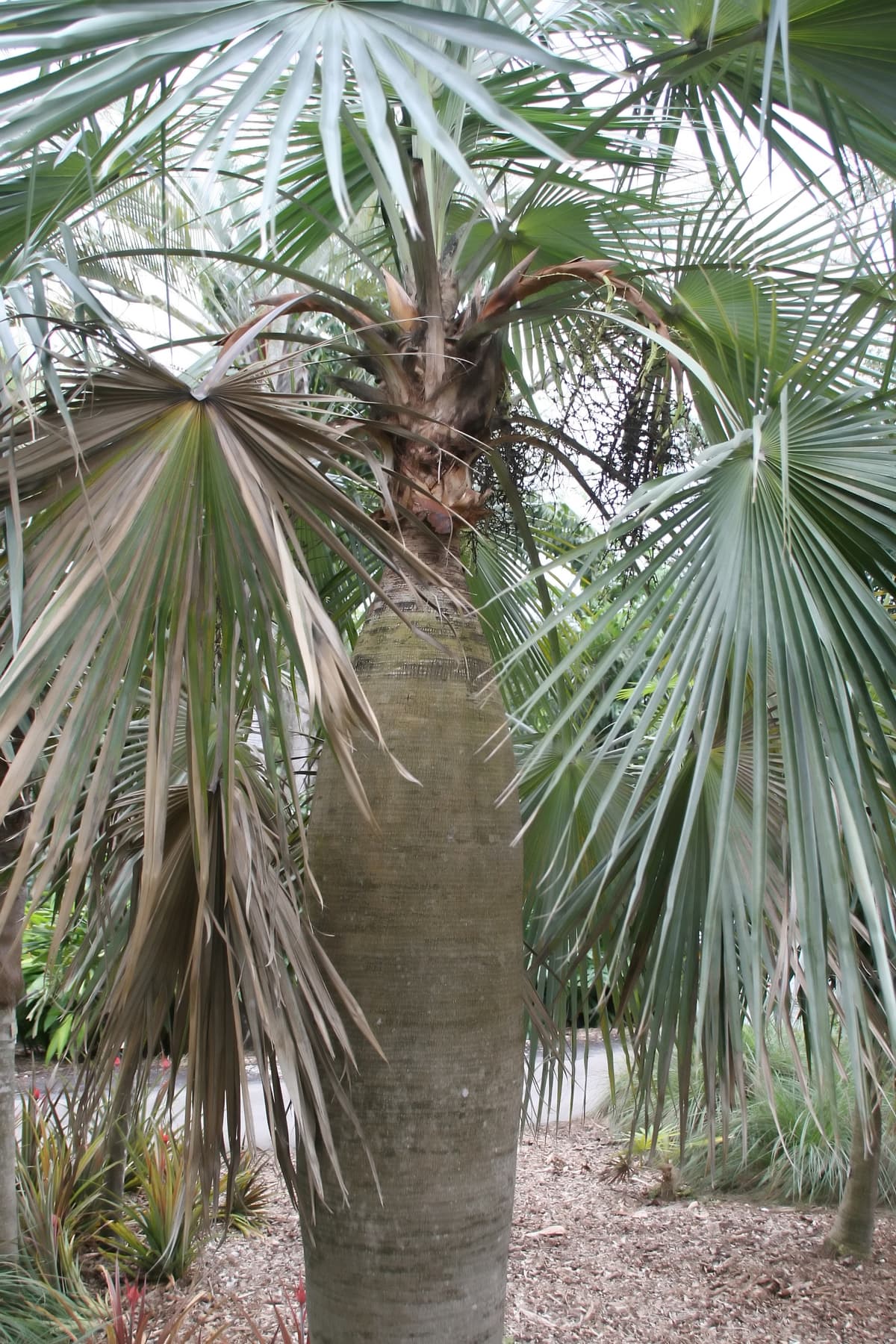
Botanical specimen of Coccothrinax Spissa.
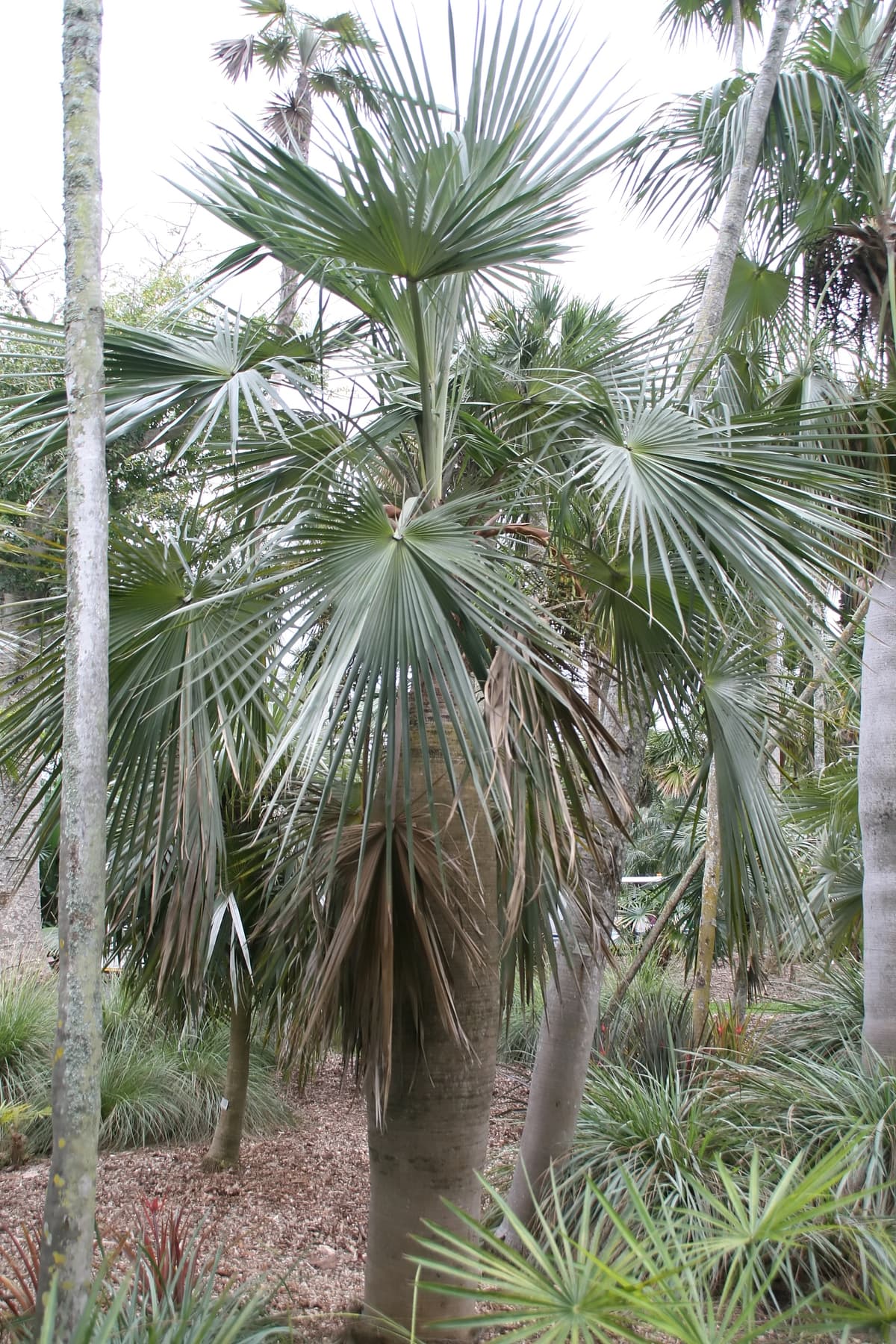
Botanical specimen of Coccothrinax Spissa.
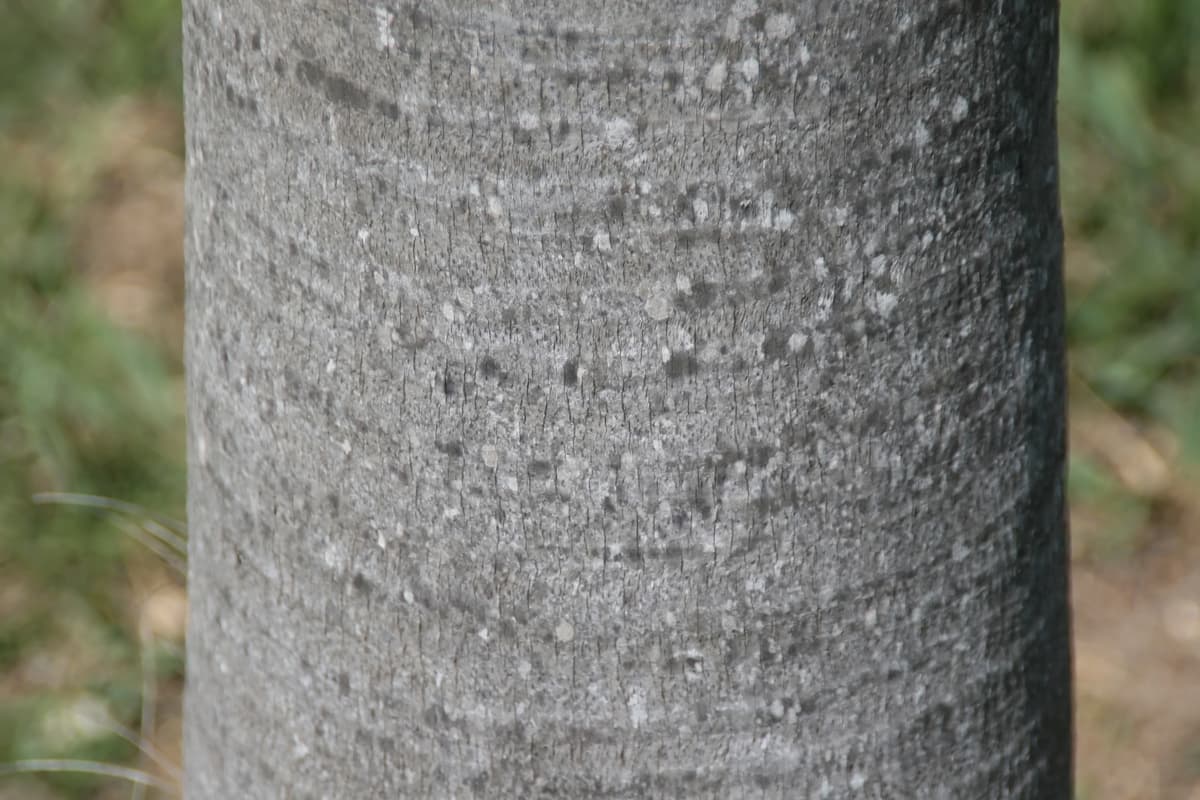
Botanical specimen of Coccothrinax Spissa.
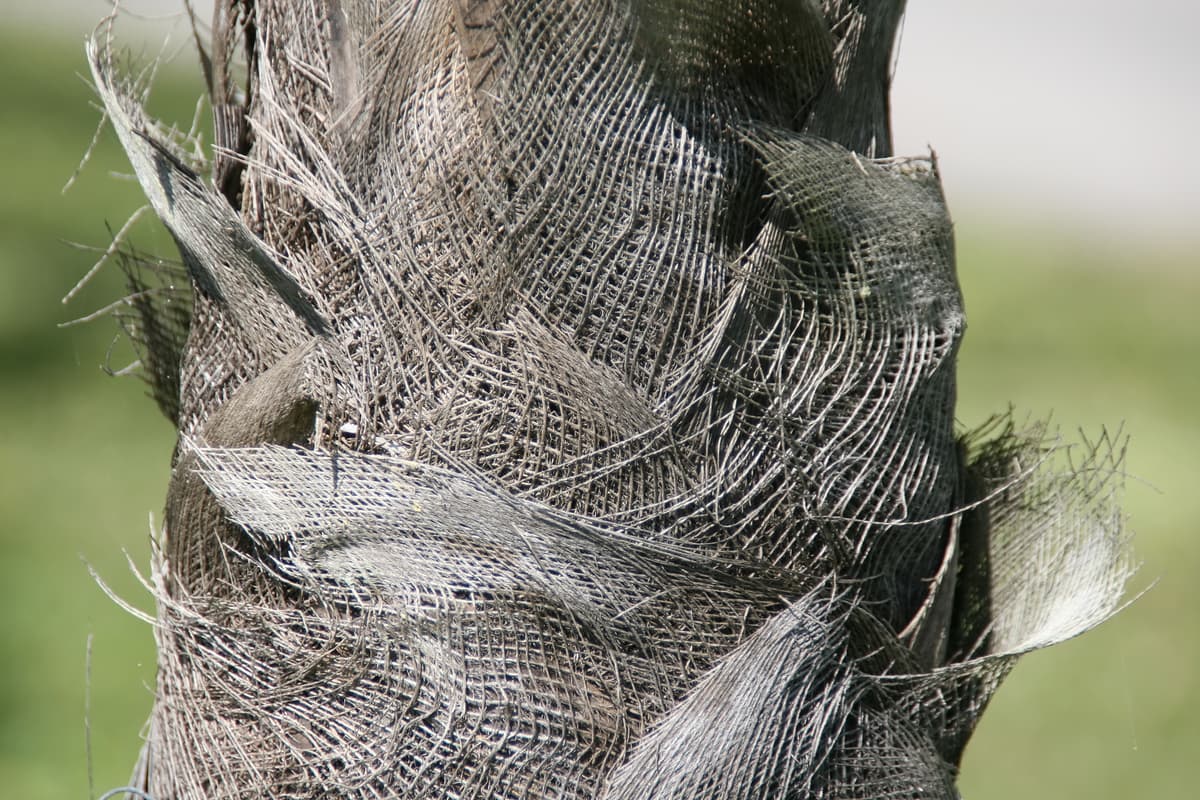
Botanical specimen of Coccothrinax Spissa.
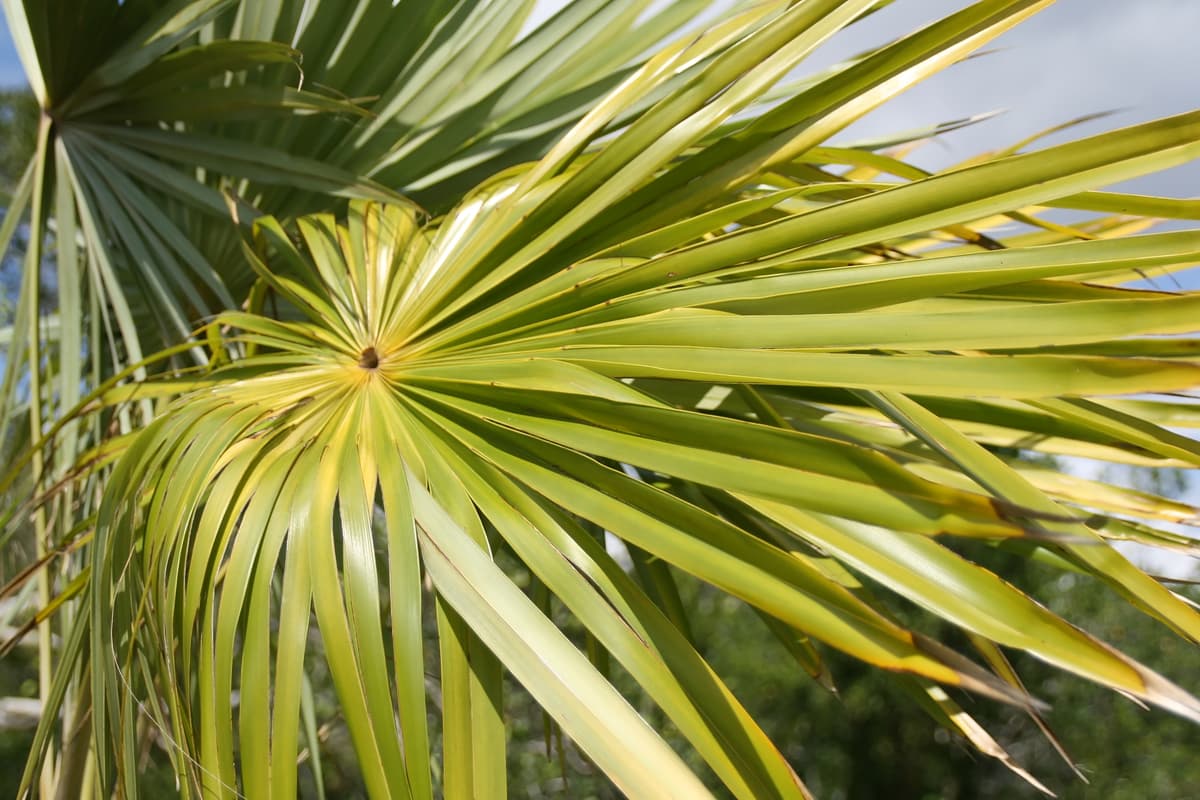
Botanical specimen of Coccothrinax Spissa.
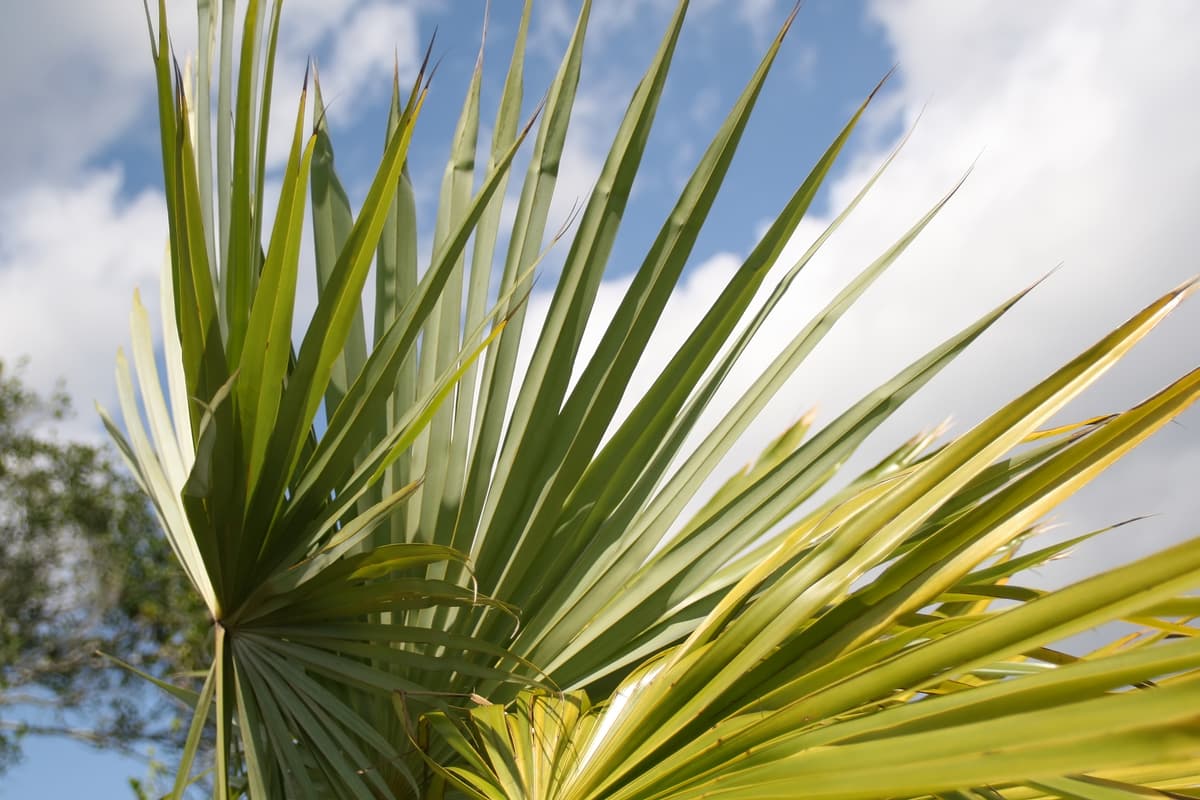
Botanical specimen of Coccothrinax Spissa.