Bottle palm
Hyophorbe Lagenicaulis • Round Island bottle palm • Palmiste gargoulette • Champagne palm
Bottle palm in Motion
The Essence
"Hyophorbe lagenicaulis is a solitary, pinnate-leaved palm endemic to Mauritius and, in the wild, confined to Round Island — one of a group of six islets off the north coast of the main island, about 22.5 km north-east of Cap Malheureux, in the Mascarene archipelago of the western Indian Ocean. Its grey trunk swells into the bottle shape that gives the palm its name — up to 60 cm across, widest at the base and tapering upward into a green or maroon crownshaft that carries only four to eight finely pinnate leaves at a time. Contrary to a persistent folk belief, the swelling stores no water. The wild population is minute. IUCN listed the species as Critically Endangered under criterion D in 1998 — an assessment now annotated as needing updating — recording that fewer than ten mature trees remained in the wild, with invasive non-native species as the listed threat. Regeneration in situ was sporadic, but has been increasing since rabbits and goats were eradicated from the island, which is a managed reserve. Horticulture effectively saved the species. Reduced to a handful of wild individuals, the bottle palm is enormously popular as an ornamental across the tropics and subtropics, including extensive planting in Mauritius itself, where mass plantings are common on median strips and roundabouts; the old specimens in the Pamplemousses avenues are grotesquely distorted after exposure to perhaps over a century of cyclones, neglect and erosion. It is frequently confused with the spindle palm, H. verschaffeltii, whose trunk swells in the middle rather than near the base. All five Hyophorbe species — all Mascarene endemics — are now nearly extinct in the wild; one, H. amaricaulis, survives as a single tree in the botanic garden at Curepipe."
Hyophorbe combines the Greek hys/hyos, "pig", with phorbe, "food", referring to the past use of the fruits as pig food. The epithet lagenicaulis combines lagen, "a flask", with caulis, "a stem", in reference to the bottle-shaped trunk. L.H. Bailey first described the palm as Mascarena lagenicaulis in Gentes Herbarum 6: 74 (1942); H.E. Moore transferred it to Hyophorbe in Principes 20: 119 (1976). Mascarena revaughanii L.H.Bailey (1942) is a heterotypic synonym.
Goats and rabbits released on Round Island in the early 19th century caused the loss of the island's hardwood species and severe declines in its palm populations, along with soil erosion. The goats were removed by 1979 and the rabbits in 1986. By 1988 the bottle palm was reduced to only eight adult trees and six juveniles that had escaped the rabbits; many of those adults have since died, leaving only two of the founder individuals. Following rabbit eradication, high levels of recruitment increased bottle palm densities on the island, with some new recruits starting to fruit in the late 1990s, and the Mauritian Wildlife Foundation reports the wild palms now regenerating well. Dransfield published an account of the palm's history, taxonomy, distribution, habitat and cultivation requirements, with a full description of the species, in Curtis's Botanical Magazine in 1996.
Natural Habitat
Lowland palm savannah: the IUCN assessment describes a bottle-shaped bole "confined to lowland palm savannah", and LLIFLE records it growing in lowland savannah on fertile volcanic soils among exposed rock. Palmweb's Genera Palmarum account notes that Hyophorbe species were formerly palms of forest up to about 700 m, or perhaps of coastal savannah in the case of H. lagenicaulis, which is now restricted to a few individuals on the exposed rock of Round Island. UF/IFAS and Palmpedia add well-drained sandy soils of upland forest and coastal savanna, while POWO places the species in the wet tropical biome. The Mauritian Wildlife Foundation notes that Round Island supports the last remnant of a lowland palm-rich community that formerly covered the dry lowland areas of Mauritius.
Curated Specimens
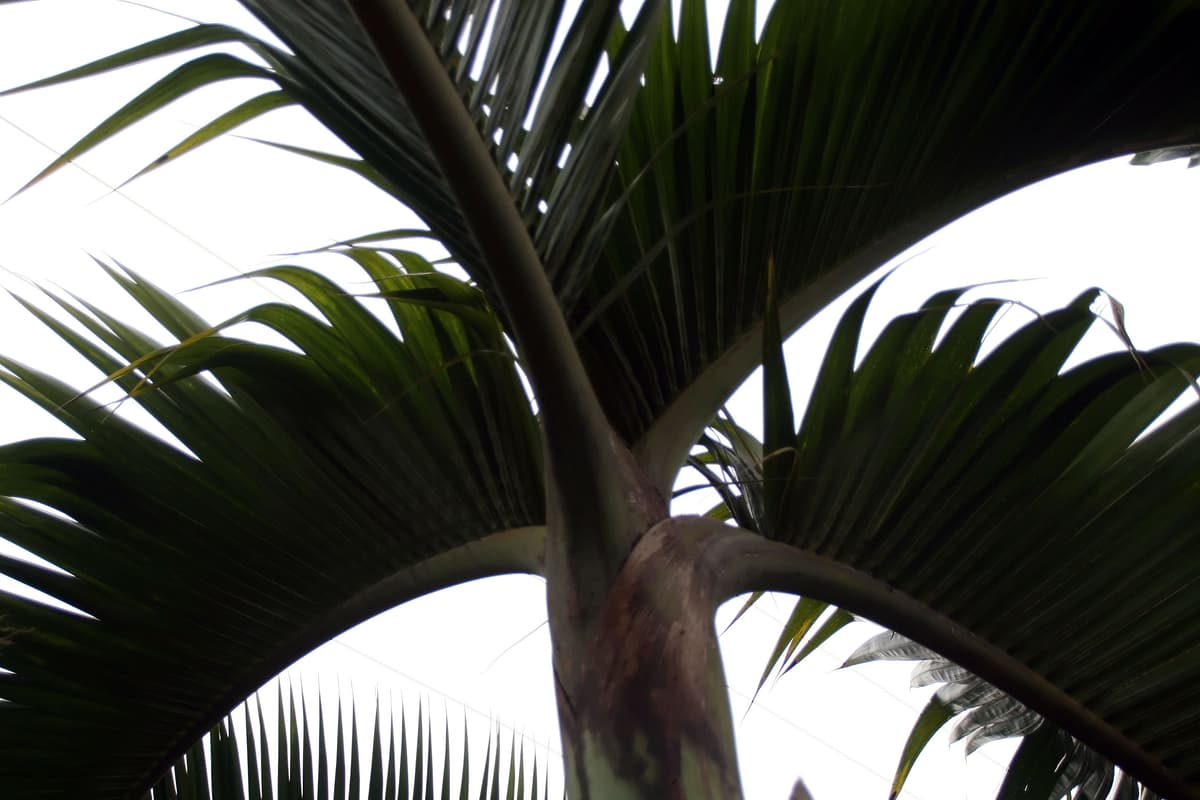
Botanical specimen of Hyophorbe Lagenicaulis.
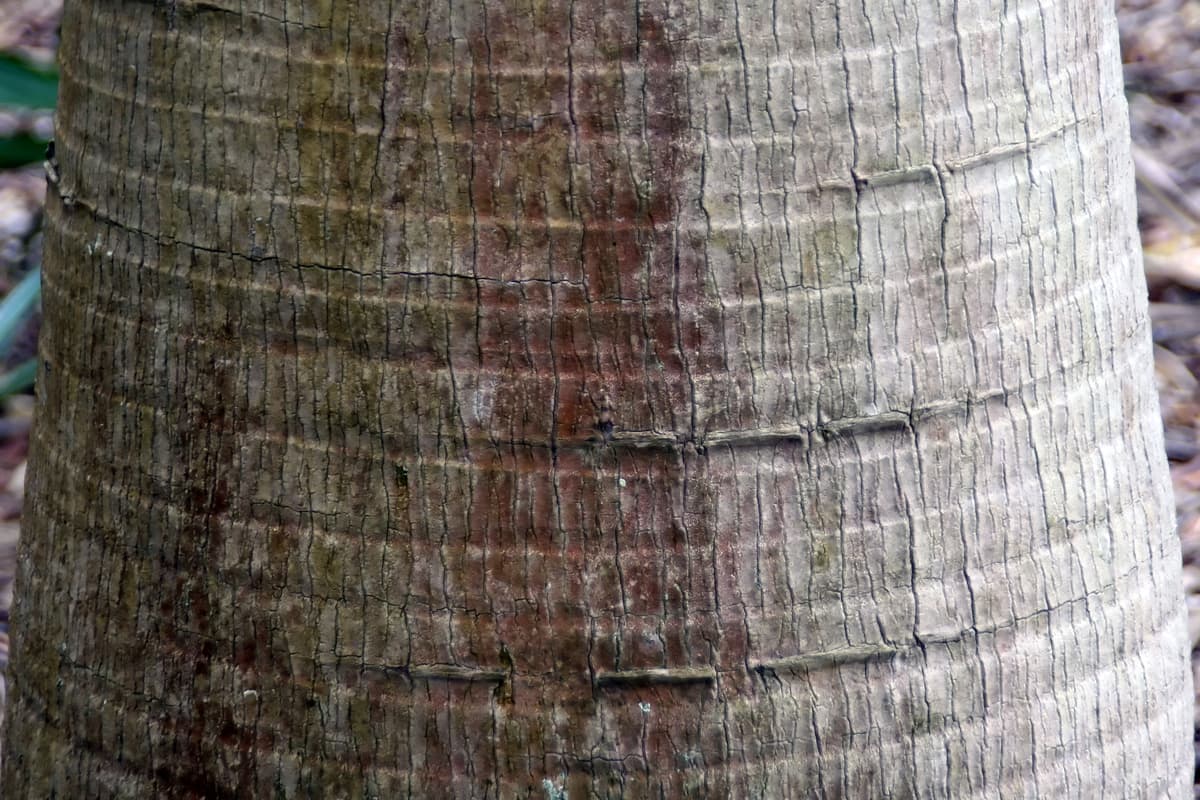
Botanical specimen of Hyophorbe Lagenicaulis.
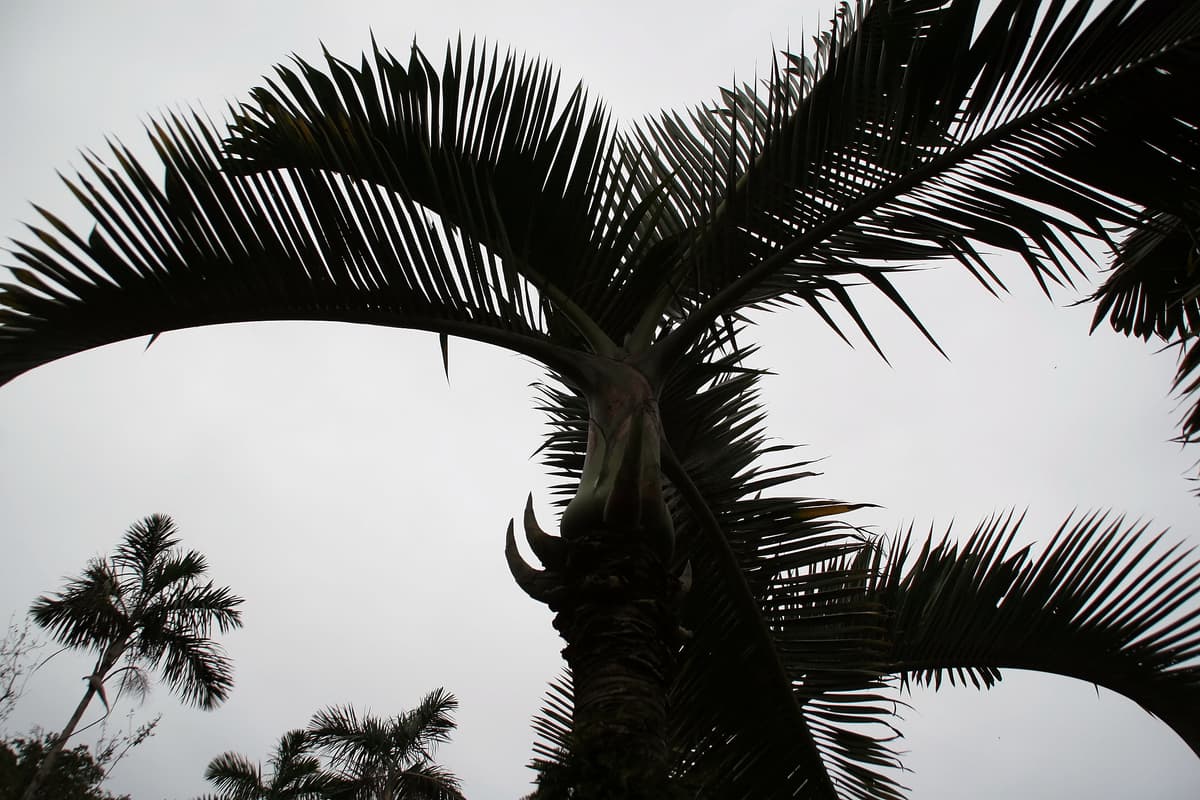
Botanical specimen of Hyophorbe Lagenicaulis.
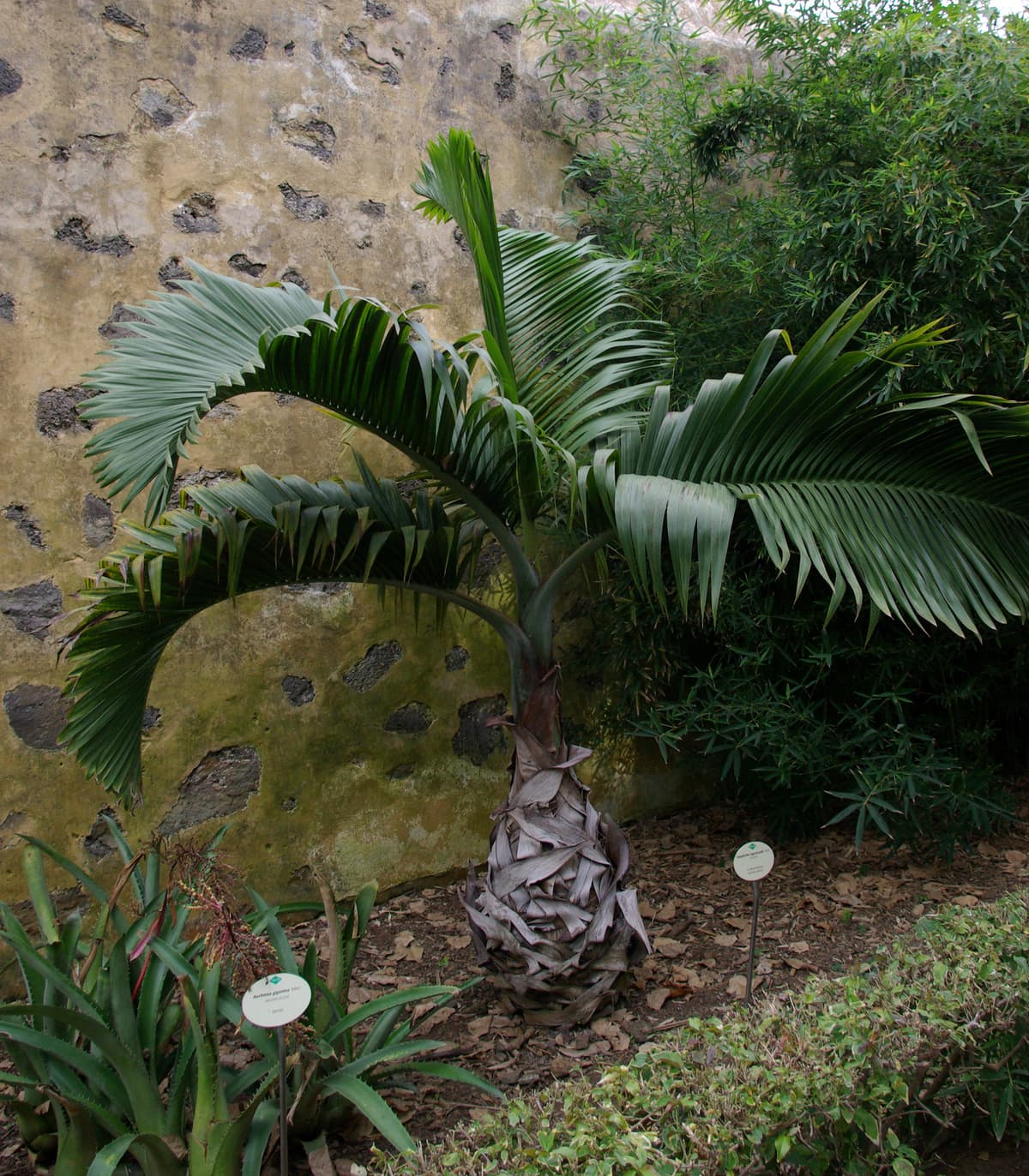
Botanical specimen of Hyophorbe Lagenicaulis.
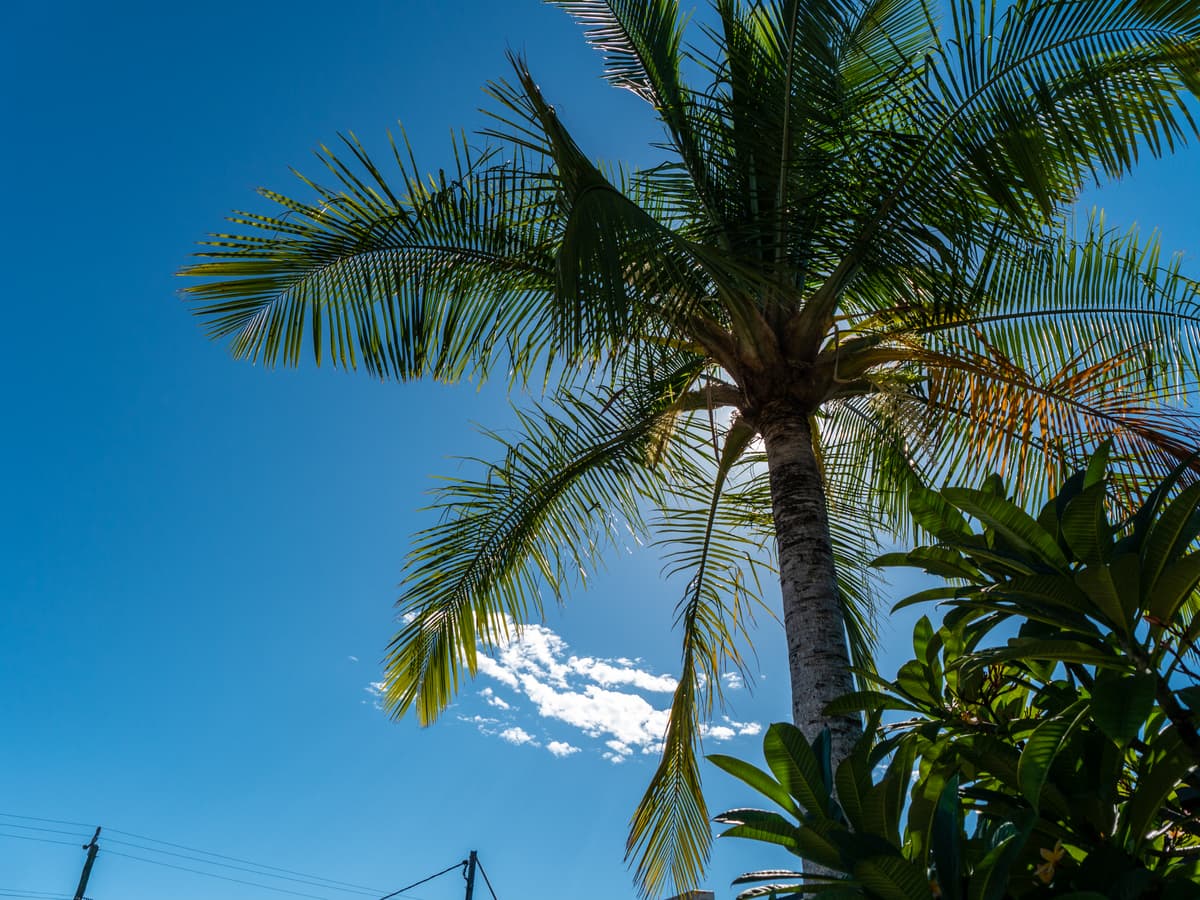
Botanical specimen of Hyophorbe Lagenicaulis.