Dwarf jata palm
Copernicia Cowellii • Little cabbage palm • Jata enana • El repollito • Guano cano • Yarey enana
The Essence
"Copernicia cowellii is the smallest palm in its genus — the genus that also contains the carnauba palm — and one of the slowest-growing palms known. It is endemic to Cuba, restricted to Camagüey Province, where it grows on serpentine soils in inner savannas. Plants are usually no taller than 2–2.5 m, with a solitary pale grey stem that may reach 3 m and 17 cm across but is normally hidden beneath a skirt of persistent dead leaves. The petioles are so short, 10–20 cm, that the stiff, nearly round fan leaves sit almost directly on the stem, forming one compact mass of spiky segments; the blades are yellowish-green above and waxy silvery-white beneath. Growth is measured in decades rather than seasons: about two leaves a year, and measured growth in cultivation amounts to about 40 cm in 20 years. The species is assessed as Endangered on the IUCN Red List, known from five locations, with a decreasing population. Local people use the stems as fence posts and the leaves for roof thatch, hats and baskets. In cultivation it remains poorly known — in circulation only since the late 1990s — and cultivated plants often show nutritional deficiencies that reflect its specialised serpentine requirements."
The genus name Copernicia is dedicated to the astronomer Nicolaus Copernicus (1473–1543); the epithet cowellii honours the botanist John Francis Cowell (1852–1915).
Described by Britton & P. Wilson in the Bulletin of the Torrey Botanical Club 41: 17 (1914). The palm has been in circulation only since the late 1990s; the National Tropical Botanical Garden holds a herbarium specimen collected by Tim Flynn in 1994.
Natural Habitat
Inner savannas on serpentine soils near Camagüey, Cuba. POWO classes its climate as seasonally dry tropical and its lifeform as a shrub.
Curated Specimens
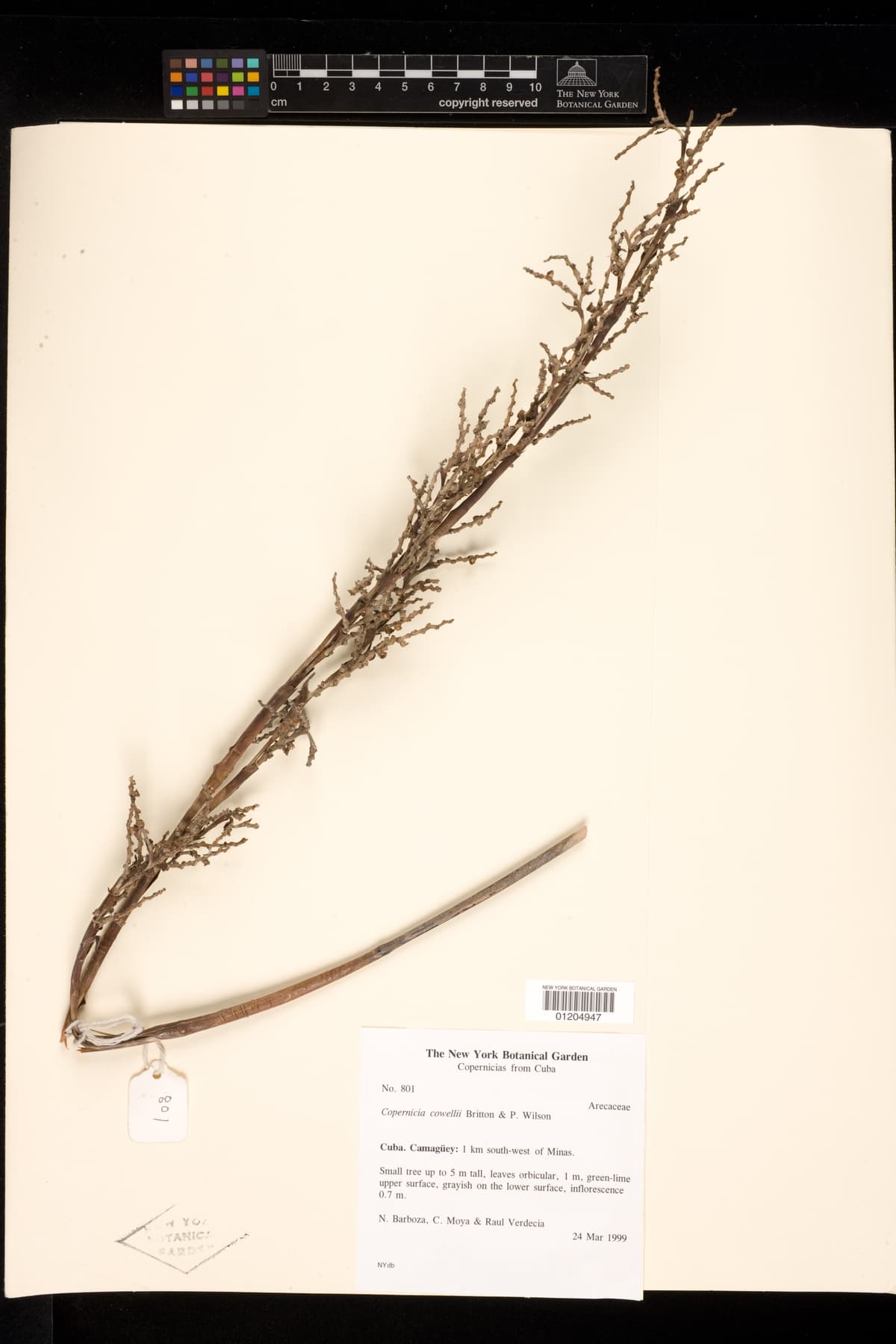
Botanical specimen of Copernicia Cowellii.
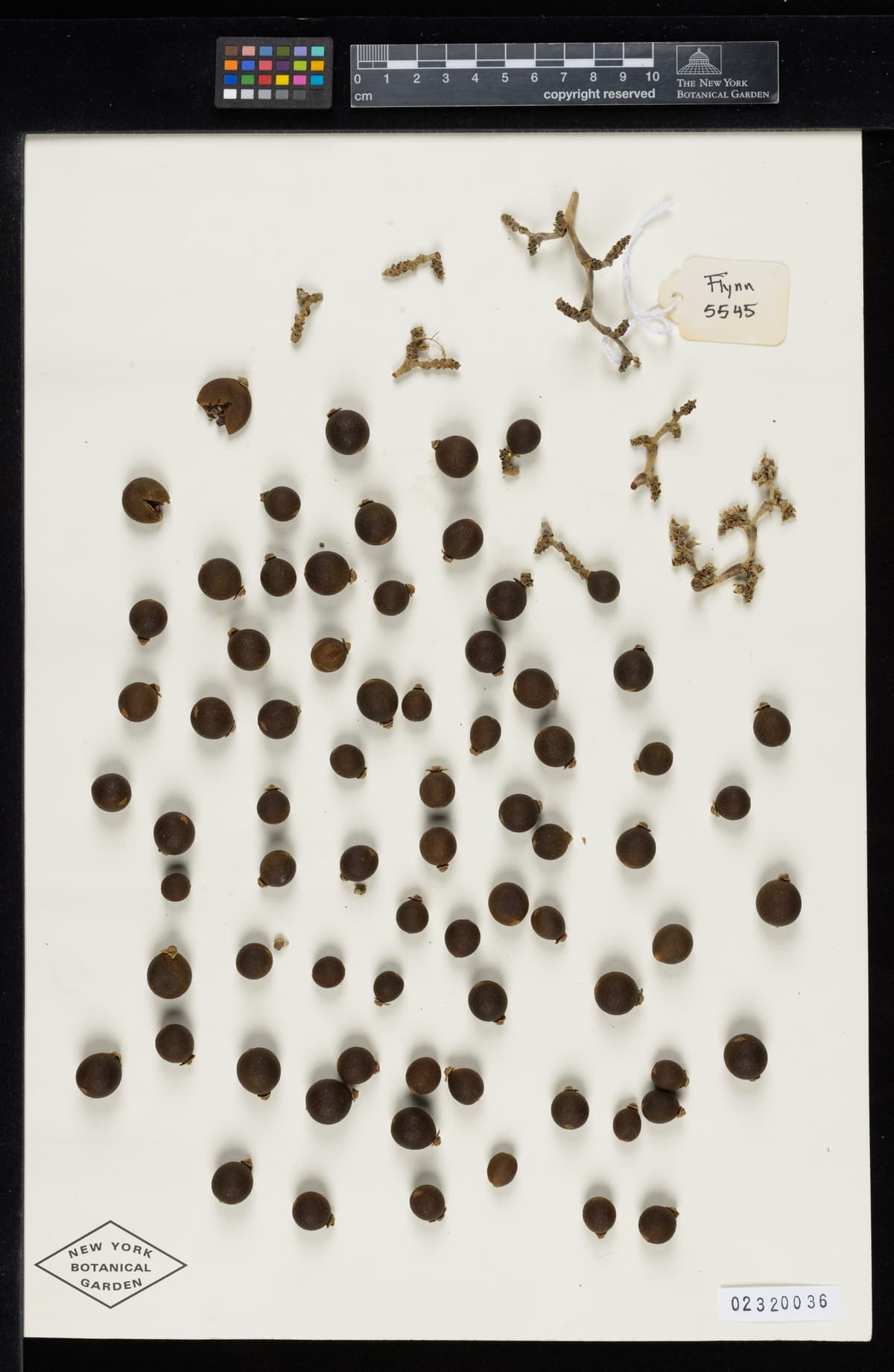
Botanical specimen of Copernicia Cowellii.
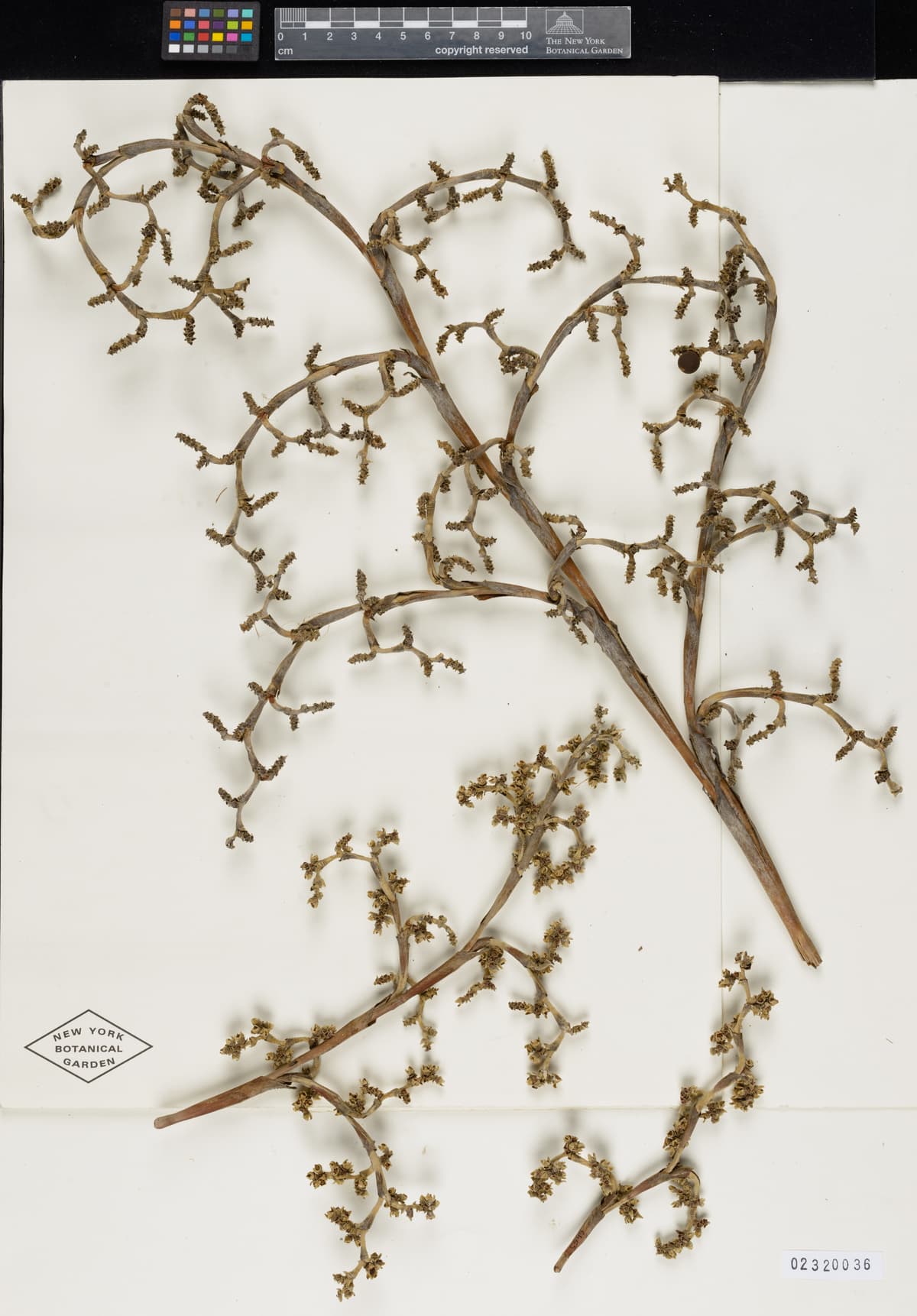
Botanical specimen of Copernicia Cowellii.
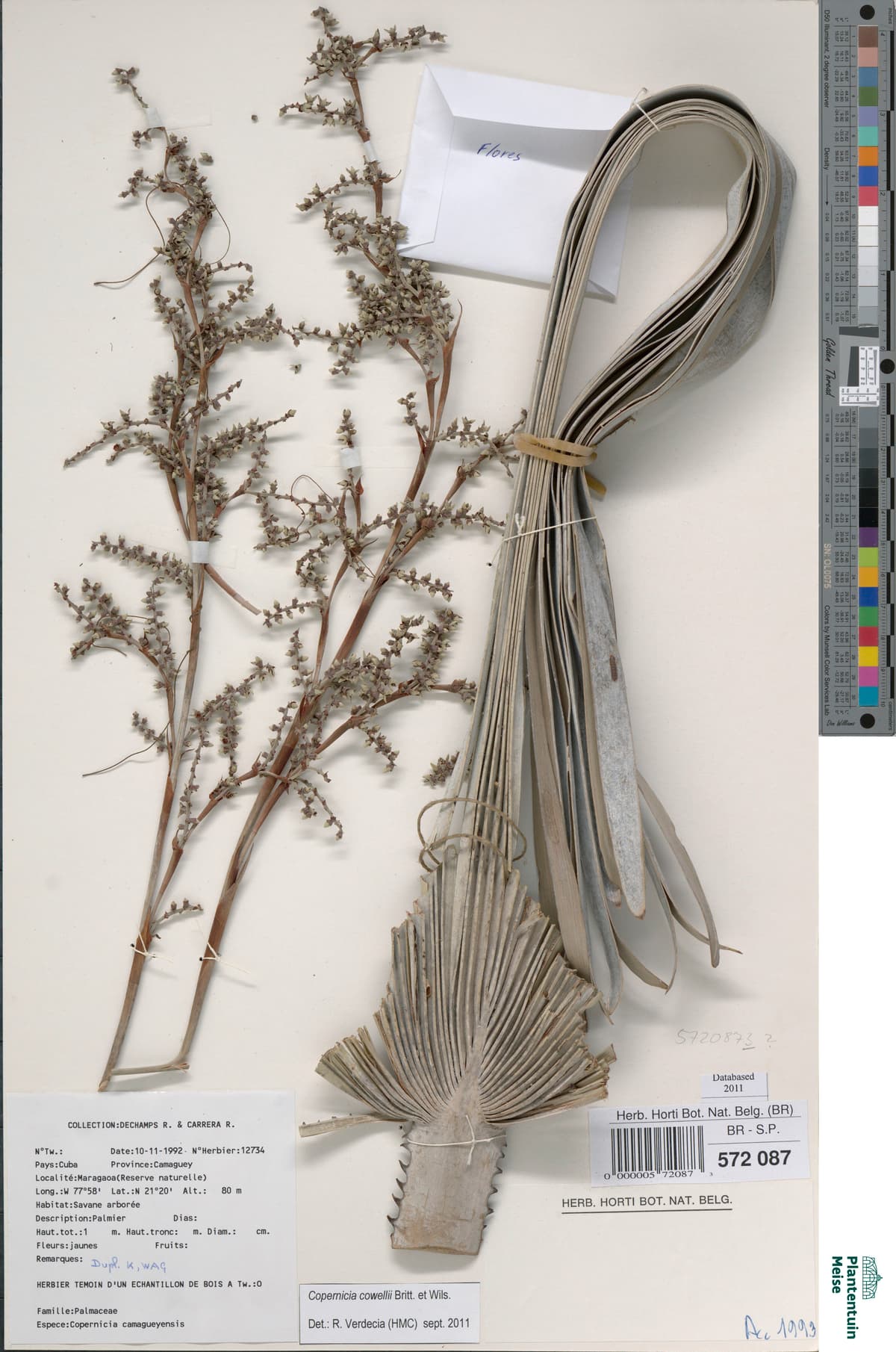
Botanical specimen of Copernicia Cowellii.

Botanical specimen of Copernicia Cowellii.
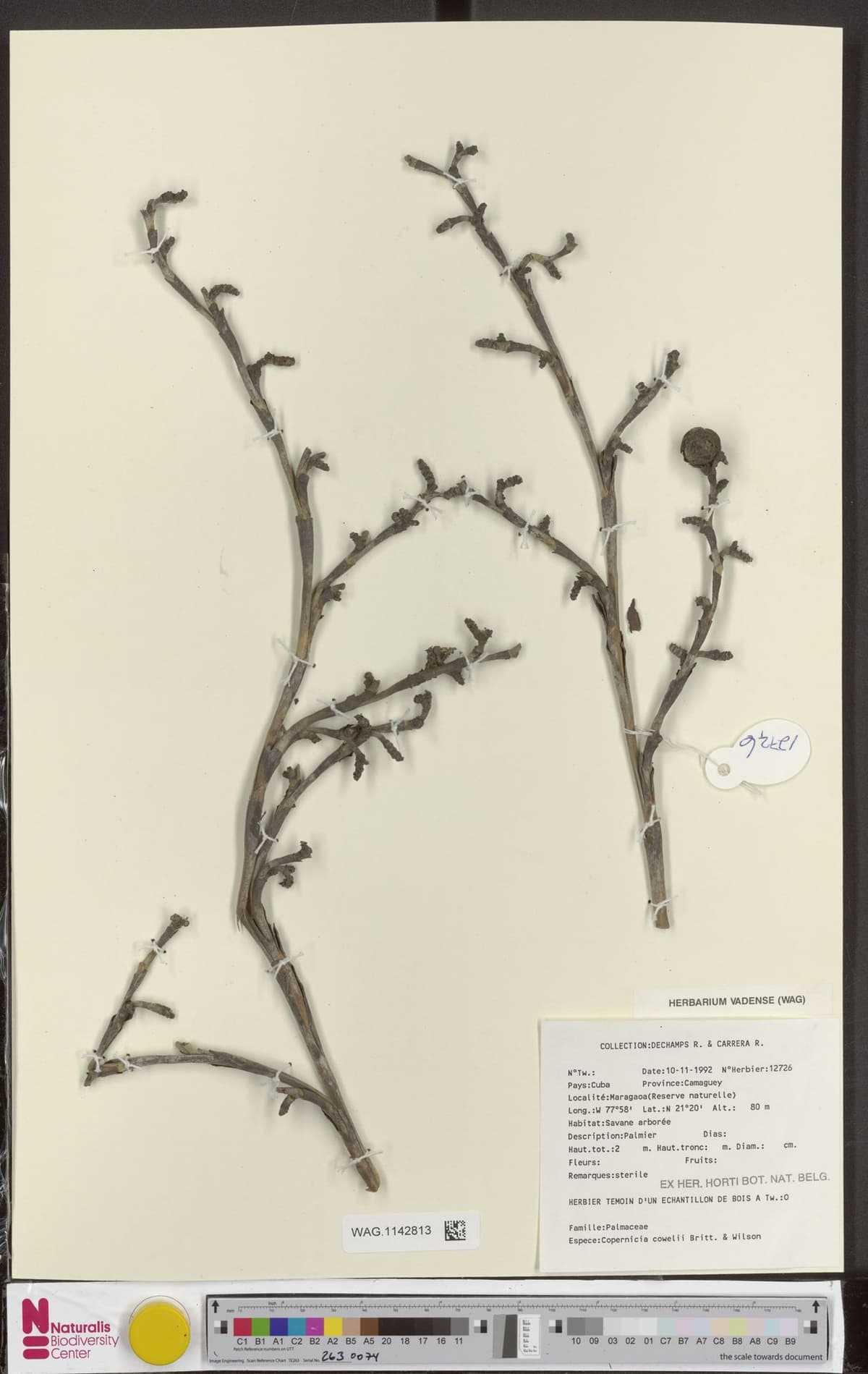
Botanical specimen of Copernicia Cowellii.
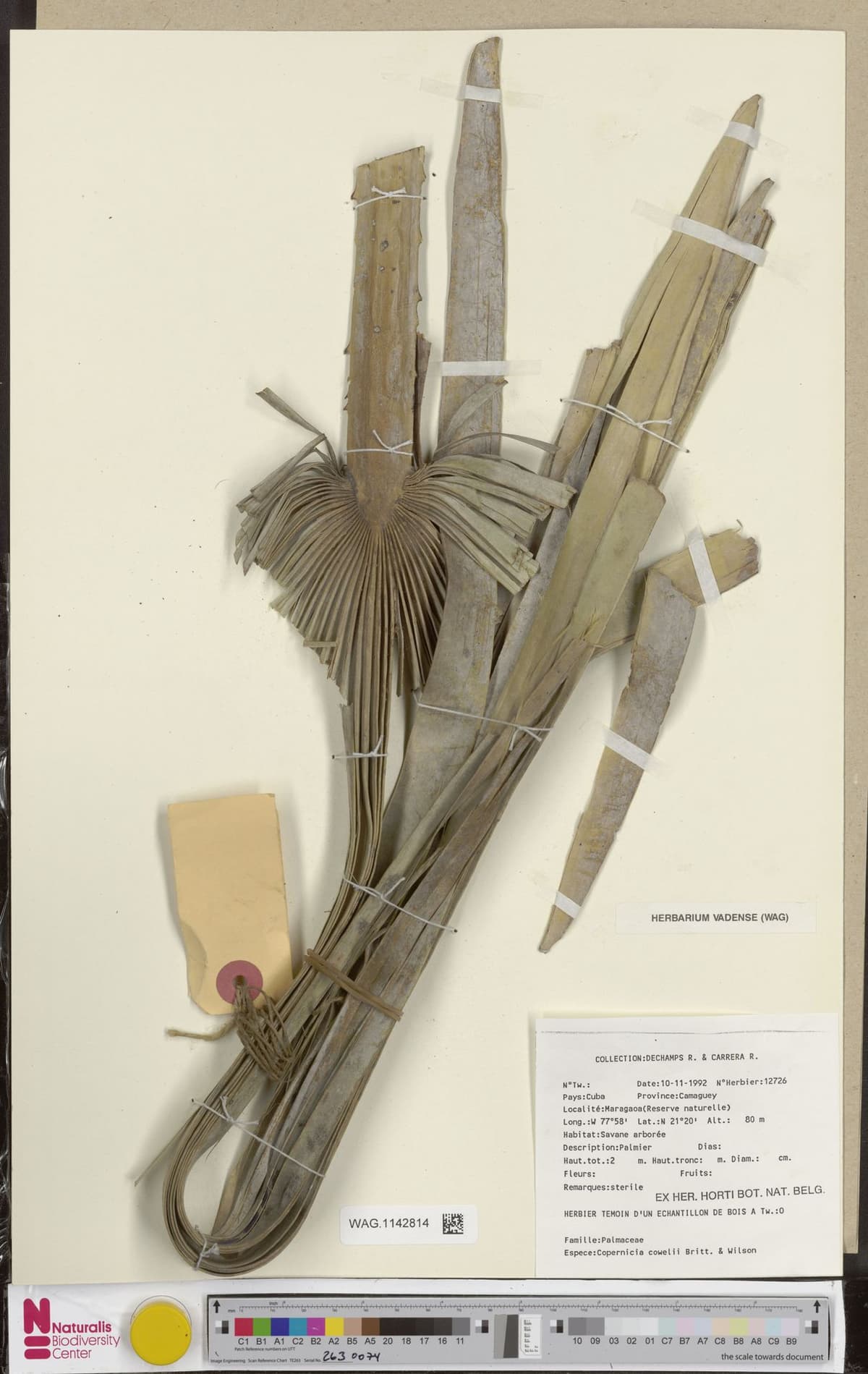
Botanical specimen of Copernicia Cowellii.
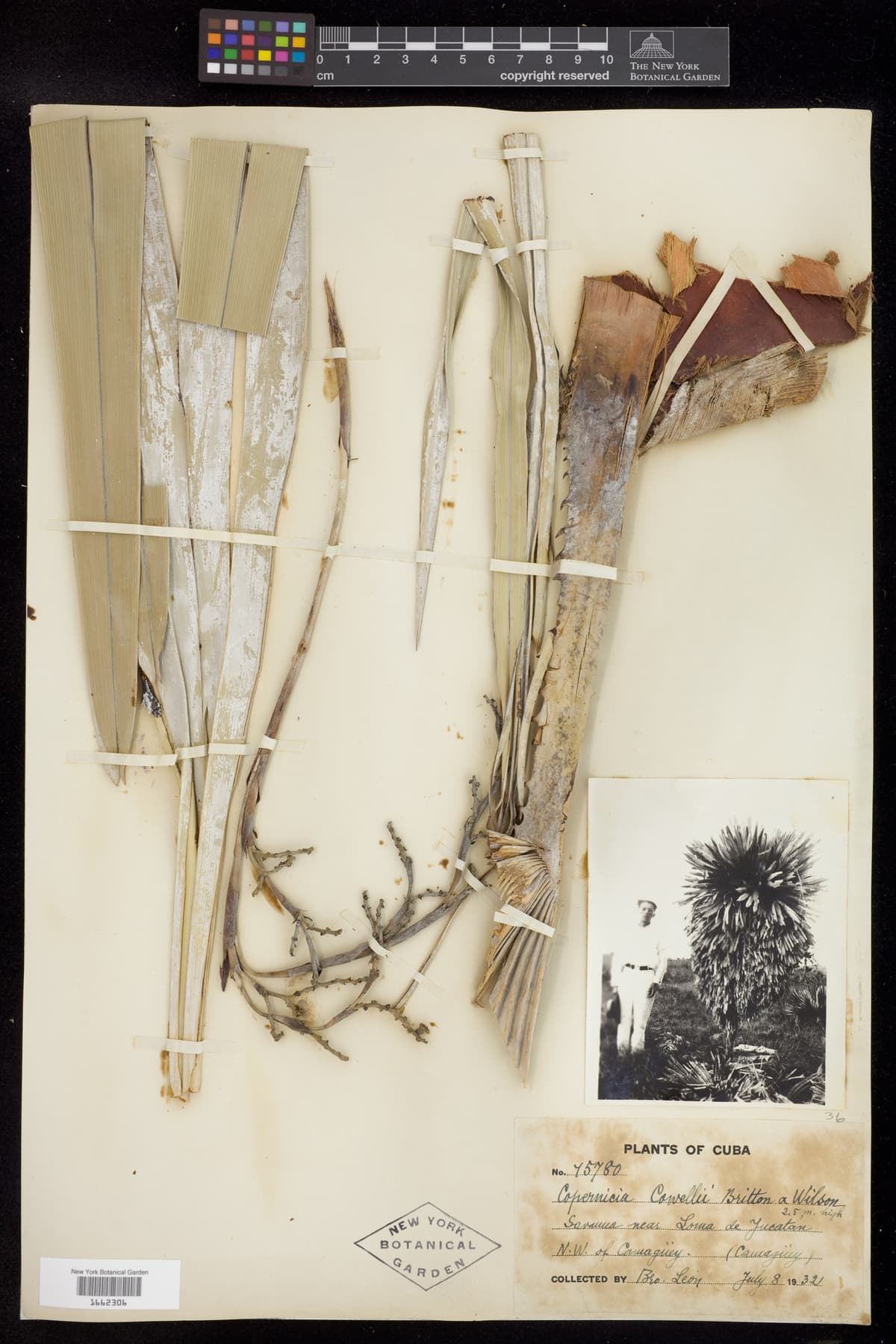
Botanical specimen of Copernicia Cowellii.
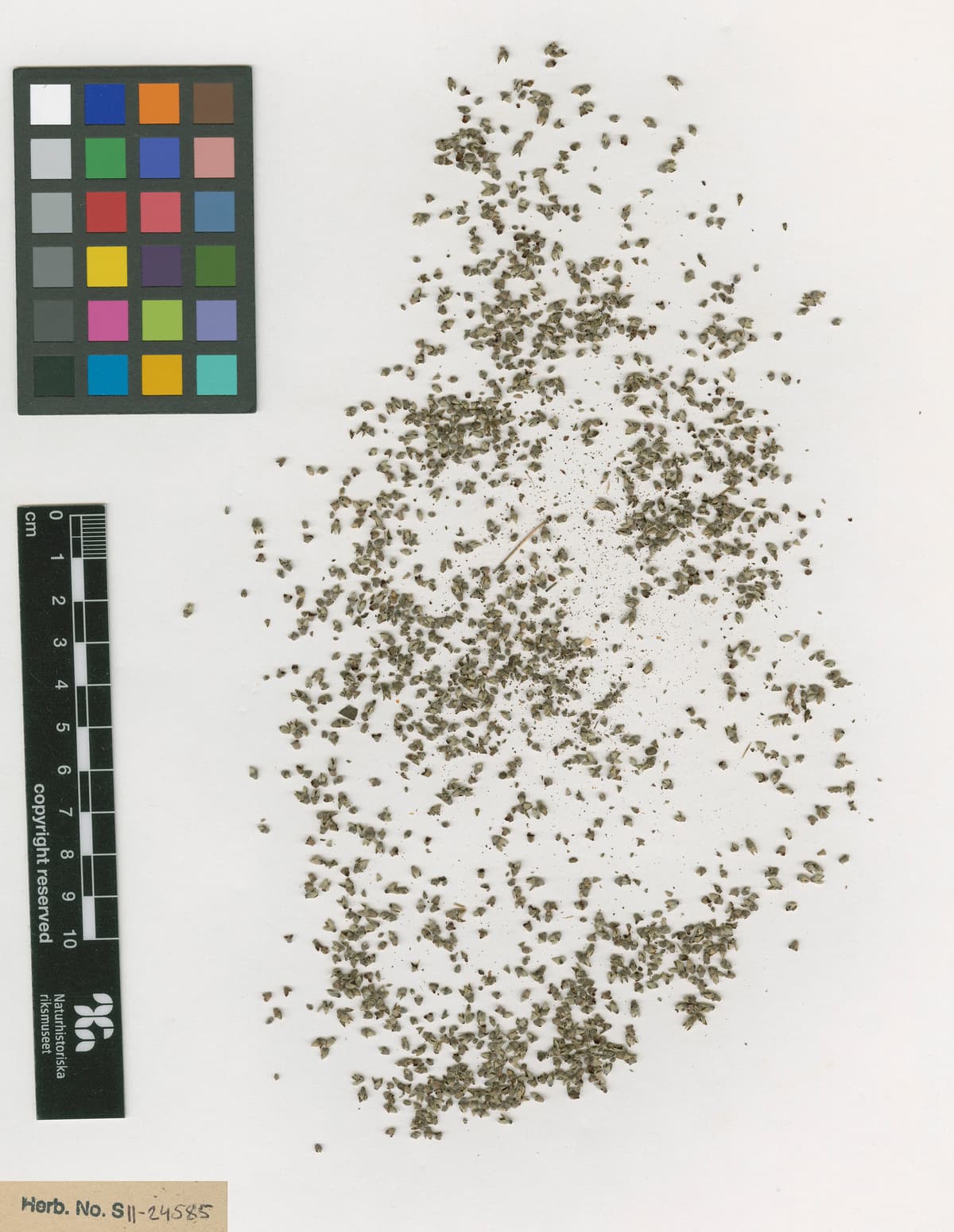
Botanical specimen of Copernicia Cowellii.
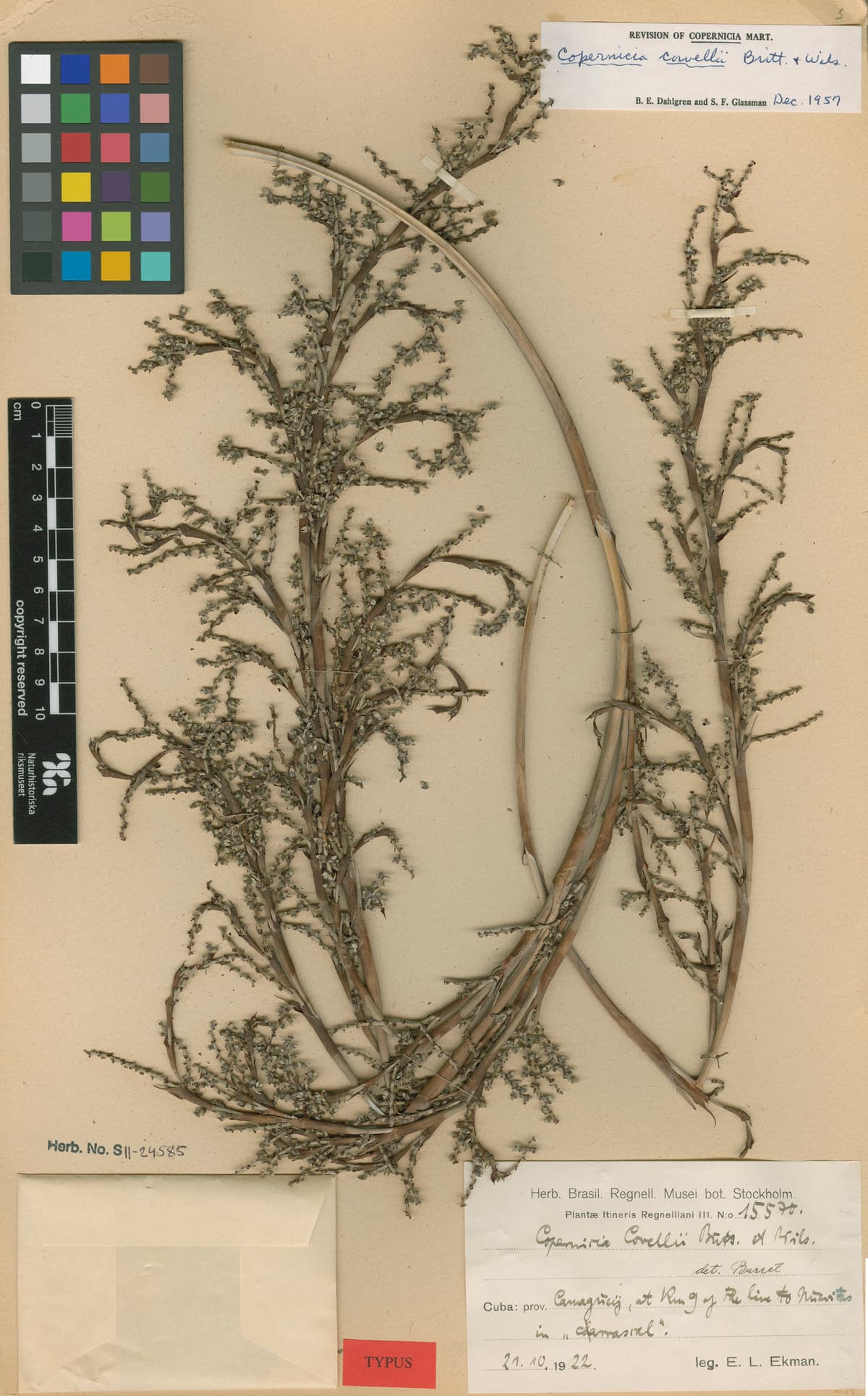
Botanical specimen of Copernicia Cowellii.
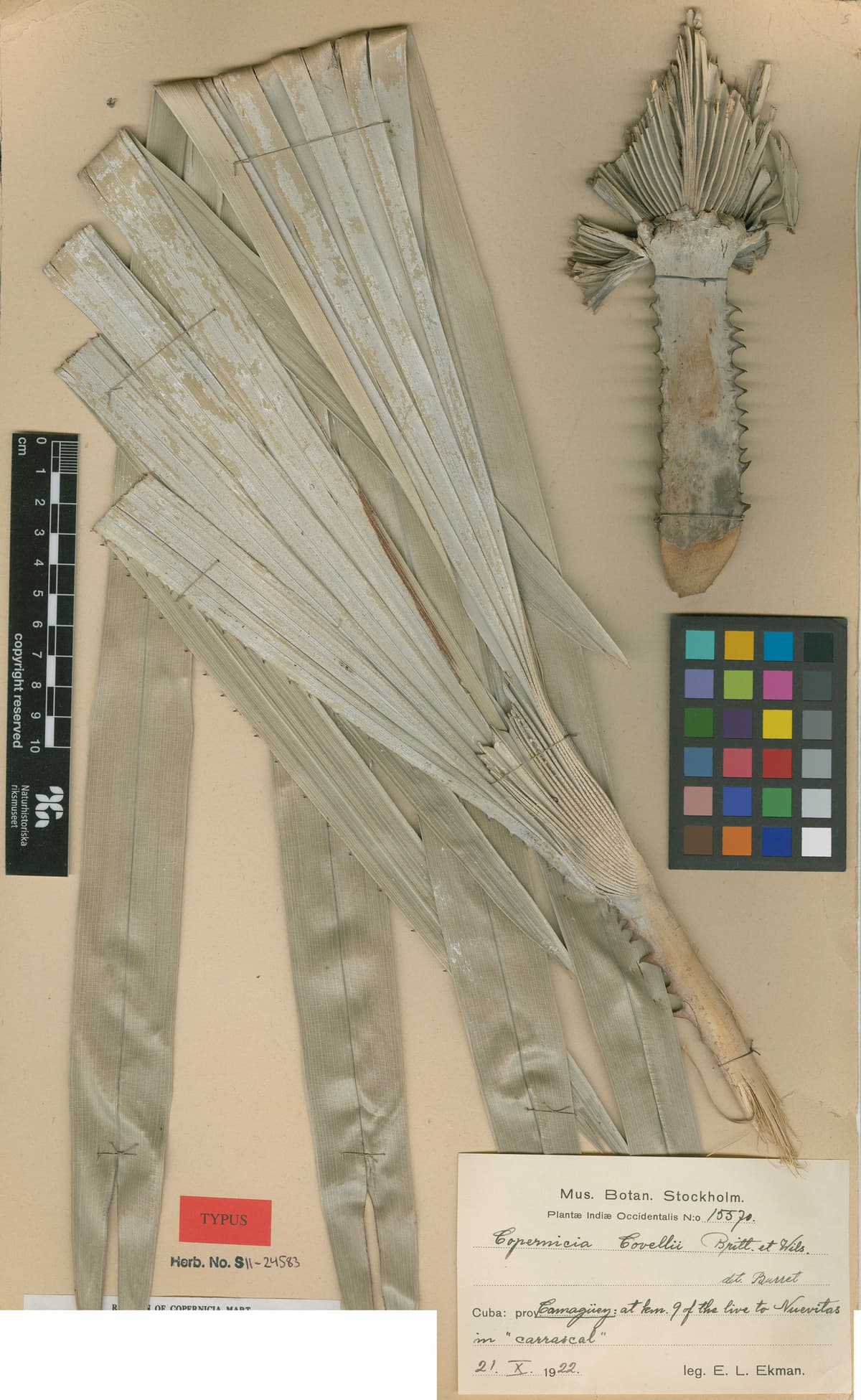
Botanical specimen of Copernicia Cowellii.
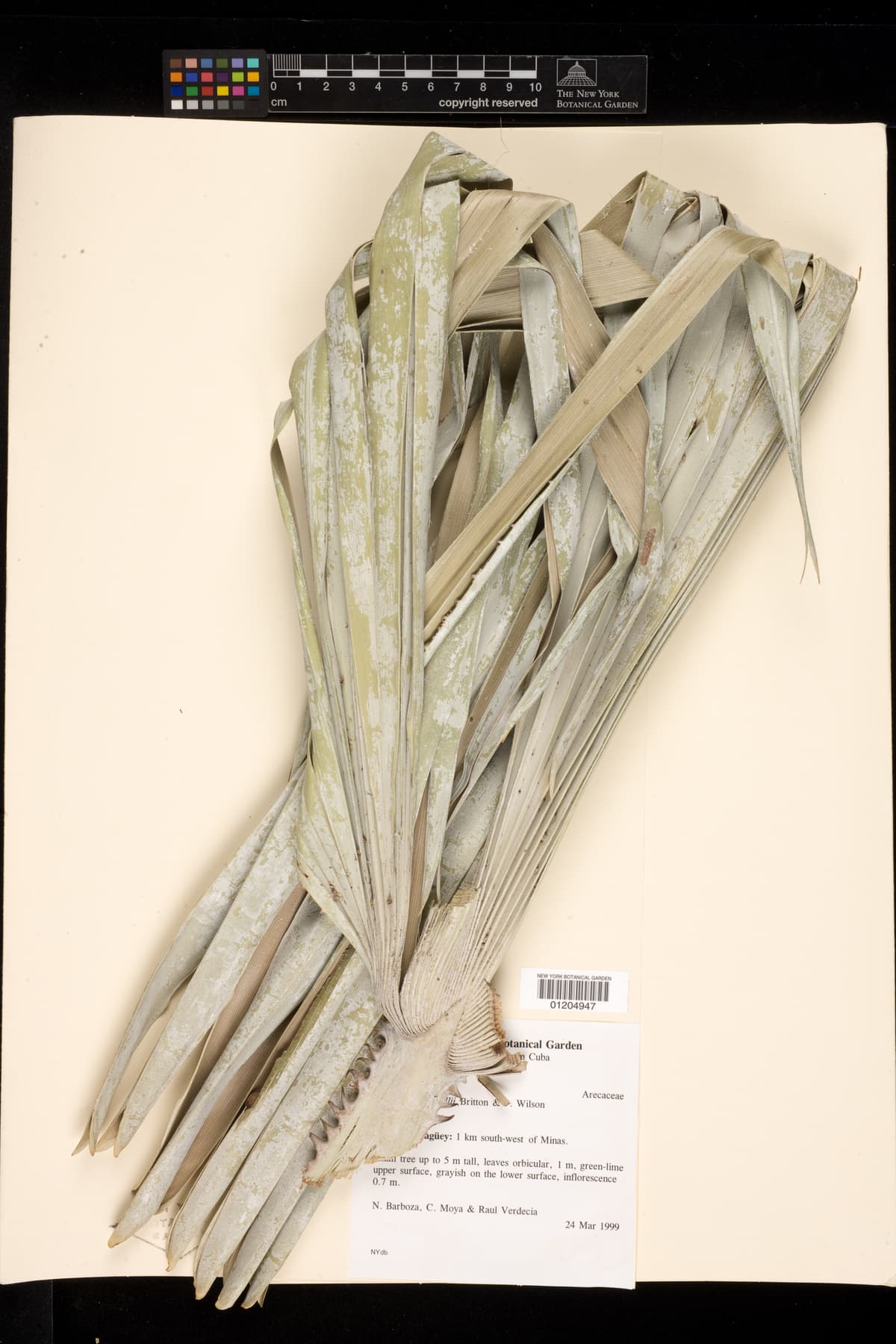
Botanical specimen of Copernicia Cowellii.
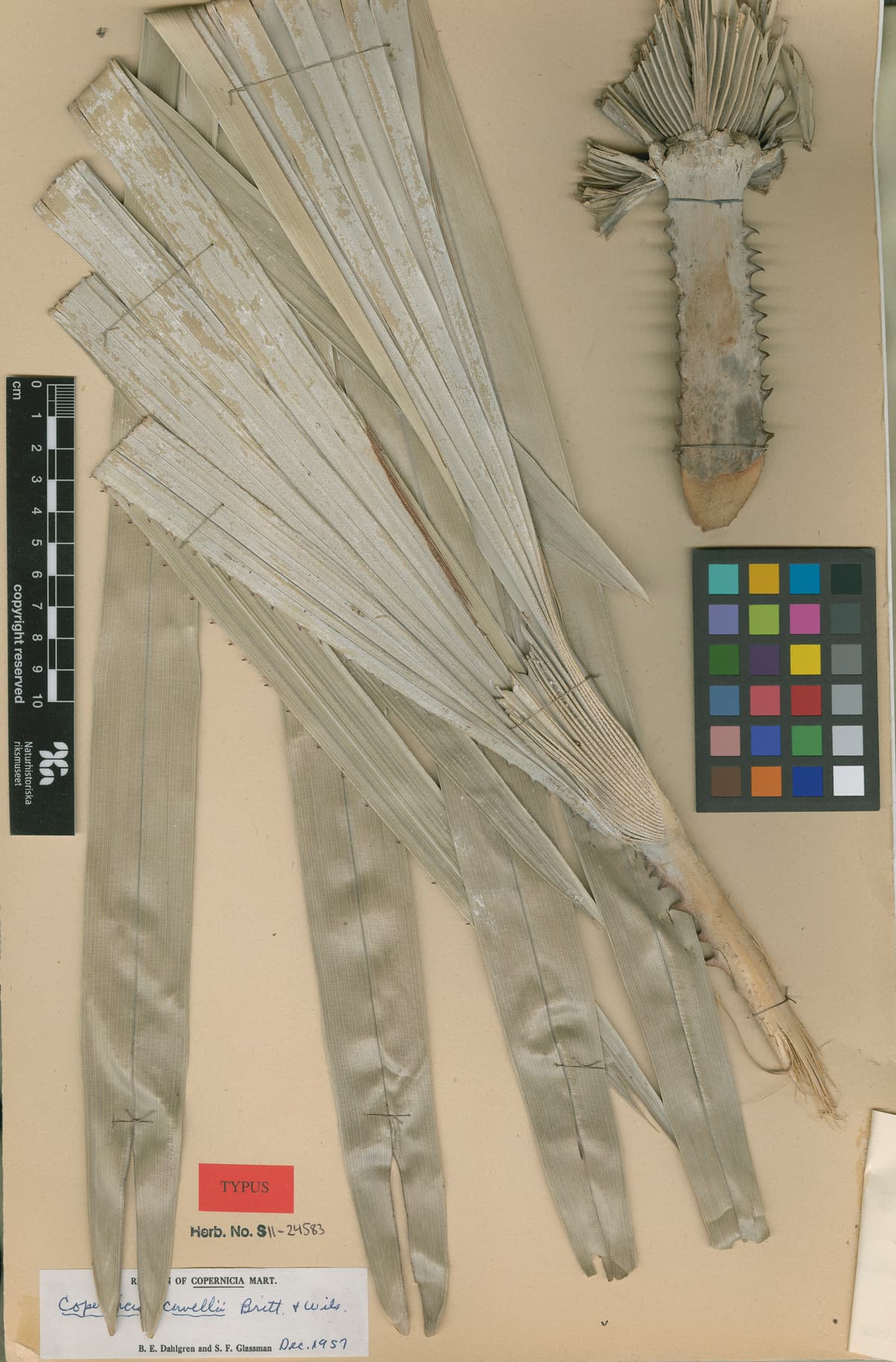
Botanical specimen of Copernicia Cowellii.
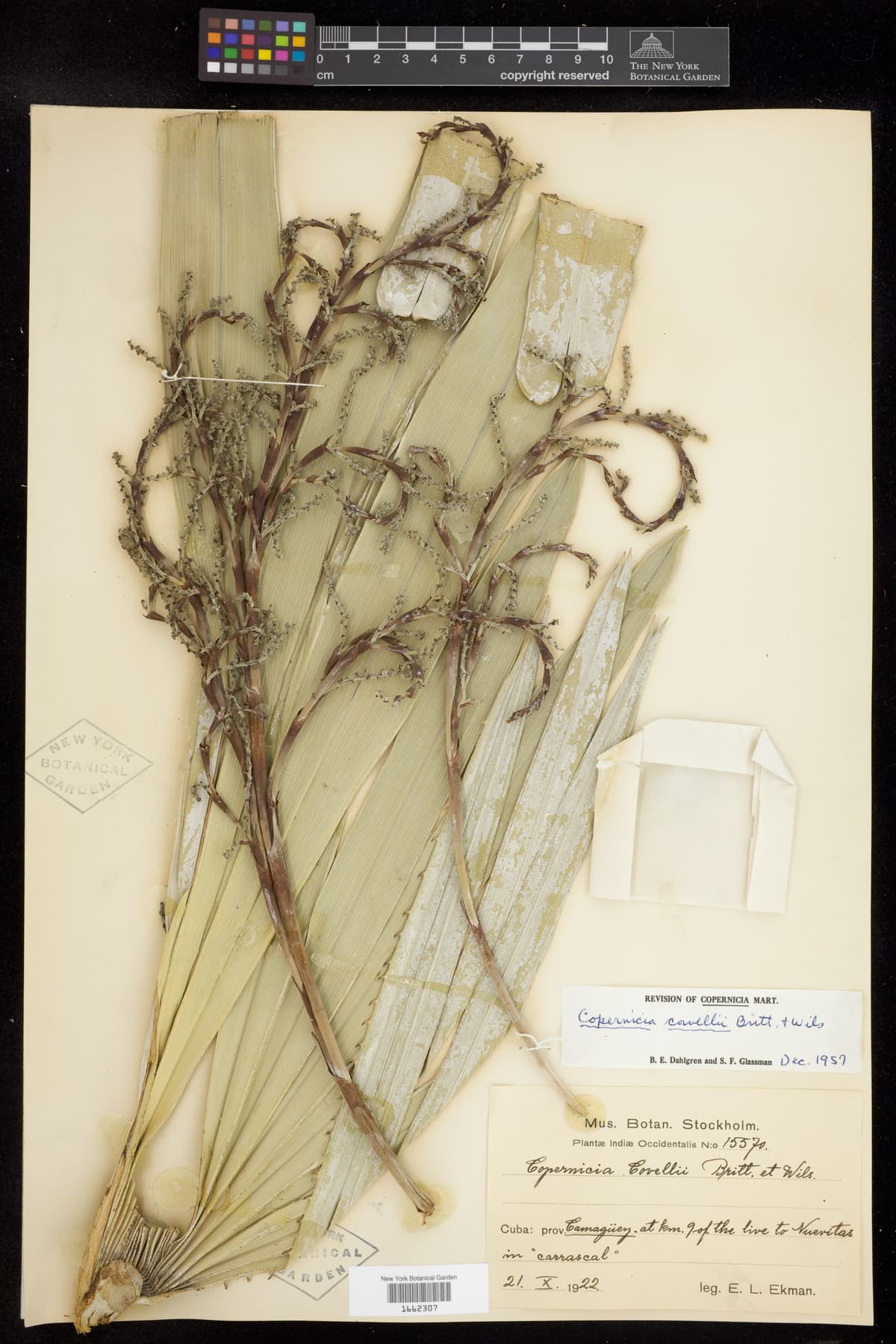
Botanical specimen of Copernicia Cowellii.
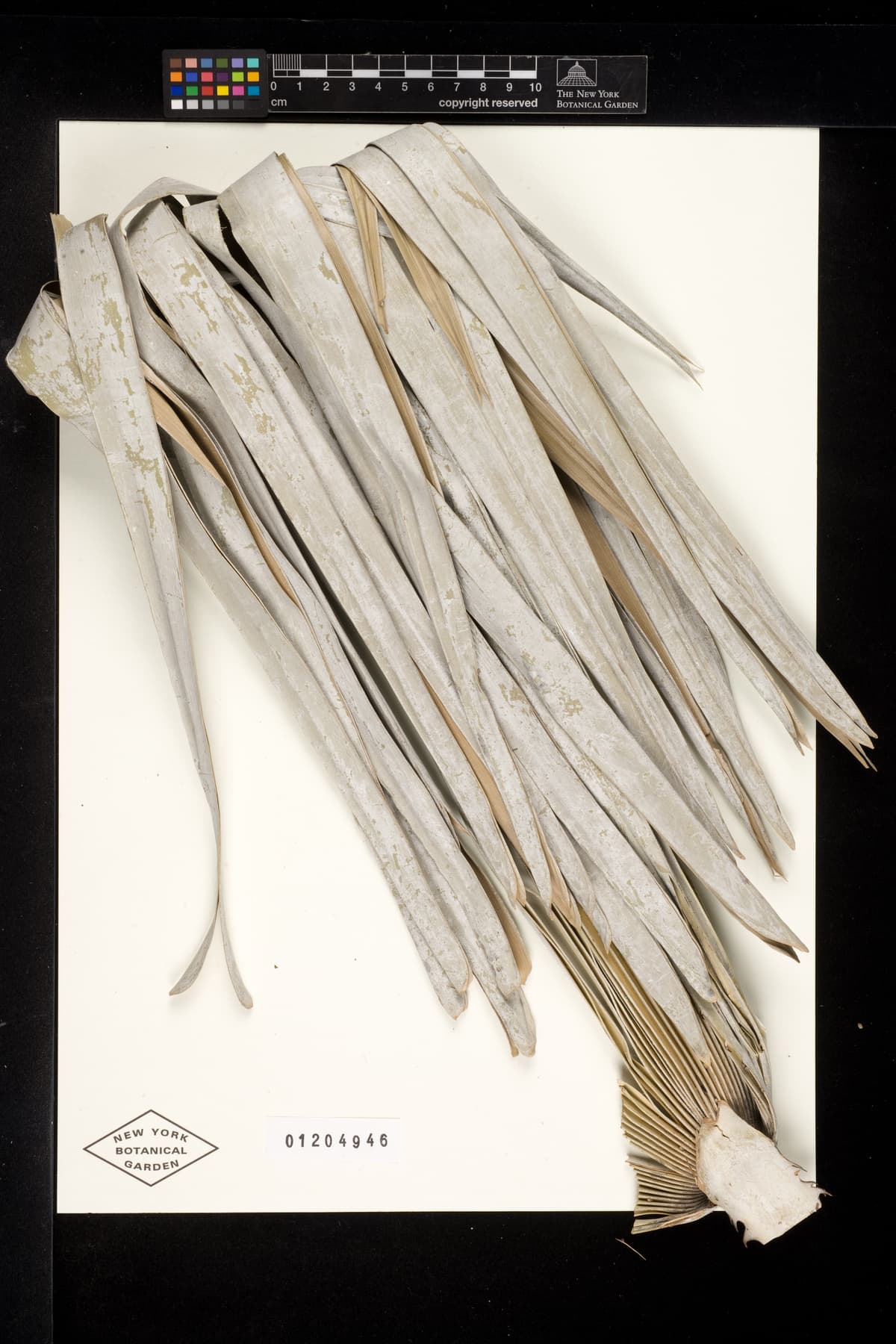
Botanical specimen of Copernicia Cowellii.
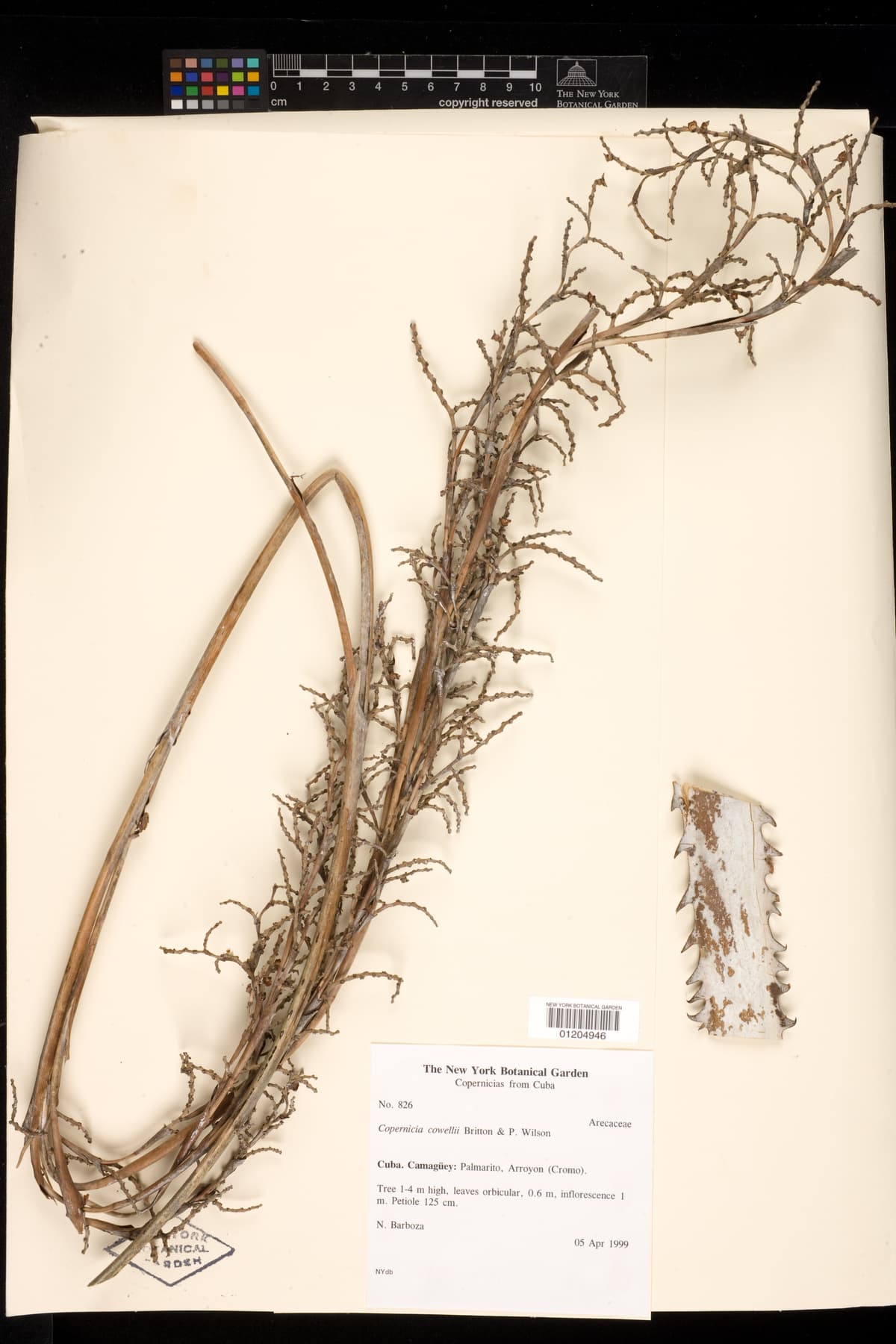
Botanical specimen of Copernicia Cowellii.
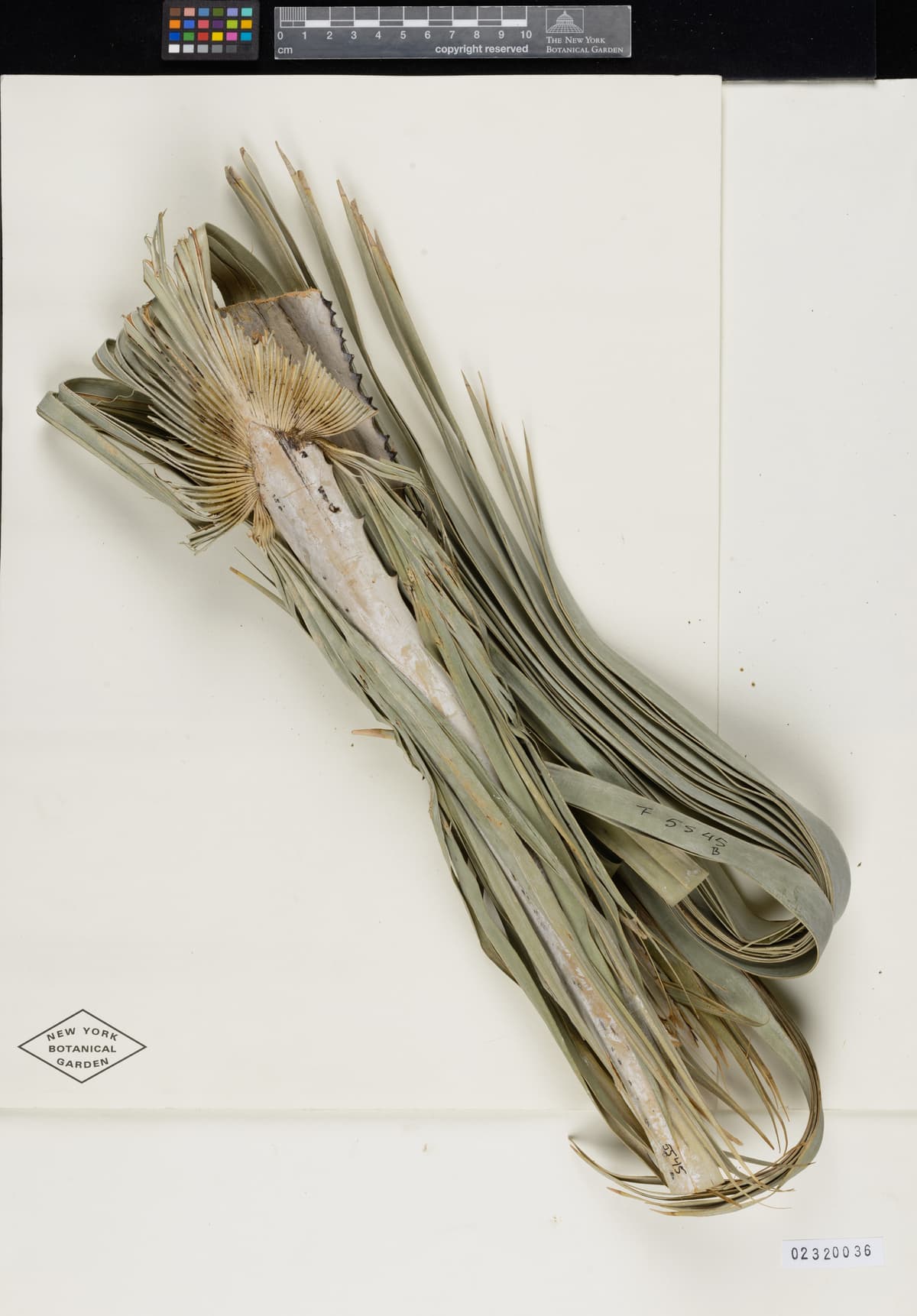
Botanical specimen of Copernicia Cowellii.
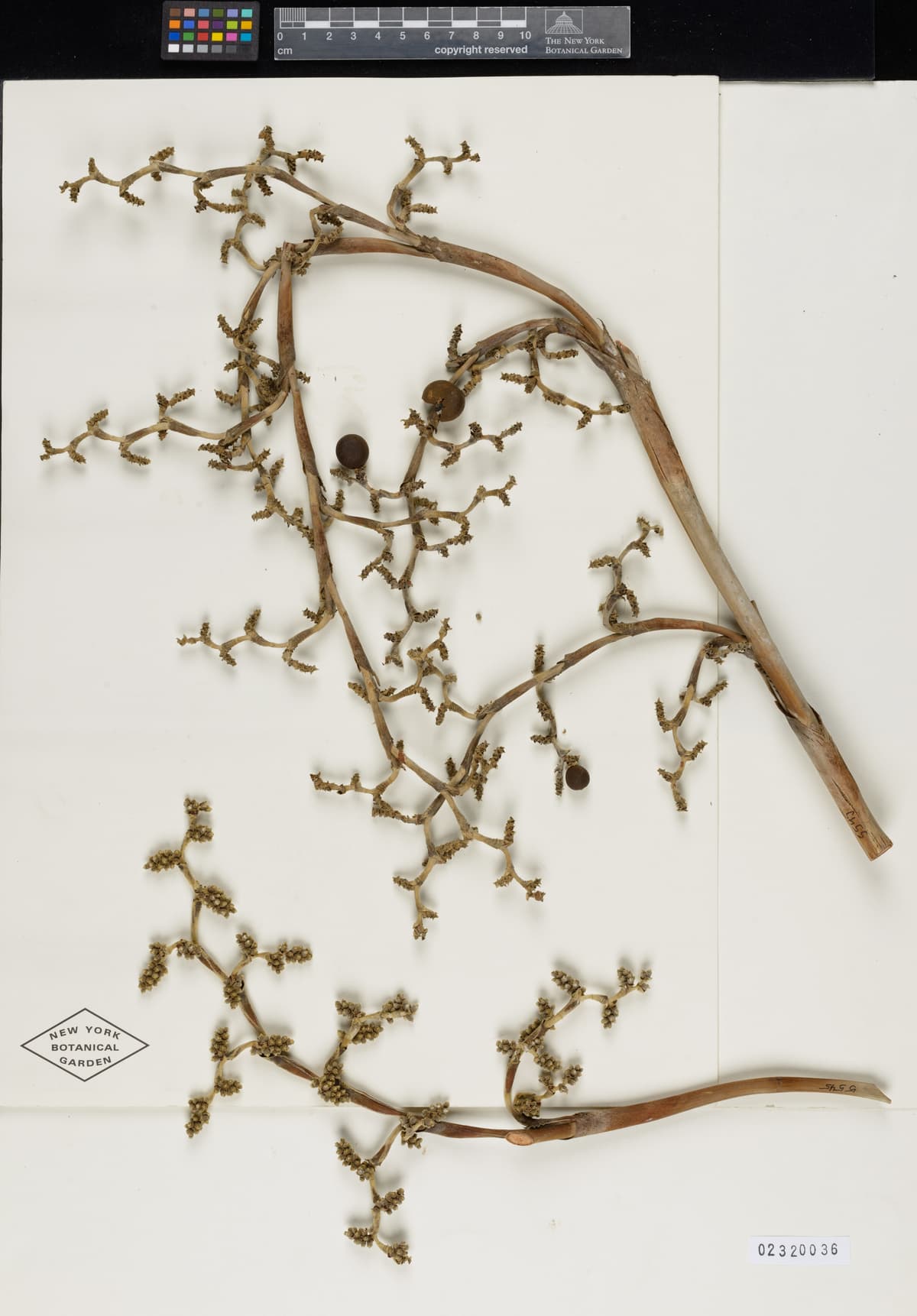
Botanical specimen of Copernicia Cowellii.
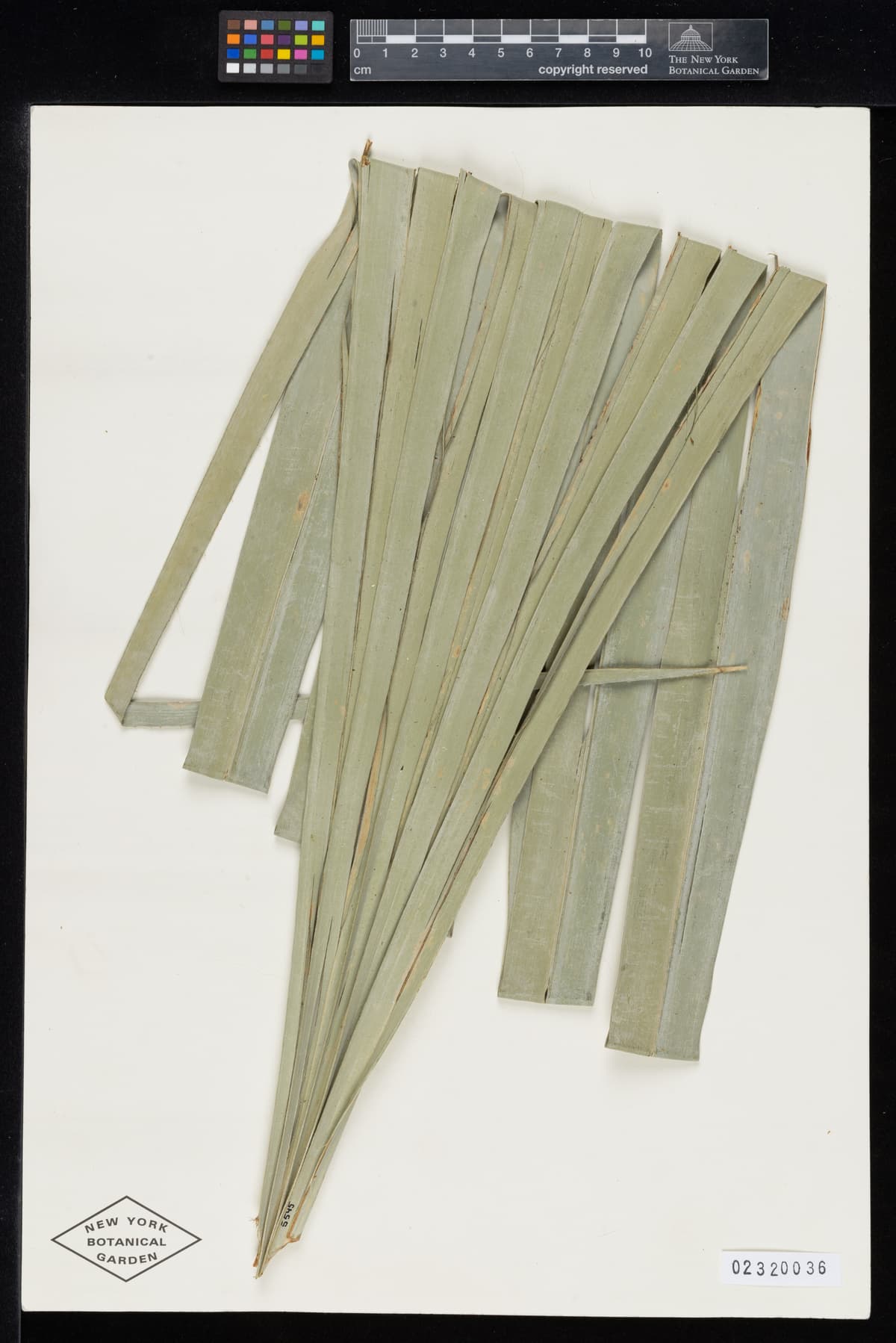
Botanical specimen of Copernicia Cowellii.
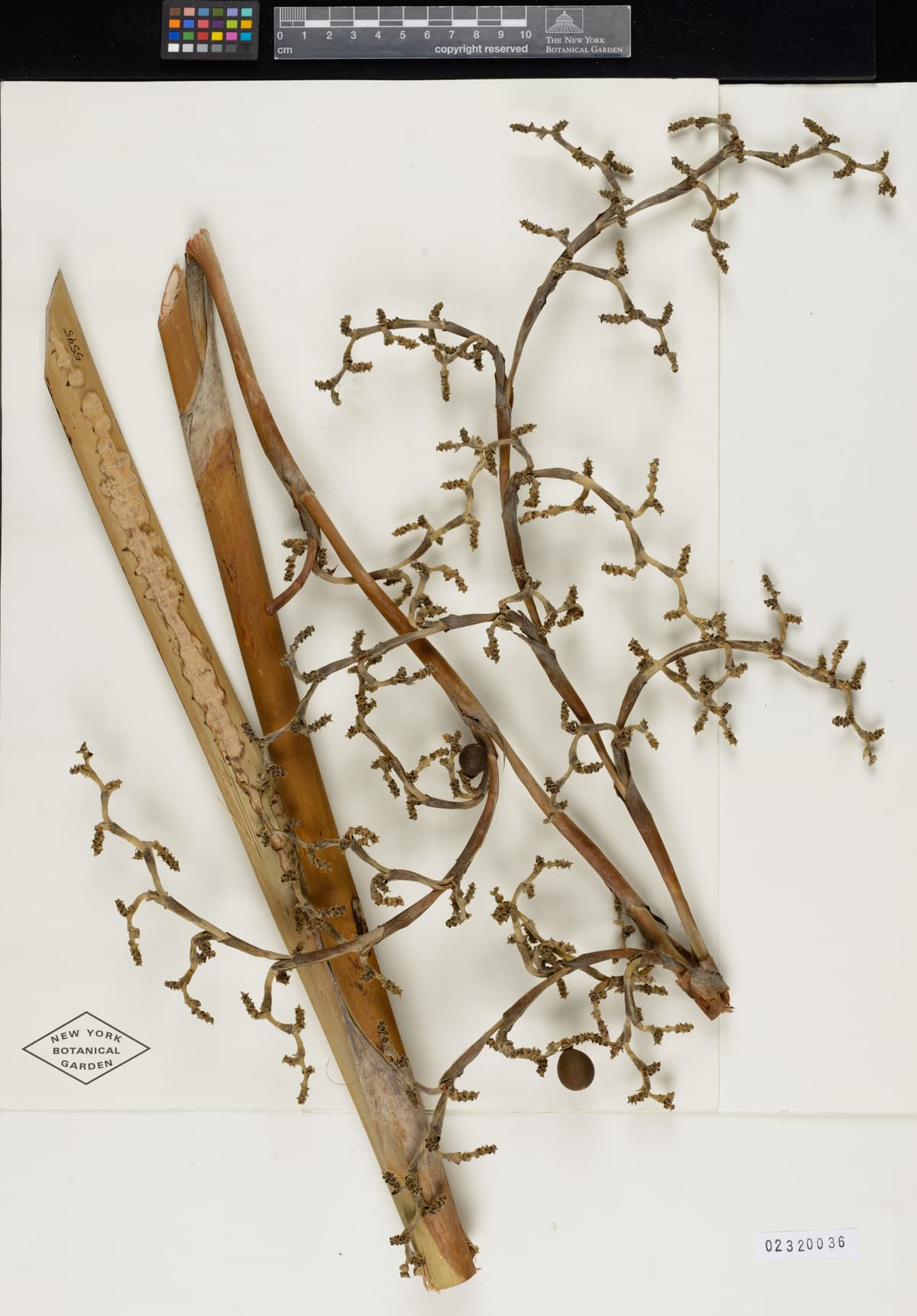
Botanical specimen of Copernicia Cowellii.
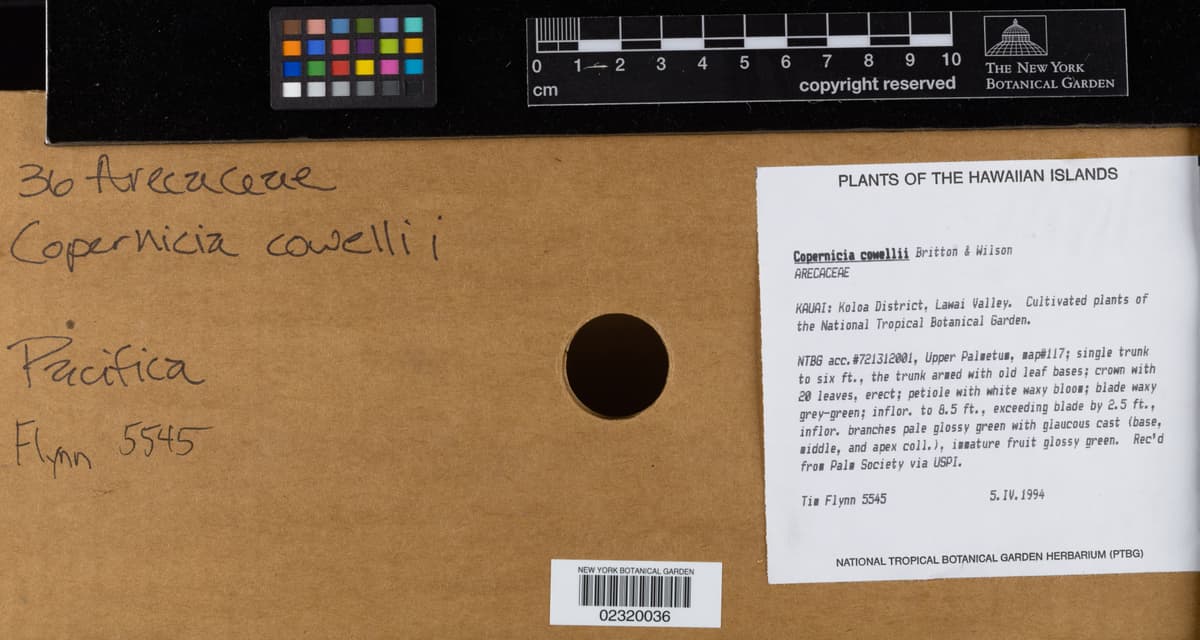
Botanical specimen of Copernicia Cowellii.
Biology & Morphology
"A dwarf fan palm with a solitary pale grey stem to about 3 m tall and 17 cm across, usually cloaked in dead leaves, bearing stiff, leathery, nearly round leaves on 10–20 cm petioles armed with small irregular thorns, the blades yellowish-green above and waxy silvery-white beneath with 40–48 blunt-tipped, unarmed segments 50–80 cm long, branched inflorescences up to 2 m carrying perfumed yellow hermaphrodite flowers about 6 mm long, and oval black fruit roughly 15 × 13 mm containing a single ovoid seed about 12 mm."
Morphology
Solitary, erect trunk with prominent vascular reinforcement and dense fibrous layering.
Adventitious root system spreading radially to maximize hydraulic intake in competitive soil matrices.
Distinctive solitary habit and medium stature providing a unique architectural profile.
Foliage
Vibrant blue-silver canopy featuring fan-shaped palmate leaves with deep costapalmate structure and rigid petiole attachments.
Specialized blue-silver tissues exhibiting slow metabolic expansion rates.
Reproduction
Complex inflorescence branching typical of the Copernicia clade, exhibiting seasonal reproductive synchrony.
Nutrient-dense drupes encased in a fibrous pericarp, optimized for protection and dispersal.
Dormant embryonic tissues with high endosperm density, characteristic of resilient Copernicia specimens.
Ecology
Active rhizosphere communication with mycorrhizal fungal networks, enhancing phosphorus and micronutrient uptake.
Interlocked with local entomological vectors, primarily Meliponini bees or specialized coleoptera.
Gravity-mediated and animal-vectored dispersal mechanisms ensuring regional genetic distribution.
Germination & Propagation
Germination Timeline
Hydration soak.
Incubation in moist media.
Sprout emergence.
Germination is reasonably prompt, but subsequent growth is extremely slow — about two leaves per year; rarepalmseeds.com rates its growth rate as very slow.
Cultivation & Care
Light
Demands full sun.
Water
Drought tolerant; suited to dry, seasonally dry tropical conditions.
Soil
Free-draining soil is essential. A serpentine-soil specialist in habitat — cultivated plants often show nutritional deficiencies reflecting those specialised requirements.
Tolerant of light freezes, withstanding short frosts to about −2 to −3 °C. Best adapted to dry tropical climates, but also does well in most warm temperate conditions. Growth is extremely slow: roughly two leaves per year, with measured growth of about 40 cm in 20 years.
Pests, Diseases & Care
Pests
Strategus aloeus (Ox Beetle)
HIGHAdults bore into the base of young palms, causing structural instability.
Soil drenching and manual inspection of the root flare.
Brassolis sophorae (Coconut Caterpillar)
MODERATEDefoliation of pinnate leaflets, reducing photosynthetic capacity.
Manual removal and application of Bacillus thuringiensis (Bt).
Diseases
Thielaviopsis punctulata (Black Scorch)
HIGHBlackening and dwarfing of newly emerging fronds.
Wound protection and application of thiophanate-methyl.
Phytophthora palmivora (Bud Rot)
CRITICALNecrosis of the spear leaf and decay of the meristem.
Fosetyl-Al application and optimizing canopy ventilation.
Nutritional Deficiencies
Interveinal chlorosis (Younger fronds)
Chelated Fe-EDDHA Soil Pulse
Marginal chlorosis (Older fronds)
Mg-Sulfate (Kieserite) saturation
Frizzletop / Distorted spear
Systemic Mn-Sulfate application
Care Tips
Biosurveillance pulse synchronized for Caribbean regional vectors.
Apply prophylactic fungicidal drench in the nocturnal phase.
Improve canopy ventilation to disrupt fungal sporulation cycles.
Sources & Conservation
Curated- Plants of the World Online (POWO/Kew) — Copernicia cowellii Britton & P.Wilson · accessed 2026-09
- IUCN Red List — Copernicia cowellii (EN), Hernández & Verdecia Pérez 2025 · accessed 2026-09
- Palmpedia — Copernicia cowellii · accessed 2026-09
- Monaco Nature Encyclopedia — Copernicia cowellii · accessed 2026-09
- National Tropical Botanical Garden (NTBG) Plant Database — Copernicia cowellii · accessed 2026-09
- Wikipedia — Copernicia cowellii · accessed 2026-09
- GBIF — Copernicia cowellii Britton & P.Wilson (taxon 2738274, verified via API) · accessed 2026-09
- rarepalmseeds.com — Copernicia cowellii, Dwarf Jata Palm · accessed 2026-09