Cuban wax palm
Copernicia Hospita • Blue yarey palm • Guano hediondo • Yarey hediondo • Guano espinoso • Guano cano • Jata • Palma guano hediondo
Cuban wax palm in Motion
The Essence
"Copernicia hospita is a fan palm endemic to Cuba. The 2025 IUCN assessment places it in the savannas and scrub of central Cuba, from sea level to 600 m. It is solitary and slow-growing, carrying up to about 40 stiff, blue-grey costapalmate leaves whose white-grey waxy coating gives the crown its colour; together they form a nearly circular outline around the top of a smooth trunk, the palm reaching 4-8 m tall. Small cream, bisexual flowers open on conspicuously hairy inflorescence branches held beyond the leaves, followed by globose fruits about 2 cm across that ripen black. In Cuba the hard, durable stems are used for fence posts and the leaves are woven into hats, panniers and baskets or used for thatch, though the IUCN account notes the species is not used as heavily as others in the genus; leaf cutting is nonetheless common enough that adult palms are frequently seen with only a few central leaves left. It is assessed as Least Concern, with a population believed to run to many more than 10,000 mature individuals and a stable trend, but the invasive Dichrostachys cinerea is recorded as limiting recruitment. Basic biology remains unstudied: the IUCN account states plainly that no specific information on pollination or dispersal exists for the species. Outside Cuba it is a collector's palm, grown for the waxy blue-white foliage."
The genus Copernicia honours the Polish astronomer Nicolaus Copernicus (1473-1543). Sources disagree on the epithet: Palmpedia and NTBG, both reproducing text from the Floridata Plant Encyclopedia, read hospita as Latin for "hospitable", believed to refer to the palm offering a welcoming home to a wide variety of birds, while the Monaco Nature Encyclopedia renders it as "host", noting that the author never explained the name and suggesting it refers to the mass of persistent dry leaves that hosts small animals.
Described by Carl Friedrich Philipp von Martius in Historia Naturalis Palmarum 3(7): 243, t. 50a (1838); the name is accepted by POWO and GBIF and registered in IPNI. The distribution within Cuba was updated in 2023 by Celio E. Moya López and Yasiel Hernández Rivero in PalmArbor. Circumscription is not settled across databases: the IUCN assessment lists Copernicia escarzana León as a synonym of C. hospita, whereas POWO treats it as the hybrid Copernicia × escarzana, an accepted taxon that in turn absorbs Copernicia × burretiana León. The Monaco Nature Encyclopedia separates C. hospita from the similar C. glabrescens by the hairs on its inflorescence branches and its thick waxy leaf coating.
Natural Habitat
Spiny xeromorphic scrub over serpentine and semi-natural savannas, from sea level to 600 m. IUCN codes the habitat as subtropical/tropical dry shrubland plus pastureland, notes that the palm grows well in man-made savannas and credits it with high resilience, while recording that habitat quality has declined through agriculture, deforestation and introduced species. Palmpedia and Useful Tropical Plants add open savanna, woodland and coastal ground adjacent to mangrove swamps, usually at low elevations, and POWO records the species as growing primarily in the wet tropical biome. Documented localities run from San José de las Lajas (Mayabeque) and Jovellanos (Matanzas) east through Abreus and Cienfuegos (Cienfuegos), Fomento and Trinidad (Sancti Spíritus) and Baraguá (Ciego de Ávila) to Camagüey, Minas, Florida, Esmeralda and Vertientes (Camagüey). The estimated extent of occurrence is 31,500 km2 and the area of occupancy 128 km2, both regarded as stable.
Curated Specimens
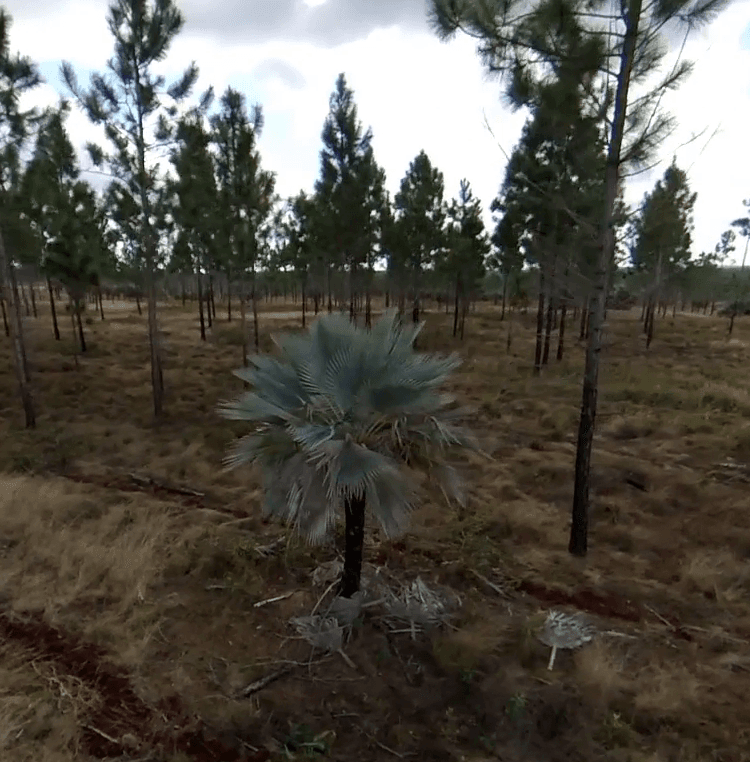
Botanical specimen of Copernicia Hospita.
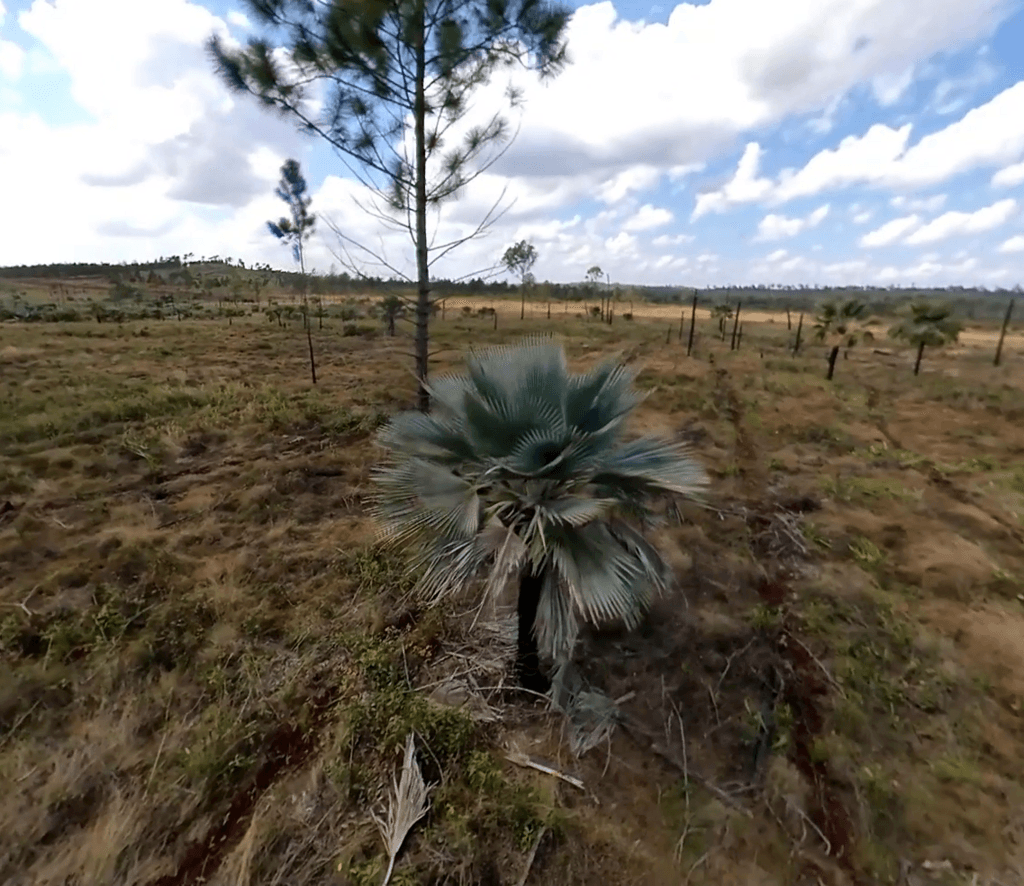
Botanical specimen of Copernicia Hospita.
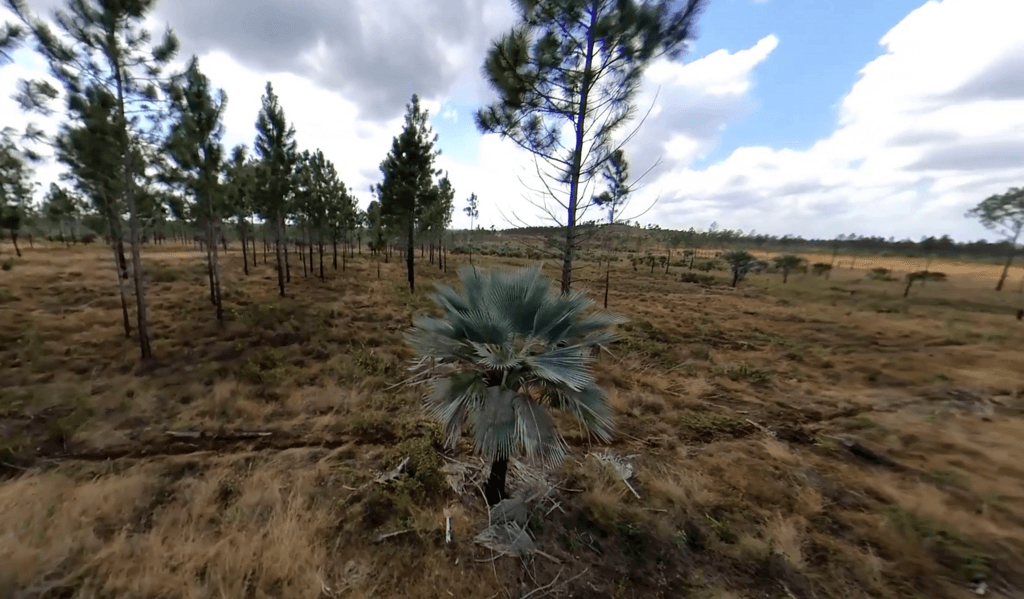
Botanical specimen of Copernicia Hospita.
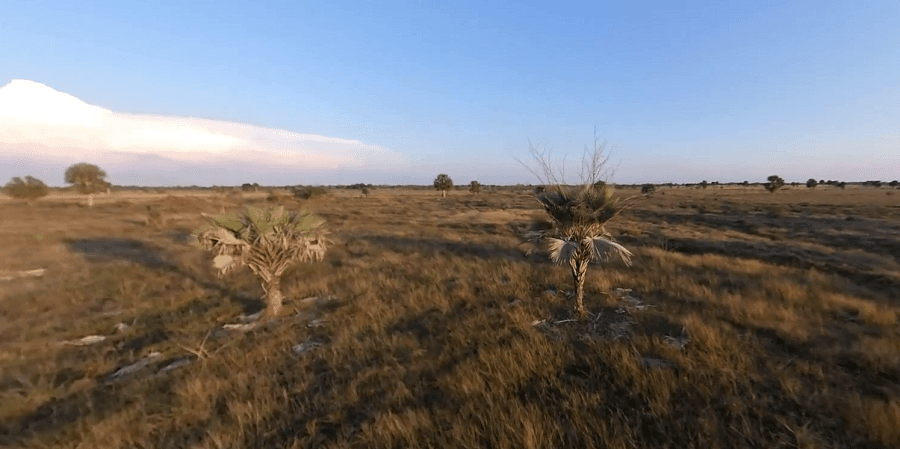
Botanical specimen of Copernicia Hospita.
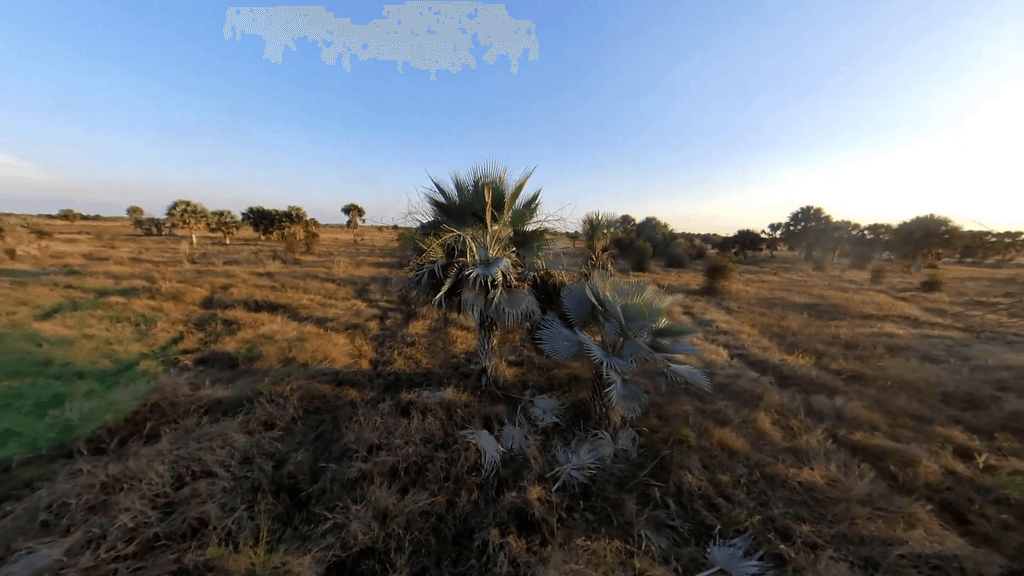
Botanical specimen of Copernicia Hospita.