Carnauba palm
Copernicia Prunifera • Carnauba wax palm • Brazilian wax palm • Wax palm • Carnaubeira palm • Carnaúba
Carnauba palm in Motion
The Essence
"Copernicia prunifera is a solitary fan palm of northeastern Brazil and the source of carnauba wax, which is harvested as a natural coating from the surface of the leaves. It is among the hardest of natural waxes and melts at about 82-86 C. Wikipedia records its use in floor, furniture, leather, car and shoe polishes, carbon paper, candles, chalk, matches and soap, with Palmpedia adding candy coatings, cosmetics and dental floss. Brazil is the only exporting country, with output of roughly 20,000 tons of wax powder and 2,500 tons of wax a year, produced mainly in Piaui (45%) and Ceara (35%). The palm is known by many as the "tree of life" for its many uses and is the symbol tree of Ceara state; it can live up to 200 years. Its fruits feed animals such as bats, pigs and parrots, the leaf fibres ("palha") are woven into hats, baskets and bags, and the wood, naturally resistant to termites, is a valued local construction material. Ecologically it hosts the reduviid bug Rhodnius nasutus, a vector of the parasite that causes Chagas disease, and in far northeastern Brazil the Fork-tailed Palm-Swift glues its feather nests inside the palm's dead, folded pendant leaves."
The genus Copernicia is named after the astronomer Nicolaus Copernicus (1473-1543). Per Monaco Nature Encyclopedia the epithet prunifera combines the Latin "pruina" (frost) with "fero" (to carry), a reference to the whitish waxy layer covering the leaf blade. The basionym is Palma prunifera Mill.; H.E.Moore made the current combination in Gentes Herbarum 9: 24a (1963), and the palm was long known under the heterotypic synonym Copernicia cerifera (Arruda) Mart.
Natural Habitat
A seasonally dry tropical species (POWO) of the semiarid Caatinga, where roughly 800 mm of poorly distributed rain falls each year. It is gregarious, forming stands called "carnaubais" in flood zones and near rivers, and because it grows along rivers and streams it helps prevent siltation of water bodies and controls soil erosion. Palmpedia records it in savannas and open forests that are occasionally subject to flooding; Useful Tropical Plants places it in dry forest areas along rivers in valleys subject to both periodic inundation and periodic drought, and Monaco Nature Encyclopedia adds that it often grows on saline soils prone to water stagnation. Wikipedia names Ceara, Piaui, Maranhao, Rio Grande do Norte and Bahia as its main northeastern strongholds.
Curated Specimens
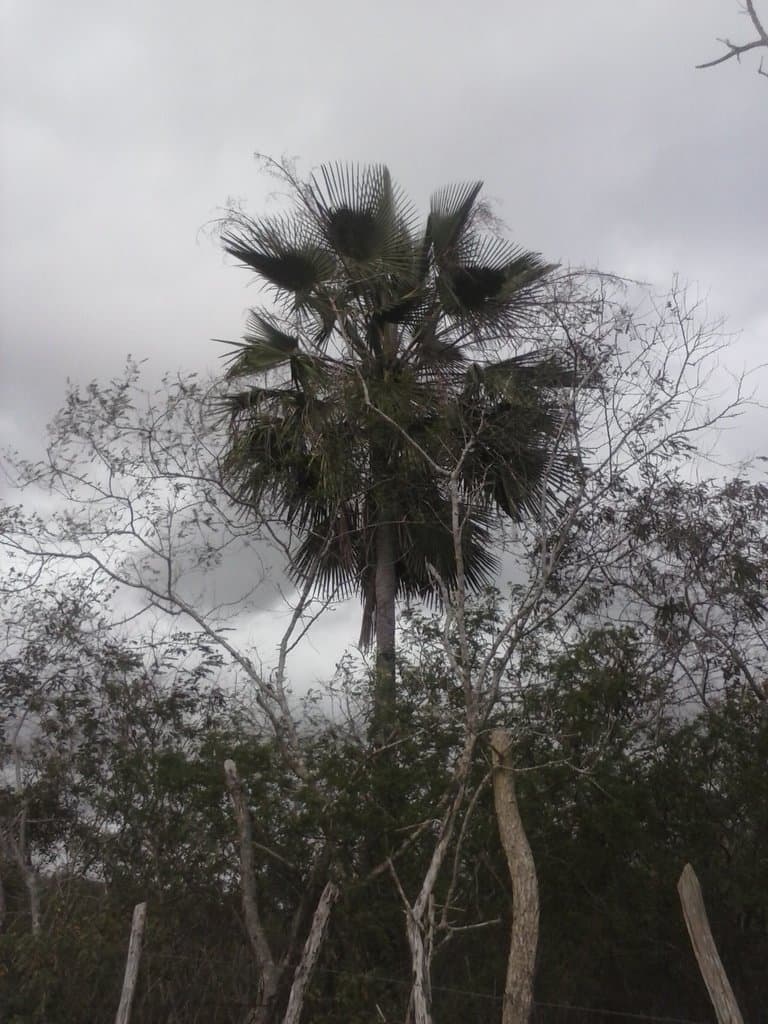
Botanical specimen of Copernicia Prunifera.
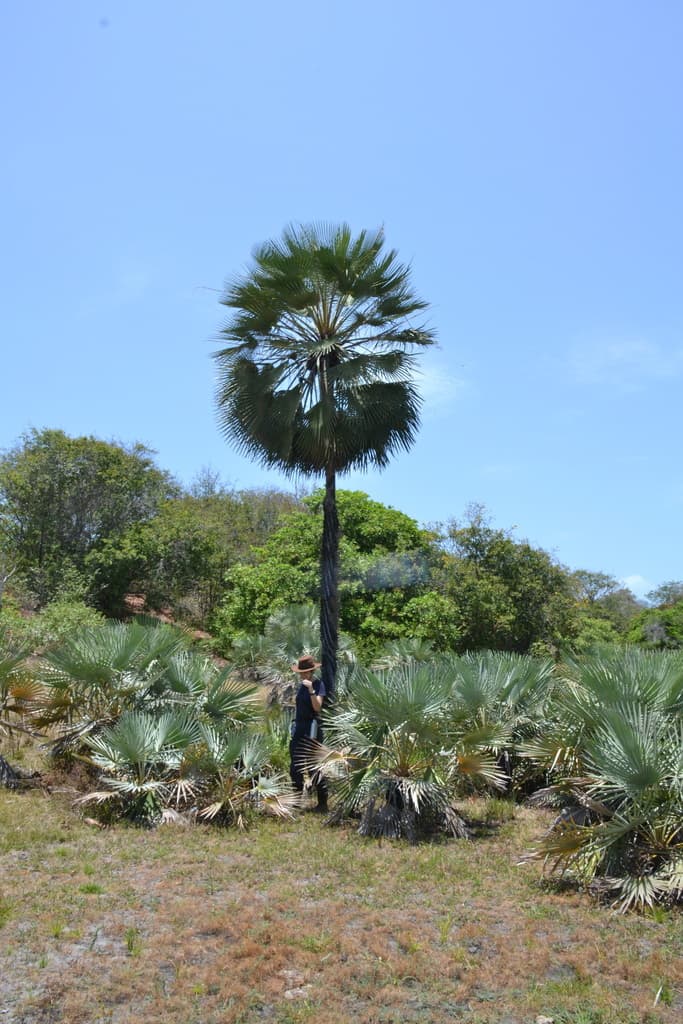
Botanical specimen of Copernicia Prunifera.
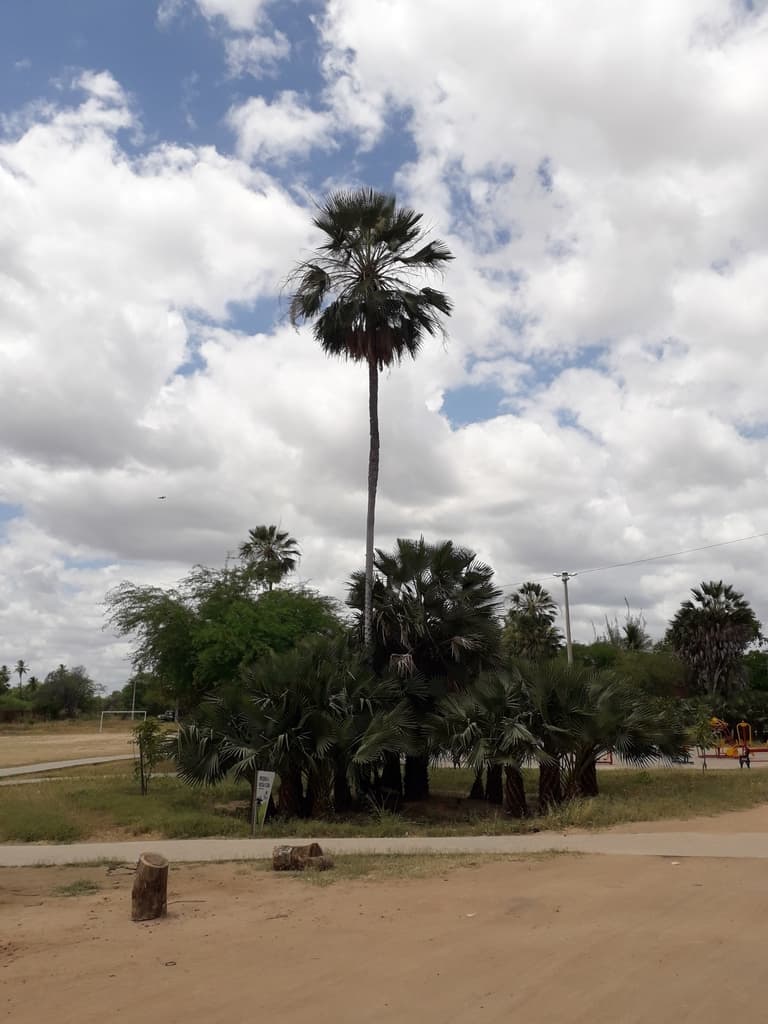
Botanical specimen of Copernicia Prunifera.
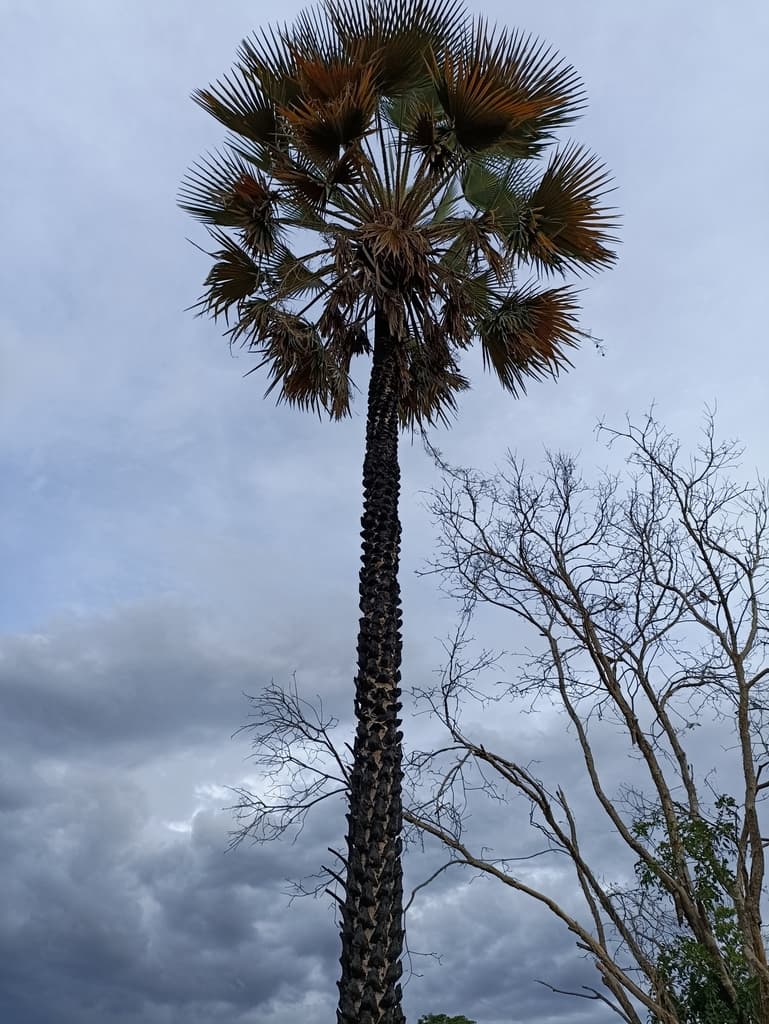
Botanical specimen of Copernicia Prunifera.
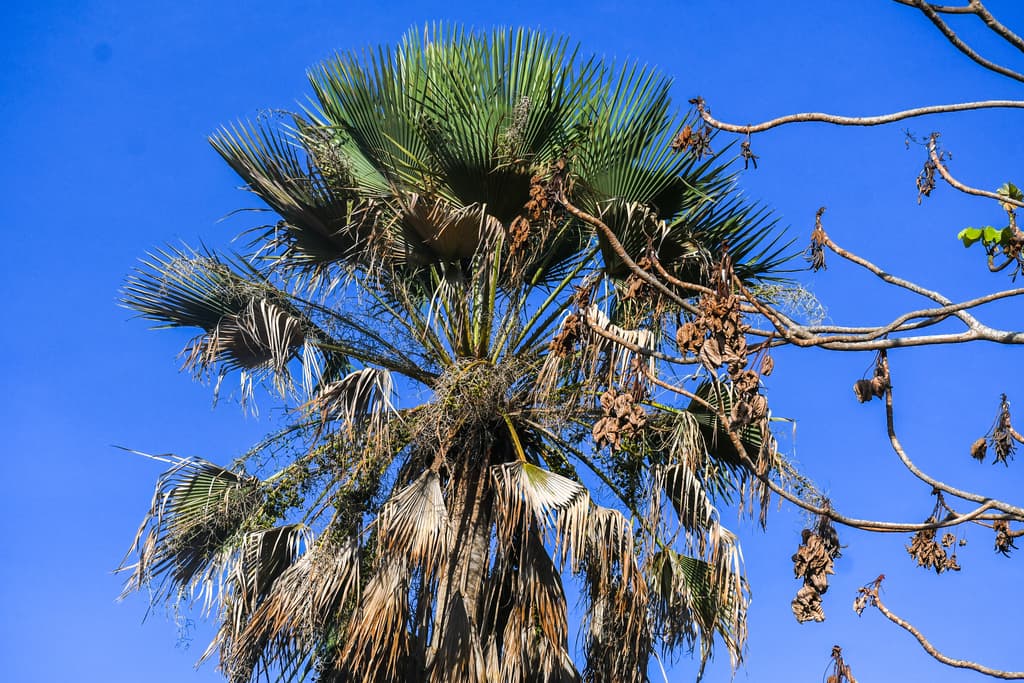
Botanical specimen of Copernicia Prunifera.